
After the Storm
Competition to design a disaster relief centre
Overview
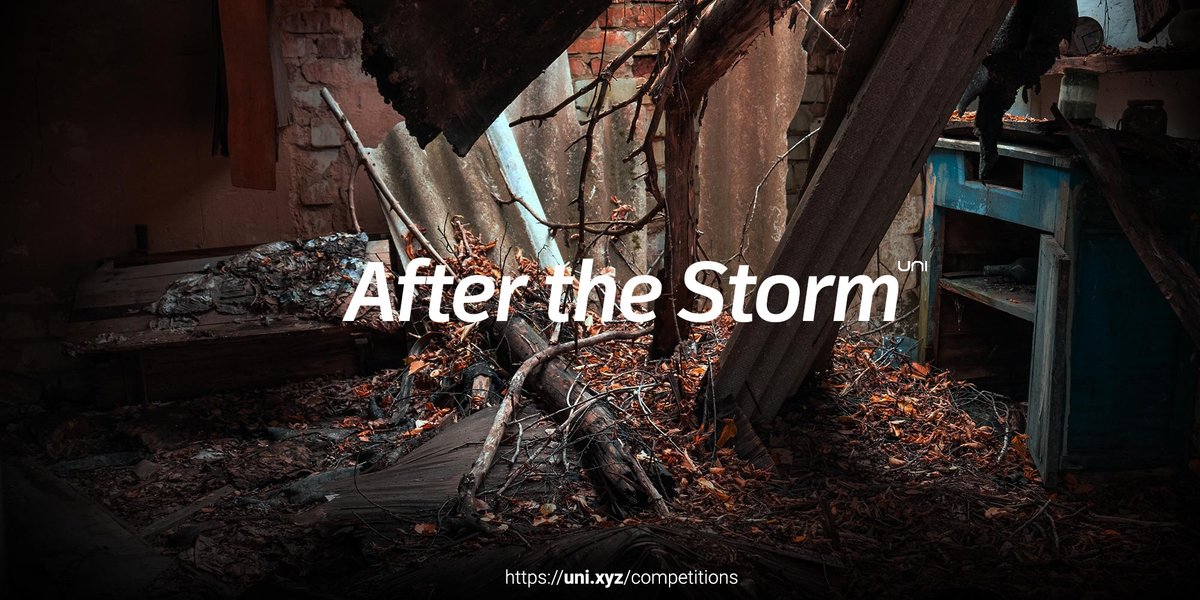
 Fig: 1 - Cyclones are characterised by strong winds with intensity that can cause damage to built infrastructure and community.
DISASTER RESPONSE
Bangladesh is one of the world's most disaster-prone nations. Each year over 10 million citizens are affected by various natural disasters. Amidst this population are the particularly sensitive residents of the Sundarbans.
The residents of the marshy delta on the Bay of Bengal were prone to cyclones and storms but with mounting environmental challenges and illegal logging of the forest, the dangers of natural disasters have steadily increased.
As a response, the Bangladeshi government has attempted to create more robust and efficient disaster management policies to protect its citizens. Ranging from creating shelters to bolstering technology to analyse and foretell natural disasters the government has set up a comprehensive approach to managing disasters.
Despite significant strides in the field, many residents are still vulnerable and there is a need to further bolster these efforts.
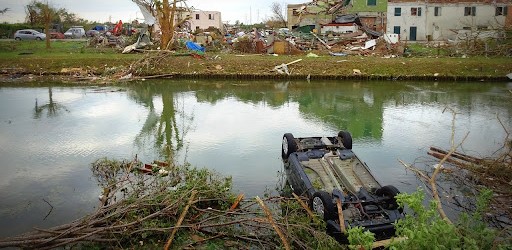 Fig: 2 - In times of disaster, a shelter with survival systems embedded is used by locals and their stay here could extend depending on the duration and destruction of property in the area.
EXISTING RELIEF CENTERS
Relief centers are places that bolster disaster recovery efforts. They allow opportunities to store essential supplies, collect assets and people and even may provide emergency shelters.
In countries that are prone to natural disasters, these spaces become essential to support sensitive populations in mounting emergencies.
More often than not these spaces are designed keeping functionality in mind. They are meant for serious and sombre moments in citizens’ lives and they reflect the same.
Yet it is intriguing to note the effect of emergencies and inadequate living conditions, even if only temporary, have more effect on the psychologies of the displaced.
In designing and implementing design relief centers it is thus pertinent for us to address not just functionality but also create spaces that support holistic mental well being.
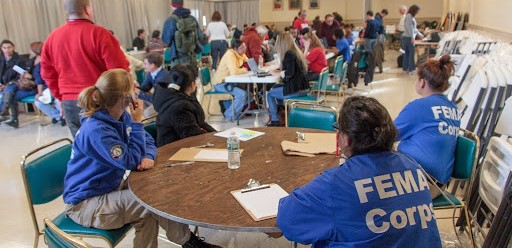 Fig: 3 - Relief centre design must be designed to be resilient and inclusive, and be a haven for the local community at all times. (Credits: Extensive-Enterprises)
DESIGNING FOR RELIEF
As our world is faced with increased environmental challenges, natural disasters are slowly becoming more frequent than they once were. This means that populations insensitive nations are also increasingly vulnerable. While countries across the world are working hard towards various solutions to support these populations there is still a considerable way to go.
H3: Brief: The challenge here is to design a disaster relief center for the vulnerable populations in Bangladesh.
The added challenge here though is that the space must act as a valuable and attractive public space to the population during the relatively peaceful times of the year.
In the face of an emergency, the design must be able to transform and act as a functional emergency shelter that can support mental wellbeing via piecemeal architectural interventions within the space.
OBJECTIVES
Function: How does the design outcome function in the face of national emergencies
Wellbeing: How does the design and elements within it support the mental well being of the individuals that seek refuge in the face of disasters
Robust: The designed space itself must be able to sustain itself in the face of the disaster
Public: How does the space provide a valuable public space to the city population in the rest of the year when there are no natural disasters.
SITE
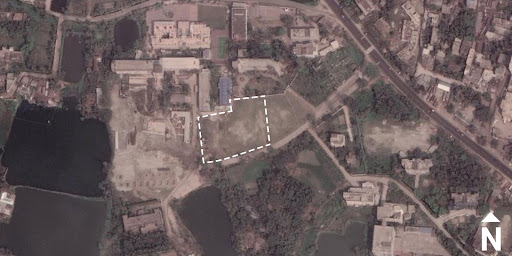
The site for this project is located in Khulna, Bangladesh. It is the third-largest city in Bangladesh after Dhaka and Chittagong. It is part of the Ganges Delta, the world's largest river delta and is North of the Sundarbans. Lands in the region are marshy in nature.
Site Area: 3521sqm
Height Restriction: 10 meters
Ground Coverage: 30%
Setbacks (as per CAD plan)
Coordinates: Khulna, Bangladesh
AREA PROGRAMME
The design outcome must act as a disaster relief center in the face of a natural calamity. For this purpose it must include the following program elements:
1. 20% Administration:
- Offices
- Multipurpose room for awareness workshops, first AID workshops talks etc.
- Rooms for consultation, information regarding disaster recovery
2. 50% Shelter:
- Emergency shelters for about 200 displaced individuals
- Community spaces
- Play Spaces to engage young children
- Prayer rooms
3. 20% Services:
- Food, essential items, and relief materials storage
- Kitchen/ Food preparation space
- Toilets
You may use the remaining 10% allowance in space as you deem fit.
In peaceful times, this space must be able to transform with a useful and attractive public utility to its surrounding population.
Similar Competitions
Discover competitions you might be interested in



Challenge to design a shop stop sunk in the city


The Global Benchmark for Graduation Excellence


The Global Benchmark for Architecture Dissertation Awards
