
Ar2050
Visualization challenge: Future workspaces for architects
Overview
 Fig: 1 - Workspaces form an integral part of our lives (Credits- Annie Spratt)
WORKSPACE DESIGN
Workspaces are one of the most fundamental spaces worldwide, across every profession. It has been estimated that people spend their highest amount of time in their workspaces, even more than the time they spend at their homes. Overall people spend about five to twelve hours at these workspaces, which amounts to a major chunk of their whole daytime.
Each profession defines its workspace differently. For architects, a workspace is much more than a desk and a workstation. The tasks performed at the workspaces are varied in nature, from 3D form making to drawings, site visits. These tasks demand a multifunctional space. Considering the dynamic nature of the work and the ever-changing facets every project carries, these workspaces become a major space.
These spaces have become more important and demanding since the changing times. Causing them to go through a process of constant transition and change.
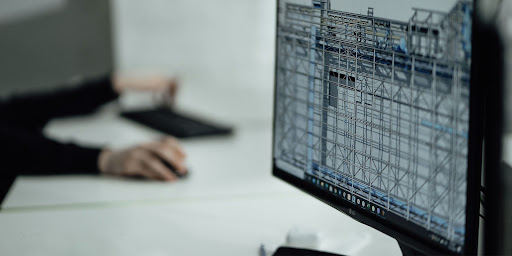 Fig: 2 - Work for architects have not only changed w.r.t external technologies but also in terms of how and on what they work(Credits-evgeniy-surzhan)
TRANSITION IN OFFICE SPACES
The workspaces of architects have transitioned from traditional drafting tables to software-led workstations. Changes in these spaces have been evident proof of transition in methods of construction, working, operations and designing. Making these workspaces to be a direct reflection of the changes in the architectural realm.
Today, architects' workspaces have become more flexible and open. From open office plans to technologically aided workstations, these spaces are going under constant change. Major changes in the software, materials and developed working methods have caused these transitions. Group working to singular workstations these spaces are ever-evolving.
Architecture being closely interlinked with societal, cultural and technological aspects, is changing rapidly.
Considering the current technological trends worldwide, what will the future architect's workspaces look like?
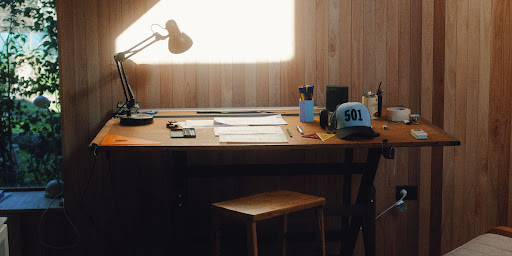 Fig: 3 - What will an architect’s workspace look like in 2050? (Credits-Ryan Ancil)
BRIEF OF THE COMPETITION
What will an architect's workspace look like in a utopian future?
How will technological innovation change the concept of working for architects? The aim is to envision a future working space for architects in the next decade, in 2050. To depict and imagine the transition that will take place, how today's workplaces will be innovated.
Challenging your imagination runs across the future years, where the majority of the world will be technologically led and innovated with time.
The aim of this challenge is to imagine the future workspace for architects by 2050, by presenting them through a set of visuals.
Envision individual workspaces for an architecture firm of four architects. Participants can roughly visualize the office/firm space but the main focus of this challenge is to visualize individual workspaces.
OBJECTIVES
Futuristic approach: To imagine spaces beyond the existing, innovating through imagination.
Trends Awareness: How does the visualization is showcasing the future progress/changes in current trends of working?
The clarity in concept: How clearly the visuals are highlighting and anticipating the future changes?
Empathy and Understanding: Study different architects, their thought processes and depict how their desks/workspaces can change by 2050.
DELIVERABLES
You have to deliver a visualization outcome in the form of an architectural illustration. Where the outcome represents the given aim. Three visuals need to be submitted. The images should be of the size of [2800px × 3200px] in portrait or landscape digital format (JPEG only)
The visualizations are to be entirely rendered and digitally created. The usage of photographs, stylised/credited or otherwise, directly is strictly not allowed.
The use of lassoed graphics lifted from an existing image is limited to half of the total graphic content. (The guidelines are indicative and are placed only to reduce plagiarized artworks - any infringement detected or reported will be notified, and may be removed from competition if found guilty)
The list of deliverables are:
- Title
- Subtitle
- Views x 2
- Detailed views x 3
- A few process images
- A statement in about 100 words supporting the idea - you can attach this as an additional image below the visuals.
Similar Competitions
Discover competitions you might be interested in



Render competition to represent the city as a machine

Challenge to imagine architecture inspired by fiction


Challenge to visualize a future with no roads


Challenge to illustrate the ruins of Petra
