
Camp Out
RV hotel design challenge.
OVERVIEW
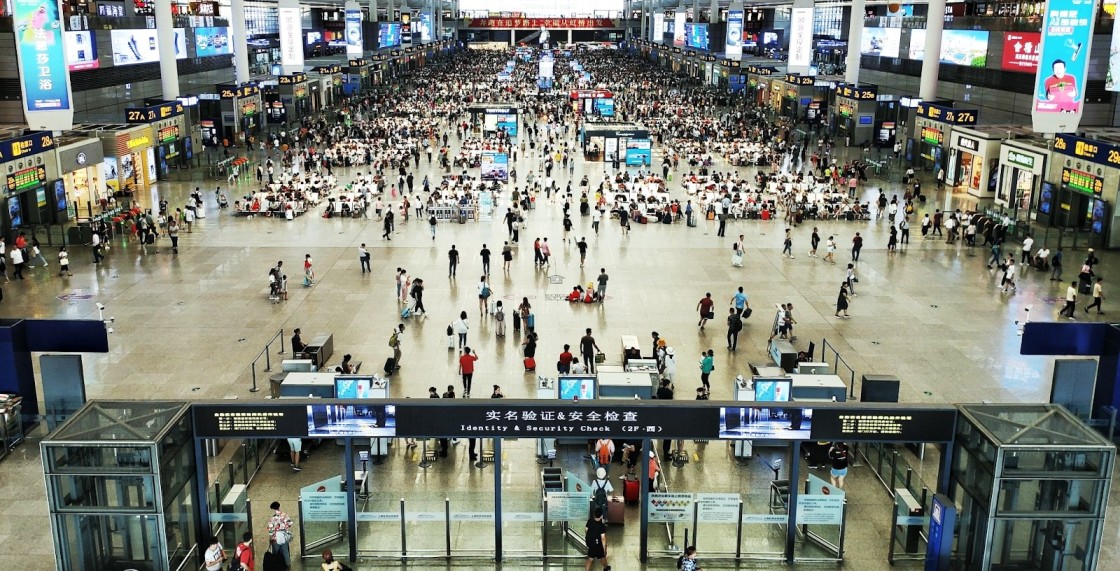 Fig: 1 - Tourists and other travelers swarming airports as convenience has increased these days
Exploring the world
In the old days, the Greeks pioneered sports, synonymous with recreation, that was popular among athletes as well as the viewing audiences. But with the progress of civilization, the definition of recreation and leisure evolved.
Infrastructure made it possible to deliver services to humans that made life more comfortable and convenient for us. As transportation flourished, traveling became popular, at an incredible rate.
Travelling had been around since when roads were used by old Romans to travel for leisure. Relaxation was the initial intent, but the desire to learn about new cultures, their traditions, and art is what gave rise to cultural tourism.
Tourism now is a global phenomenon that is enabled by massive infrastructure, and especially, varied means of transport. Traveling habits have deeply reflected the direction tourism has taken, as the industry strives to improve every experience.
As traveling soars, how has the role of the tourism industry evolved in accommodating the increasing numbers of travelers, each year?
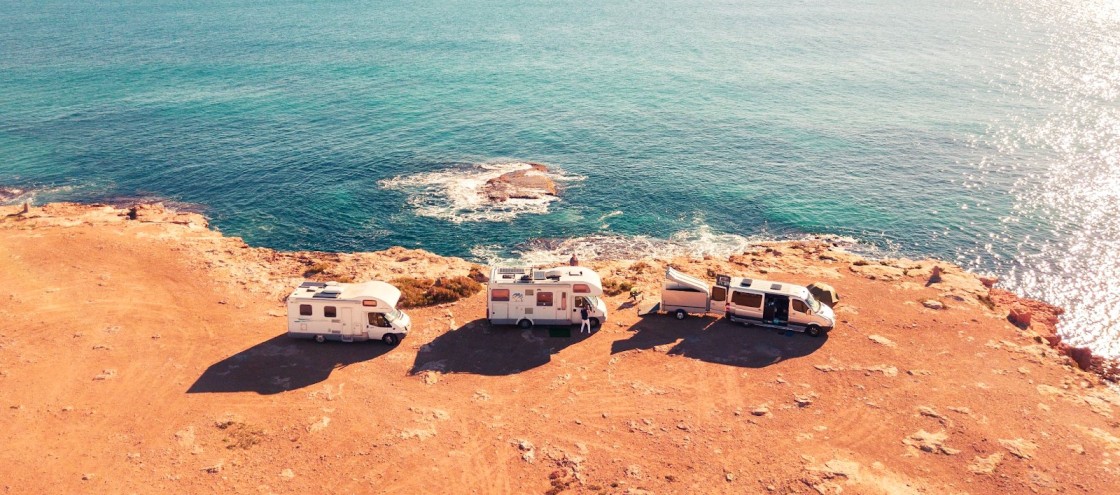 Fig: 2 - RVs are the preferred mode of transport as it eases access and convenience during traveling.
Bit by the travel bug
People who love to travel and people who travel to unwind are two different sects of the tourist population. The former type of people, consider traveling, a lifestyle, embracing it with even limited amounts of resources available. They tend to spend most of their time on the road, and they prefer to travel at their own pace and time.
The Recreational Vehicle (RV) market emerged to enable the nomadic lifestyle of these travelers. These trailers are travel-friendly living spaces, equipped with amenities. They are great examples of optimal space usage, as customization allows for fitting many elements, inside the tiny space, without compromising on its functionality.
RVs have come a long way, with new ranges and upgraded models available for use, today. But the experience of traveling by this means, remains inept, as people are faced with the issue of finding parking spots that offer a prime location, safety, convenience, and access to other social amenities that can enhance the experience for the travelers.
How can the user experience of such travelers be broadened to make it more holistic?
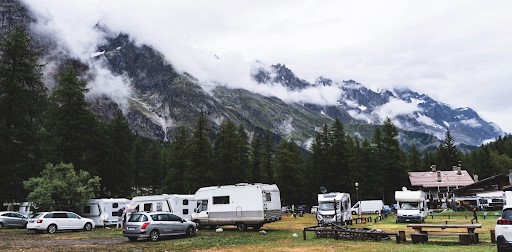 Fig: 3 - Multiple RVs parked in a disorganized manner, but a sense of community is apparent
Brief of the competition
Brief: Design an RV (Recreational Vehicle) parking hotel for tourists. They can park their RV for a certain period of time during their visit, and use the communal spaces, designed on the lot.
Amenities of any regular hotel can be altered to suit the RV and its users’ needs. Facilities must be specific to the site and serve the purpose of relaxation and recreation. Communal activities are essential to any traveling experience, and spaces for interaction with similar groups must be allotted.
An RV specializes in providing comfort and privacy and this must be supplemented, by the parking space design. The design of the lot must cause minimal disruptions for its occupants and the locality around. Sustainability must be practiced to ensure that the site remains unharmed and protected.
The spatial organization of the parking lot and optimal use of the views that the scenic location provides are key factors to make this typology work.
Design Objectives
Layout - The organization of different spaces and amenities on the site will enforce efficiency of use and convenience of navigation in the lot.
Features - Incorporating features and amenities that make this RV hotel a one-of-a-kind experience.
Sustainable - Waste Management, eco-friendly design, and resourcefulness observed in design.
Context - Minimal impact must be generated on the site, physically and ecologically. The existing attributes of the site like views and vistas must be enhanced.
Site
Australia, known as the ‘Land Down Under’, is a nation with a wealth of natural landscapes that make it a very popular travel destination. Tourism is a major contributor to the economy, with 8.6 million international visitors in 2019, and a huge proportion of domestic tourism.
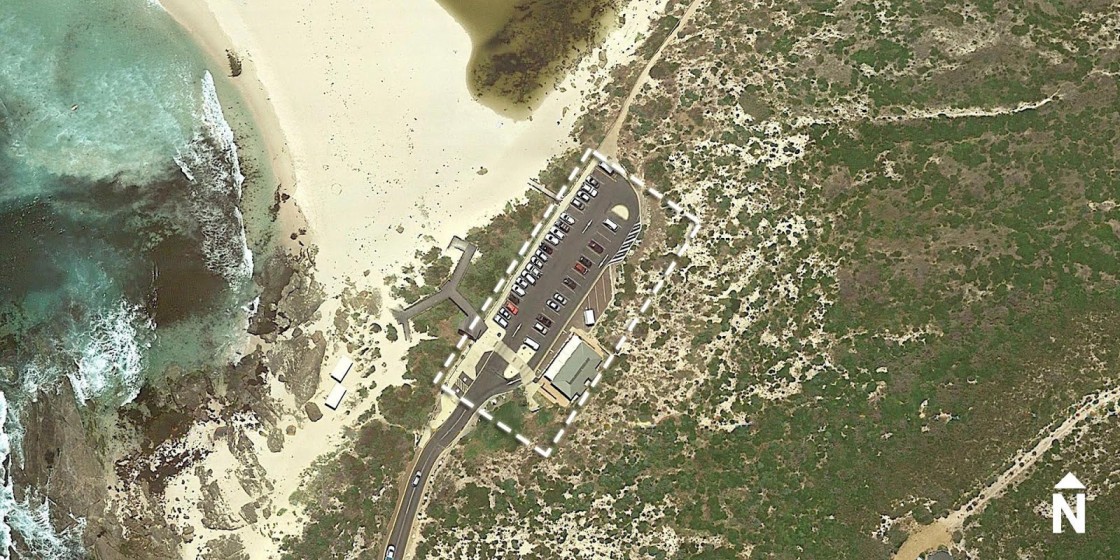
Margaret River is a small town in Perth, Western Australia. It is one of the most visited coastlines in the country, known for its great views along the drive. The stretch has a few viewing spots popping up recently, and parking spots with small shops and basic amenities are being provided to assist the visitors.
The site for this project is the Rivermouth Carpark. It is located at the mouth of the Margaret river along the coast. The area is serviced by the Rivermouth Road that leads to the local communities and eateries around the site. There is a public toilet amenity, existing on the site.
Site area - 2372 sqm
Max permitted built-up area - 50% of the site (No minimum)
Ground coverage - 70%
No setbacks.
No height restriction.
Coordinates - 33°58'17.6"S 114°59'14.8"E
Area Programme
Space must have spaces allocated for 30 RVs to comfortably be parked and operated, communal gathering space, viewpoints, and basic services. These divisions must act as rooms for each RV parked in it. Any other creative addition to the project may be done within the provided space constraints.
