
Care
Challenge to design a daycare and play centre for kids.
Overview
 Fig: 1 - Urban parents busy working weekly (Credits- Timon Studler)
WORKFORCE CONFLICT
Worldwide the percentage of workforce engagement was about 59.7 in the 2016 employment ratio calculation. This number was expected to increase to about 80 per cent by the year 2020. An observed worldwide increase of population that is employed and this number is estimated to increase in the next five years. These numbers are marking a guaranteed growth in terms of the financial and overall development of countries worldwide. The major contribution to these numbers is from the developing and the developed city people. According to the reports of the bureau of labour statistics 2020, currently, in the cities, 97 per cent of families have at least one parent working.
About 64.2 per cent of families have both working parents and their children are left under someone's care. This number is set to rise as we progress towards a more economic centric lifestyle. While care centres form a backbone to this, how can we address this through the lens of spaces, comfort and well-being of the child? Can architecture help in this perspective?
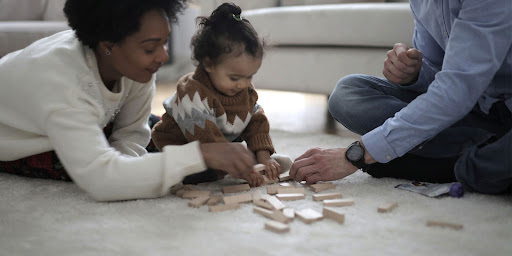 Fig: 2 - Working parents face mental as well as physical challenges to be and care for their kids (Credits- Andrea Piacquadio)
CARE CENTRE FOR KIDS
Even though worldwide numbers depict the positive impression of progress and financial development of such families; it does highlight the limitations and problems it has created for these families. Employment guarantees a high time work week and as a result creates a small time frame for the time spent at home, with family.
Increased work time poses a bigger challenge for the working parents with kids, where they're both unable to be at home for their children for the majority of their day/working time. This concerns them for the wellbeing and safety of their children.
Collectively, this concern calls for a way out for these parents, where they need a space that won't just provide security for their kids in their absence but will also ensure their wellbeing and recreation.
How can a safe care space be created through architectural interventions?
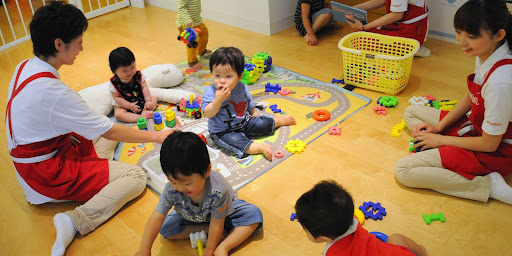 Fig: 3 - Daycares act as a medium between parents and kids for care and development (Credits- the japan times-Satoshi Kawasaki, Tokyo)
BRIEF OF THE COMPETITION
How can we create an environment for these kids which will not just provide them with a temporary home but also something that they cherish?
Is there a way we can re-imagine these care spaces by completely transforming our perception of them?
Brief: The architecture competition brief calls for a design of daycare and play space for the kids of working parents.
The challenge is to use creative means to re-imagine these spaces from the perception of a child.
The aim of the competition is to come up with unique design solutions to provide a 'homelike' environment to the kids. With the space being well equipped for the care and recreation of the child throughout the day in the absence of their parents.
OBJECTIVES
Empathy: Understanding the design needs from a child's perspective.
Safety: The design should ensure the safety and security of the children.
Engagement: Design should include play and recreational spaces that facilitate child engagement.
The following objectives are the point of beginning to the design. Participants are free to conceive the project through their concepts/thoughts.
SITE
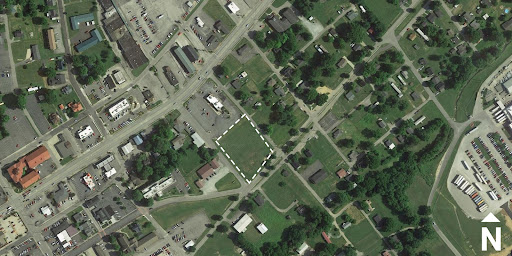
Campbellsville, KY 42718, USA
- Area: 5,869 sq.m
- Height limit: 12 meters
- Maximum Built Up Area: 5,869 sq.m
- Ground coverage: 40%
- Coordinates: 37°20'38.7"N 85°20'16.2"W
Campbellsville is a city in central Kentucky founded in 1817 by Andrew Campbell. It is now a major city that has upcoming commercial and housing complexes. A daycare centre is the need of the hour as many young parents are opting to work.
The site is located in the retail and public sector making it a spot perfect for full-time daycare facilities as well as temporary playtime or care provisions.
AREA PROGRAMME
The programmatic outline is intended for the batch capacity of 50 children. This is recommended for this challenge. The space ideas are as follows:
- Playspaces: 30%
- Care/stay/learning spaces: 40%
- Pantry/kitchen spaces: 10%
- Public gathering/engagement spaces: 10%
- Services and ancillary spaces: 10%
Other additional spaces can be added by the participants as per their design needs.
Similar Competitions
Discover competitions you might be interested in


Design challenge to reuse E-waste

Illustrate the lost glory of Angkor Wat - Render Challenge

Photograph architecture without architects

Challenge to reimagine the Iron Throne