Catalyst
Essay writing challenge: Exploring healing aspects of architecture
Overview
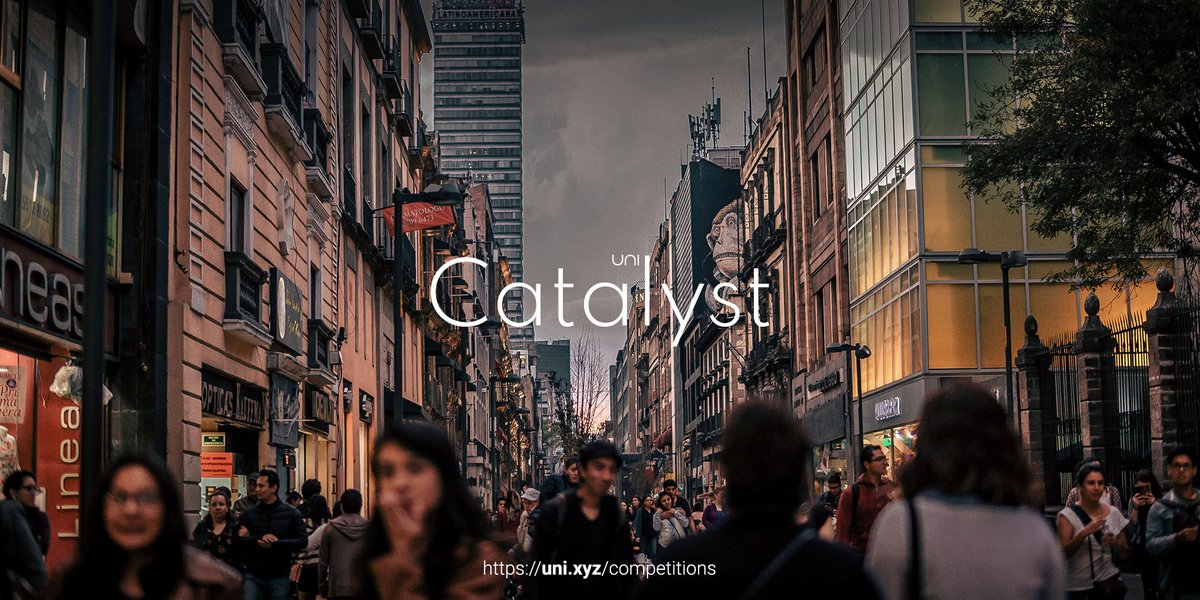
 Fig 1:- Environments and architecture shape our minds and bodies (Credits-Ishan Gupta)
SHAPING ENVIRONMENTS
We shape our buildings and later they shape us - architectural existence for centuries has been situated around the betterment and wellbeing of humanity. Architecture began at the survival stage where its major function was to protect and serve humans through their process of evolution. With time it has developed, transformed and equipped into a multifaceted study that today influences humans beyond just their needs.
Our behaviours, health, temperament - are all influenced by the environment we live in.
Architecture today affects us on physiological and psychological planes. It is constantly affecting the intensity and kind of emotions we create, thus affecting the way we live. The range of this impact is broad and deep, as we all experience architecture everywhere. Considering its effect on us, how can we use it for our betterment, for our healing? Healing is a multilayer process that can be easily carried out through the conscious application of architectural design that promotes healing. Inclusion of spaces and strategies that aid and catalyse this process can be used to make architecture a new way of healing.
QUESTIONS FOR THE COMPETITION
Building on the above premise, write an essay looking at the current situations, as to how architecture can be considered an active agent in the process of healing its inhabitants.
The piece should investigate answers to the following questions; based on real-life experiences or interviews or reasoning built through research:
- What environments do you think are/act as healing spaces that you've experienced?
- How do you think architecture affects us? What of those aspects contributes to our healing?
- How do you define the process of healing? And in what ways do you think architecture can aid that process?
- Can the factors that bring about healing in the inhabitants, be brought into practice through realistic architectural solutions?
- Why do you think there is a need for healing environments? And how is healing through spaces effectively?
- If you had a chance to imagine a space that is specifically created for healing its inhabitants, what major architectural aspects would you include?
- Can healing architecture pave the way for a more mental health-conscious way of designing?
- Considering today's urban mental health issues, how can these healing architectural interventions be applied on a large scale?
- Observing the current trends of building design, what steps should we take as designers to inculcate the 'healing' aspect of architecture into practice?
DELIVERABLES
Participants shall deliver an essay of about 1000 - 1500 words and less than 3 images, in a cohesive piece that answers the above questions and makes arguments based on them. The images need to be ensured that they are copyright-free or you own their rights.