
Concave
Challenge to design a shop stop sunk in the city
Overview
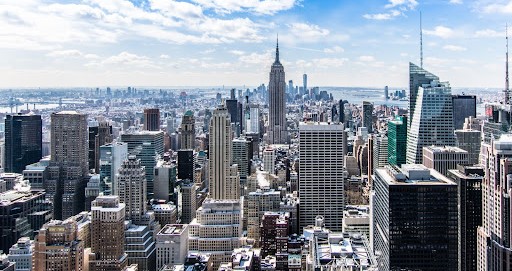 Fig: 1 - New structures are built everyday to accommodate functions of the city
IMAGE OF THE CITY
A city is more than a place in space, it is like a drama that takes place in time. The background is a tapestry of built structures that create the ‘concrete jungle’, as they say. When we envision a city, every urban setting is characterised by its unique skyline. This skyline is the result of building activity that has taken place layer by layer and over a huge stretch of time.
The built fabric of a city has evolved from time to time. At the present, it is a sea of glass and steel megastructures that dominate the views in every city. This is a common language that is replicated in many cities around the world.
Megastructures often start on a clean slate of ground and are built as huge, imposing disruptions to the city’s skyline. In this process, any contextual element on-site is cleared and we start piling our structures on it.
How is the image of the city affected by this form of construction?
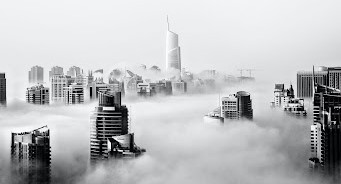 Fig: 2 - Staggering records are created by skyscrapers around the world achieving impossible heights.
ISSUE
Megastructures are human made and built for various commercial, residential or retail activities. Every structure built, aims to become a landmark or conversation piece for its area. So, we keep going bigger and taller to catch people’s attention and glorify the city.
But this blind ambition has resulted in making us oblivious to the natural environment, existing on site. Climate change has presented itself as a consequence of all these actions, threatening our survival. With this, sustainability principles are being adopted in city design and architecture.
Despite everything, our acceptance of land in its original form is lacking. We still built megastructures, but their alienating appearance is damped with greenery incorporated into the design. This is just a cover treatment and we still feel disassociated and askew in its presence.
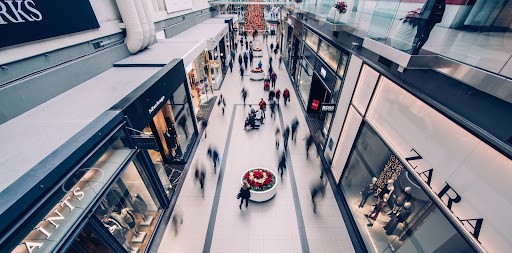 Fig: 3 - As we look above in the city, the scope for ground experiences are unexplored for the public realm of shopping.
BRIEF OF THE COMPETITION
Instead of imitating elements of nature, can we try to mimic natural terrains of location in the design of these megastructures? How can the huge scale of these structures blend softly with landscape, instead of standing as an artificial abomination?
The challenge is to design a market that can be sunken so the building's elements blend into the surrounding context in a form of landscape.
The design must be inspired by undulating landscapes in nature. The building must be built partially below ground level. The design of the centre must have no negative impact on the site. The centre must aim to promote economic activity in a social and sustainable environment.
The aim of the design is to explore ways of creating structures that are mindful of the setting in which they are built. Even though the structure will extend above ground as well, its layout and form must respond to not only the physical terrain but the surrounding context in terms of the vision it creates.
OBJECTIVES
- Harmony: The built form must be able to connect with the people, through its form, layout or spaces. The relationship of the building with the context, both in physical and mental terms must be explored.
- Blend: The blend of the structure with its surrounding must be seamless and not disrupting.
- Balance: Privacy and interaction must be guided in the layout as per the nature of the activity. The aesthetics and functionality must be balanced to create a mix of open, semi-open and closed spaces.
- Context: The design must respond to the (existing) site conditions. The wider socio-cultural, economic and environmental settings are to be considered in the design approach.
Auckland, New Zealand
Auckland is a populous metropolitan area, rich with culture and arts. The city is also rich with natural wonders that make it a famous adventure tourist spot. It is located on a waterfront and has a pleasant, oceanic climate.
Being a major economic, and business centre, the city attracts a lot of sellers and brands. Retail trade is one of the primary employment industries. The market economy strengthens the tourism, commerce and subsequent standards of living in the area are higher.
SCALE
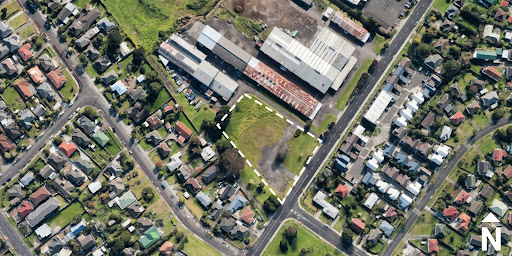
Auckland, New Zealand
The site is in the neighbourhood of Mount Roskill with primary access from Mary Road. The surrounding area consists of residential settlements on one side and commercial establishments on the other. The location has an ideal mix of activities for attracting visitors to this unique typology.
Site area: 6342 sq.m
Height restriction: 6 metres (above ground) and -10 metres (below ground)
Maximum FAR: 1
Coordinates: 36°54'44.8"S 174°43'52.8"E
Setbacks (as per CAD plan)
PROGRAMMATIC OUTLINE
The following programmatic outline is the point to begin your design at. You can add more functions and activities in relevance or modify the below design programme.
Spaces for shopping: Stores to be provided for 100 businesses (local and global)
Spaces for recreation: Movie theatre, gaming centre, restaurants and cafes, spa

