
Down Below
Challenge to reuse urban voids for participatory public spaces
Overview
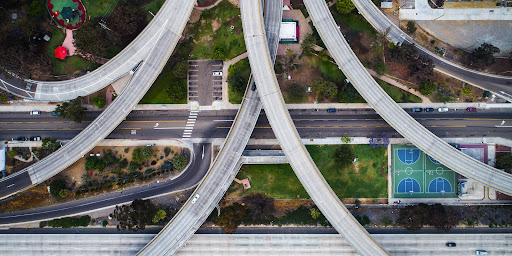 Fig: 1 - Road infrastructure has formed land parcels that not only are increasing in numbers but also can’t be used for living or major needs
UNUSED VOIDS OF ROAD INFRASTRUCTURE
Built infrastructure and particularly road infrastructure is constantly and rapidly changing in our urban landscapes. An increasing number of cities across the world are beginning to employ elevated corridors such as metro lines and flyovers to ease the transportation burden of the large urban population.
These large structures that hang over the streets of the city are rapidly affecting the image of our city. More alarmingly, these elevated passages are changing our urban communities.
While they facilitate transport, down below they leave behind fragmented cityscapes caused by the dead spaces they create in their shadows.
These spaces are underutilised and often neglected and separate parts of the city. But what if these spaces could hold meaning to the communities that live around them?
What if these spaces could connect the parts of the city it has unwittingly divided?
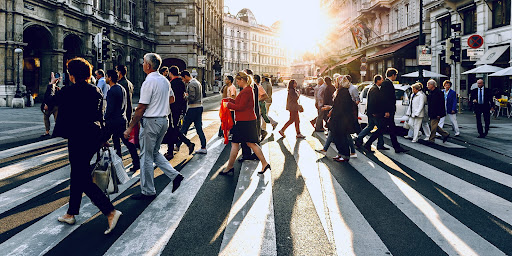 Fig: 2 -How can we improve urban conservation?
PUBLIC PARTICIPATION
As infrastructure in our urban spaces creates more divisions in our urban spaces, populations tend to grow increasingly distant and localised.
Yet for a healthy urban community that makes the most of the city's inherent diversity, there must be opportunities for the community to interact and hold meaningful exchanges.
This need is often met by the creation of valuable public spaces. Public spaces draw various individuals for a host of purposes in varied forms. Together with the inhabitants of space form both passive and active interactions that help strengthen the interpersonal relationships amongst each other.
This interaction is further enhanced by active participation by the users of the space.
When we create opportunities for the public to temporarily assume agency in space- we create opportunities for stronger, more meaningful interactions.
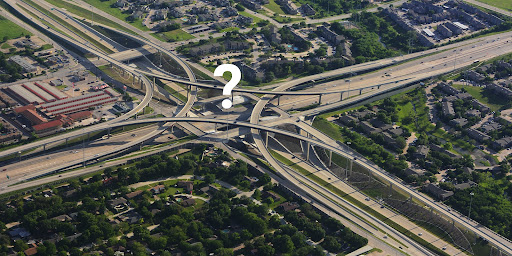 Fig: 3 - What would a rejuvenated urban void do to its community?
BRIEF OF THE COMPETITION
Prevailing urban policy regarding infrastructure may change in the future, but for the present, the reality is that our cities are indeed rife with underutilised spaces often under elevated corridors.
The challenge here is to ideate and develop a participatory public space design in urban voids where users can interact and engage and in turn strengthen community relations.
The design may manifest as a number of smaller interventions in the given site that work together to create a cohesive experience or be a single intervention that encourages participation on a larger scale. You may draw inspiration from existing attempts in the field of participatory public spaces but attempt to make it relevant to the cultural and community context of the given site.
Owing to its public nature, attempt to make your design accessible and durable for larger audiences to interact with.
OBJECTIVES
- Envision: What are the opportunities that spaces under elevated corridors can afford to urban communities
- Ideate: What participatory models can be employed for better community engagement
- Design: How does the design respond to the context of the site as well as the cultural roots of the community.
- Interact: How do the space and its intervention work to foster better public interaction?
SITE
The chosen site for this project is located in San Luis Potosi, Mexico. The site is a small section of the area under the flyover that is adjacent to a statue of Glorieta Benito Juarez.
While roads are wide the area under the flyover can be accessed by pedestrians using the space to cross across to different sections around the flyover. Predominant surrounding land use is commercial in nature however there is the housing only a short distance away.
Feel free to make use of the columns of the flyover but ensure to maintain adequate road safety in your design.
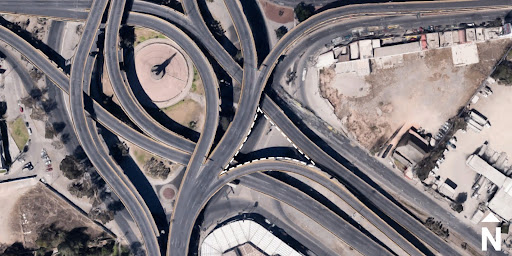
- Coordinates: Maps
- Site Area: 560 sqm
- Maximum FAR: 1
- Ground Coverage: 10%
- Height Restriction: 4 m




