
Eco a la mode
Challenge to design a museum for sustainable fashion
Overview
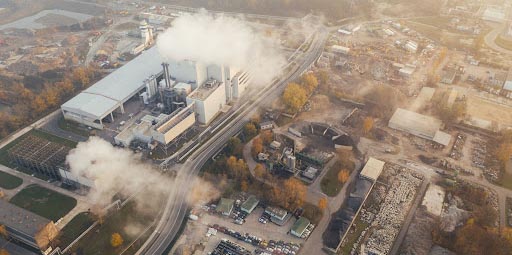 Fig: 1 - Day by day, we inch closer towards the doom and gloom presented by the climate change threat in the 21st century.
FASHION INDUSTRY AND ITS ENVIRONMENTAL FOOTPRINT
Fashion can do a lot, it can reveal society’s aspirations and values from a particular time. The power of the fashion industry affects the daily life of people, and its widespread reach is used to influence society. The environmental footprint of the fashion industry has always been enormous and with climate change putting the pressure to change its ways, new trends of sustainability are coming up.
But ‘sustainability’ is an umbrella term and the efforts taken by brands are minimal, beneficial to their status quo alone. Much of the industry is claimed to be greenwashing their campaigns and the efforts remain inadequate. The fashion industry is responsible for 10% of the carbon emissions produced by humans, 2nd largest consumer of the world’s water resources and the biggest pollutant of oceans with microplastics. The waste produced by this industry has flooded the landfills degrading the environment.
How can the fashion industry actively partake in the fight against environmental destruction?
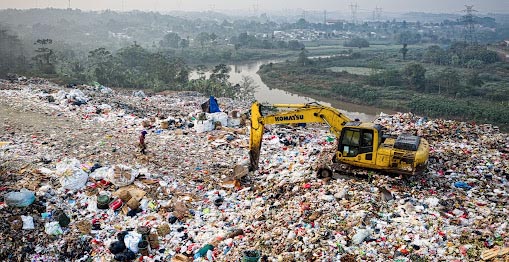 Fig: 2 - Fashion industry plays a huge part in contributing to the deterioration of nature with unlimited resource exploitation and incompetent waste management.
PROMOTION OF SUSTAINABLE FASHION
Now that we are faced with the real consequences of our actions over the years, the fashion industry has started to pick up its slack and push the industry and its operations on a sustainable path. New technologies like 3D printing, bioengineering solutions, advanced material use and so on are being explored to this effect.
But these movements are obscure and exclusive, requiring a global platform to be shared and documented as part of the evolution of the fashion industry. Promoting this trend and responsible production processes into a movement can create a significant change to the quality of the environment over the world.
Fashion is an art of dynamic nature fundamentally opposite to the timelessness and depth of history of a museum. Museums exhibit collections of humanity’s creativity, explorations and endeavours and their grandeur can be used to contribute to meaningful matters of society. Can we showcase the sustainable transformation of the fashion industry in such a powerful place?
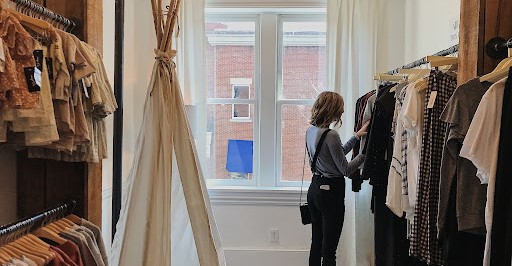 Fig: 3 - Sustainable fashion can pick up when it reaches the customer efficiently.
CAN WE DESIGN A PLATFORM THAT CAN EXHIBIT AS WELL AS TEACH SUSTAINABLE FASHION?
Brief: The challenge is to design a sustainable fashion museum that showcases the innovations in the fashion industry as well as performs as a centre for learning for young professionals.
The museum will be a combination of exhibition and collaborative learning spaces to create a holistic fashion centre. The structure must be demonstrative of sustainability similar to its interior function. The aim of the challenge is to promote the leaps being taken by fashion designers to create eco-friendly products and sustainable clothing lines. The inventive biotechnology being explored in the industry can be displayed and used to highlight a statement, promoting green fashion. How can the outdated concept of museums be revamped to match the pace of upcoming fashion trends? What components of a fashion house can be infused into the museum design? Do museums have the ability to promote ideologies effectively?
OBJECTIVES
Landmark: The visual impact must be exemplary with standout features to become a catalyst to create awareness.
Balance: Between a human-centric and a techno-centric solution for the modern consumer.
Aesthetics: The design of the structure must create an identity, a bold statement to support the revolution of green fashion.
Sustainable: Reduce the negative impact of design on the environment, by improving building performance, reducing waste and ensuring comfort for occupants.
Context: The design must respond to the (existing) site conditions. The wider socio-cultural, economic and environmental settings are to be considered in the design approach.
BARCELONA, SPAIN
Barcelona is a seaside city, with a rich art and architecture landscape. The cosmopolitan city is rooted in culture and heritage, with a wide range of classics and modern trends. It is also a major fashion centre.
From textile warehouses, fashion shows to modern homes of fast fashion trends, the city has it all. The influential position of the city is now being used by designers to propagate contemporary trends of green fashion. It is a hub of experimenting and out-of-the-box thinking eco-fashion brands making bold environmental statements.
SITE
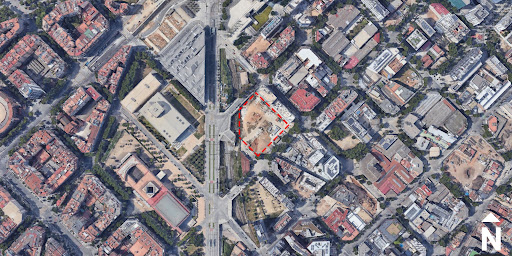
Barcelona, Spain
The site can be accessed via the C. de Bolivia Road, perpendicular to a metro rail line. It is located in the El Parc I la Llacuna del Poblenou which includes cultural architecture and the Barcelona Design Museum. The lively streets surrounding the area host pedestrian hotspots such as boutiques, bars and pubs making the site a prime location in the city.
Site area = 9833 sqm
Height restriction = 12 metres
Max FAR: 1
Ground coverage = 50%
Setbacks (as per CAD plan)
Coordinates = 41°23'59.9"N 2°11'17.1"E
AREA PROGRAMME
The following programmatic outline is the point to begin your design at. You can add (or edit) more functions and activities in relevance or modify the below design programme.
Gallery and Exhibition spaces (permanent display and live shows) ~ 400 sq.m
Ballroom (exclusive preview shows) ~ 200 sq.m
Learning Centre (studios, workshops, multimedia room, library) ~ 300 sq.m
Administration (offices, record room, care staffroom, security staff, lockers) ~ 150 sq.m
Preservation and Storage (for fashion pieces) ~ 100 sq.m
Areas for social spaces like courtyards, gardens, open-air theatre and cafeteria can be designated by the participant.
