
Ecosphere
Design an urban park to elevate the quality of neighbourhood
Overview
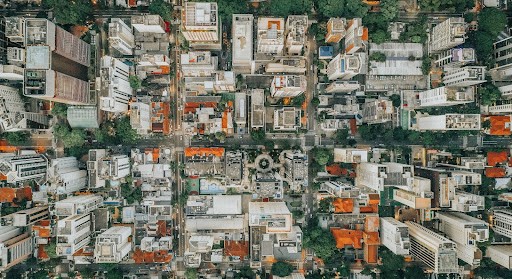 Fig: 1 - Greenery is found in the nooks and crannies of dense urban cities.
PREMISE
Our connection with nature in urban settings is complex, yet we try to seek out greenery as we move through it. Urban parks play the role of punctuating the built fabric of a city with green landscapes.
City parks are public assets, accessible to all sections of society, promoting gatherings and community value. Health, psychological well-being, land value, equity, living standards… everything peaks around a park. City is a compound system, and urban parks are capable of influencing not just social, but economic and environmental aspects of a region.
Urban parks are commonly seen in developing economies in the world. These infrastructure items require massive funding, and its viability is measured against its social benefits only, and so, parks become an unnecessary luxury for dense and maturing cities, a futile expense.
Are parks commodities that only rich cities can afford to have?
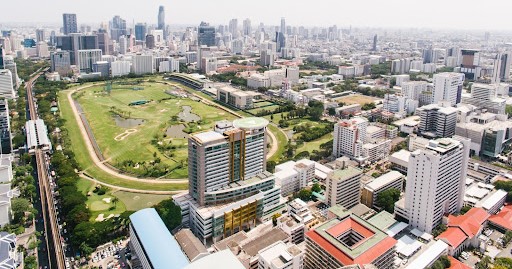 Fig: 2 - Luxurious city parks are limited in number and its effect is accumulated in a single location.
ISSUE
The capacity of urban parks to contribute to environmental well-being and its direct economic impact on city investments is partially explored. The role of an urban park is far more than being just the ‘lungs of the city’. Advantages like pleasant viewscape, reduction in air pollution and heat island effect in the area are recognised, but its application in water systems and biodiversity reveals bare effort.
Contrary to the belief that parks are huge water consuming systems, it can instead be enabled to manage stormwater, filter water, cool winds, and even mitigate flooding in cities. Biodiversity can be used to revive species of flora and fauna as well as enhance microclimate.
These measures increase the monetary value of a park by protecting the infrastructure of the city and its inhabitants from the negative consequences of climate change and natural disasters.
Can we create a new type of urban park that integrates nature into dense cities?
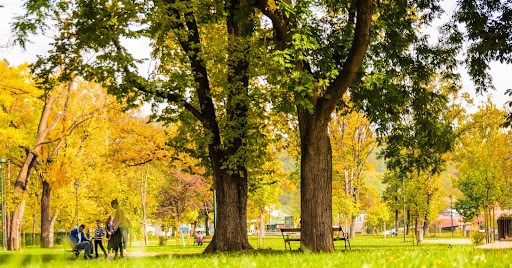 Fig: 3 - Green areas in dense neighbourhoods are essential to maintain the microclimate and fulfill locale requirements in the area.
BRIEF OF THE COMPETITION
The challenge is to design an urban park to increase biodiversity and water retention in the area. Socio-economic value of the park must also be enhanced.
The park design must make sustainable use of water resources available in the region and influence the microclimate to reduce pollution. The design of the park must take the site conditions and city elements into consideration.
The maintenance of the park must require minimum effort and resources. It must be accessible to all visitors for leisure, recreation or even assistance in income-potential activities like community gardening or treatment and storage.
The aim of the design is to understand how an urban park can become the most efficient system, even in dense urban settings. A new way of accentuating park features with minimal economic investment must be achieved. Certain design elements must be capable of being recreated in vacant plots all over the city.
OBJECTIVES
- Water system: The site has a tropical dry climate and so the water levels are varying with floods and scarcity. Design must incorporate water management systems for this.
- Biodiversity: The city is rich in flora and fauna and these species must be incorporated.
- Public function: The park’s social attributes must be developed to promote interaction, gathering for events and businesses and so on.
- Harmony: The design must establish some harmony or connection with the surrounding while having outstanding features.
- Context: The design must respond to the (existing) site conditions. The wider socio-cultural, economic and environmental settings are to be considered in the design approach.
- Sustainable: Reduce the negative impact of design on the environment, by improving building performance, reducing waste and ensuring comfort for occupants.
SITE
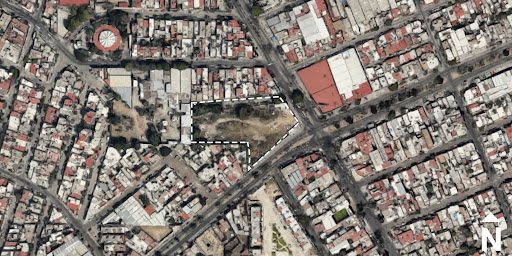
Guadalajara is the second-largest city in Mexico with more than 10,361 people per square metre. This high density makes the city an important center for science, finance, culture and so on. But on the other hand, it has led to problems in infrastructure access for most people.
Parks and green areas are concentrated in only some parts of the city, while others remain deficient. The site is located in the dense neighbourhood of Santa Maria. The site can be accessed by Juan Pablo II Road, surrounded by mixed neighbourhoods with commercial establishments and residential houses. The location is ideal for inserting a green landscape in the dense urban area.
- Coordinates = 20°41'18.3"N 103°19'13.3"W
- Site area = 6163.07 sq.m
- Maximum FAR = 1
- Ground coverage = 30%
Setbacks (as per CAD plan)
Ground Coverage refers to the ratio of maximum allowed solid/permanent footprint on the site to balance the built and unbuilt spaces. You can utilize the other 70% of the site for any temporary intervention/recreation.




