

Feel the Music
Challenge to design a musical space for the deaf
Overview
 Fig: 1 - Music is an integral part of our communities, and has the power to affect us, everyone.
MUSIC A UNIVERSAL LANGUAGE
Most of us have grown up with Music. Right from when we are born it is present in our homes, in our surroundings, in our transportation and we even create dedicated spaces where one can visit and enjoy musical performances. Yet music is the stimulation of a very specific human sense- listening.
Quite simply speaking music is the channelling of sounds in various patterns to incite emotions. If we further break this down a sound is merely vibrations. The speed and amplitude of these vibrations determine a majority of the sounds we hear. These sounds are received by our ears and translated to our brains.
But there are many people in the world for whom this chain of reactions is incomplete. For these individuals, the music gains new meaning. While we hear music, they take it in by feeling.
So what if we could create spaces for music that explore the world of sensory stimulation making music and its performances more accessible?
 Fig: 2 - The deaf listen to music through vibrations, they feel the excitement of music like everyone does
FEELING MUSIC
Deaf theatre is not a new practice. In fact, it has been a part of our history for decades. Initially, these spaces were created for deaf individuals to perform for deaf audiences. Today even individuals who can hear can experience these spaces.
Music and musical spaces more specifically have seen fewer strides in inaccessibility. While there are performers and spaces that do cater to the deaf community they are few and far apart.
As we attempt to create a kinder, more accessible and egalitarian world for our future it may be important for us to consider the designs and opportunities we can channelise to create spaces where people can enjoy music despite physical limitations.
How can we begin to imagine and design spaces where music is not just heard but also felt, visualised, perhaps if we are creative enough even tasted and smelt?
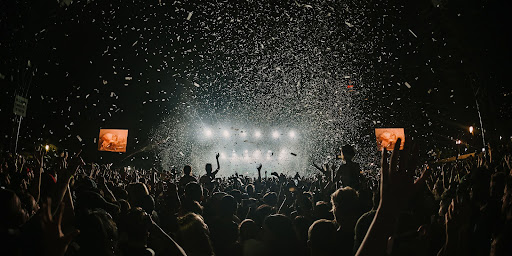 Fig: 3 - Design a theatre space for the deaf
BRIEF OF COMPETITION
In a world where technology has created unprecedented opportunities to make different experiences more accessible it may be valuable to consider how we can harness these technologies and create spaces that are more universal.
The challenge here is to create a space for music for the deaf whereby with the use of technology music is not just heard but also felt.
A space here through the means of sensory stimulation music is made more accessible. The design need not be a formal space but a more accessible and well-equipped space where music and theatre can be experienced by all. You must consider the different sensory experiences that are related to sound and how they are experienced by both individuals with hearing and those without.
It also might be valuable to consider that even in deafness there are various levels at which people can or cannot hear. Your design may draw inspiration from existing musical performance space typologies or attempt to imagine new experiential designs altogether.
OBJECTIVES
The designed space must consist of seating for a maximum audience of 200 people.
- Identity: How does the design reflect on the theme of the project?
- Functional: The design must be a functional space for both the audience and the performers.
- Engage: How does the design allow public engagement with the theme even when not in use for concerts/theatre
- Stimulate: How does the design use various senses to enhance the musical experience for different individuals.
SITE
The chosen site is located in Cape Town, South Africa. The site is located near the Cape Peninsula University of technology so any design solution must make efforts to control noise. Apart from the institute, the surrounding land use is largely mixed-use.
Cape Town is the second-most populous city in South Africa and has a warm Mediterranean Climate. It was developed by Dutch settlers and thus had existing European influences in architecture.
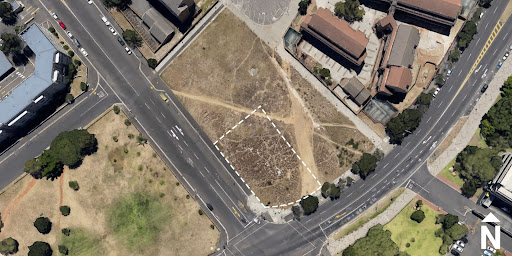
- Coordinates: Maps
- Site Area: 1072.5 sqm
- Maximum FAR: 0.75
- Ground Coverage: 20%
- Height Restriction: 6 m
Setbacks as per CAD plan
Similar Competitions
Discover competitions you might be interested in



Bring back Drive In's


Challenge to design an urban locus of culture and heritage


The Global Benchmark for Graduation Excellence


The Global Benchmark for Architecture Dissertation Awards
