
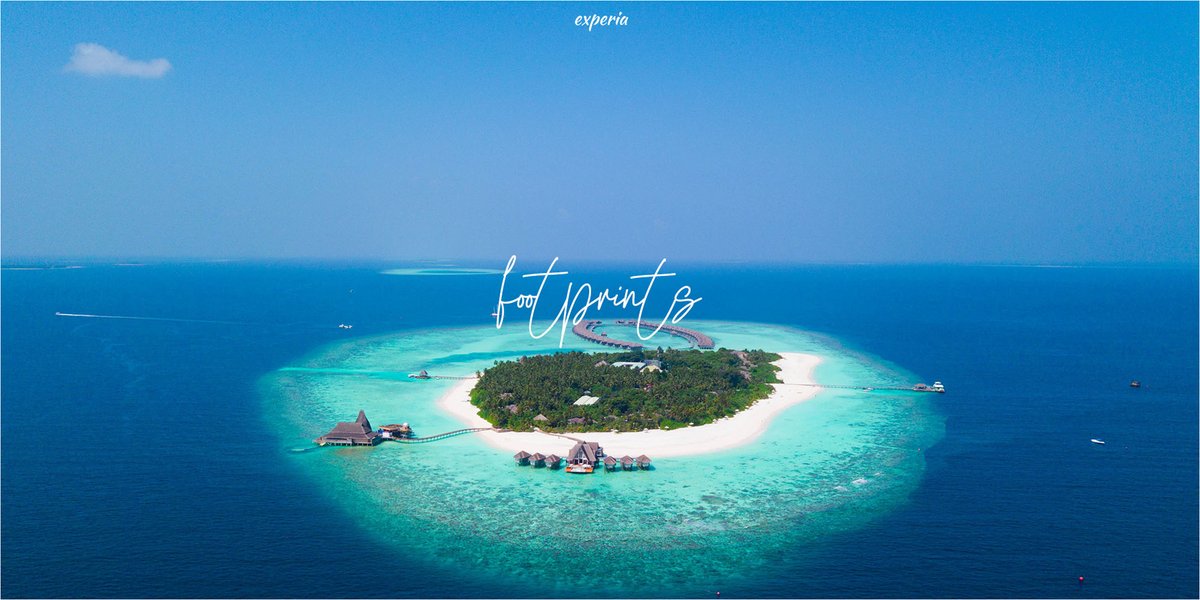
Footprints 2020
Designing Tropical Retreats- A holistic Approach
Overview
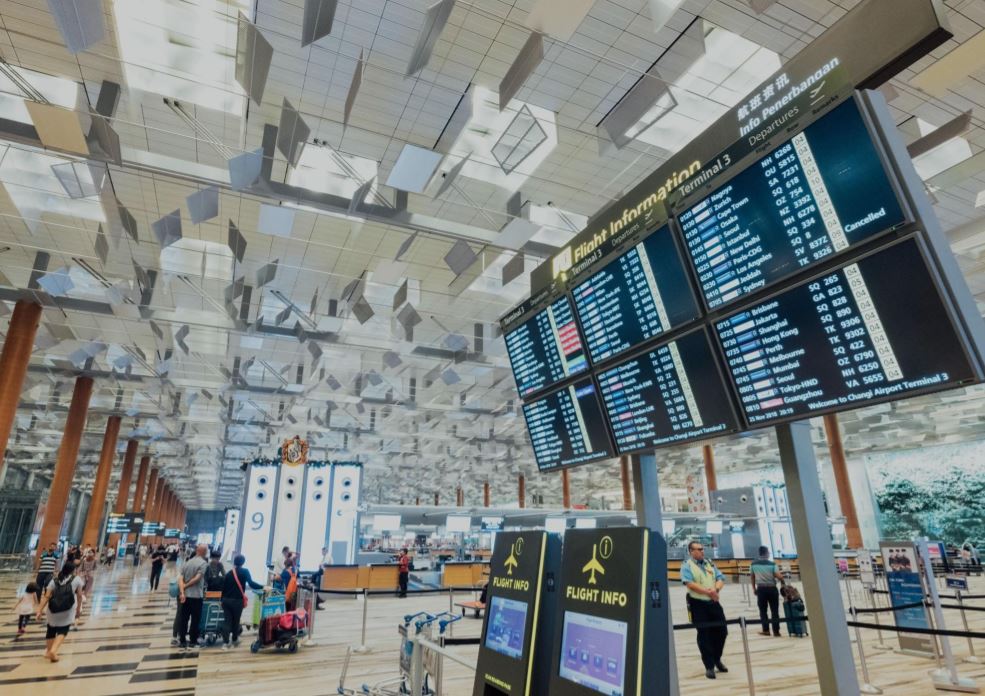
Img 1: Image representative of the increase in global mobility.
Global Tourism
With an increase in global mobility, travel is no longer seen as a luxury and has grown to become easily available and accessible to a larger part of the population. Numbers recorded 25 million tourist arrivals in 1950 (globally). In 2018 this number read 1.4 billion international arrivals per year. This is a 56-fold increase.
As one of the world’s fastest-growing industries, tourism is an increasingly important source of employment for many countries. Employing over 200 million people worldwide, it is one of the top three contributors to economic development, and a primary source of foreign exchange, employment, and cash.

Img 2: Image representative of the global phenomenon of mass tourism in the 21st Century.
Impacts of tourism
Seen in fair light for a long time, only the positive economic impact of travel had been in focus. However as the number of tourists rose dramatically and Mass Tourism became a global phenomenon, in the 70's and the 80’s a combined consciousness regarding the interrelationship between the economic, social and environmental impact of the tourism industry came into being.
Global impacts of climate change, coastal urbanization, biodiversity loss, fossil fuel consumption, disease transmission, and cultural commoditization, were and still are among the more contentious tourism issues in media.
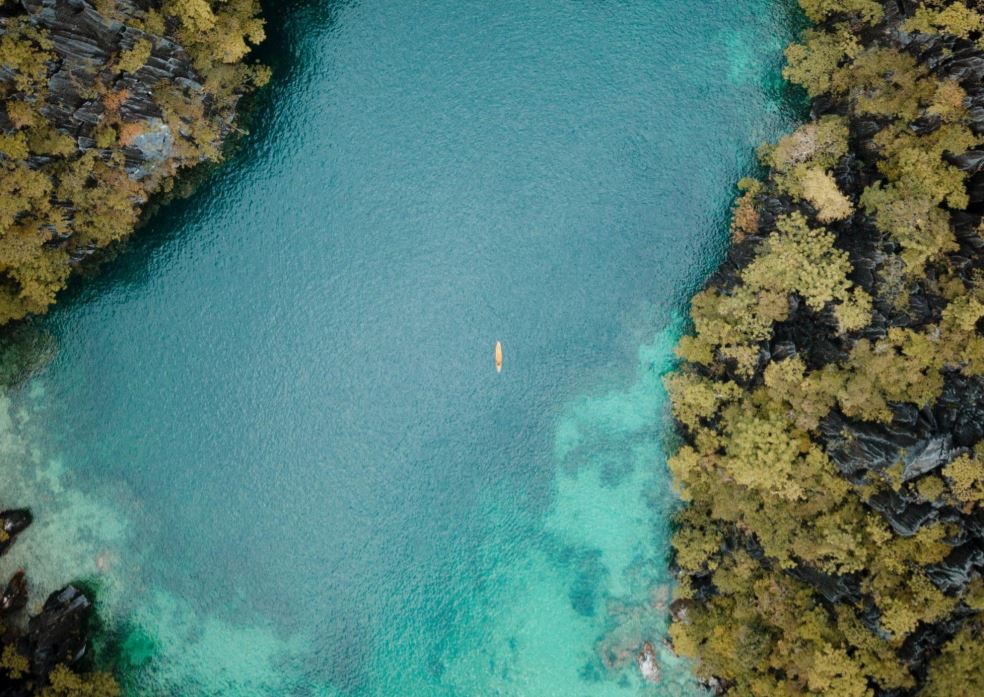
Img 3: Image representative of travellers seeking pristine environments and exotic cultures.
Mass tourism effect
Looking for pristine scenery and exotic cultures, the number of tourists wanting to explore protected areas and rural communities are continuing to rise. Tropical regions record the biggest growth.
As extremely important habitats these regions often are the last refuge to many endangered species. The tiniest bit of uncontrolled disturbance can have potentially disastrous consequences.
Hence, even though nature-based ecotourism seems like it might have a lower impact than typical mass tourism, the ground reality is that its reach has a stronger hold, and mostly can be seen even beyond the ecological including the socio- economic sector as well.
However, 60% of global travellers are willing to go out of their way to reduce their impact.
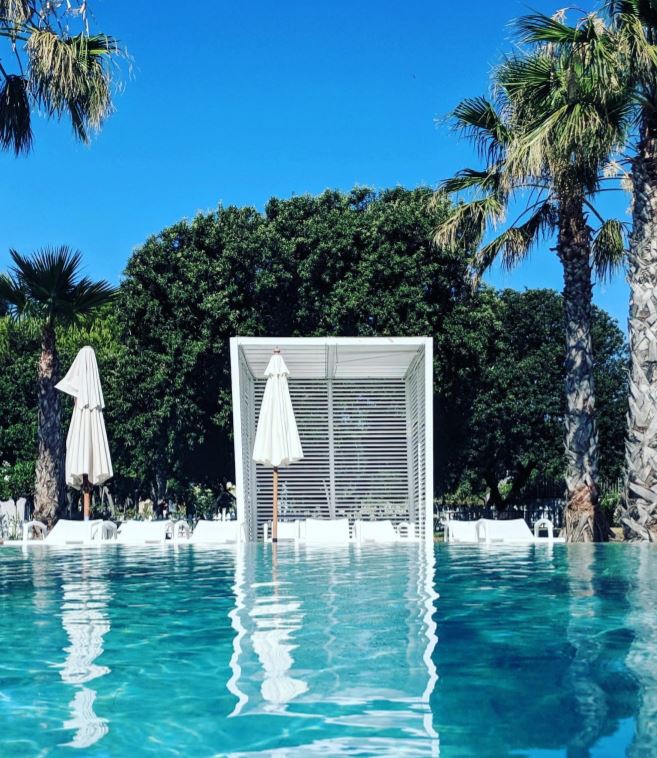
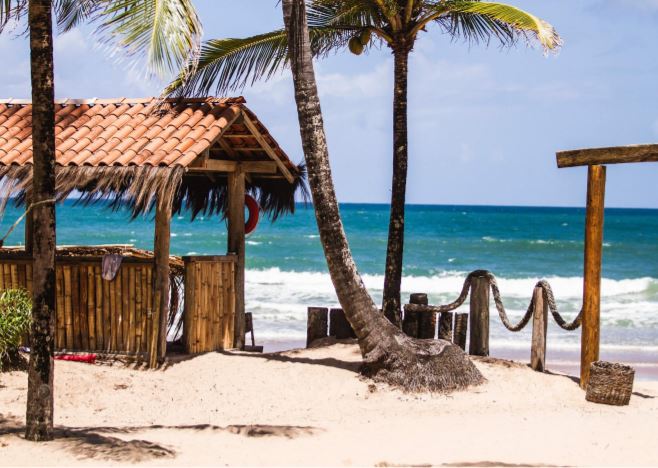
Img 4: Image representative of an example of resource efficiency.
Brief of the competition
While tourism no doubt plays a vital role in global and local economies, it also has an ever-lasting impact on the global and local environments as well.
How do we adapt the concept of sustainability to the design of the built environment? How do we create and manage a healthy built environment based on ecological and resource efficient principles? How do we try to limit the impact of the of the built environment on its surroundings?
Design challenge: Develop a solution for a tropical Eco- Resort, with the ultimate goal of restricting the impact of the built form to an absolute minimum.
Objectives
Context: Solution relies on locally available resources, on the immediate environment and on identifiable needs.
Form and Materiality: Apply form and materiality that is culturally and climatically appropriate even if unconventional.
Balance: Environmental, economic and social sustainability.
Low Impact: Environmental, economic and social sustainability.
The following objectives can be a point of beginning to conceive this design. Participants can assume their own contexts and users before initiating their design process.
Programmatic Outline
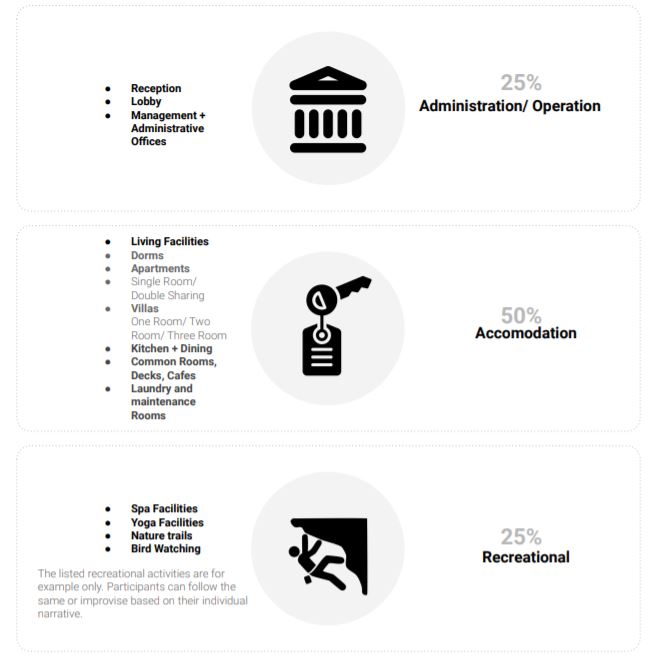
The following programmatic outline intended to host 250 guests at a time is recommended for this challenge. Participants are recommended to craft a schematic programme based on these given segments or they can propose something new altogether.
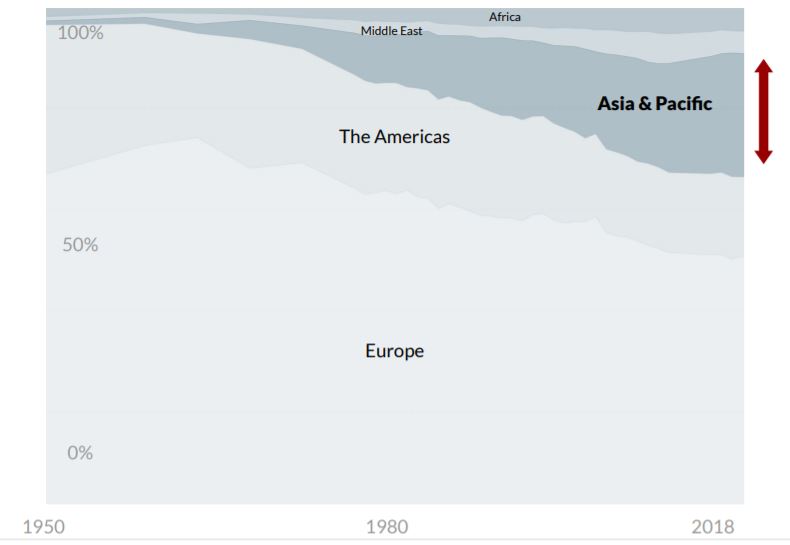
Img 5: International Tourist Arrival by World Region.
Asia and the Pacific
Increased connectivity, easier access to information and a thirst to explore different cultures has drastically changed travel trends over the past few decades. From Europe to Asia and the Pacific, a dramatic shift can be seen in the choice of destination.
In 1950, Europe saw two thirds of global travellers, as opposed to Asia and the Pacific seeing very little. Two years ago, every fourth tourist was estimated to arrive in the region.
Source: Our World in data_ Tourism
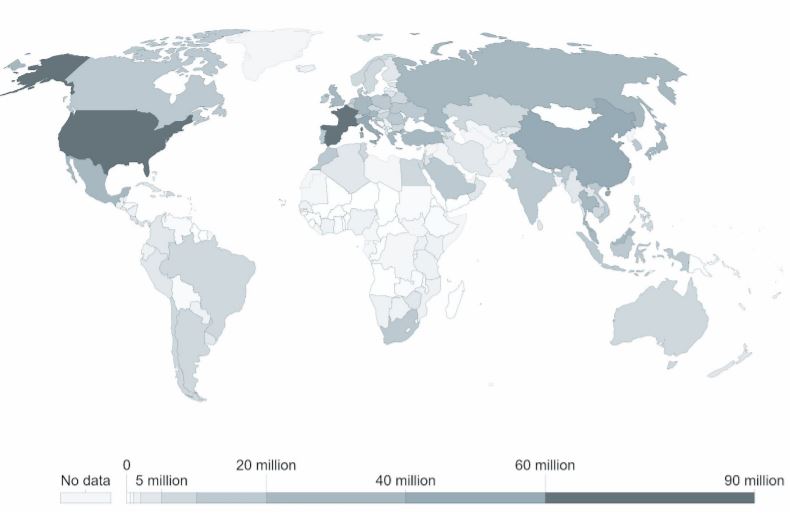
Img 6: International Tourism- number of arrivals in 2016.
Context
CHINA, Hainan Province
China’s only tropical province, Hainan has grown to be the largest Special Economic Zone and the most frequented tourist destination in the country, however the regions GDP makes it the fourth smallest economy in the world. Showing unprecedented growth since the economic reforms of 1978, Hainan is seeing a subsequent down turn and has embarked on an ‘eco-province plan’ that focuses on reducing unwarranted damage to the environment in the face of development.
On the other hand, targets have been set to expand its international tourism sector, working towards an underlying goal of hosting two million foreign tourists by 2020.
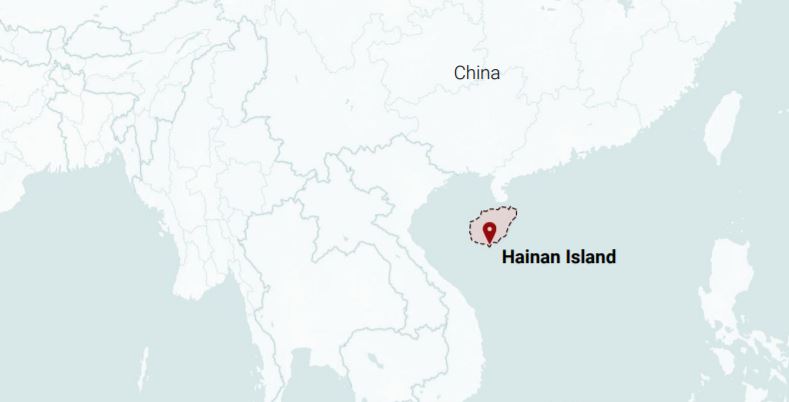
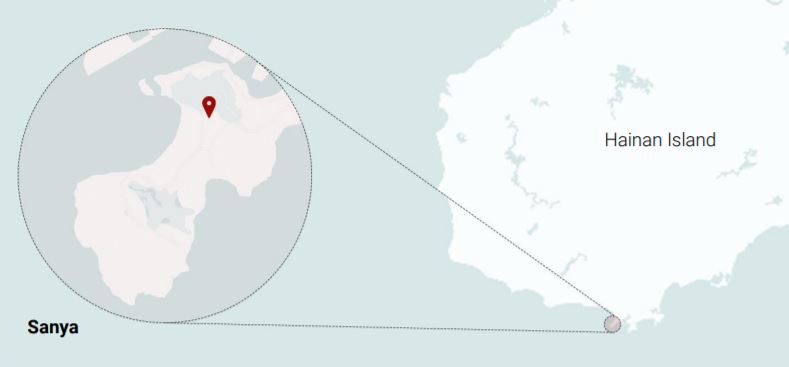
Img 7: International Tourism- number of arrivals in 2016
SANYA
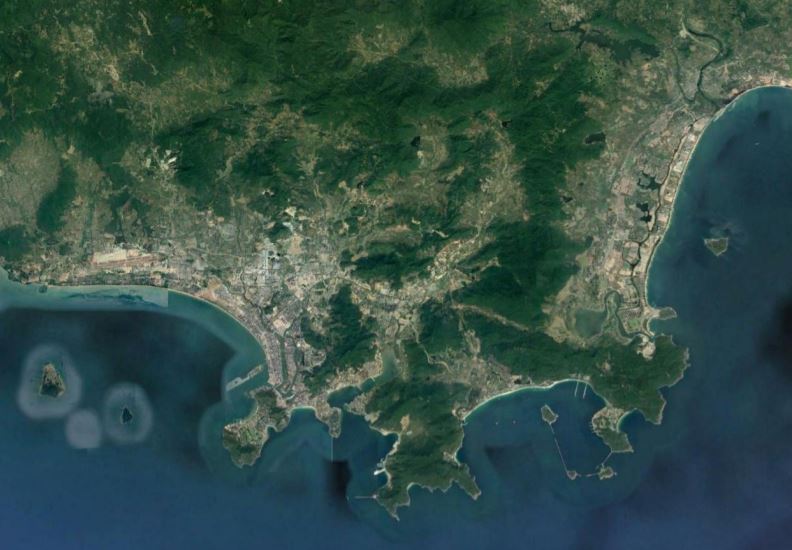
Tourism has been an effective way promote economic growth for coastal areas in developing countries. At the southern coast of Hainan Island, Sanya saw unprecedented growth in infrastructure development.
However a rapid, unchecked increase in tourism infrastructure led to a dramatic change in land use patterns, landscape fragmentation, vegetation degeneration, and coastal erosion.
Records show that from 1991 to 2007, farmland and forestland decreased by 15% and 29% respectively; on the contrary, construction land and orchard increased by 242% and 258%.
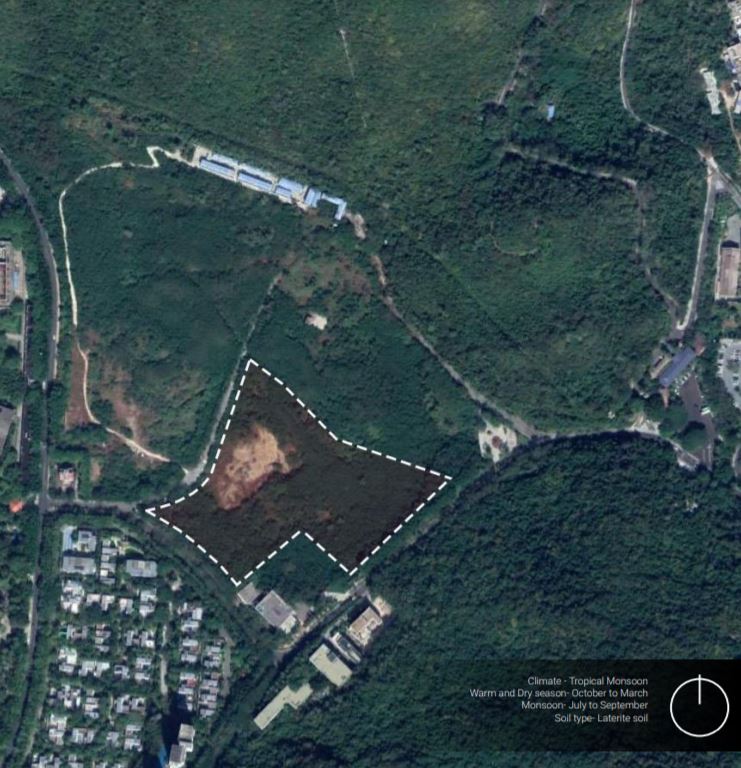
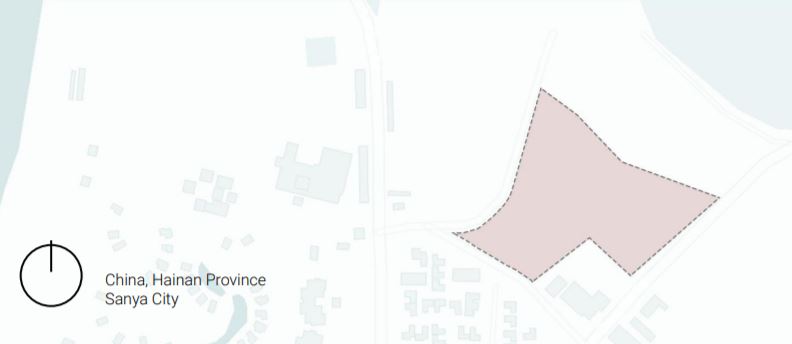
Img 8: Image representative of site boundaries.
Site Plan
Located at the junction of Nanbianhai Road and Luying Road, the site is in close proximity to the Nanbian Hai Fishing Village and the Sanya Port; at the heart of Sanya, peaceful, laid back and desperately clinging on to the charms of a bygone era.
Landscape | Native Vegetation | Native Wildlife
- FAR: 0.1
- Site Area: 39,785 sqm
- Coordinates: 18°13'09.9"N 109°30'06.3"E
Judging Criteria
The entries will be judged by an international jury of the competition on the following criterions:
Presentation: The fundamental to a good entry is a good presentation.
Concept/Idea: Quality of thought and intent in pre-design phase.
Spaces/Programme: How the spaces are calculated and ordered.
Design Outcome: The final architectural outcome of the solution.
The judging panel can also add other criterions based on their internal discussions - which will be in line with the problem statement. Participants are advised to fulfil above given criterions first in their design.
About Experia
Experia serves as a part of UNI in the realm of experience based architecture and tourism. As worlds becomes a place of experiences than belonging, Experia envisions a future where tourism is designed more intentionally and architecture becomes a part in shaping it. It intends to break the fusion of traditional design barriers and methodologies by making it a platform for experimentation. It embarks on mobilizing ideas where creators can elementally question the buildings we create. It is a research initiative dedicated to providing opportunities for designers from all domains to explore ideas that go beyond the restrictions of usual architectural discourse.
Queries: support@uni.xyz
Discover other competitions: https://uni.xyz/competitions
Facebook: https://www.facebook.com/unixyzglobal/
Instagram: https://www.instagram.com/uni.xyz/
Discover FAQ’s about this competition on our help forum here: http://help.uni.xyz/
Similar Competitions
Discover competitions you might be interested in



Healing places through music.


The Global Benchmark for Architecture Dissertation Awards

