
Footprints
Challenge is to design a tropical eco-resort
OVERVIEW
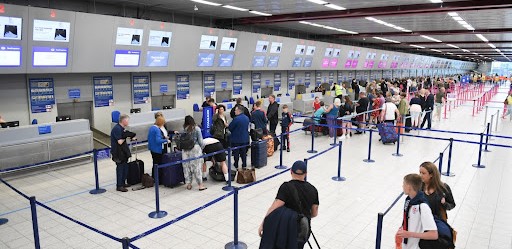 Fig: 1 - A global mobility representing image
TOURISM
With an increase in global mobility, travel is no longer seen as a luxury and has grown to become easily available and accessible to a larger part of the population. Numbers recorded 25 million tourist arrivals in 1950 (globally). In 2018 this number read 1.4 billion international arrivals per year. This is a 56-fold increase.
As one of the world’s fastest-growing industries, tourism is an increasingly important source of employment for many countries. Employing over 200 million people worldwide, it is one of the top three contributors to economic development, and a primary source of foreign exchange, employment, and cash.
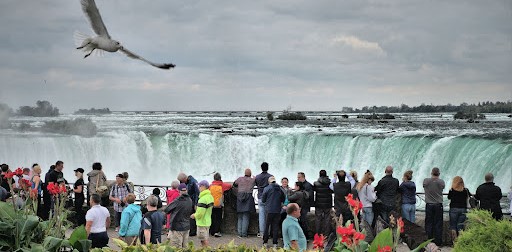 Fig: 2 - Image representative of the global phenomenon of mass tourism in the 21st Century.
TOURISM ISSUES
Seen in fair light for a long time, only the positive economic impact of travel had been in focus. However as the number of tourists rose dramatically and Mass Tourism became a global phenomenon, in the 70s and the ’80s a combined consciousness regarding the interrelationship between the economic, social and environmental impact of the tourism industry came into being.
Global impacts of climate change, coastal urbanization, biodiversity loss, fossil fuel consumption, disease transmission, and cultural commoditization, were and still are among the more contentious tourism issues in media.
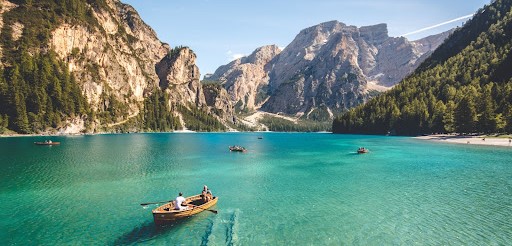 Fig: 3 - Image represent an exotic culture and travellers
TOURISM IN TROPICAL REGION
Looking for pristine scenery and exotic cultures, the number of tourists wanting to explore protected areas and rural communities are continuing to rise. Tropical regions record the biggest growth.
As extremely important habitats these regions often are the last refuge to many endangered species. The tiniest bit of uncontrolled disturbance can have potentially disastrous consequences.
Hence, even though nature-based ecotourism seems like it might have a lower impact than typical mass tourism, the ground reality is that its reach has a stronger hold, and most can be seen even beyond the ecological including the socio-economic sector as well.
However, 60% of global travellers are willing to go out of their way to reduce their impact.
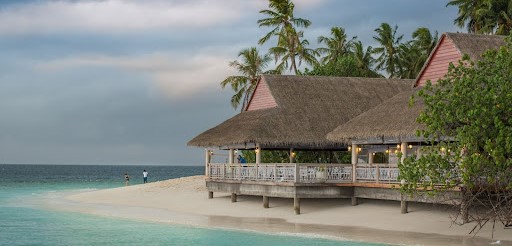 Fig: 4 - Image representative of an example of resource efficiency.
BRIEF OF THE COMPETITION
While tourism no doubt plays a vital role in global and local economies, it also has an ever-lasting impact on the global and local environments as well.
How do we adapt the concept of sustainability to the design of the built environment? How do we create and manage a healthy built environment based on ecological and resource-efficient principles? How do we try to limit the impact of the built environment on its surroundings?
Design challenge: Develop a solution for a tropical Eco- Resort, with the ultimate goal of restricting the impact of the built form to an absolute minimum.
OBJECTIVES
- Context: Solution relies on locally available resources, on the immediate environment and on identifiable needs.
- Form and Materiality: Apply form and materiality that is culturally and climatically appropriate even if unconventional.
- Balance: Environmental, economic and social sustainability.
- Low Impact: Environmental, economic and social sustainability.
The following objectives can be a point of beginning to conceive this design. Participants can assume their own contexts and users before initiating their design process.
SITE
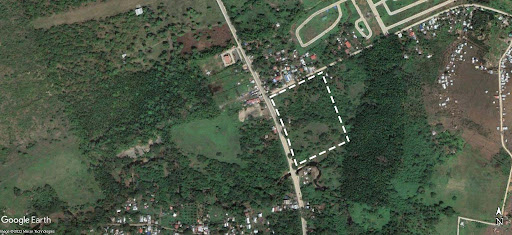
Puerto Princesa, officially the City of Puerto Princesa is a 1st class highly urbanized city in the Mimaropa region of the Philippines. According to the 2020 census, it has a population of 307,079 people.
It is a city located in the western Philippine province of Palawan, and is the westernmost city in the Philippines. Though the seat of government and capital for the province, the city itself is one of 38 independent cities within the Philippines not controlled by the province in which it is geographically located and is therefore an independent area located within Palawan.
It is the least densely populated city in the Philippines with 110 inhabitants per square kilometre (280/square mile). In terms of land area, the city is the second largest geographically after Davao City with an area of 2,381.02 square kilometres (919.32 sq mi). Puerto Princesa is the location of the Philippines' Western Command headquarters.
- Location: 9.824748, 118.744327
- Site Area: 42145.77 sqm
- Height limit: 8 m
- Ground Coverage: 10%
- Maximum FAR (Floor Area Ratio): 1
The site is located in Puerto Princesa, officially the City of Puerto Princesa is a city in the Mimaropa region of the Philippines. Today, Puerto Princesa is a tourist city with many beach resorts and seafood restaurants. It has been acclaimed several times as the cleanest and greenest city in the Philippines.
Similar Competitions
Discover competitions you might be interested in



Healing places through music.


The Global Benchmark for Architecture Dissertation Awards
