
Grassroots
Anganwadi - A modular approach
OVERVIEW
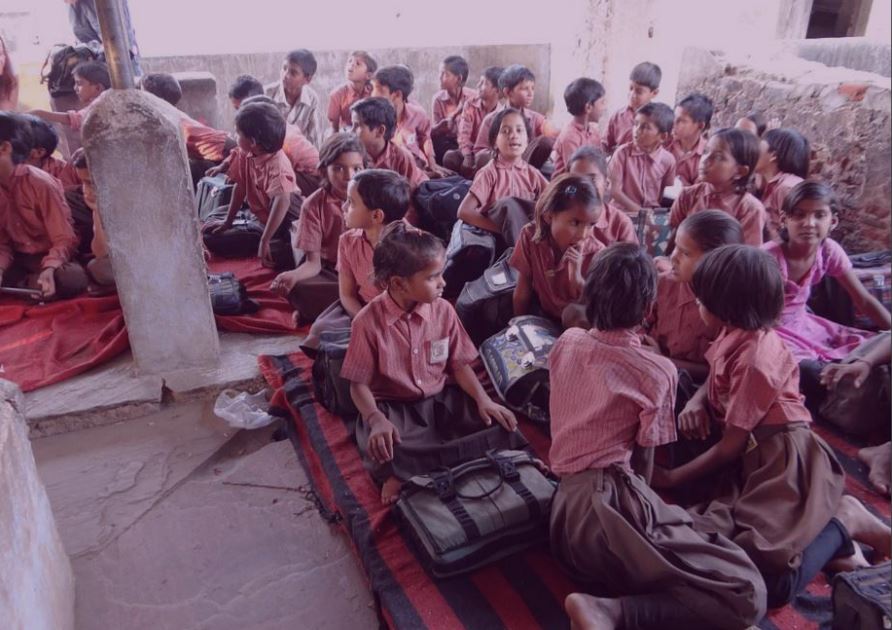
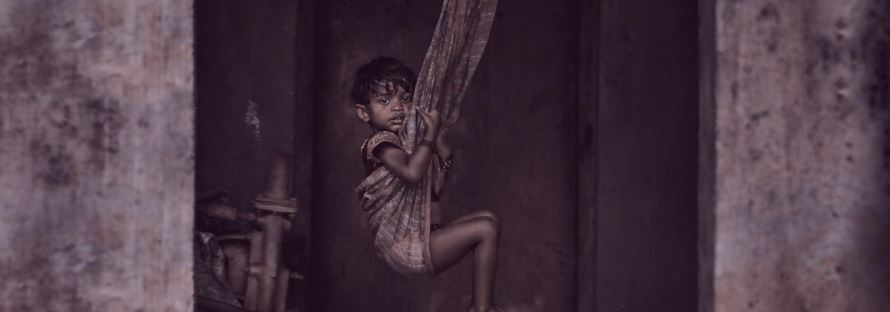
Img 1: Image representative of an early education classroom
Backstory
Early childhood, universally defined to be from birth to age eight, is a stage when brain development is at its peak, and when children are highly influenced by the environment around them.
Early Childhood Care and Education or Foundational Learning aims toward the holistic development of a child’s emotional, cognitive and physical needs in order to build a solid and broad foundation for lifelong learning and wellbeing. Thereby nurturing caring, capable and responsible future citizens.
Some of the skills that foundational learning strives to teach include concentration, visual and auditory perception, short term and long-term memory, reasoning and logical thinking, and fine and gross motor coordination among others.
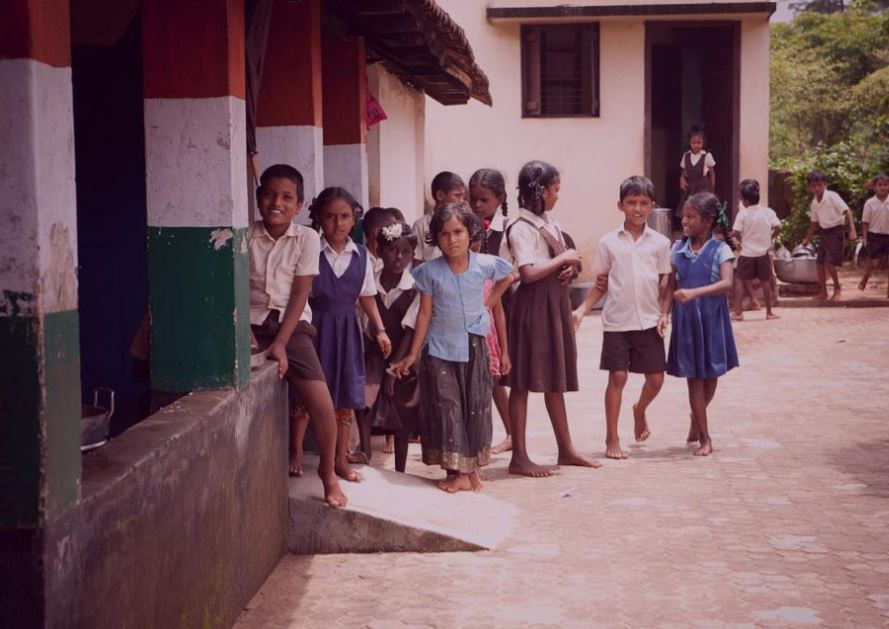
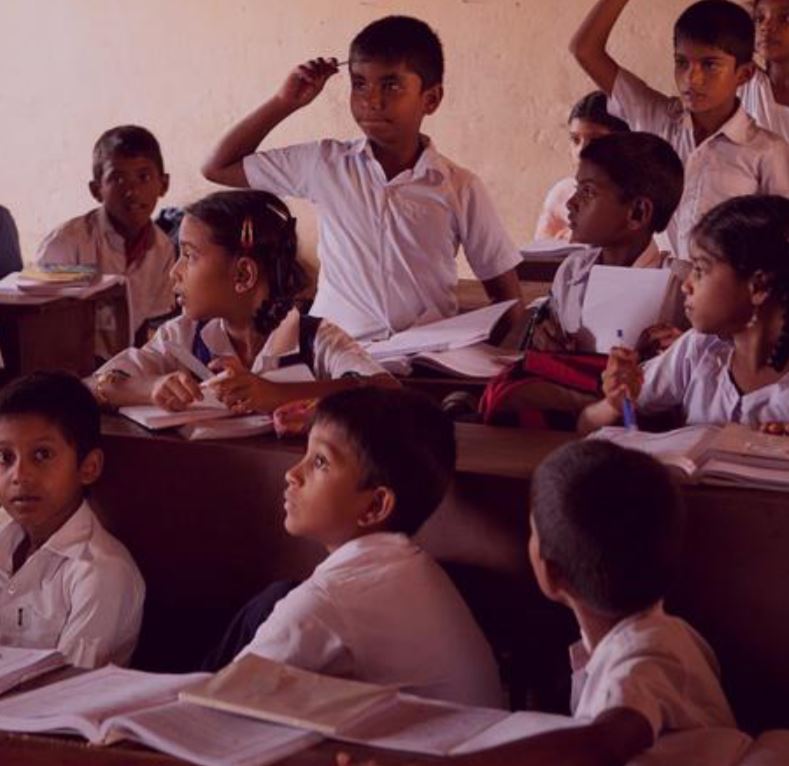
Img 2: Image representative of the Indian education system
Education System
Over the past two decades, India has seen the percentage of its children enrolled in school increase exponentially. Now above 98%, India’s education system is the largest in the world.
However, India is now in the midst of a Learning Crisis, where a large percentage of children are enrolled in primary school but are failing to attain even basic skills such as foundational literacy and numeracy.
The Annual Survey of Education Report (ASER) and the National Achievement Survey (NAS) reiterate this, identifying foundational learning to be the most critical gap.
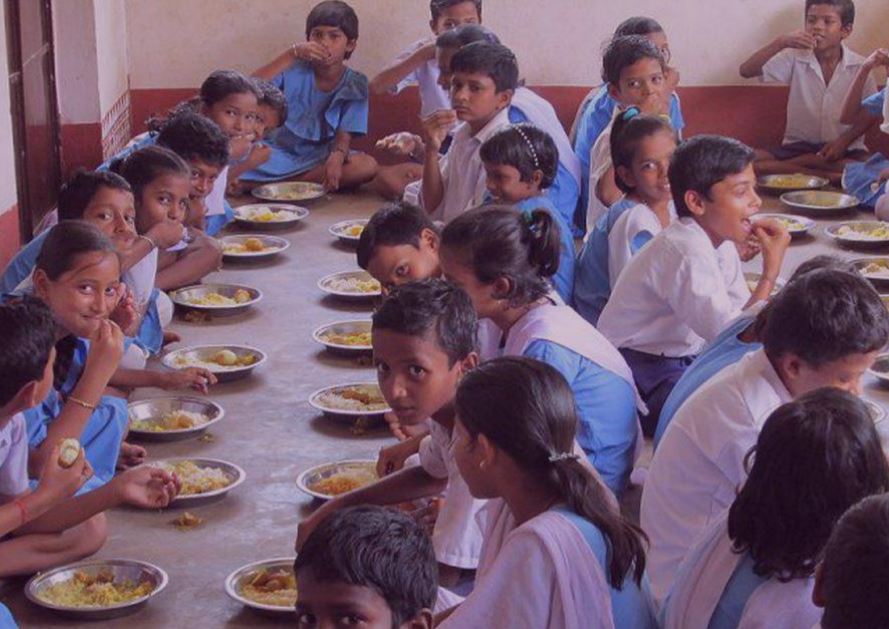
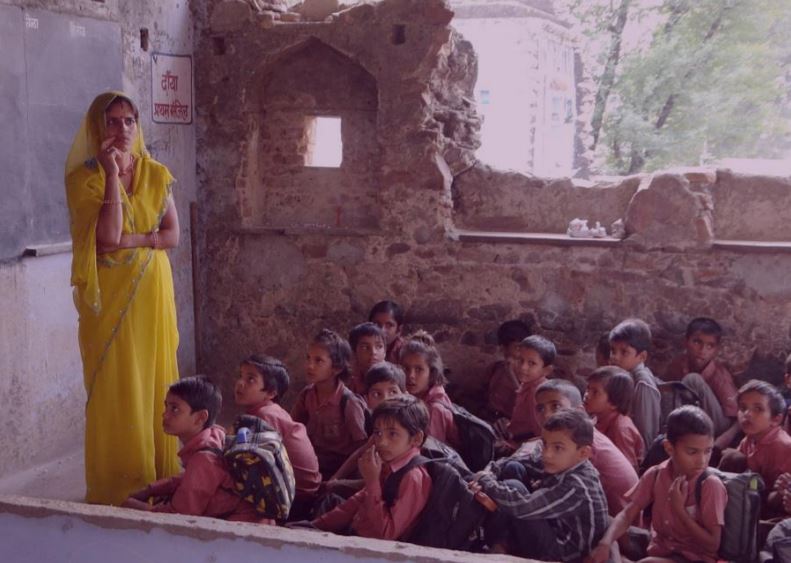
Img 3: Image representative of the National Mid- day Meal Scheme.
Child Care
With policies in action at the central level, India has had a vested interest in Early childhood education from as far back as 1974, with the Integrated Child Development Services (ICDS) working toward the holistic development of women and children.
Offering their services through a network of more than 1.3 million Anganwadi Centers spread out across virtually every region in India, catering to 3.7 crore children.
Translating to mean a ‘shelter with a courtyard’, an Anganwadi Centre hosts services which offer pre-school education, nutrition and health education, immunization, health checks, supplementary nutrition, and referral services for children under 6 years and their mothers.
However, recent studies show India ranking last among 45 countries, lagging in its quality of Early Childhood Care and Education (ECCE).
Studies read that its early education programme is arguably the least developed among the various services it offers, it’s inability to offer opportunities that are required for the development of a sound foundation, reflected in the low percentage of children being ‘(primary) school ready’.
However well-conceived, on ground, ICDS hasn’t been able to deliver the expected results.
According to the World Bank, “the program has expanded faster than the institutional capacity to manage it,”
Why?
Reasons include infrastructure problems, a lack of community participation and not paying enough attention to cost effective approaches.
However, almost all reasons are centred around the Anganwadi Centre and the Anganwadi Worker, both central to the scheme of the programme and in immediate proximity to the community.
On the Bright Side
However in an attempt to strengthen the current policies regarding foundational education, India in the year 2019 saw the National Education Policy (NEP) propose a major reconfiguration of curricular and pedagogical structures of Early Educational systems, making foundational education an integral part of school education in India, with aims of making it accessible to all by 2025.
Img 4: Image representative of an early education classroom
Brief of the competition
Can design offer a solution?
Could it bring in an increased sense of inclusiveness and community thereby increasing participation? Could well designed spaces help achieve the goal of improving learning outcomes?
Would economically sustainable options mean implementation on a larger scale, and in turn more reach?
Can this model be replicated all across the country?
Design Challenge: Design a compact, modular unit which hosts an early educational and health care programme (pre-school) for children and their mothers.
Programmatic Outline
The following programmatic outline intended to accommodate 100- 120 children is recommended for this challenge. Participants are recommended to craft a schematic programme based on these given segments or they can propose something new altogether.
Early Childhood Care and Education - 50%
Indoor Learning Spaces, Outdoor Learning Spaces, Play Spaces, Performance spaces, Recreational Spaces, Staff/Storage
Health - 35%
Health Centre
Services - 15%
Kitchen, Storage, Utility, Hygiene Facilities
Objectives
A programmatic outline intended to host about 100-120 children is recommended for this challenge. Participants are recommended to craft a schematic programme based on these given segments or they can propose something new altogether.
Basic: Create a safe, hygienic, conducive, encouraging space to learn.
Context: Consider the local context in terms of the community, climate, user needs and materiality.
Pedagogy: Promoting an accessible, active, immersive and exploratory style of learning.
Modular: Allowing the solution to be easily expanded, relocated or be used as a prototype.
Baprola, Najafgarh, New Delhi
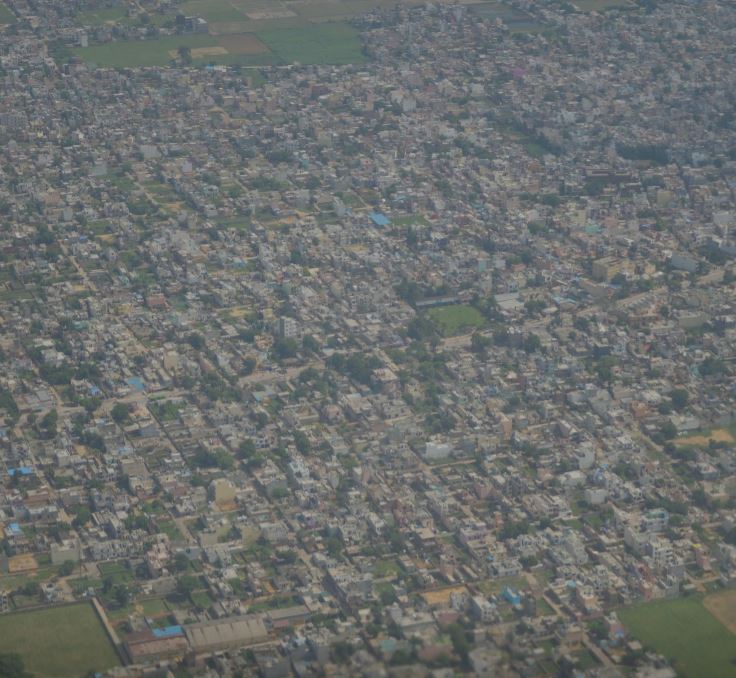
A resettlement colony on the outskirts of Najafgarh in the National Capital Territory of Delhi, India.
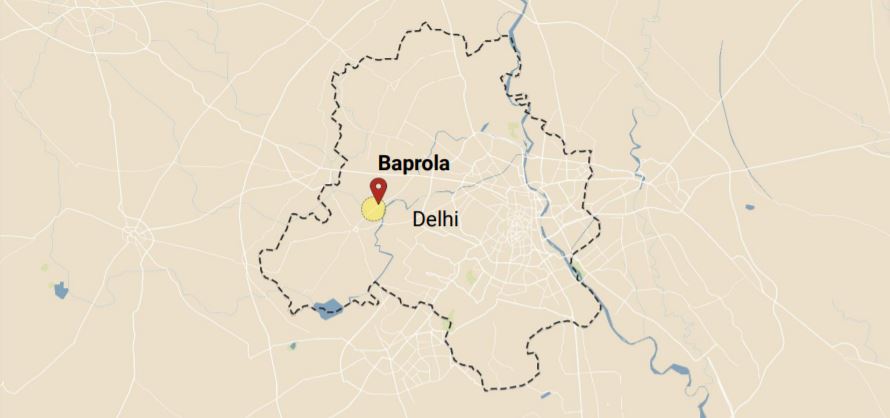
Img 5: Image indicative of the boundaries of the city of Delhi and the location of the neighbourhood of Baprola.
Context
As cities grow to accommodate growing populations, so do the rates of urban poverty.
With world class cities (highways, technology parks and high-rises) being the paradigm of urbanization and progress, we forget about the increasing occurrence of forced evictions and clearing of low- and mixed-income neighbourhoods for the sake of developmental projects, made worse by the severe crunch in urban housing.
These systematically evicted urban poor are relocated (often to the fringes of the city), where they have no access to adequate housing, basic services, livelihoods, education or healthcare.
One such example is Baprola, on the outskirts of the country capital of Delhi.
With reports of several violations, from human rights to housing, women and children here have been hit disproportionately, with regard to personal health, safety and education, including an inadequate number of Integrated Child Development Services (ICDS) centres, playgrounds and safe open spaces for children to play in.
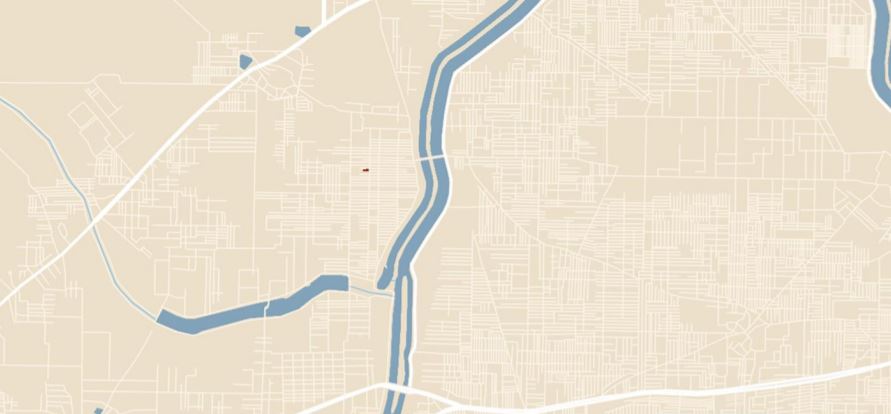
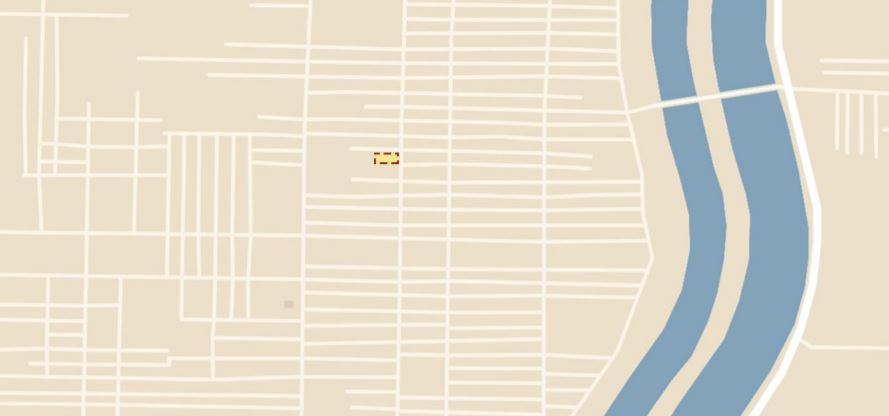
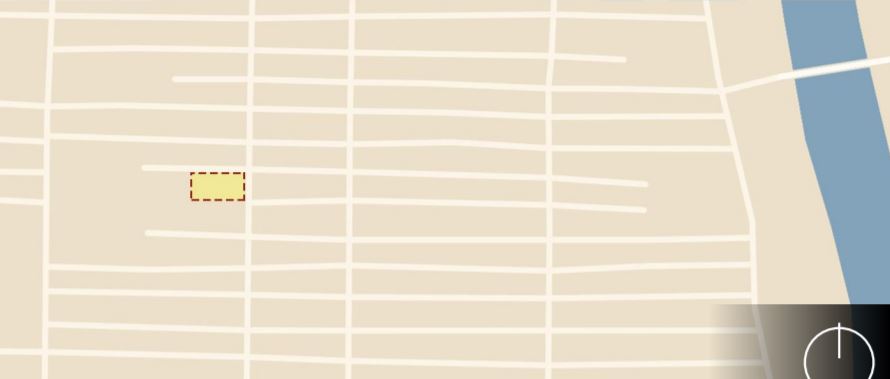
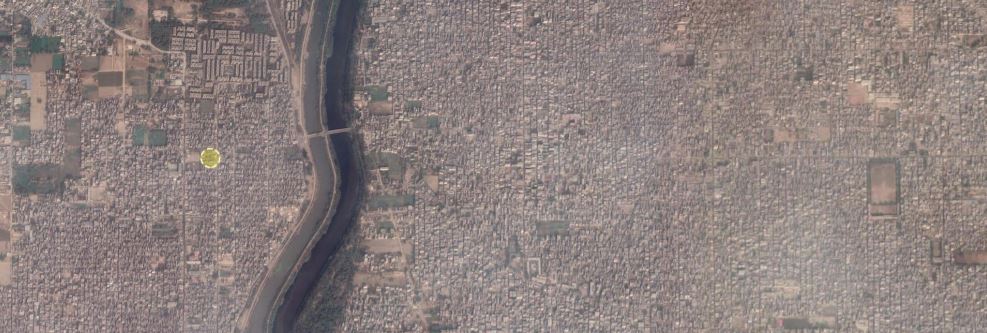
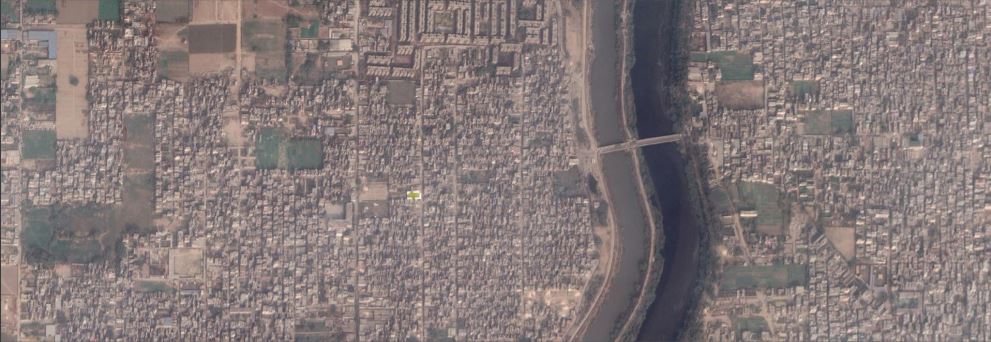
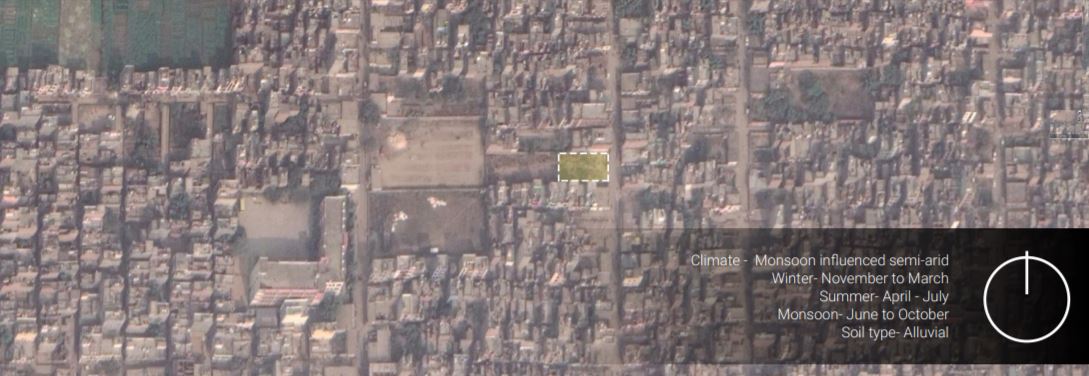
Img 6: Image indicative of the boundaries of the site
Site Plan
Located in the midst of a resettlement colony, this linear site dictates the materiality and the technique that the design would follow, contextually calling for a modular solution and use of passive design strategies.
- Ground coverage - 50%
- Site Area - 558 sqm
- Coordinates - 28°38'03.6"N 77°01'09.8"E
Only regulations to be followed
- Height restrictions - 7.0m
- Setback of 3m on all 4 sides
Brief Updated on 09 Oct 2020 - Download new version from the button below. Updates: Scaling issue on the site has been fixed. As the brief changes have been rolled out late participants using the older site dimensions are also valid.
Similar Competitions
Discover competitions you might be interested in




Challenge to design public laboratory


The Global Benchmark for Architecture Dissertation Awards

