Green Pacifier
Challenge to design a green apartment
Overview
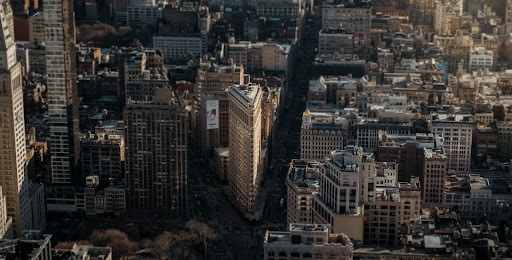 Fig: 1 - The human settlements are overwhelming the natural landscape in many regions around the world.
CLIMATE CHANGE AND OUR IMPACT ON IT
Climate change has been a part of the Earth’s regulatory system since its creation. It has led to the birth and annihilation of various species and pushed some species to adapt and evolve to passing conditions.
Most of these changes in climate occurred naturally as a part of the earth’s cycle, hence they returned back to their natural state. But when this disruption is caused by one of the earth’s species that makes the environmental conditions deteriorate faster than it can regenerate, it is a major cause for concern.
The phenomenon of climate change today has been accelerated due to various reasons, mainly pollution and various other human activities leading to it. We have depleted our ozone layer, filled our water sources with filth and air with contaminants.
This deterioration has been happening for centuries now since the advent of industrialisation and has since then skewed our perspective of the future to a rather nearsighted one. Long term plans are required to curb this degeneration and measures can be taken in every aspect of the human lifestyle.
How can human beings cope with environmental stress?
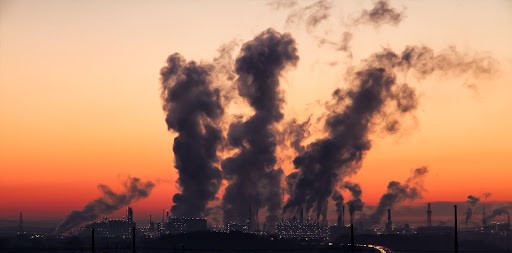 Fig: 2 - The construction industry is responsible for the majority of the waste and pollution generated globally.
SUSTAINABLE BUILDING INSIDE CITIES
In terms of buildings and their construction technology, it has been a considerably high waste-producing industry both in terms of materials and energy. In search of finding ways to make the process easier and to produce a comfortable living condition for the interiors, we have forgotten to make them conscious of the exterior environment. We use mechanical and technological methods to keep the living spaces comfortable and clean but most of the time, the repercussions these artificial methods have on the outside are often ignored.
Pollution and exploitation of resources have led to widespread environmental degradation. Using sustainable building methods to introduce exterior natural elements to aid in providing the right interior living conditions in terms of ventilation, lighting, comfort, circulation and other needs is one way.
The materials used in the building and their sourcing is key to reducing the energy used in the building too. But how feasible is such a design principle to be adopted in a real urbanity, surrounded by tall buildings and vehicular traffic?
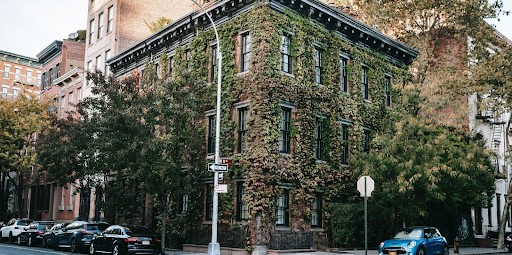 Fig: 3 - Sustainability is a progressive trend that is encouraging urban developments to incorporate green measures
DESIGN A ‘GREEN’ BUILDING
Brief: The architecture competition brief calls for a design of a residential apartment that cuts down on the use of environmentally degrading methods to maintain the building’s living conditions.
The sustainability factor for this project is mainly focusing on reducing the ventilation and lighting energy requirements of the residential spaces. Making the building consume less energy without compromising the standard is that aim. Other supply and waste management strategies can also be employed to reduce the footprint of the structure.
The aim of the competition is to come up with unique design solutions to intricately access these natural sources in a densely packed city where buildings block air and sunlight from each other. Vertically challenged locations would require vertically oriented solutions and can stand as an exemplary project inspiring future developments.
The comfort and convenience of the residents are to be kept in mind while cutting down on artificial technologies that have made lives easier for them. The effect of the structure on the surrounding context is as essential to be considered as its interior treatment to achieve green construction goals.
OBJECTIVES
Harmony - The design must establish harmony or connection with the surroundings while having outstanding features.
Material + Technology - The selection of the palette for form and layout must be climate-responsive as well as be convenient to manage.
Context - The design must respond to the (existing) site conditions. The wider socio-cultural, economic and environmental settings are to be considered in the design approach.
Sustainable - Reduce the negative impact of design on the environment, by improving building performance, reducing waste and ensuring comfort for occupants.
SITE
The United States is a global superpower and this highly developed country has a surging economy. But with its advanced development and immense wealth garnered, the natural environment in the nation has suffered a major blow. Many industries are major contributors to pollution in the country.
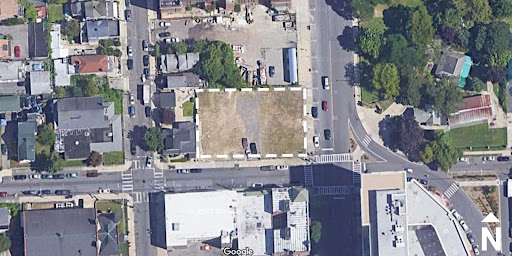
The site for this project is a challenging one located in New York, USA. It is a dense city that is plagued with air pollution, smog and low air quality while supporting its high population. The city is a canvas of varied typologies of eclectic blend and this landscape allows for experimentation which makes it suitable for this typology.
The site is located beside Hartley Park in Mount Vernon city. It is situated between the two extremes of the tall skyscraper zone and residential zone.
- Site area - 1,395 sqm
- Height Restriction - 15 metres
- Ground coverage - 20%
- Setbacks (as per CAD plan)
- Site coordinates - 7 North St, Mt Vernon, NY 10550, USA
AREA PROGRAMME
The building is a residential apartment that should accommodate 6-8 families (4 members each). The apartment should possess living with quality of spaces, light and ventilation. Areas of sleeping, living, eating and recreation should be covered in the apartment.
Any creative additions to the programme can be done within the provided constraints.
Similar Competitions
Discover competitions you might be interested in