
Hope
Challenge to design a space for all beliefs
Overview
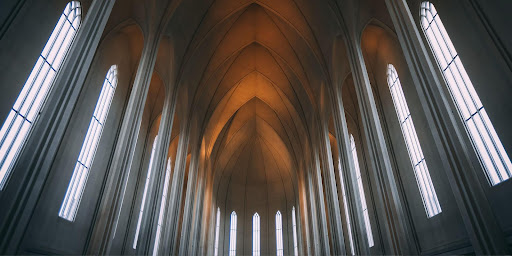 Fig: 1 – Structures like churches, temples and other monuments reflected grandeur its architecture
PREMISE
Our environment, genetics and expectations form our beliefs and attitudes. In turn, they affect our behaviour and determine our actions. Certain beliefs remain very personal, while others co-relate with the society which is widely accepted, become part of our culture and, in most times, shape the society we live in.
Religion is one of them and probably the strongest belief system that has existed for thousands of years. It is a rule book, code of conduct that allows believers to function in a cultured manner. The earliest forms of religion were established to manifest social bonding.
Thus, it is not a surprise that this system is crucial to thinking patterns and plays a vital role in the formation of self-identity and the collective identity of a community. It then shapes attitudes, cultural norms and influences individual and group behaviour.
Over the years, these cultural norms and collective thinking remain interconnected with architectural history. Architecture has always displayed religion in its grandeur, a place where people would feel close to their god. In turn, religion gave architecture a stage for creativity, new opportunities and a chance to evoke a sense of faith and belief in its visitors.
 Fig: 2 – Hope of the new world (Credits – David Marcu)
NEW BELIEFS
With the advent of science and technology, this concept of belief is changing day by day. There is scepticism, and doubt about the possibility of certainty, and people have slowly started to accept that there is no way of knowing certain things
While major religions still exist and form a large part of the population worldwide, this new group of thinkers are inclined toward rational thinking and seek to understand social diversity and belief-system more than ever before. They are slowly changing the strict definitions of secularism, atheism and religion itself. Although this doesn't equate to a lack of faith.
Faith and hope are concepts that exist within each of us, its relationship with humankind is more complex than one thinks. There will always be personal faith and collective hope, toward something better. It drives individuals and also society as a whole. As worship spaces around the world define particular religions, architecture for people with individualistic beliefs is still unexplored.
H3: Can we take this opportunity and devise our understanding of secular spaces and transcend it into architecture?
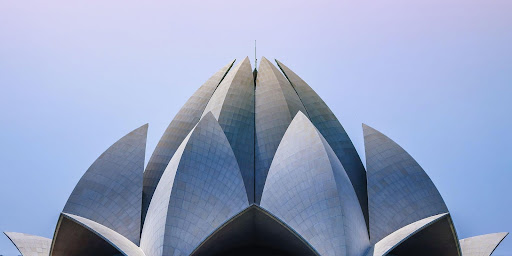 Fig: 3 – Centre for all beliefs-Lotus Temple (Credits- Swapnil Deshpandey)
BRIEF OF THE COMPETITION
Worship spaces form an integral part of the architectural world, the best of facades, material and display of something bigger than ourselves. While characteristics of these structures are commonly associated with one or more religions, the architecture is free. The atmosphere it creates is devoted, not to the religions, but the sense of peace in us humans.
Hence, even though many are sceptical of religions, they still visit worship places. When architecture plays such a crucial role in devising faith, can we use it to create spaces for a more simple and unlabelled sense of hope? Can we recreate the quality of spaces for this new thinking?
Neuroscience research supports the idea that the brain is primed to believe, whether it be god, dreams or nature. Humans need a reason to have hope towards something, to live effectively.
What would space for the devotion of personal dreams and hopes look like?
The challenge is to design a place for hope and personal belief. The proposed intervention should be open to all regardless of their faith.
OBJECTIVES
Intimate: Providing refuge for every day by creating spaces of reflection.
Visual identity: Through your understanding, devise a visual identity of your design and concepts.
Functions: What would the functions and type of your space be for individualist beliefs and hopes?
Inclusive: User friendly, open and accessible to all.
The objectives can be a point of beginning to conceive this design. Participants can free to form their programmatic outline according to the user group.
SITE
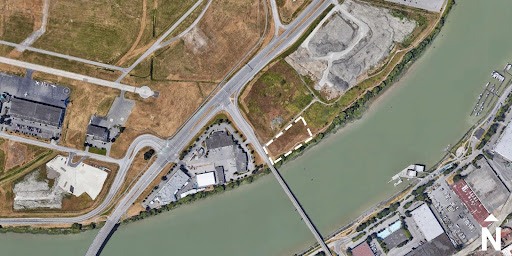
Burkeville, Canada
Religion in Canada encompasses a wide range of groups and beliefs. Other religions represented approx. 80% of the population while people with no religion formed 23.9% by 2011, and has increased since. The site is located near an education institute, shopping market and is in the vicinity of the airport. Thus, the site forms a perfect location to develop this typology. Participants are expected to use the natural context of the site to conceive their design.
- Coordinates: 49.1806401 -123.1489099
- Site Area: 7399 sqm
- Ground coverage: 50%
- Height limitations: 6m
Setbacks (as per CAD plan)
Ground Coverage refers to the ratio of maximum allowed solid/permanent footprint on the site to balance the built and unbuilt spaces. You can utilize the other 50% of the site for any temporary intervention/recreation.
Similar Competitions
Discover competitions you might be interested in


Design challenge to reuse E-waste

Illustrate the lost glory of Angkor Wat - Render Challenge

Photograph architecture without architects

Challenge to reimagine the Iron Throne