
House of Art
Challenge to design an art workshop cum experience center
Overview
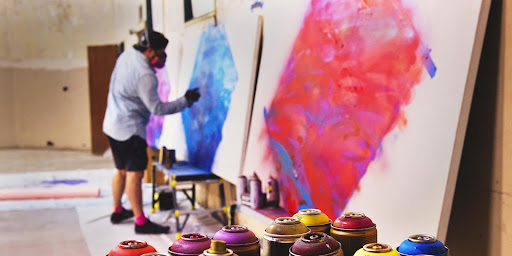 Fig: 1 - Creating art is perceived from a private eye in spaces that are curated for the artists (Credits- Tim Mossholder)
PREMISE
Fascination towards art has been prevailing for generations. From the process of creation of art to understanding it, everything regarding it has always enticed people across countries. With time the way of creation changed, as different and varied mediums were introduced and studied.
From ancient wall paintings to today's digital age creations, there have been various changes that have happened in the past decades. Before the time the connection between the creator and the creation was hard to understand, as there was a lack of technology and methods for understanding and showcasing the process. Thus increasing the gap between the creator and the one experiencing the art.
Can we introduce new ways and methods on how this complex process of creation and experience be brought together?
How can intangible factors be brought into tangible architectural solutions?
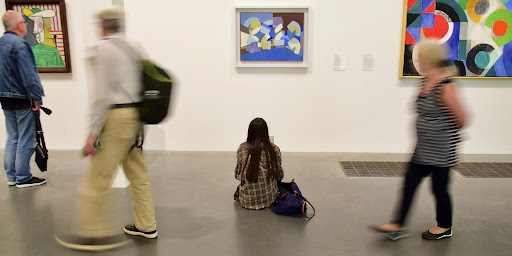 Fig: 2 - Exhibition spaces usually disconnects the viewer from the creator (Credits-isaw company)
RECONNECTING
In order to reduce the gap between the creation and the creator, there is a need for the observer to experience the process first-hand.
The majority of work done in art is often represented and brought for viewing only after it has been completed. Thus, causing a disconnect between the process of creation and what the viewer is able to see. In the art world, everything is about perception. To influence this perception there is a need for the inclusion of the public into this process.
The creation process involves multiple factors which are mainly, collaboration and exhibition of work. To include these factors, there is a need to bring the observers and the creators under one roof. By doing this can we formulate a connection while reducing the communication gap between the artist and the public?
Can spaces like this make the process of creation more relevant and easier to experience?
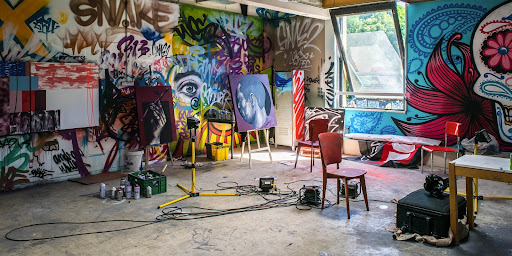 Fig: 3 - How can we make a space that serves artists as well as the viewers? (Credits-Matthieu Comoy Koo)
BRIEF OF THE COMPETITION
How can Architecture bridge the gap between art and the public?
How will we create spaces that will act as a hub for art creation as well as exhibitions and experiences?
What architectural intervention can bring about the fusion of these activities efficiently?
The aim of this competition is to reduce the hindrance and gap existent in communication between the artist and the public.
Brief: The architecture competition brief calls for a design of an art space that is customized for making and showing a variety of art forms.
Participants are to design an artist's workshop and exhibition space. While conceiving this design the participants are to consider the ergonomics and creative liberties of artists as well as the curiosity and passion of art enthusiasts.
OBJECTIVES
User-centric design: To design a user-centric - making it artist centred.
Inclusion of process: How does this design facilitate and aid the process of art creation.
Flexible spaces: To design spaces that offer variety and multifunctional space for flexibility to artists to work.
The following objectives can be the point of beginning the design process. Participants are free to assume their users and contexts for this challenge.
SITE
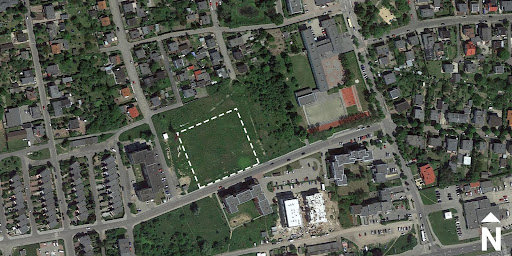
Gniezno, Poland
The site for this challenge is located in the Republic of Poland which is located in central Europe. Poland has a comparatively seasonal temperature. The topographical diversity is beyond the beaches of the Baltic Sea and Carpathian mountains in the south. The Diversity in terrain offers a variety of vistas, ranging from dense trees to beaches. The site for this site is located in the central region of Gniezno, which is densely populated. This location offers access to all the major areas of the city. Providing ease of access for the people to visit.
- Coordinates: 52°32'09.3"N 17°34'38.2"E
- Area: 6604 sqm
- Height limit: 9m
- FAR (Floor Area Ratio): 1
- Ground Coverage: 30%
Setbacks (as per CAD plan)
Ground Coverage refers to the ratio of maximum allowed solid/permanent footprint on the site to balance the built and unbuilt spaces. You can utilize the other 30% of the site for any temporary intervention/recreation.
PROGRAMMATIC OUTLINE
The programmatic outline is intended for one module capacity of 30 artists and 50-100 visitors per day. This number is recommended for this challenge.
The space ideas are as follows: Individual to do - Public recreational - workspaces
- Studio workspaces: 30%
- Living/residential stay areas: 40%
- Common recreational spaces/gathering/open spaces: 20%
- Ancillary/storage and services: 10%
Other additional spaces can be added by the participants as per their design needs.




