
Learn-aid
Challenge to design an open learning module for the elderly
Overview
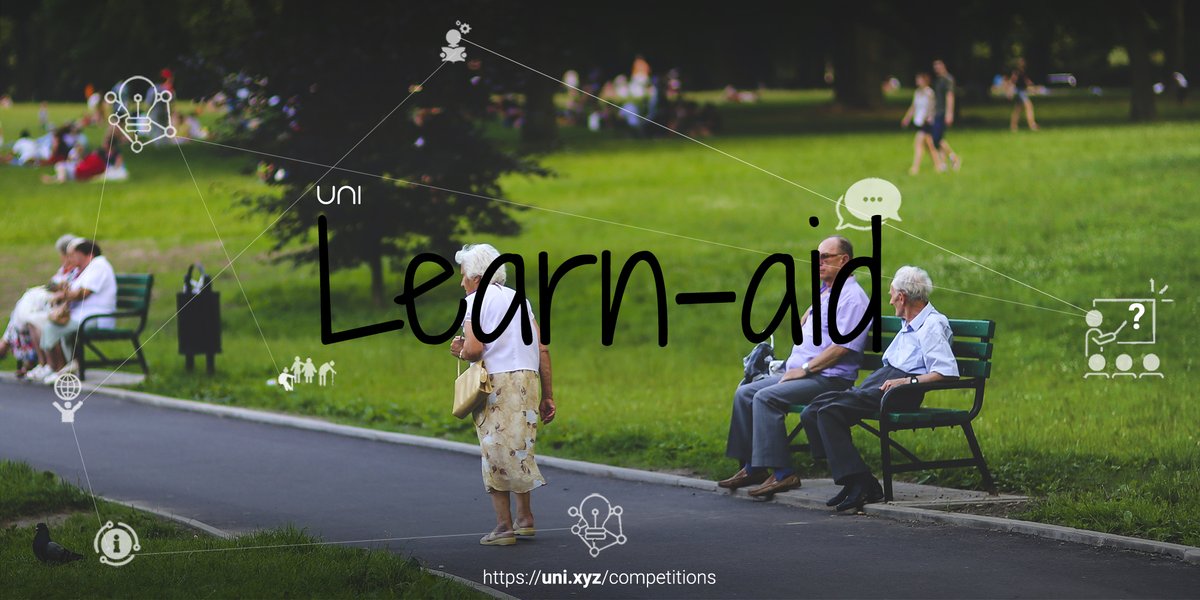
 Fig: 1 - Elderly people enjoy their free time doing leisure and recreational activities.
LEARNING FOR THE ELDERLY
Education is one of the most fundamental parts of everyone's life. The completion of education allows us to get empowered and many times the need to learn extends beyond the stipulated period of education. There is no age limit to learning.
The elderly who today comprises a fundamental portion of our society is observed to be interested in pursuing various hobbies and learning interests. The thought of learning is majorly channelled to complete or pursue the things they wanted to learn but couldn't due to different reasons. But due to their age and the limitations that come with it, they are limited from different educational programs.
Learning for them is generally observed as a leisure activity that they wish to pursue. Moreover, the requirement of comfort and ease of access is needed to actually pursue learning, which when absent hinders them from trying to learn.
How can this issue be resolved? Can these issues be creatively addressed?
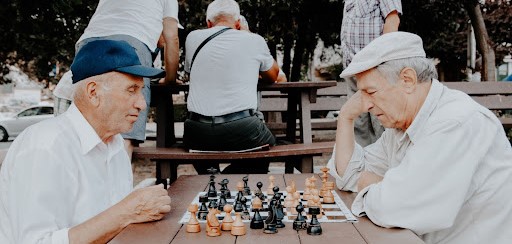 Fig: 2 - Connecting with their fellow peers over common activities is a preferred activity.
VALUE OF SOCIAL BONDING
Learning is a constant process that carries on constantly throughout our lives. Learning happens everywhere and anywhere we want, this aspect of learning provides us with ample opportunities for helping the elderlies to access education.
The elderly spend most of their time of the day in and around their homes, the major social connection that they have is around their neighbourhood. The distance required to travel in different parts of their neighbourhood is possible considering the short distances and affinity to their homes. The neighbourhood offers the elderly people of their similar age group and liking, which can help them in forming a social bond.
Evening and morning gathering times of the elderly, offer them a period to meet and a group to socialise with. The spaces where they gather or meet can be one of the most potential spaces where this learning can be proposed; which will provide them with access and proximity to home.
How can architecture innovate a solution to accommodate this?
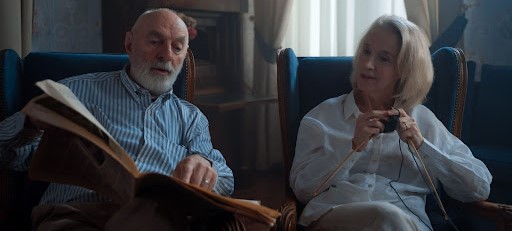 Fig: 3 - Learning in a shared environment can provide a supporting and safe space for the elderly.
BRIEF OF THE COMPETITION
How can these spaces be used to their fullest potential as a learning hub for these elderly?
Can the innovation of design create an open classroom for these elderly?
Brief: The architecture competition brief calls for a design of an open classroom module that functions as an open learning space for the elderly to gather, read and learn.
Being an open learning space this design aims to provide a hub, a platform where these elderly are able to learn through sharing of knowledge and skills. Equipped with a library, reading space, working areas and shared activity space; this design aims to function as an open classroom.
The aim of the competition is to come up with unique design solutions to provide a new typological design acting as a platform for the elderly for learning and sharing.
OBJECTIVES
Adaptability: Is the design adaptable enough to be installed across the world?
Functionality: Does the design suit/aid the activity, place and inhabitants?
Geometry: Easy erection, demountable
Integration capacity of design: To create a design that is symbiotic and integrated into the context and its people.
AREA PROGRAMME
The programmatic outline is intended for a batch capacity of 20 people. This is recommended for this challenge.
The space ideas are as follows:
- Sitting/reading/learning spaces: 70%
- Public gathering/engagement spaces: 30%
Other additional spaces can be added by the participants as per their design needs.
SCALE
The scale of the module is expected not to exceed 30 sq.m. The height limit for the design is 10 meters. The module is to be prototyped and multiplied so the form and dimensions of the module are left for the participant’s discretion.

