
NatureGarten
Challenge to design a nature-centric kindergarten
Overview
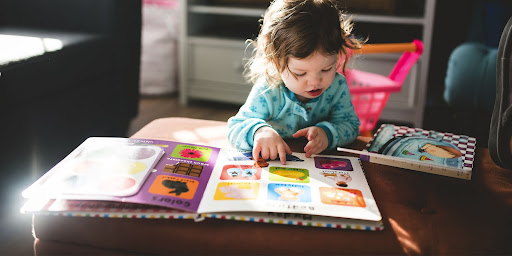 Fig: 1 - Kids develop through a natural and calm environment (Credits-Stephen Andrew)
PREMISE
The developmental process of a child is different from that of an adult. A child is fragile and open to information from all the sources and events they encounter. The learning process in a child is constant, through their existing environmental stimulus to other external factors. The majority of a child's time is spent either at school or at home and with age the time spent at school Increases. In turn, making learning spaces a key factor in influencing the learning process of a child.
Since time, learning spaces have been built with the major aim of providing space for education. Learning spaces have functioned as a centre for education, but during a younger age children are in their developmental stages which are beyond just educational development. Children undergo a cognitive-developmental period where the need for more sensitive and holistic space is required. Thus increasing the need for learning space.
What are the elements that influence a child's development in a learning environment?
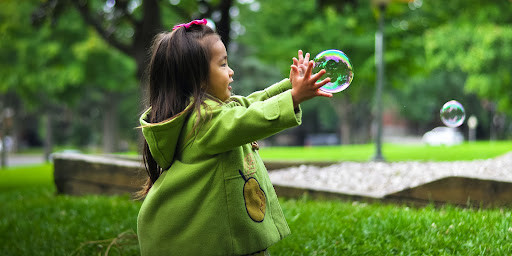 Fig: 2 - Learning and development of kids highly depends on their well-being (Credits-Leo Rivas)
WELLBEING
In the beginning, educational buildings were majorly part of a home or public building. Major functions were provided that were required to facilitate the learning process, limiting the spaces to only classrooms and study areas. After the modern era, the problems regarding study centric approach were observed. The lack of basic functional aspects like light, natural ventilation, interactive spaces and spaces for recreation was high. These problems not only highlighted the issues existing in the educational spaces but also challenged the perception people had toward learning spaces.
Light, ventilation, natural connection, recreational spaces, and relaxation areas generated a need for a learning space to function beyond an education centre, and rather as a development and wellbeing space for the children.
How can architectural interventions and design innovations help create a healthy learning environment that promotes students learning?
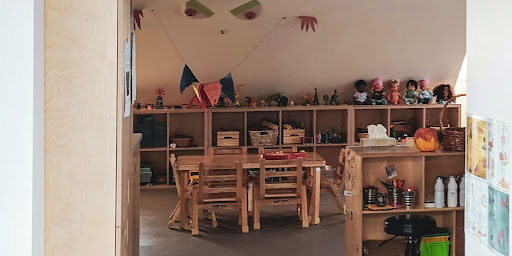 Fig: 3 - What will kindergartens look like when designed along with natural elements? (Credits-Sigmund)
BRIEF OF COMPETITION
What are the Architectural factors that influence a kindergarten child's learning process?
How does the learning environment promote learning through holistic development?
How to create designs that are influenced by shields' developmental stages?
The architecture competition brief calls for a design of a kindergarten focused on providing a healthy environment through the play of natural light and ventilation.
The design should solely focus on giving the children holistic development with spatial elements specially curated for 5-6-year-olds.
Challenge is to design a learning environment that is led by natural factors such as light ventilation, natural connection and care.
OBJECTIVES
-
Concept/model: How are the healthy living concepts integrated in a learning environment?
-
Inclusion of nature: How is the design providing spaces that encourage affinity to nature?
-
Flexible spaces: How is the design moulding itself to the needs of the child?
-
Lighting: How is the natural lighting factor integrated in the design?
SITE
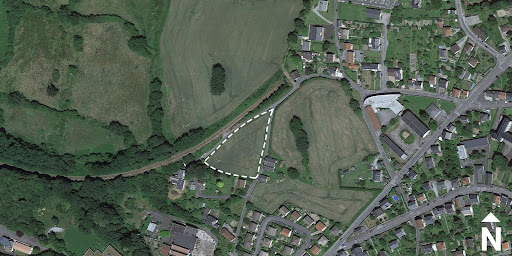
Guéret, France
The site for this challenge is located in France, which is situated on the western edge of Europe. France majorly consists of flat plains and rolling hillsides. Geographically located in the western side of Europe, France offers a variety of cultural and heritage backgrounds.
This site is located at one edge of a small neighbourhood of houses, majorly housing societies and individual housings. The majority of spaces in the neighbourhood are small farmlands and housing areas. Designing a kindergarten on this site could offer easy access and connection with the major city regions and also with the surrounding nature scapes.
- Area: 4648.1 sqm
- Height limit: 6 m
- FAR (Floor Area Ratio): 1
- Ground Coverage: 40%
- Coordinates: 46°10'19.2"N 1°51'31.3"E
Setbacks (as per CAD plan)
Ground Coverage refers to the ratio of the maximum allowed solid/permanent footprint on the site to balance the built and unbuilt spaces. You can utilize the other 40% of the site for any temporary intervention/recreation.
AREA PROGRAMME
The programmatic outline is intended for a capacity of 30 children aged between 5-6 years. The space ideas are as follows:
- Spaces to learn 50%
- Spaces to collaborate 10%
- Spaces for recreation 10%
- Spaces for play 20%
- Ancillary spaces 10%.
Other additional spaces can be added by the participants as per their design needs.
Similar Competitions
Discover competitions you might be interested in




Challenge to design public laboratory


The Global Benchmark for Architecture Dissertation Awards
