
Naturopathy
Challenge to design an Ayurvedic Treatment Center
Overview
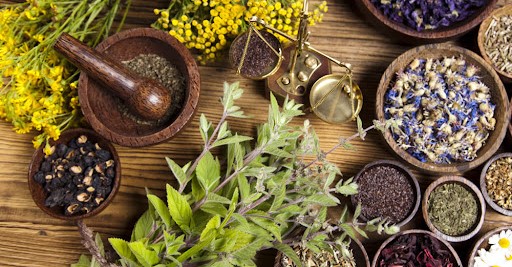 Fig: 1 - Ayurveda came about around 3000 years ago, with its origins traced back to India. (Credits: Prabhjot Kaur)
PREMISE
‘Health is wealth’ mantra is the key to leading a successful life. The depth of this truth is imperceivable in youth, but it becomes convincing, as time passes. Health and well-being is a valuable commodity, and every organisation, authority, and individual is involved in its system.
While the history of medication is rich with natural and traditional treatments, with the advancement of technology, western medicine has dominated the global economy with its mass-production and fast-acting concoctions. But these medicines bear side effects in the long run.
The allopathy industry is unsustainable, involving large-scale use of plastic for packaging, chemical pollutants released during manufacturing, huge amounts of waste produced and so on. Its effects are detrimental to not only human health but also the natural environment.
Despite its shortcomings, why is western medication considered the most effective way of treatment?
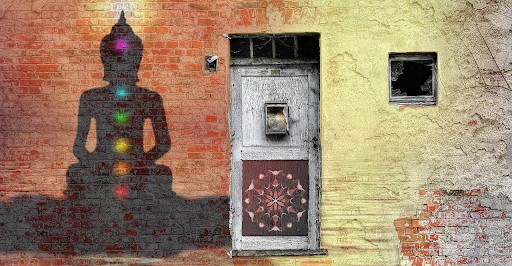 Fig: 2 - Ayurveda treatment involves therapy sessions, medicines, diets, yoga, and herbal compounds that affect health.
HISTORY
Medical history can be dated back to the 5th century BC, even earlier, where traditions were formed for diagnosis and treatment of diseases. As it became a profession, technology and science made it possible to make mediation procedures efficient and accurate. While this development does not discount the effectiveness of traditional medication, it became unpopular and obscure.
Ayurveda is one of the earliest medical systems in the world. It is endemic to India, and is a process of using herbs to treat ailments. This system is still used extensively in the country and has entered the surrounding market, owing to its natural process and historic expertise.
This treatment employs the deep knowledge of the human body system to understand how it can be counteracted with naturally occurring elements, without harm. In current times, where we are faced with pandemics, pollution-related diseases and climate deaths, the investigation is to be done to look for optimal solutions on the health front.
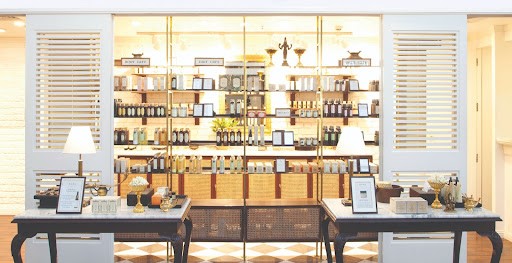 Fig: 3 - Like every medication, stores are the foremost access to ayurvedic medicines. (Credits: The Indian Beauty Blog)
BRIEF OF THE COMPETITION
The challenge is to design a medical center for Ayurveda specialists, for treatment and procedures.
The building will be occupied by a diverse group of Ayurveda practitioners to increase the service’s accessibility to the general public. The spaces will be occupied by locally sourced medical experts providing them a chance at employment and income. This medical centre must also be equipped to handle emergency cases and respond to local epidemics.
The aim of the design is to build on the trend of global interest in traditional medication. The centre will help promote healthier alternatives to wide spread allopathy medication.
This system is part of the cultural heritage of the region and knowledge passed down from generations, so its preservation is essential. Popularising the ayurveda system will prove beneficial for local farmers and agriculture practitioners, positively affecting the environment.
OBJECTIVES
- Layout: the layout must be efficient to accommodate the different groups of visitors.
- Access: the private and public spaces must be demarcated and placed accordingly.
- Upgradable: the spaces should be able to support more visitors in emergency conditions.
- Vegetation: spaces must be provided to grow herbs required for ayurvedic medicines.
SITE
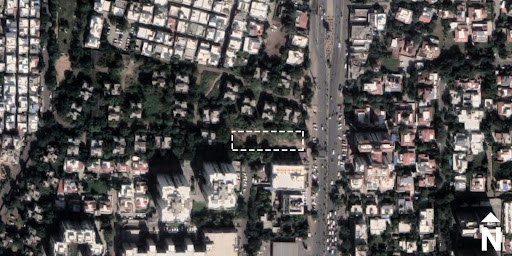
Ahmedabad, located on the bank of Sabarmati river, is the 7th most populous city in India. The UNESCO World Heritage City is selected to be developed as a smart city. It is an economic centre in the country.
More than three-fourths of the residents in the city use Ayurvedic products. The benefits of Ayurvedic medication are well-known and its rising population is being accommodated in new infrastructure.
The site can be accessed by 132 Feet Ring Road. The site is surrounded by Medical facilities like hospitals and clinics. The site is located in Jodhpur Village consisting of residential settlements.
- Coordinates = 23°01'13.7"N 72°31'47.4"E
- Site area = 1585.62 sq.m
- Height restriction = metres
- Maximum FAR = 1
- Ground coverage = 50%
Setbacks (as per CAD plan)
Ground Coverage refers to the ratio of maximum allowed solid/permanent footprint on the site to balance the built and unbuilt spaces. You can utilize the other 50% of the site for any temporary intervention/recreation.
PROGRAMMATIC OUTLINE
This program outline can be the beginning of your design. Participants are free to add or modify the given percentages and areas as per their design within the site parameters.
- Entrance hall, Reception, Waiting room ~ 10%
- Information center and clinics ~ 25%
- Training room, Meditation hall ~ 25%
- Dining room, Kitchen, Storage, Pantry ~ 15%
- Herbal garden, Courtyard and other recreation ~ 25%

