
On Ice
Challenge to design an outdoor ice-rink and park
Overview
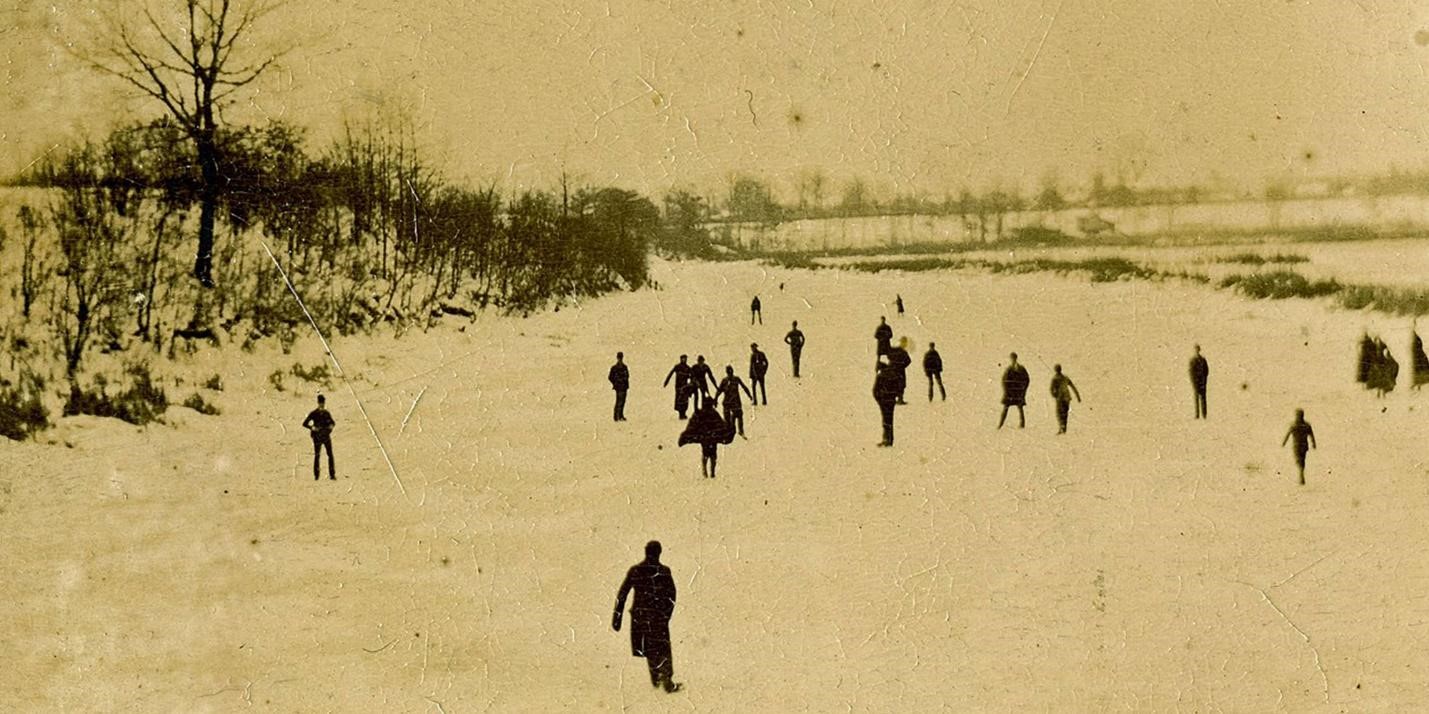 Fig: 1 – Ice skaters on the Maumee River in Toledo, Ohio, 1890s (Credits- Miss Julia Jay Coon)
ORIGINS OF ICE-SKATING
Research suggests that early ice skating happened in southern Finland more than 4,000 years ago. It was an invention to cut time and easier passage through the ice during long winter journeys. As other means of transport developed over time which were more helpful and efficient, ice-skating transformed into a recreational activity and also a major sport. Recreation skating has been continuously practised on the canals of the Netherlands since the Middle Ages. Gradually Ice skating gave rise to two sports; figure skating and ice hockey, which developed from fens skating.
The development of refrigerated ice rinks started the transformation of ice skating from a seasonal pastime to a major sport and entertainment. The first rink with artificial ice was opened in London in 1876, followed by the United States in 1879.
With technology, the ability to create sheets of ice inside large arenas and outdoor spaces revolutionized skating. It allowed its spread as a sport and recreational activity in warmer regions too.
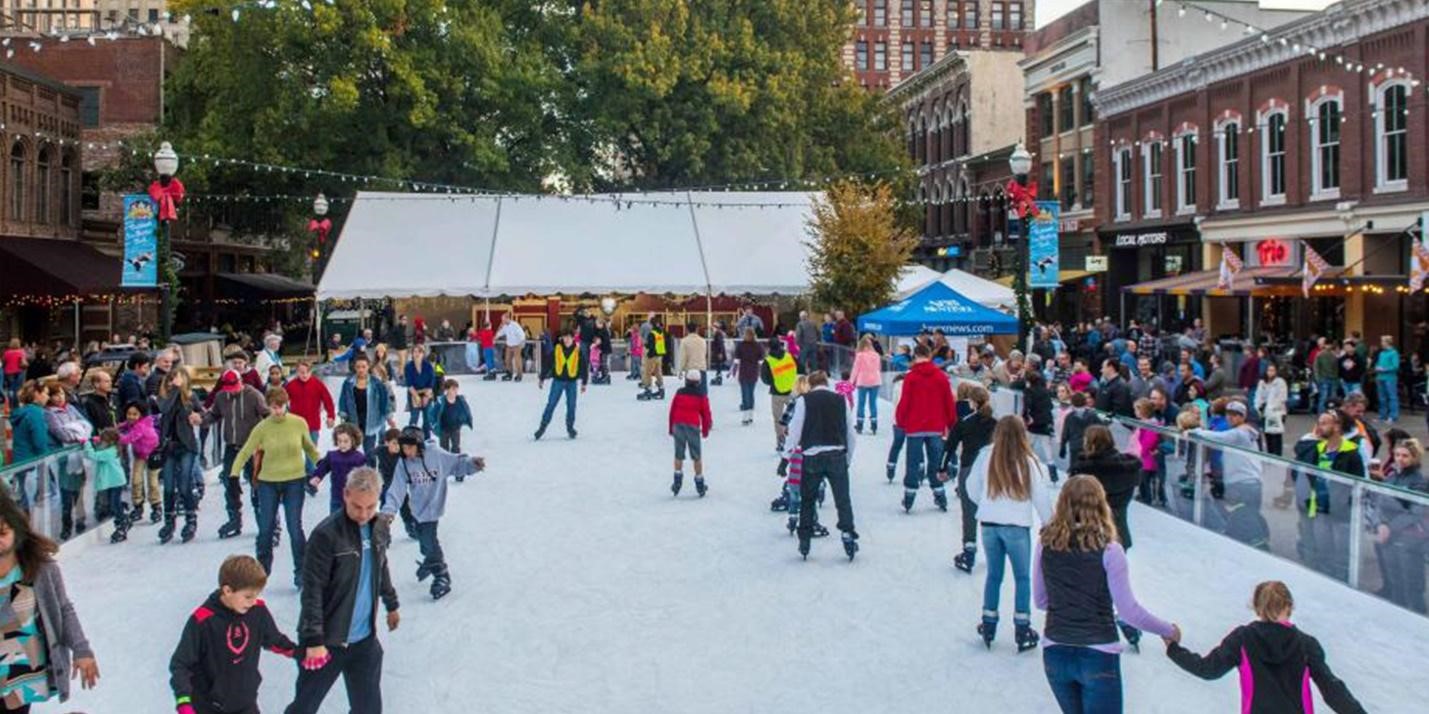 Fig: 2 – People enjoying at an outdoor Ice-skating rink in Knoxville, Tenn (Credits-Travelchannel.com)
BRINGING THE COMMUNITY TOGETHER
In comparison to other sports, the skating rink as a recreation and competitive ground for the local communities acts more than a sport enjoyed by kids. It brings the community together, functioning almost like a public square.
Especially an outdoor skating rink is a cultural asset that enriches and enlivens the entire community. Not only is an ice rink the perfect recreational spot for any community/family/friends but it is also a boost to the local economy, especially during competitions or holidays.
It acts as a multifunctional space and in turn, becomes a landmark and a point of gathering and community space. Outdoor Ice rinks remain an important fixture for winter recreations and now are also in demand during summer too. There are more than 10 ice rinks per 10,000 residents in the major ice-skating regions/states.
Unfortunately, the production and maintenance of artificial ice for these ice rinks is contributing to the rising global warming, water scarcity and climate crisis.
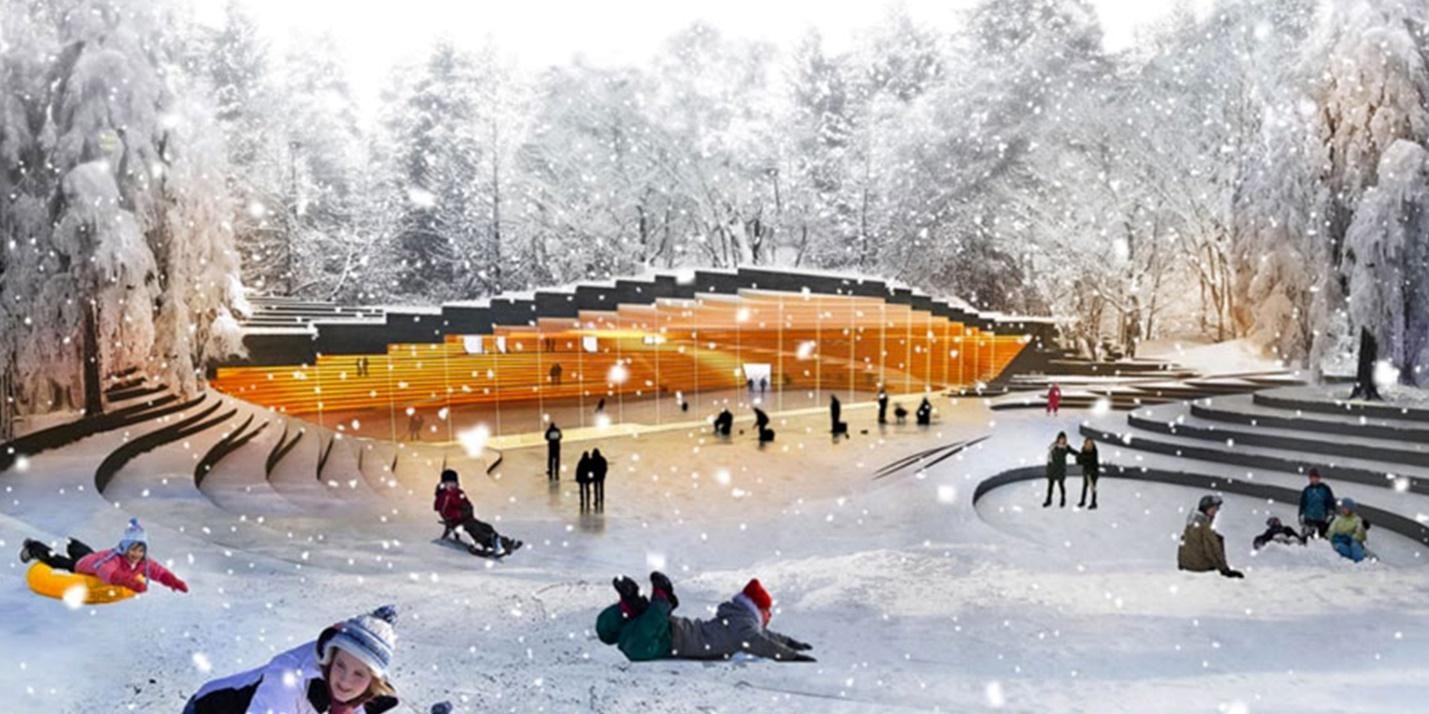 Fig: 3 – Ice hockey rink in umea- A concept (Credits-BIG architects)
BRIEF OF THE COMPETITION
The consequences of permanent ice-rinks are affecting the environment and as of now, alternative options for artificial ice-making are scarce. So, will the glory and enjoyment of an ice-rink space be limited to seasonal? If yes, what would the ice-rink act as during off-seasons?
How would it sustain as a community square in the absence of recreation, skating and gathering? What will the nature of the space be? Can it be transformed into something equally important and engaging? Can it serve as a space that encourages all ages to participate in both winters as an ice rink and summers as a park?
The challenge is to design a seasonal community outdoor Ice-Rink that would act as a park in warmer climates.
The aim is to design activities for the ice rink and also around it particularly which would sustain in the summers without the rink. The competition aims to help participants work with community sports and recreation spaces of dual nature. The design should incorporate activities for all ages(playgrounds, gathering space, small gyms, jogging/walking and local community fests/parties).
OBJECTIVES
- Sport and recreation: Ice-skating is known for both its competitive and recreational nature, incorporating provisions for local competitions and also daily recreation during winters.
- Duality: Design challenges to designing for the dual nature of the space. Investigate the technicalities of an outdoor ice-rink in winters and the activities during summers.
- Inclusive: User-friendly, open and accessible to all.
The objectives can be a point of beginning to conceive this design. Participants are free to form their programmatic outline according to the user group.
SITE
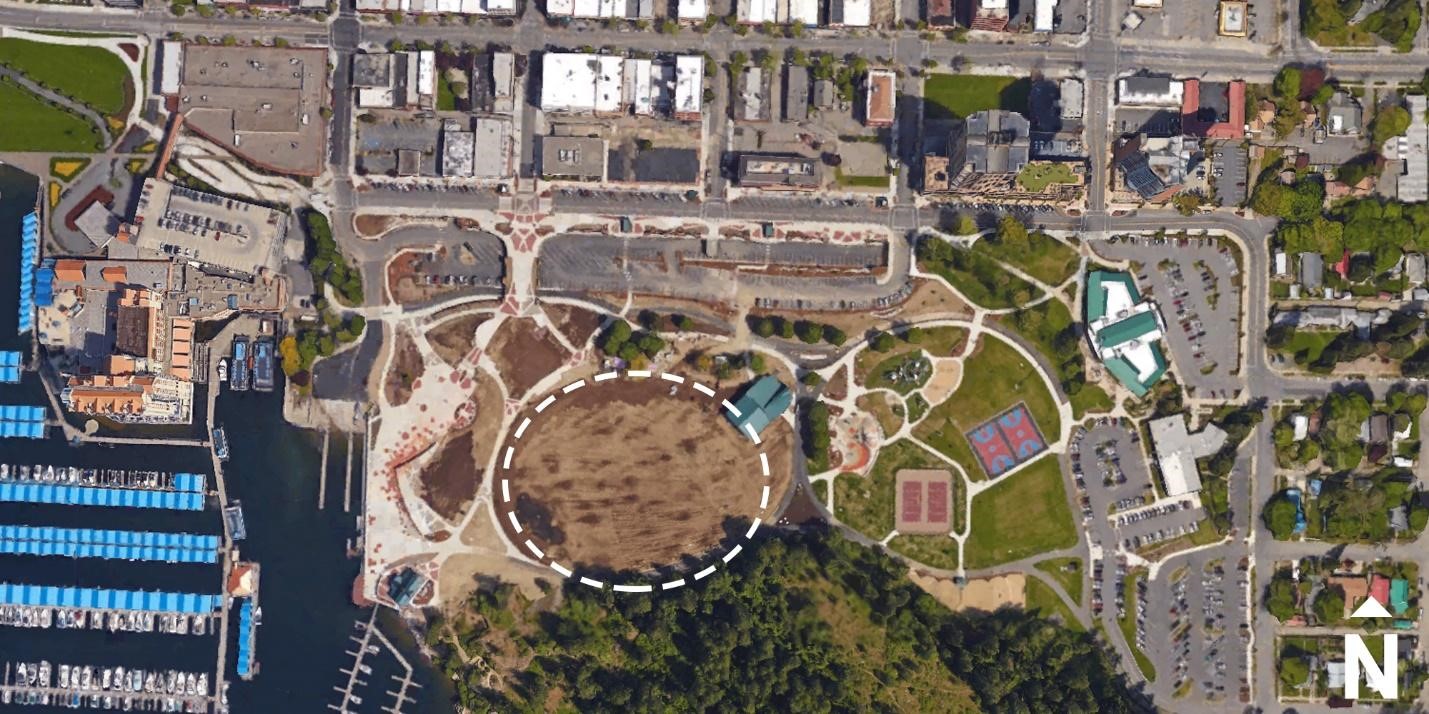
Coeur d’Alene, North Idaho, USA
The authorities in Coeur d’Alene had been working to find a winter activity for McEuen Park for years. The parks and recreation department toyed with ideas such as a cross country ski course and other activities.
The proposal of an Outdoor Ice-Rink was approved as the Park is isolated in the winter seasons. The site selected, McEuen Park is used as a temporary space for food stalls/local fest in the warmer seasons and is located next to a children’s park. The site also has a beautiful backdrop of Tubbs hills. Participants are urged to incorporate and design according to the site context
- Coordinates: 47.671111 -116.7797688
- Site Area: 16,634 sqm
- Maximum FAR: 1
- Height limitations: 10m
- Ground Coverage: 40%
Setbacks (as per CAD plan)
Ground Coverage refers to the ratio of maximum allowed solid/permanent footprint on the site to balance the built and unbuilt spaces. You can utilize the other 60% of the site for any temporary intervention/recreation.

