
PACKit
Packaging challenge - Design meets sustainability
OVERVIEW
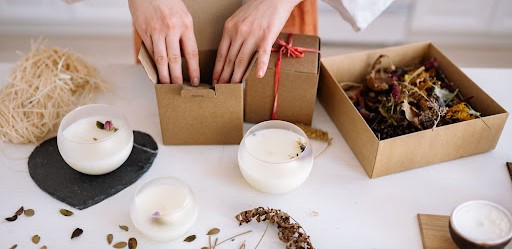 Fig: 1 - Packing things for the better delivery experience
THE EXPERIENCE AND JOURNEY OF A PRODUCT/SERVICES
With passing time, technology is enabling items to reach our homes quick. Most things we desire or require are a few taps away. Be it food to footwear, or tickets to taxis; everything. Online marketplaces/storefronts/eateries and many other forms of commerce are constantly pushing the bar in the ‘fulfilment’ domain and working tirelessly to make this experience as seamless as possible. Eg. the Amazon dash button - Delivery with a click.
This definitely has created a wave by inspiring smaller entities/ individuals/ suppliers to adapt to the digital space and to become a part of this accepted reality at large.
This implies our products/food/articles have to travel more than us. Which creates an urge for something we witness every day - ‘packaging design’.
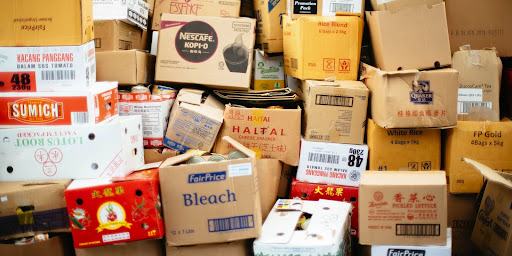 Fig: 2 - Packaging material has numerous repercussions on the environment
GENERAL PERSPECTIVE AND REPERCUSSIONS
More than ever, shopping with a scroll and a click online instead of our local markets stores is evident widely. Lucrative same-day shipping deals and the convenience of shopping from home have propelled the growth of E-commerce: up nearly 25 per cent last year, according to an analysis by Slice Intelligence, and this uptrend is not slowing any soon. These orders may seem insignificant when we observe ourselves. However, our neighbourhoods and cities are ordering millions of packages like these every day, with astonishingly growing numbers. And these online cravings have consequences too.
Have we ever wondered where the bubble wraps, box design, product boxes, packets, cardboard box, etc. where do they eventually go? How well do we know what goes into product packaging design, custom packaging, and its materials?
We care less to know where our packaging goes, but a lot of it unarguably ends up in places and landfills that not only harm the environment but also its immediate vicinity and people.
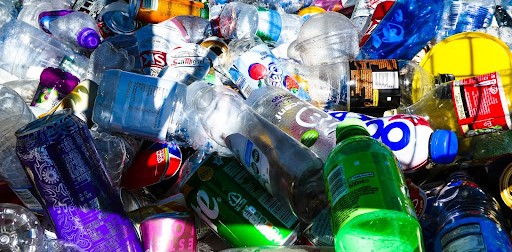 Fig: 3 - Plastic packaging affect the environment a lot
STRIVING FOR A BALANCED PACKAGING DESIGN EXPERIENCE
Packaging design is what a consumer sees first, even before the product. The best packaging solutions serve a practical purpose, yet also carry a story and communicate a brand’s values. The world needs countless packages every day. That being said, the alternatives that reduce environmental impact, which at the same time can make the experience better are becoming ever more important.
If the product packaging and packaging design is something that clearly sets a few things apart from the rest, can we find a balance between both of these worlds?
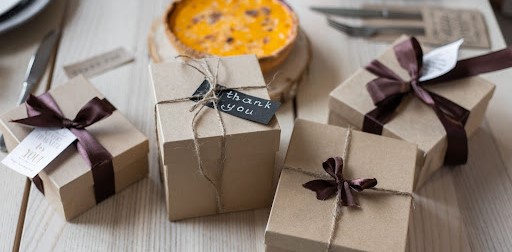 Fig: 4 - Packing material should be easily degradable
THE DESIGN CHALLENGE
The challenge is to take any stationery brand from your childhood and give it a new life by proposing a packaging solution for it.
You are free to choose any 4 or more products from the brand for this packaging challenge.
You may propose system-level changes/ideas/packaging solutions in the design process like how existing equipment /transport/ handling /sorting etc. methods could be revamped, however, any such recommendations should be based on exact cases of current methods of packaging design used in delivery fulfillment.
BRIEF OF THE COMPETITION
We understand, that traditional packaging materials and designs that the graphic designers or packaging designers follow- have taken shape by the course of time/practicality/constraints/availability - But here lies the design challenge - You can start your design inquiry with the following questions:
1. Lean and Smart: Can the packaging design be more lean/smart?
2. Applications: Can the package design be reusable or have different use applications?
3. Ecosystem: Can discard/used packaging finds its way back into the system/eco-system seamlessly?
4. Convertibility: Can packaging be more convertible/tailormade/adaptive to the product it wraps on?
5. Efficient: Can we as packaging designers enhance the current ‘packaging efficiency’ and provide the right packaging solution?
6. Recycling: Can it inherently have some value that people are willing to recycle?

