
Perched
Challenge to design cabins for avian enthusiasts
Overview
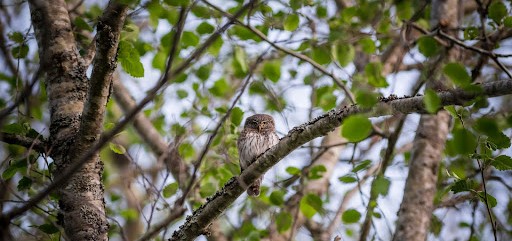 Fig: 1 - There are more than 10,000 species of birds known to humankind.
PREMISE
Bird watching started as a hobby, essentially for hunting. Later in the mid-1700’s, a group of four started using this to record and study birds for research and biological purposes. Associations and trusts to encourage this form of studying birds came up fast and helped all kinds of enthusiasts have access to all kinds of information about these winged creatures.
Birding is a common time pass that is popular among the public. The range of birders include people who have a view from their window to woods in the backyard. People who don’t have such privileges to witness these birds by their homes go on birdwatching or birding expeditions to enjoy this as a hobby.
These birdwatchers enjoy their time, walking around the forest or lakes, and erecting makeshift tents to stay hidden for optimal viewing. The journey is timely and they are to return to their accommodations in time, as they are often far from bird hotspots. The experience of living amongst the majestic bird species in natural settings can be delivered with eco-touristic design initiatives.
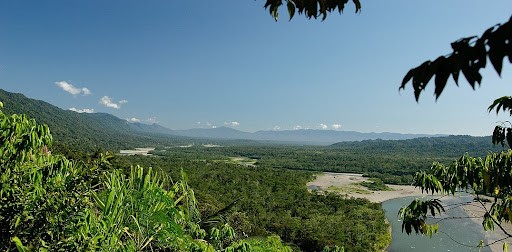 Fig: 2 - Manú National Park is a huge park with successive tiers of vegetation. (Credits: Creative Commons)
FOREST RESERVE - MANU NATIONAL PARK
Manu National Park is one of such forest reserves and jungle sanctuaries that are a birdwatcher’s hub and span over 18,812 sq km proving as an ample canvas. Protected by the UNESCO as a world heritage, despite having most of its fragile and important zones restricted, large areas of it along the zones of Alto Madre de Dios and the lower part along the Manu river are still open to sustainable tourism and provide a chance to have a peek into one of the earth’s wonders.
1/10th of the world’s bird biodiversity live here, and more than 200 different mammal species, most of them endemic. Tours that show the tourists around the forests for hikes and viewpoints are a common sight. But for bird enthusiasts, there is very little accommodation in the dense jungle.
What if creating a non-disruptive cabin was to be set up for bird watching, infauna hotspots to aid and make the study a bit easier? Can humans exist undercover?
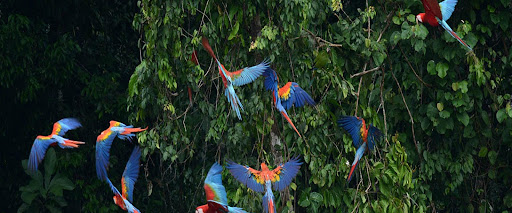 Fig: 3 - The park hosts some 850 species of birds which make it a haven for enthusiasts. (Credits: VicMac)
DESIGN CABINS
The architecture competition brief calls for a design of a chain of 20 hotel cabins, around the fringes of the forests of Manu National Park for the birdwatchers and other enthusiasts.
The design must blend the built form in a way that provides an authentic birdwatching stay experience. These cabins will be dispersed within the jungle for different borders to enjoy without disrupting each other. These cabins must be protective and sustainable in a way that is not disruptive to natural ecosystems.
The watchers must be kept comfortable while allowing unhindered interaction with the outside. The interiors must be designed with the least mechanical systems employed. The lighting and sound levels have to be kept under control as they are said to have an immense effect on birds.
The aim of the competition is to come up with unique design solutions to make the cabins minimally invasive to the ecosystem and provide functional spaces as well. The materials for construction of the cabin must be able to withstand all the site conditions as well as can be assembled on-site rather than built-in situ, reducing the clamour that would be created in these areas.
OBJECTIVES
- Modular - The cabin setup must be modular so that it is simple material and construction.
- Engage - The interaction with nature must be well guided through a mixture of open and semi-open spaces.
- Balance - Privacy and interaction must be guided in the layout as per the nature of the activity.
- Harmony - The site is sensitive and the design must be responsive to the flora and fauna existing while establishing a connection with the surrounding.
- Sustainable - Reduce the negative impact of design on the environment by improving building performance and using materials with minimal effects on their surroundings.
SITE
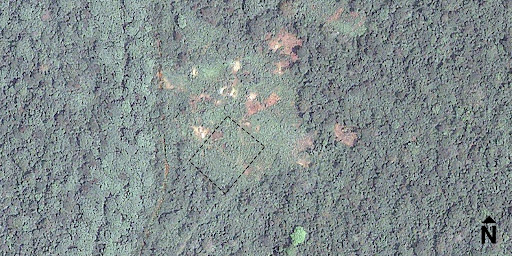
Peru is a nature-rich country that has the Andes mountains, Amazon rainforest and Amazon River. The changing topography supports life of various plant and animal species of which a considerable portion is endemic to the region. Peru has over 1,800 species of birds - the second-highest number of any country in the world, and any are still being discovered.
The site is located in the Manu district of Peru. Situated a few metres from the Manu district along the river Rio Madre de Dios, the locality has basic tourist necessities such as lodges and eateries, not in abundance but just to cater to the few who come in.
- Site Area - 4,696 sq.m
- Maximum Built Up Area - 4,696 sq.m
- Coordinates - 12°15'19.5"S 70°54'22.0"W
AREA PROGRAMME
The hotel is to provide space for visitors and enthusiasts to nestle among the first causing minimal disruption to the surrounding ecosystem. The height of the trees on-site can be considered to be 25-30 metres. (Diameter = 3-4 meters)
The following programmatic outline is the point to begin your design at. You can add more functions and activities in relevance or modify the below design programme.
- The area of a single cabin must be restricted to 30 sq.m (No height restriction). Each cabin will be occupied by 2 people.
- The lodge rooms must be equipped with bathrooms, sleeping areas and a private deck for viewing vistas around. It must have space for the watchers to store their equipment, rest temporarily and view the birds.
- The common social spaces for the interaction of groups of people can be directed in the area. The spaces must be sorted with easy navigation and access to all users.
- Administration and services are to be incorporated for the smooth functioning of the hotel.
Similar Competitions
Discover competitions you might be interested in



Healing places through music.


The Global Benchmark for Architecture Dissertation Awards
