
Re-connect
Reimagining Furniture for Public Spaces
OVERVIEW
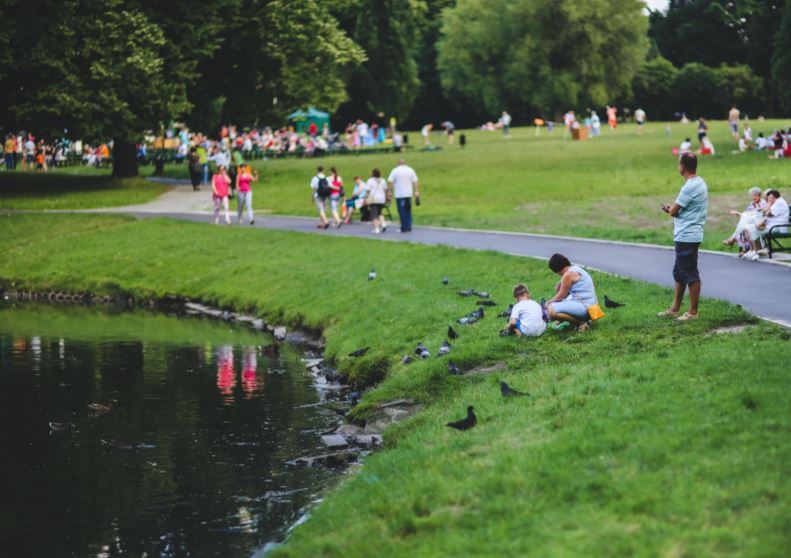
Img 1: Public Parks usage before Pandemic
Premise
Public spaces form an important spine for any scale of city. Users benefit from these in multiple ways such as, it is used as a place for exercising, place for relaxation, public gathering, community discussion or performances etc. It provides the user an opportunity to interact with the society. For metropolitan cities, it is also used as a breather for fresh air in an open piece of land.
However, with the sudden advent of Covid-19, many of these uses have gone for a toss! Surprisingly, people’s notion for a public space has also undergone transformation due to this very reason.
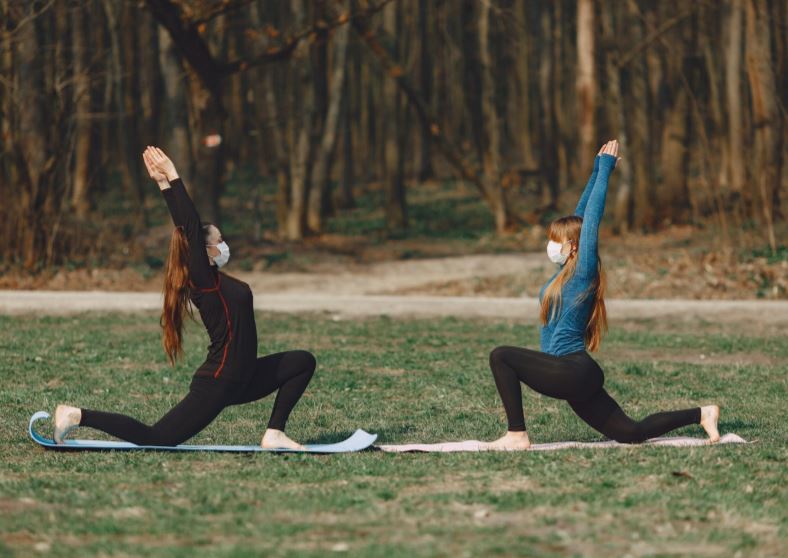
Img2: Changing lifestyle because of Pandemic
The Pandemic
Gehl conducted a Global Study about the role of public spaces in these difficult times. The public spaces considered for the research included street sidewalks, neighborhood parks, yard, courtyard, natural area, large city park, roof/balcony, plaza/ paved public spaces, temporary street closure etc. Astonishingly, 81% people used public spaces for Exercising and 72% for relaxation, even during the pandemic, the research indicated..
Additionally, the ongoing Pandemic has uplifted people’s appreciation for Public Spaces which were otherwise always taken for granted.
Covid-19 cannot be seen as ending 100% anytime soon. Thus, the sooner we start adapting to living in this new way, the easier it’ll be.
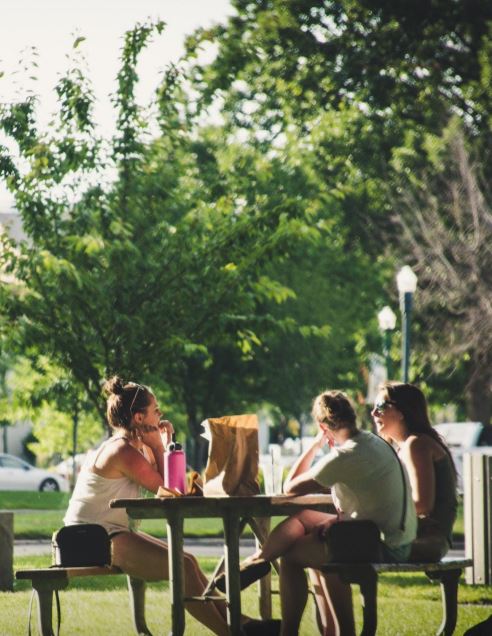
How can we reimagine our urban furniture following physical distancing?
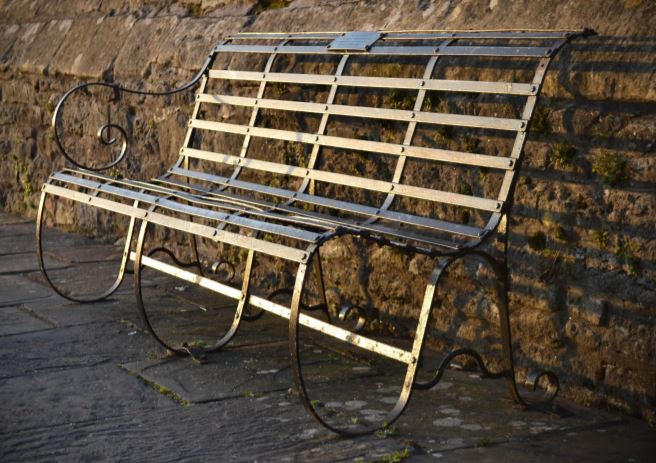
Img 3: Existing furniture found in public places for social interaction.
Brief of the competition
Design Street Furniture that can be placed in Public Spaces (details on the next page).
The proposed design should be a take over existing street furniture following the Physical Distancing Norm.
There is no limit to the size of the proposal. However, an attempt should be made at designing the same in a compact size such that the efficiency of the overall space can be maximised whilst abiding Physical Distancing.
Additionally, the proposed design must ensure that the seating between 2 people is not movable. Thus, either the furniture becomes fixed to the ground/ group seatings form individual modules as a whole.
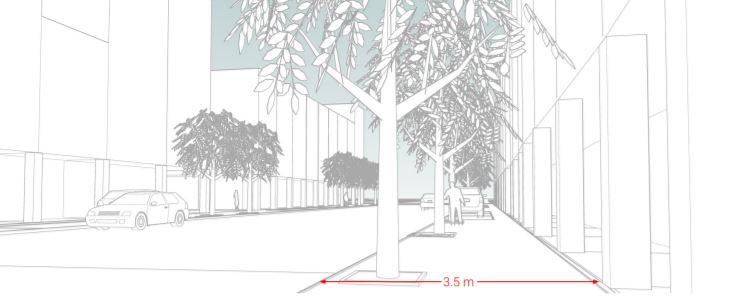
Scenario 1 - Sidewalks: Propose seating for 2-3 people
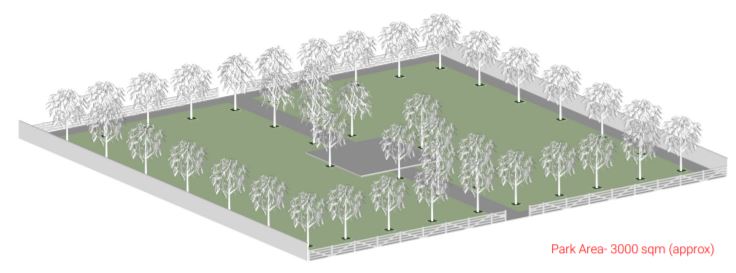
Scenario 2 - Neighborhood Parks-: Propose seating for 2-3 and 5 people
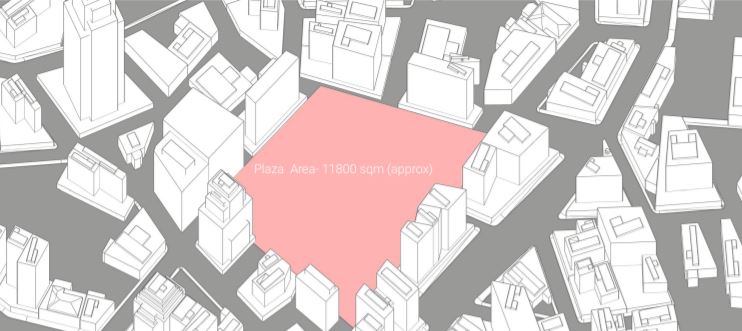
Scenario 3 - Public Plaza in a Commercial/Corporate Neighborhood: Propose seating for a group of 5-10 people
Objectives
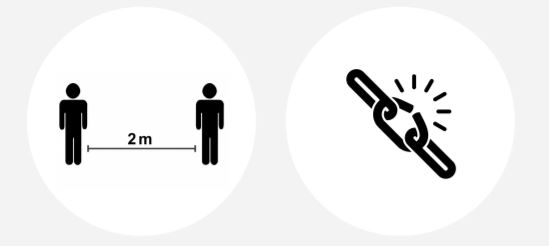
Physical Distancing: Proposed design should follow the social distancing guidelines, i.e. 2m distance between 2 people.
Robust: SInce the intervention is meant for public spaces, durability of it becomes an important factor.
Materiality: Emphasis must be given on the rigidity of the materials used and how can the same be regularly disinfected.
Inclusivity: All age groups must be kept in mind while designing.
Participants can use the suggested objectives to begin their design. However, this is not an exhaustive list. Participants must choose a single city for all the scenarios. Thus, the culture of that city would determine the kind of public furniture required.
Similar Competitions
Discover competitions you might be interested in



Competition to design a workstation for architects

Challenge to merge furniture with learning


The Global Benchmark for Architecture Dissertation Awards

