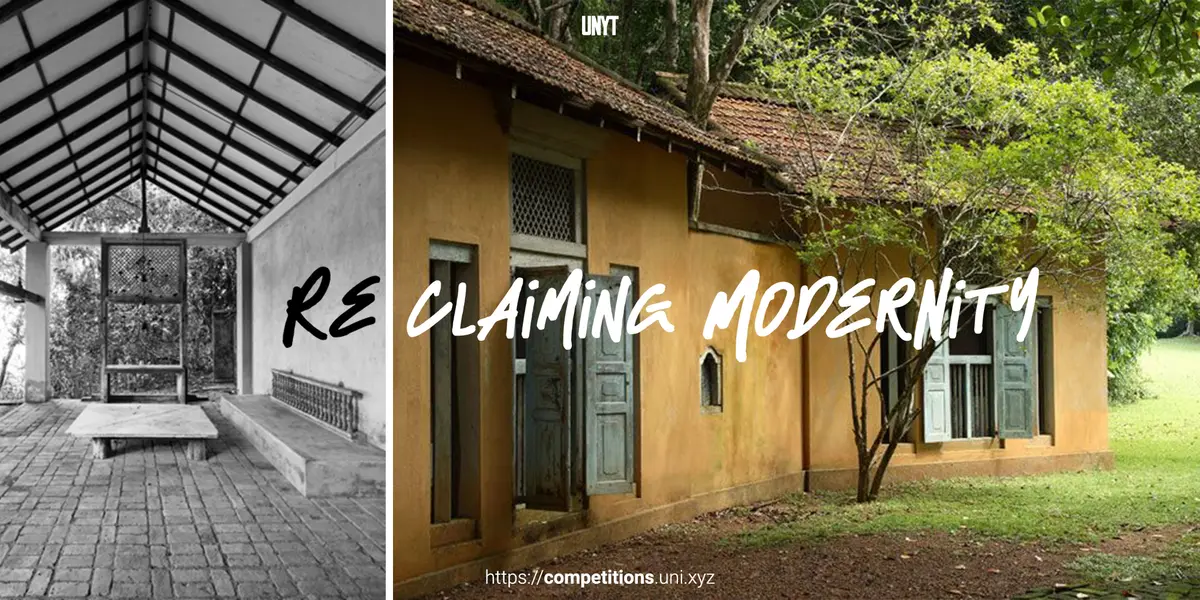
Reclaiming Modernity
Celebrating Geoffrey Bawa
OVERVIEW
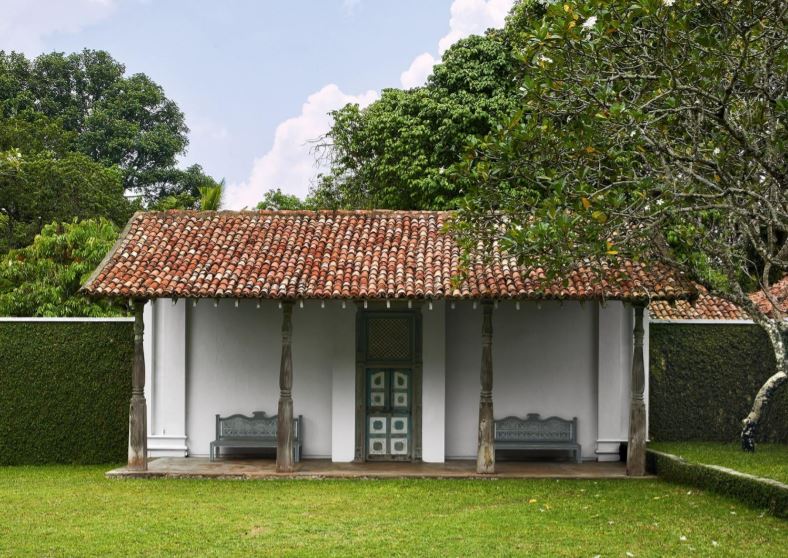
Img 1: The Horagalla Home Source
Premise
Emphasising on the lack of ornamentation and the clarity in function, structural innovation and choice of materials, modernism emerged in the early years of the 20th century in response to the drastic developments in technologies and social circumstances.
Adapting this to the tropics, meant a greater focus on context and climate - local materials, technique, art and the warm humid climate.
Offering an alternative to international modernism, Tropical or regional modernism demonstrated that architecture could reflect context, tradition and time.
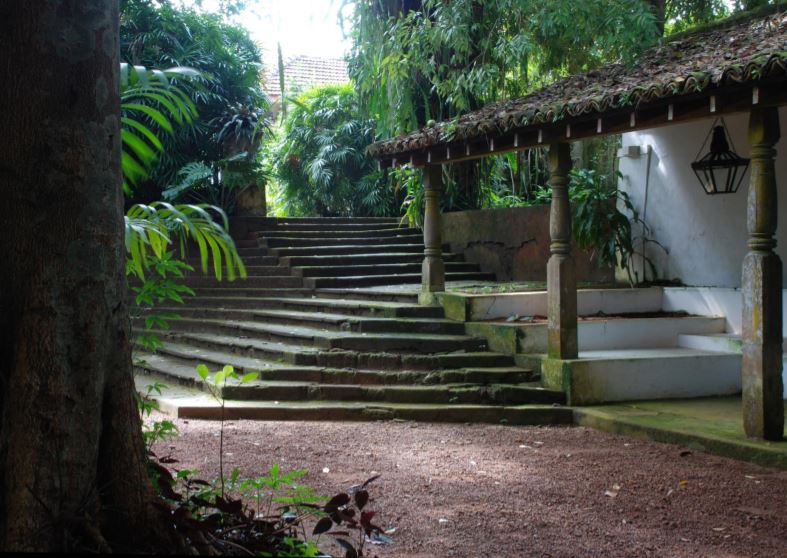
Img 2: Lunuganga, Bawa’s Garden Source
Backstory
In India, Sri Lanka, the Middle East, Africa, and the Caribbean, Brazil, and Mexico; Tropical Modernism rose as a response to colonial architecture as a negation of local tradition, and context, which was known for its formal symmetrical style with a disregard for local technique and craft.
Let's have a closer look at Sri Lanka.
Humble, aesthetic and radical, Tropical Modernism in Sri Lanka manages to reflect the country's traditional, cultural, and historical resources without rejecting new technological influences from the West, while engaging with broader cultural and political questions.
Considered to be one of Sri Lanka's foremost architects, Geoffrey Bawa is credited to be one the founding fathers of Tropical Modernism.
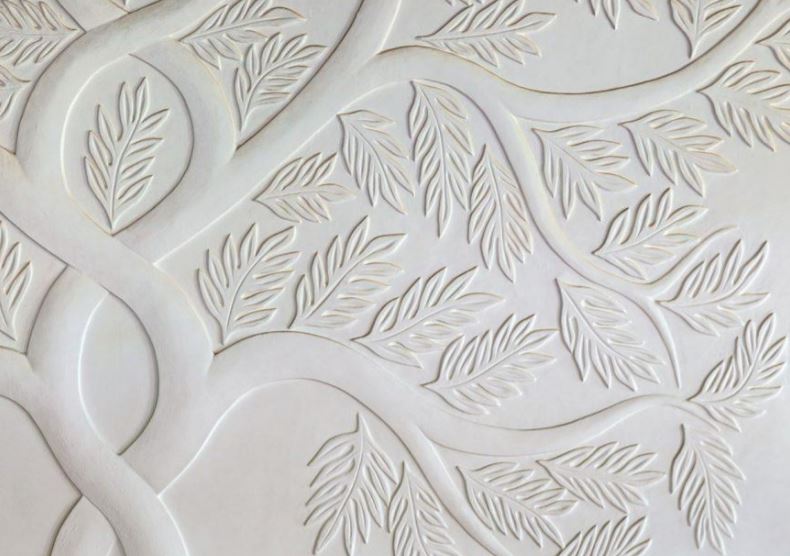
Img 3: The Neptune Hotel (now the Heritance Ayurveda at Beruwala) Source
Brief of the competition
Leaving an everlasting mark on Sri Lanka's built landscape, Geoffrey Bawa's designs establish an unique, recognizable style of design inspiring architects across the world; referencing local conditions while allowing for a modern lifestyle.
Gaining recent traction with the increase in environmental consciousness, Tropical Modernism today mediates between contextual, traditional , passive sustainability and modern construction technology, as well as the international and the vernacular.
Design challenge : Celebrating Geoffrey Bawa birthcentenary, explore how his principles and framework can be scaled to be accommodate modern typologies or urban layouts, in this context an institute of learning and design.
Objectives


Adapt: The vernacular to modern userneeds and contexts
Explore/Experiment: With techniques, materiality and concepts
Context: Response to climate, materiality and technique
Connect/Balance: The old and the new, the indoors and the outdoors, function and aesthetics
The following objectives can be a point of beginning to conceive this design. Participants can assume their own contexts and users before initiating their design process.
Programmatic Outline
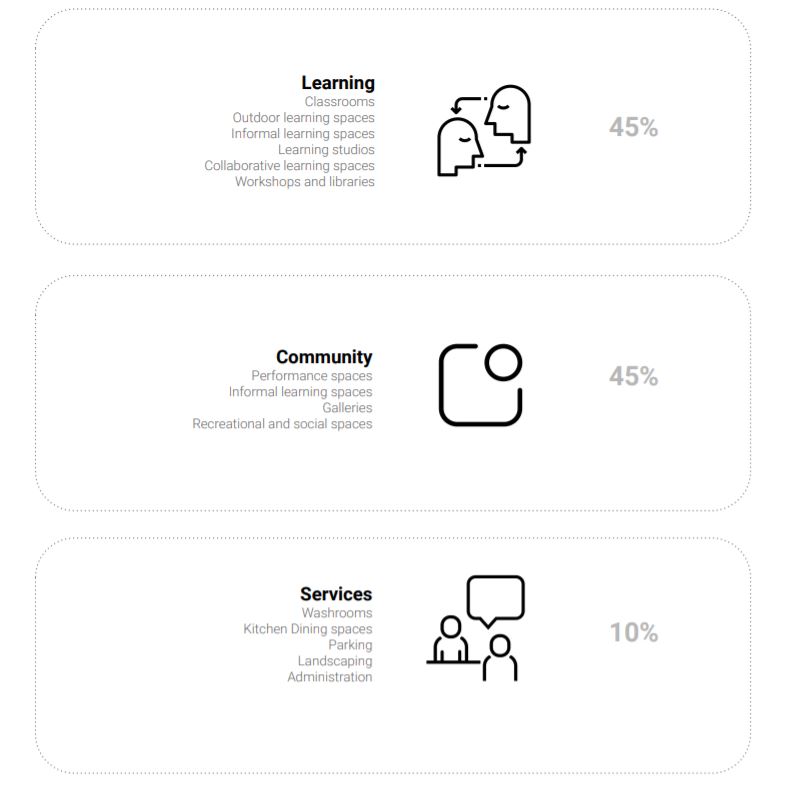
A programmatic outline intended to host about 250 students at immediate expanse, is recommended for this challenge. Participants are recommended to craft a schematic programme based on these given segments or they can propose something new altogether.
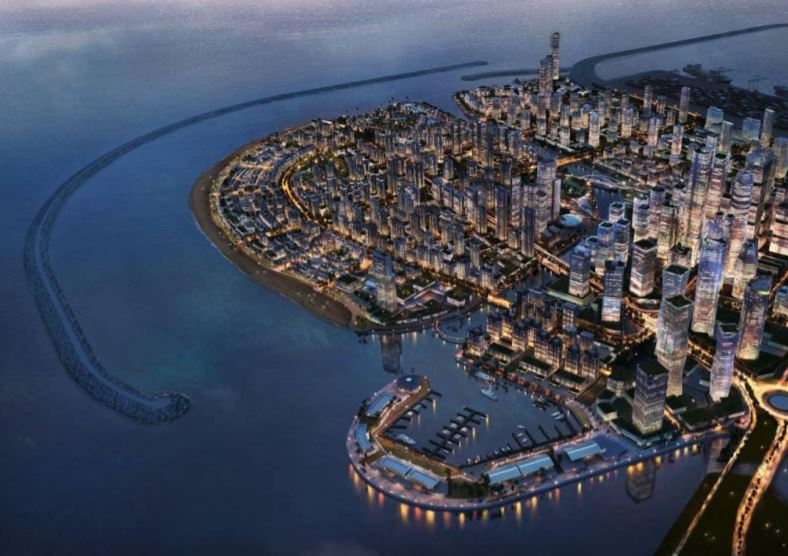
Img 4: An aerial rendering of Port City Source
Context
Around this time last year, Sri Lanka's Capital City of Colombo reached a milestone on its land reclamation project spanning 269 hectares, almost doubling the size of Colombo as we knew it.
Currently in the midst of its second phase, it is envisioned to be a busy financial district, with glass skyscrapers, hospitals, hotels and even a theme park.
While artistic impressions show a cityscape comparable to Dubai or London’s Canary Wharf, will the Capital City still be able to reflect its roots and the local context?
How can we incorporate local building traditions, aesthetic and craft into the built environments of today, championing local materials and handicrafts alongside modern technologies?
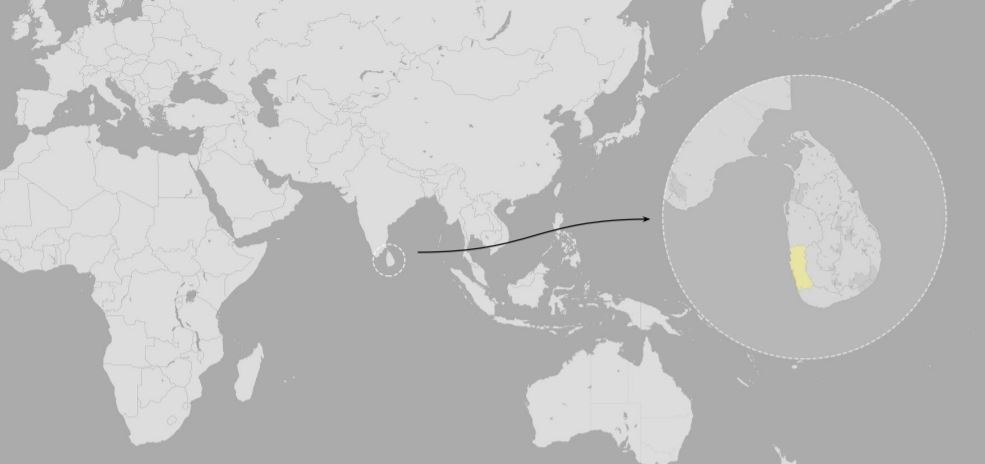
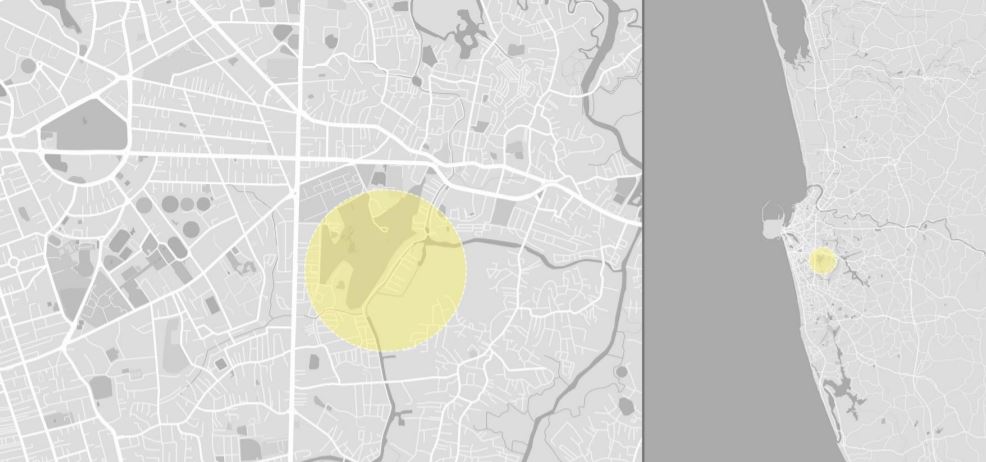
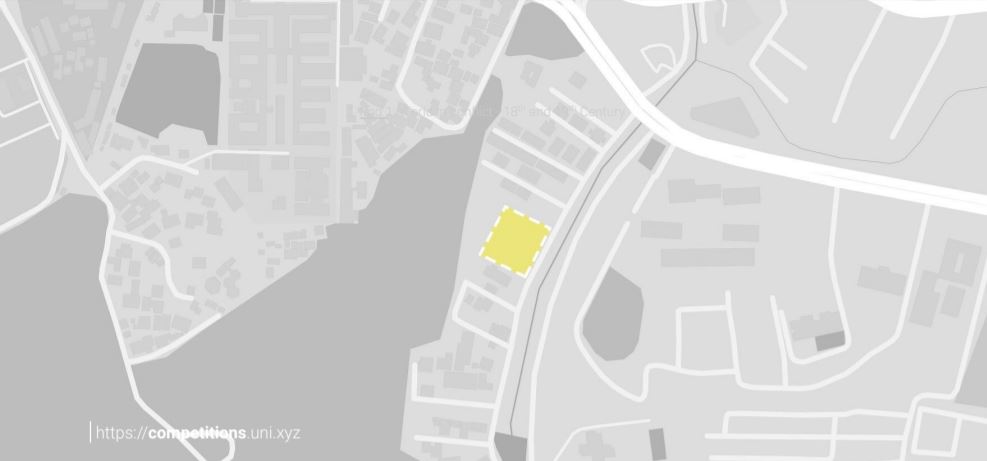
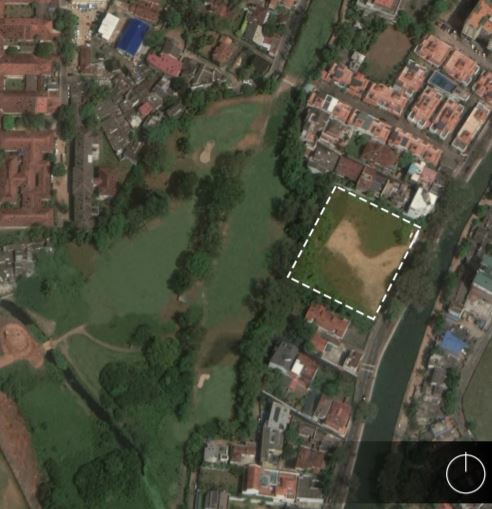
Img 5: Location of the site in context to its neighbourhood
Site Plan
Situated at less than 2km from the City College of Architecture, the proposed site sits opposite a canal, in the neighbourhood of Rajagiriya (a suburb of Colombo), a part of Sri Lanka's administrative capital of Sri Jayewardenepura.
FAR 2 | 5521 sq m | 6°54'30.1"N 79°53'13.8"E
Only regulations to be followed: Height restrictions - 7m , Setbacks of 5m on the site front and 3m on the other three sides