
Red Planet Renaissance
Martian Habitat Design Challenge
OVERVIEW
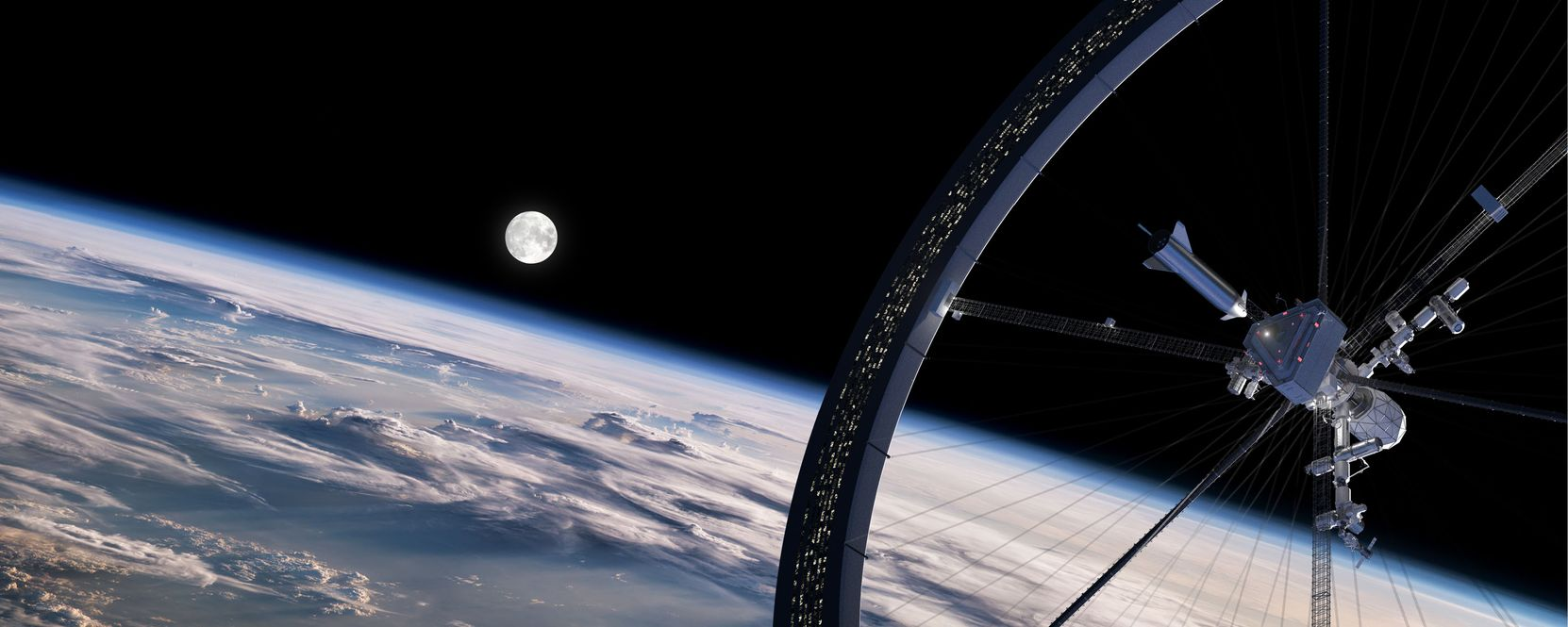 Fig: 1 - Space exploration has always piqued human interest and the possibility of using the resources available in this new domain has motivated several space missions over time. Image source: Foundation 2040
Embracing a New Frontier
As we gaze upon the vast cosmos, an infinite expanse of stars and mysteries, we find ourselves at a pivotal moment in our evolutionary tale. The universe, a grand canvas of celestial bodies and phenomena, beckons with its unexplored mysteries and hidden treasures. Within this cosmic dance, our home galaxy, the Milky Way, cradles a small, yet significant, red dot – Mars. This distant world, shrouded in myths and dreams, now stands at the forefront of humanity's greatest quest: the colonization of a new planet.
For eons, Earth has been the lone oasis of life in the stark vastness of space. Yet, the undying curiosity and relentless spirit of humankind have always driven us to look beyond our blue planet. Now, the concept of space colonization, once a mere figment of science fiction, is rapidly morphing into a tangible reality. The question that looms large in the cosmic arena is: Are we prepared to extend the boundaries of human existence to another planet?
The endeavor to inhabit Mars is not merely a test of technological might but a profound leap in planetary engineering. Mars, with its rugged landscapes, thin atmosphere, and extreme climate variations, poses a unique set of challenges. How do we transform this alien world into a habitable haven?
What innovations in architecture, technology, and ecology are needed to make Mars a second home for humanity?
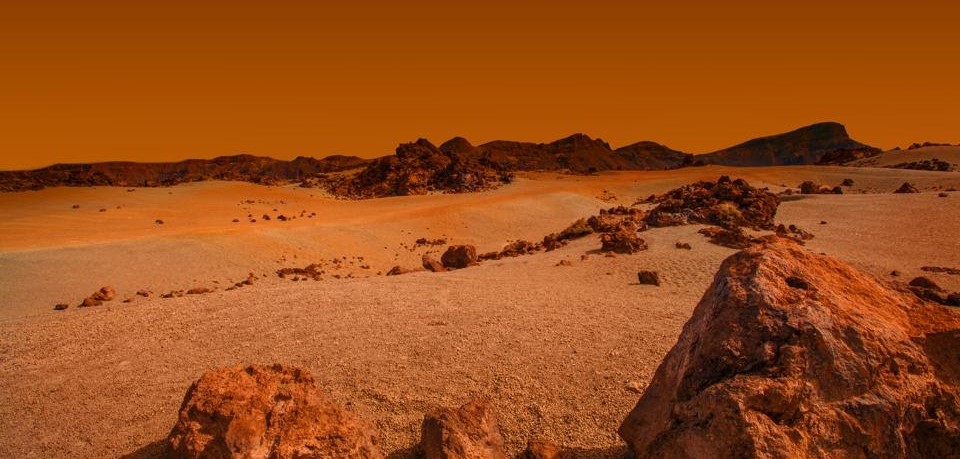 Fig: 2 - Traces of the existence of some life forms has been found on the planet Mars at the beginning of this decade. (Credits: Forbes/Getty)
The Promise of a New Dawn
Red Planet Renaissance embodies the dawn of a new era in human exploration and ingenuity. It is not just about constructing habitats; it's about engineering ecosystems, about crafting a synergy between human life and the Martian environment. This challenge beckons architects, dreamers, and visionaries to envision a future where humans thrive beyond Earth. How will we redefine living spaces where none have existed before? What blueprint will we create for life on a planet 225 million kilometers away?
This competition invites you to be part of a pioneering journey to redefine life on Mars. It’s a canvas for your boldest ideas and most innovative designs. What would life on Mars look like under your architectural vision? How will your designs encapsulate the resilience and adaptability of the human spirit?
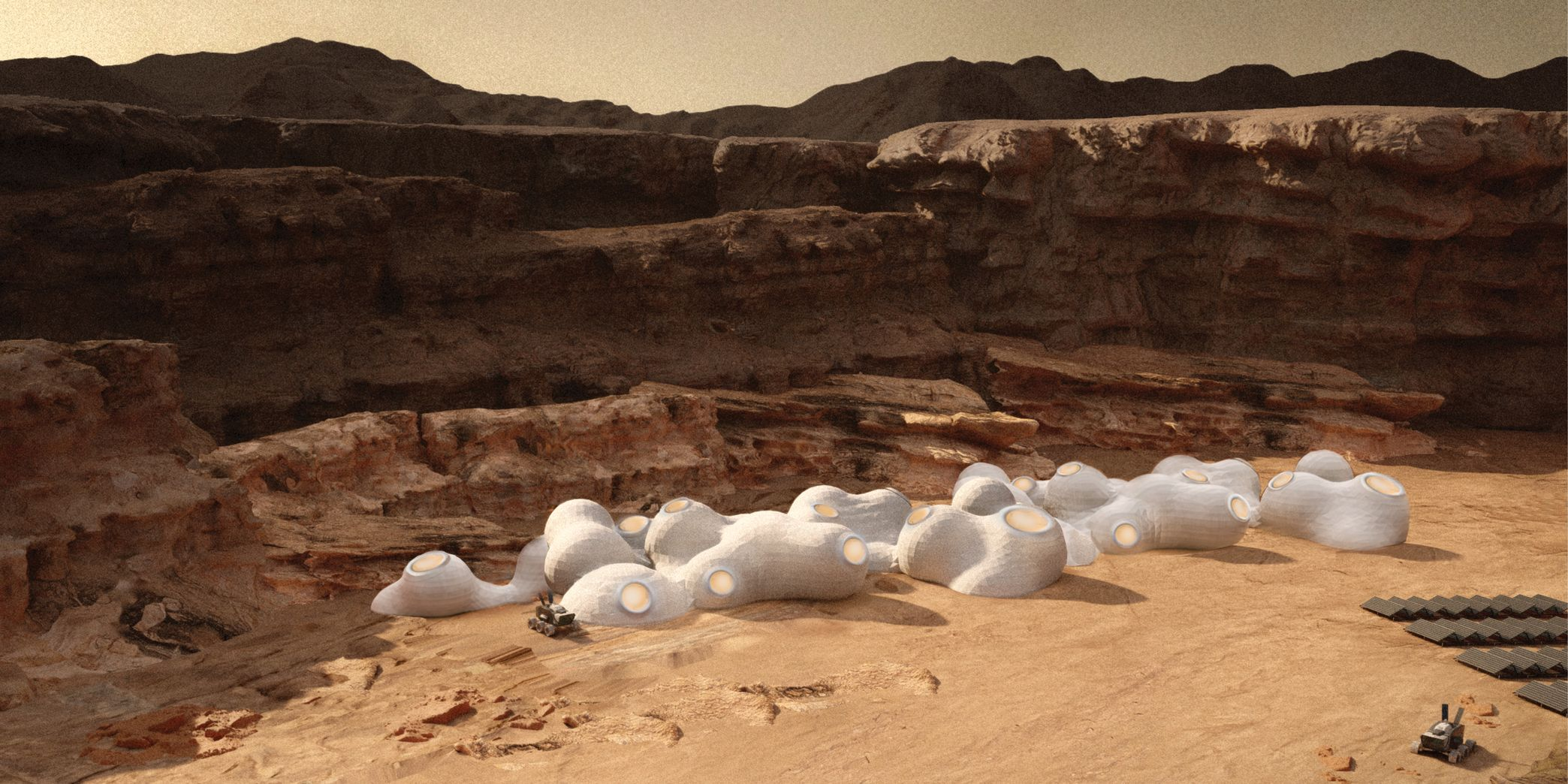 Fig: 3 - The colonization of Mars is planned to begin in the next few years and proposals are being drawn up for colonies.(image source: MYCOMARS)
Brief of the Competition
Since the dawn of the 20th century, humankind has gazed towards Mars, envisioning it as a beacon of future expansion. Numerous missions have scouted its desolate landscapes, probing its mysteries and potential. Today, we stand at the threshold of a new epoch – not just to explore, but to inhabit. The Red Planet Renaissance: Martian Habitat Design Challenge invites visionaries to forge a path for humanity's future on Mars.
The Challenge
Your task is to conceptualize a design for a modular housing colony on Mars. This habitat must be more than a mere shelter; it must be a cradle for a new way of living. The designs must ingeniously weave functionality, sustainability, and adaptability into a cohesive whole. They should address the unique conditions of Mars – its thin atmosphere, harsh climate, reduced gravity, regolith soil, and extreme variations in illumination.
Design Objectives
Material + Technology
- Objective: Utilize materials and technology that are not only suited to the Martian environment but also contribute to the sustainability and efficiency of the habitat.
- Key Considerations:
- Innovative use of Martian resources for building materials.
- Integration of advanced technologies like AI, robotics, and biotech.
- Emphasis on durability and functionality.
Form + Space
- Objective: Design living spaces that encapsulate all essential functions for off-planet living, while also promoting psychological well-being and a sense of community.
- Key Considerations:
- Efficient and adaptable space planning.
- Inclusion of communal and private areas.
- Design for comfort and usability under Martian conditions.
Resilience
- Objective: Ensure that the construction can withstand Mars' extreme conditions, including temperature fluctuations, radiation, and dust storms, as well as adapt to unexpected future challenges.
- Key Considerations:
- Robust structural designs.
- Protective measures against environmental hazards.
- Flexibility to adapt and evolve with future technologies and discoveries.
Self-sufficiency
- Objective: Minimize reliance on Earth for resources. The habitat should be designed to maximize the use of Martian resources and be as self-sustaining as possible.
- Key Considerations:
- Systems for energy generation and storage, such as solar or nuclear power.
- Water harvesting and recycling.
- Sustainable food production methods like hydroponics and aeroponics.
- Resilience Against Martian Elements: The habitat must stand resilient against Mars’ extreme conditions, from its intense radiation to its abrasive dust storms.
- Adaptability and Flexibility: Your designs must anticipate and adapt to unexpected changes in the Martian environment. How can these habitats evolve over time to accommodate unforeseen challenges and advancements?
- Sustainability and Self-Sufficiency: The colony should strive for self-sustenance, minimizing reliance on Earth for resources. This includes innovative approaches to energy, water, and food systems.
- Integration of Advanced Materials and Technologies: Utilize the latest in material science, 3D printing, AI, robotics, and biotech to create efficient and sustainable living spaces.
- Psychological and Social Well-being: Consider the psychological impacts of living on a foreign planet. How will your design foster a sense of community, comfort, and normalcy for its inhabitants?
Thought provoking Questions for Participants
Reimagining Living Spaces: In a world where traditional architecture meets the unknown variables of Mars, how will your design redefine living spaces? What elements of Earth architecture can be adapted, and what must be entirely rethought?
Interplay of Technology and Habitat: How will the integration of AI, robotics, and advanced materials transform the daily lives of Mars colonists?
Sustainability in an Alien Environment: With limited resources and harsh conditions, how will your designs achieve sustainability and self-sufficiency? What innovative methods will you employ for energy, water, and food sustainability?
Human Experience on Mars: How will your design address the psychological and social needs of its inhabitants? What features will ensure comfort, promote mental well-being, and foster a sense of community?
Mars Exploration by NASA
The year 2021 was particularly ground-breaking for NASA since the most advanced rover, Perseverance, successfully landed on the surface of Mars, after a 203-day journey. The Perseverance rover is to collect Mars samples and return them to Earth.
The 2020 Perseverance mission is dedicated to astrobiology research. This includes the study of the planet's surface, topography, climate, and signs of ancient microbial life. The rover landed in Jezero Crater, which is believed to have once hosted a water delta.
The rover is equipped with high-definition cameras that have sent the first-ever recordings and images of the planet. This visual documentation will assist in learning more about the planet's conditions. The mission also paves the way to future missions with robotic and personnel crew.
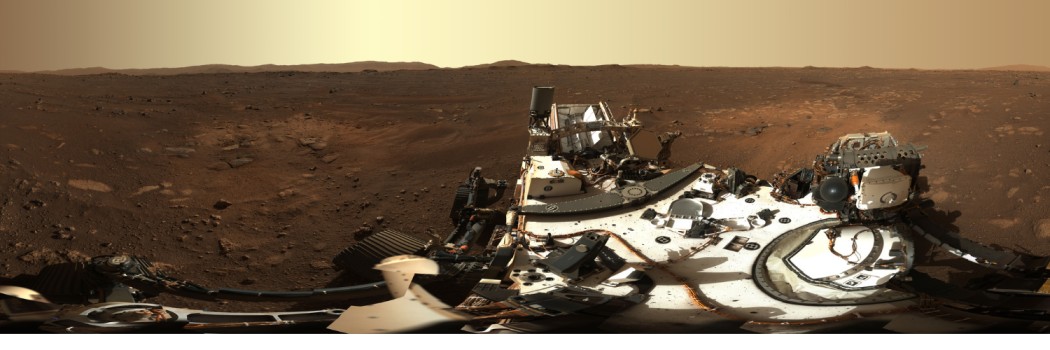 Fig: 4 - NASA’s Perseverance Mars rover was sent on a mission to recover images of the planet Mars. (Credits: NASA/JPL-Caltech/MSSS/ASU)
Site
The participants are free to choose the site on mars for the challenge. It is necessary to understand that this habitat on a different planet must be built to respond and withstand its varied circumstances. While resilience is essential we need to make sure that a comfortable environment is created for humans, away from planet Earth.
The environment on Mars is extreme. It has almost no gravity, no breathable air, and a very thin atmosphere with high radiation levels. Its surface is rocky with frequent dust storms. The temperature swings on the planet could be from 70 degrees Fahrenheit to minus 100 degrees Fahrenheit on the same day.
The planet is barren, so calibrated use and reuse of transported resources from Earth is key.
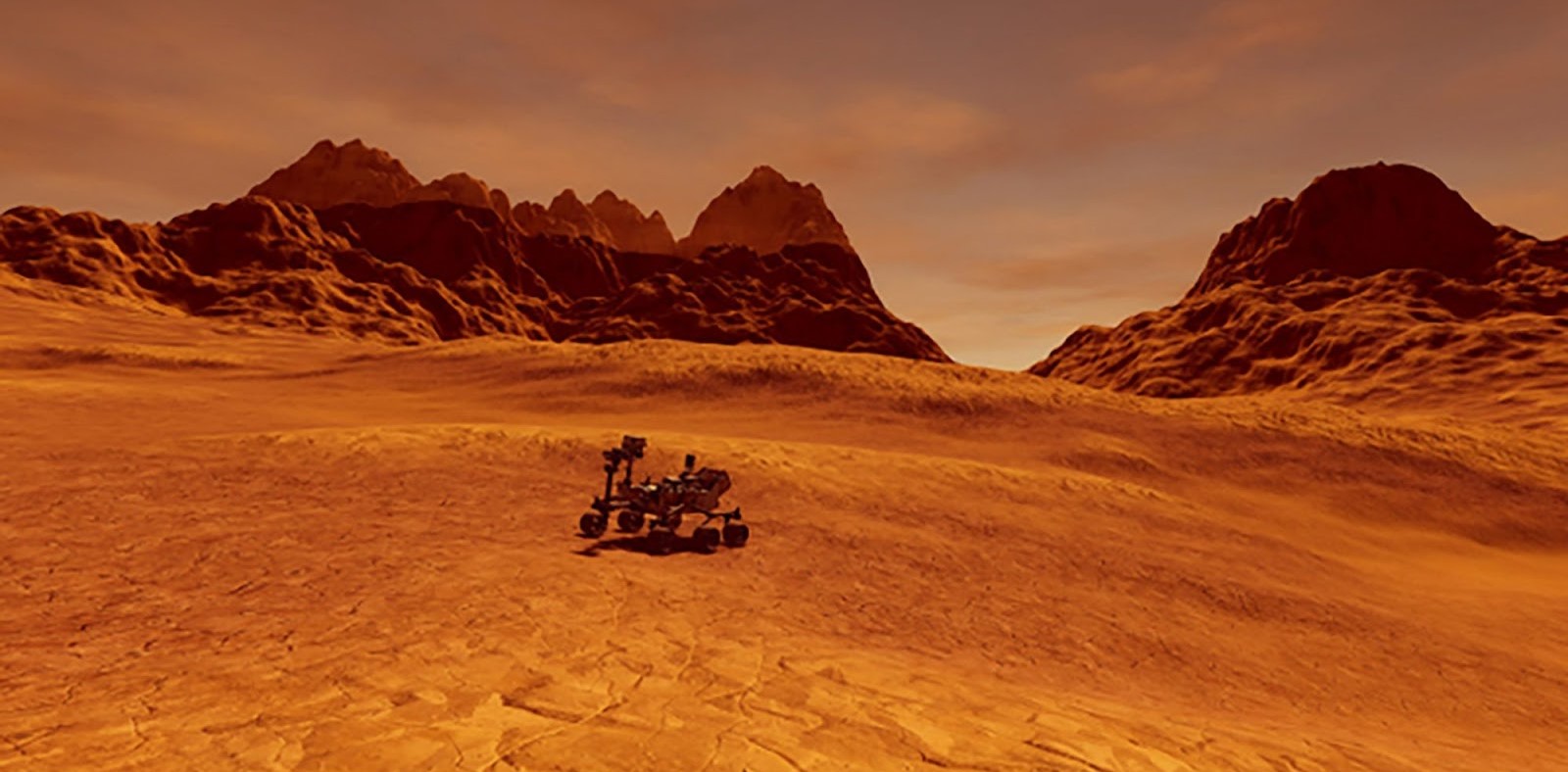 Fig: 5 - Perseverance rover mission gives a closer look at the terrain and resources available on the planet Mars. (Credits: Design Taxi/Shutterstock)
Area Programme
- Capacity: The colony is to be designed for a total of 400 inhabitants.
- Total Site Area: The area for the colony must be confined to 40000 square meters.
Design Flexibility
- Housing Types: Participants have the freedom to propose various housing types, whether they be separate habitats, interconnected modules, or communal living arrangements.
- Space Configuration: Designs should draw inspiration from comfortable living units on Earth but must be adapted for Martian conditions.
Essential Components
- Living Quarters: Individual cabins and sleep pods, optimized for space and comfort under Martian conditions.
- Community Spaces: Communal areas such as dining halls, recreation spaces, and a community center to foster social interaction and psychological well-being.
- Utility Spaces: Includes kitchens, storage areas, and maintenance facilities.
- Green Dome: A dedicated area for vegetation growth, employing hydroponic or aeroponic systems, contributing to food sustainability and air purification.
- Dry Labs: Spaces for scientific research and experimentation, possibly supporting the colony's continued development and self-sufficiency.
- Communication Center: A hub equipped with technology for communication both within the colony and back to Earth.
Sustainability and Efficiency
- Circular Systems: Emphasis on zero-waste systems with closed-loop resource management for water, air, and materials.
- Energy Sources: Designs must prioritize renewable energy sources such as solar panels, possibly supplemented by other Martian-appropriate technologies.
- Water-Efficient Designs: Advanced systems for water recycling and conservation, essential for life support and agricultural systems.
Safety and Resilience
- Radiation Shielding: Protective measures against Martian radiation.
- Structural Integrity: Designs must withstand the Martian environment, including dust storms and temperature extremes.
- Emergency Protocols: Features such as emergency shelters or escape modules, ensuring safety in unforeseen circumstances.
Innovative Features
- AI and Robotics Integration: Utilization of AI for habitat management and robotics for maintenance and operational efficiency.
- Biotech Applications: Innovative use of biotechnology in systems like air purification, waste decomposition, and possibly medical care.
