
Respites 2.0
Nature-centric hospice design challenge
Overview
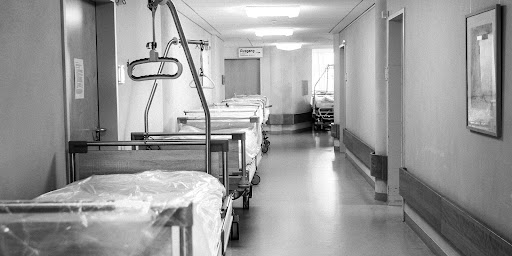 Fig: 1 - Hospice due to its functions is perceived as a typology related to death and sickness (CreditsAante Samarzija)
ARCHITECTURE OF DEATH
Death is the most final truth of life. Accepted, and believed across religions, faiths, and countries around the world. It is an aspect of human existence that makes our lives limited and precious. Addressing this certainty of life, architecture has developed itself around the cycle of life and death. Architecture, being inherent to human existence and its wellbeing, plays an important role in the design for the final moments of life.
For our whole life, we experience architecture in different forms and means, in all the phases it aids to our needs and wants of that age. In the transition from child to adult, from schools to offices, and architecture participates in our lives alongside us. When we are in the final phase of our life, we are often left with a little but precious time which we all aim to make the most of. In such situations providing for the users becomes of utmost importance, as it not only requires a design that provides for the basic needs of the inhabitants but also caters to a more open and connected space that offers relief.
What are the factors that can help in the creation of a space that is made for the final moments?
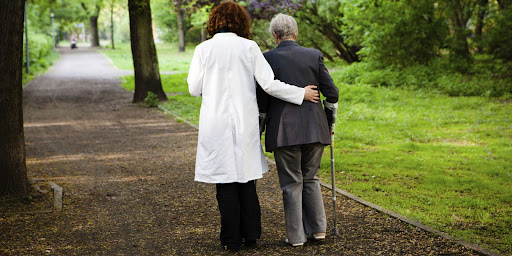 Fig: 2 - Can we combine our healthcare facilities and go back to our roots-nature-to offer a peaceful life to the ill? (Credits-Annette Birkenfeld/iStockphoto
BACK TO THE ROOTS
Hospice design plays a fundamental role in how the inhabitants, and the patients respond and get affected during the last moments at the centre. People during their final days, often crave for connection to nature, to natural environments, as the cycle of life completes back to its roots.
Often due to the severity of their ailments and for medical reasons they spend most of their time inside the buildings than outside. Such situations create a clear disconnect between the inhabitants and nature, making it harder for the inhabitants to experience recovery or relief.
Nature has been said to work as a healing aspect in various different situations; the mere presence of nature in the surroundings can create a great impact on inhabitants' well-being. The need for connection between nature provides an opportunity for recovery, and also relief, relaxation and a stress-free environment.
Considering the concerns and impacts nature has on the people in hospices, through what architectural design strategies can a stress-free connection be achieved successfully?
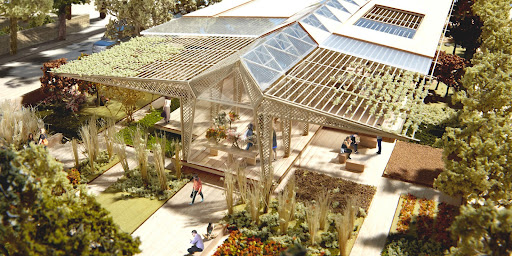 Fig: 3 - Can we strive to achieve a balanced and healing environment through nature in a hospice? (Credits-Maggi’s centre Manchester/Perkins & Will)
BRIEF OF THE COMPETITION
The architecture competition brief calls for a design of a nature-centric hospice design, which is focused on creating and facilitating human nature connected through architecture.
The aim of the competition is to come up with unique design solutions for a hospice that creatively blurs the borders between interior and exterior by offering a direct connection between them. Innovating the concept and idea of a hospice care space, by imagining it beyond as a terminally ill care space, but as a place that offers relief and the opportunity to reconnect with oneself and nature.
Inclusion of different aspects of design strategies that will aid and facilitate the connection of nature, through green, biophilic architectural design strategies.
This design should redefine the way we look at palliative care in a positive and refined manner, thus changing our perception of these spaces and also towards how we respond to them.
OBJECTIVES
Materials: How does this design use a material palette for mental and physical well-being?
Open design: How effectively is the design able to integrate into the surrounding context?
Symbiosis: The degree to which the design is integrating nature into building?
Visual expression: How does the overall design generate a positive response in the inhabitants?
Home-like: Is the design able to provide the needed comfort, care and home likeness?
SITE
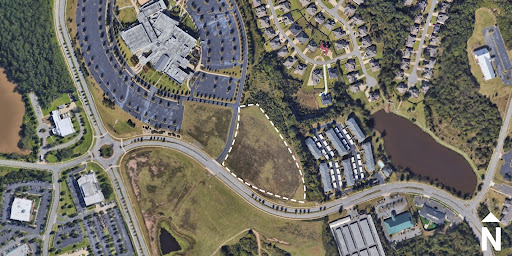
Rock Creek, Little Rock, USA
The USA is the world's third-largest country in terms of size and population. Bordered by the Pacific ocean on the west and by the Atlantic ocean on the east, this strategic location offers a huge variety of diversity in terms of natural landscapes and cultures. The physical environment has a vast range from the Arctic to the subtropical. In the subtropical regions to the mountain peaks, there is abundance in terrain, geology, climatic differences, which makes the variety and expanse of this country its major contributor in terms of global tourist attractions.
The site is located in an area that is connected to nature and also to the city for the availability of resources and amenities in the area. This site is situated in a region that not only offers affinity to the natural surroundings but also prevents the disconnect from the city making it apt for an indirect connection for the patients.
Coordinates: 34°46'08.5"N 92°26'56.0"W
Total Site Area: 17,446 sqm
Site area: 6000 sqm
Height limit: 12 m
Maximum FAR (Floor Area Ratio): 1
Ground coverage of the site area: 40%
Participants are to design a hospice in 6000 sqm of the total site area. They are free to choose any part of the site. Basement activities/parking is not permitted for this competition.
PROGRAMMATIC OUTLINE
The Hospice must accommodate up to 70 patients/beds, and 70 staff members. Spaces for frequent visitors and family members must be designed. Landscapes will be an integral part of such a wellness project.
Entrance 5%
Security, Reception, Visitors room, Locker rooms
Patient spaces 35%
Private wards, shared wards (There is expected to be a balance of rooms/wards and shared wards. This can be based on a thumb rule by the designer) Emergency ward, Medical room, Rooms for counsellors, Remembrance space and OPD waiting area
Administration 10%
Offices, Admin office, Meeting/conference room, Counsellor’s office, Nurse's rooms, staff toilets and changing rooms
Services 20%
Kitchen and store, dining hall, pharmacy dispensary and storage, store and laundry room for linen and mattresses, provisions/space for bio waste bins
Recreation and Landscape 30%
Meditation space, Prayer/faith room, Library, Lounge, Game/gym room, Courtyard/Open Amphitheatre, Workshop rooms, Media room,
Similar Competitions
Discover competitions you might be interested in



Challenge to design an Ayurvedic Treatment Center


The Global Benchmark for Architecture Dissertation Awards
