
Revivify
Challenge to design an Archeological Park
Overview
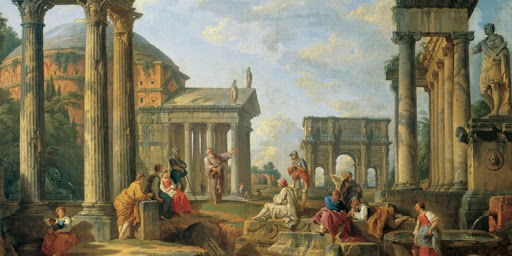 Fig: 1 – Roman ruins with a prophet- The artistic cultural heritage of the Roman Empire served as a foundation for later Western culture, particularly via the Renaissance and Neoclassicism (Credits-Giovanni Pannini)
PREMISE
Cultural heritage can be stated as the legacy of the region's/country’ intangible and tangible attributes inherited from the past. The heritage is an iconic structure/element that represents identities in terms of culture, natural and historic setting of the region.
Tangible heritages like historic monuments irrespective of who built them or their function or need in the past, serve the present through its past architectural style and narratives of the past. They represent diversity and in turn enriches the place by giving it a timeless identity, tourism and in turn economic benefits.
Cultural heritages also bridge the gap between past and present ideologies, structures and the community. Sometimes it acts as a connection through various activities which creates a sense of community between people. Since heritage is a point of connection to the past it unfortunately also acts as a thread for the destruction of it.
In recent times, due to war and conflict, urban development, excessive tourism, looting and climate crisis, these tangible and intangible are undergoing long-lasting destruction.
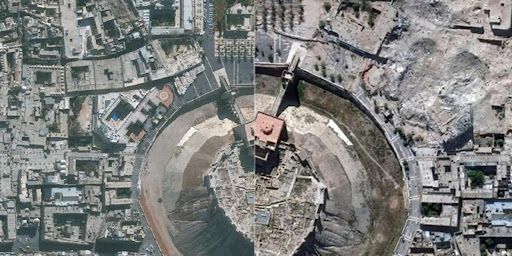 Fig: 2 – The before and after conflict the urban heritage of Syria (Credits-The Daily star-Lebanon)
CONSERVATION
Particularly due to globalization, political instabilities, massive reconstruction of the urban fabric, conservation of cultural heritage is becoming an urgent concern. Cities undergo infrastructural and social changes due to various economic, political transformations. In the process of these changes, important monuments or structures undergo structural changes or destruction.
Physical changes imply not only the alteration of a building but also the spaces encompassing them and the activities or spatial significance it determines. Sometimes the urban environment and the nearby community as a whole is at the risk of losing their sense of place, environmental integrity and cultural foundations.
Thus, even more so than external factors of destruction or conservation, the existing community of that region plays a huge role in determining the value of retaining the heritage. The matter of conserving the architectural/archaeological quality of structures is now also extended to the urban fabric, the past and present of the community.
H3: In this situation, can an architectural intervention act as a catalyst for conservation between the urban fabric and the heritage?
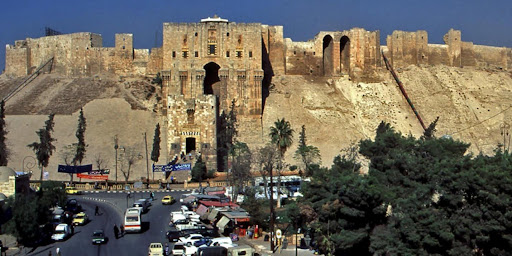 Fig: 3 – The Citadel’s high wall and gateway 2002 (Credits-World monuments fund)
CITADEL OF ALEPPO
The citadel located in Syria is one of the remarkable examples of military architecture in the Middle East. It stood at the centre of the Old City of Aleppo, which was recognized as a World Heritage Site by UNESCO in 1986.
The earliest archaeological evidence of occupation found in the Citadel dates to the third millennium BC, although the site was likely occupied even earlier. Its structural and architectural integrity to date shows the iconic position in the monuments of the Middle East.
Although the perimeter and parts of the citadel which were restored by AKTC were destroyed in the 2014 bombings. The surrounding public buildings and the city were also either severely damaged or destroyed.
The Citadel situated on top of a natural limestone hill, still dominates the Aleppo skyline, a powerful symbol of the city’s heroic past and scars from the present. It has been on the list of world heritage in danger since 2013, with an urgent need for conservation of the building as well as the nearby area.
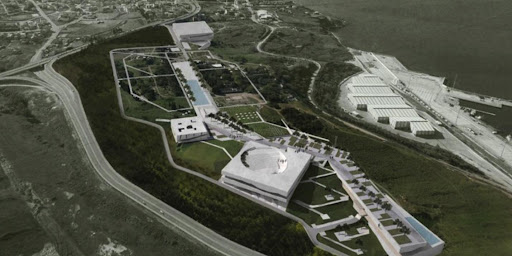 Fig: 4 -Bandirma Archeological park proposal-Concept (Credits-Architension)
BRIEF OF THE COMPETITION
The Old City of Aleppo continues to be severely damaged because of the armed conflict. Thus, the destruction of the citadel and the region around it needs extensive reconstruction and recovery of its social, communal as well as economic fabric.
Since there is still an ongoing conflict with a major humanitarian crisis, international and national authorities are assessing the need for security and conservation of the cultural heritage after the conflict.
Can we play a part in offering possible solutions to the revitalization and conservation of the surrounding areas and in turn contribute to heritage management?
The challenge is to design an Archeological park for the Citadel of Aleppo.
Archaeological Park will be an instrument or tool to devise provisions and a foundation for the overall development of the area by recreational means. The design should focus on educating, raising awareness and involving the public in the reconstruction of the structure.
OBJECTIVES
- Identity & familiarity: Design to reflect the cultural and historic context that is familiar to the inhabitants of the region and thus bringing the community into the process of their development.
- Management & conservation: Provisions for conservation and open/workshop spaces and learning provisions for the same.
- Recreational: The project will also act as a means of tourism and recreational activities.
The objectives can be a point of beginning to conceive this design. Participants can assume their contexts and users before initiating their design process.
SITE
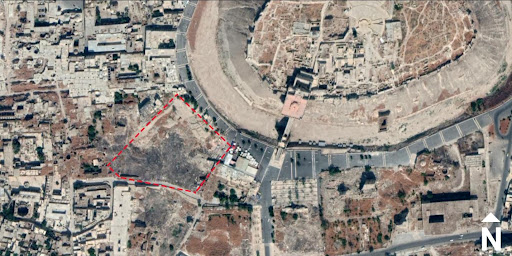
Aleppo, Syria
The entire vicinity near the citadel was affected by the bombings and is still under reconstruction. The selected site challenges the participants to propose a revival design plan through tourism and to improve and encourage the community to participate in the rebuilding of their surroundings and identity.
- Coordinates: 36.198161 37.1603564
- Site Area: 12,298 sqm
- Height Limit: 6m
- Maximum FAR: 1
- Ground coverage: 50%
Setbacks (as per CAD plan)
Ground Coverage refers to the ratio of maximum allowed solid/permanent footprint on the site to balance the built and unbuilt spaces. You can utilize the other 50% of the site for any temporary intervention/recreation.
PROGRAMMATIC OUTLINE
Administration and Management 25%
Administration offices, Conference/meeting room
Community, Information and Recreation 65%
Garden/Park for the local community, Visitors/information centre/Exhibition area, Open/semi-open Workshops spaces, Library, gathering spaces, Souvenir shop.
Utilities and services 10%
Restaurants, Cafeteria, Toilets,
The programmatic outline is the point to begin your design at. You can add more functions and activities in relevance or modify the above design programme.




