
Rocky Mountain
Design challenge for architecture in extreme conditions
Overview
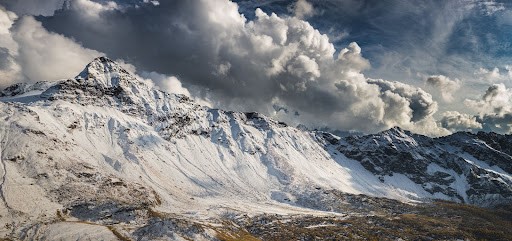 Fig: 1 - Avalanches occur in high altitude peaks and this frequency of landslide of snow is increasing due to the indirect impact of global warming and subsequent climate change.
CLIMATE CRISIS
Architecture, since humans first began building accommodation, has strived to adapt the local elements in a region to create opportunities of comfort and rest, for its human creators.
In extreme climate conditions, this need to respond to pre-existing environment context becomes more important than ever to create appropriately comfortable dwellings. When adapted to the contextual climatic conditions a structure not only gains the ability to withstand the harsh conditions but humans also need to expend less energy to adapt to the space making the space more sustainable in its environment.
As the prevailing climate in a region shifts, environmental concerns need more pertinent attention as these goals may help us develop and imagine a greener future.
Fortunately for us, vernacular architecture provides interesting references to reintroduce often forgotten practices into our futures.
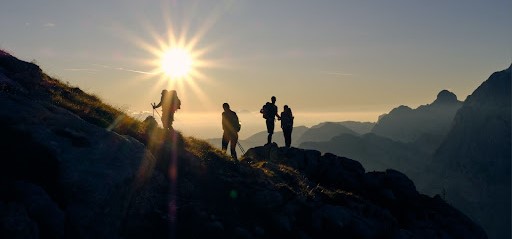 Fig: 2 - As there is a rise in awareness of nature’s bounty, escapes to extreme locations have increased which has accelerated the momentum and scale of the tourism industry.
SLOVENIA’S PEAKS
Slovenia has three primary landscapes that make up its geography - the rocky coast of the Istrian Peninsula, the mountains of the Julian and Karavanke Alps and a portion of the Pannonian Plain. Each of these geographical conditions has played an integral role in determining vernacular architectural styles.
This project will look particularly at Slovenia’s section of the Julian Alps, a mountain range that stretches from northern Italy to Slovenia where the highest peak called Mount Triglav rises to 2,864m. These alpine valleys are characterised by glaciers and mountain torrents, helmed by massive snowy peaks that are home to a magnificent breadth of natural and cultural treasures.
The rich context setting of scenic landscapes and unique terrain has promoted tourist activities like hiking, trekking and other extreme sports at the location. But the rocky mountains, like many high peaks across the world, are sensitive to extreme climatic conditions including avalanches, heavy snowfall, strong winds and extreme cold.
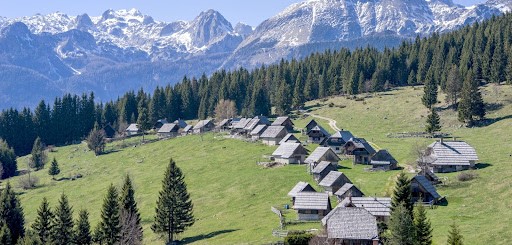 Fig: 3 - Humans have inhabited many terrains and the local techniques of the building can be adapted and modified as and when needed.
STAY IN THE ALPS
The Slovenian Alps are sparsely populated, however, they are frequented by numerous trekkers and hikers. So this design enquiry will begin to look at the extreme climatic condition by designing spaces for these trekkers.
Brief: The architecture competition brief calls for a design of a habitable unit for trekkers who would like to dwell for slightly longer periods to better explore and experience the terrain.
The intent is to challenge architectural and design skills to imagine innovative, climate-responsive habitats in extreme climatic conditions inspired by existing vernacular practices in the region. You may employ new materials and technologies but remember the space is designed for individuals who intrinsically respect nature and therefore, would not seek extensively artificial spaces.
Additionally, the difficult conditions in the Slovenian Alps may be challenging to construct in, therefore the outcome must be easy to transport to site, modular, low maintenance and resilient to harsh weather conditions.
OBJECTIVES
Form: Experiment with form and structure to create novel design outcomes in harsh conditions.
Climate Responsive: The design must be able to sustain itself through harsh climatic conditions.
Transportation: The design should be easy to transport and situate to its site.
Cost-Effective: The design outcome should be low maintenance and cost-effective in its materiality and design.
SITE
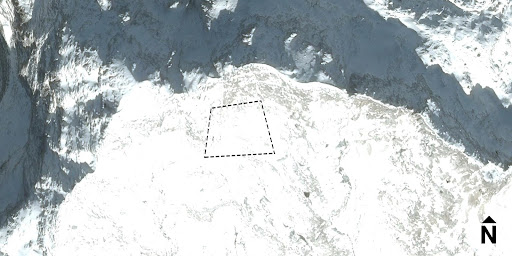
The site for this project is located in the Slovenian section of the Julian Alps. The site is on the Kanjavec mountain peak. Kanjavec is typically ascended from the south. The southern slopes are also popular for skiing and offer breathtaking views over the Zadnjica valley.
- Site Area: 5,578 sq.m
- Height Restrictions: No cap
- Coordinates: 46°21'35.0"N 13°48'33.2"E
You may choose to place your housing unit anywhere in this indicated boundary.
REQUIREMENTS
The focus of the challenge is the design of the habitable unit module for the Alps, which can create a comfortable environment for long duration tourists. Since the use of the designed spaces is temporary, ensure that maintenance and care are easily possible during the off-seasons.
The following conditions must be fulfilled.
Condition 1:
The participant must design a single living unit with an area restricted to 50 sq.m. Each unit must be able to accommodate up to 4 trekkers. The unit must consist of:
- Space for bedding
- A bathroom
- A small kitchen space for quick meals
- A balcony or open space
Each unit must be self-sustainable with supply (electricity, heat, water) and maintenance systems embedded in the module design.
The technical details of a single module must be documented by the participant.
Condition 2:
The single living unit module must be replicated to achieve a total of 20 units so as to demonstrate how a hospitality facility in an extreme location would operate. Total accommodation area: 20 x 50 sq.m = 1000 sq.m.
The demarcation of the following spaces is required to ascertain the functioning of living units. The level of detailing of these spaces is up to the participant.
- Shared facilities ~ 500 sq.m (leisure and recreation)
- Ancillary spaces ~ 200 sq.m (reception, offices, staff lounge and quarters, etc.)
- Services for maintenance of the facility (as needed)
Similar Competitions
Discover competitions you might be interested in



Challenge to design a shop stop sunk in the city


The Global Benchmark for Graduation Excellence


The Global Benchmark for Architecture Dissertation Awards
