
Se-parate
Re-thinking public furniture during the pandemic
Overview
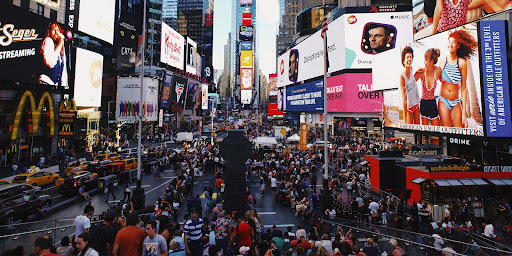 Fig: 1 - Public spaces in cities have proved to be instruments of transforming public behaviour physically as well as psychologically (Credits-Robert bye)
PUBLIC SPACES, A MEDIUM TO SHAPE SOCIAL BEHAVIOUR
The phenomena of public space controlling social behaviour are not alien to the urban world. In fact worldwide, policymakers have implemented various strategies to both encourage and discourage certain forms of public behaviour through design.
As more policies begin to get implemented in order to shape our public behaviour our relationships with our cities change.
Covid 19 has further fueled these fires.
For example, by creating acrylic seat partitions or benches that slope the public world increasingly discourages acts of rest, repose or any of the less serious activities that make us human. Activities that are not solely intended for a productive goal. However, cities and communities need a public life to maintain community well being.
Communities need public spaces that encourage community interaction rather than discourage them through increased restrictions.
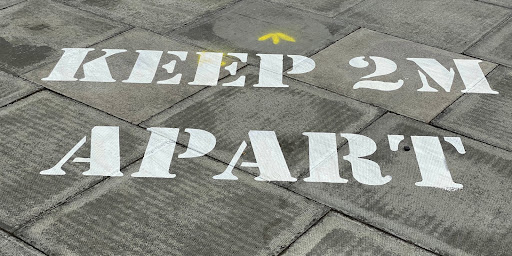 Fig: 2 - The pandemic has transformed social behaviour drastically (Credits-John Cameron)
RESTRICTED INTERACTION DUE TO COVID-19
The Covid-19 Pandemic has impacted and altered public behaviour in an unprecedented and all-consuming way. As countries have struggled to deal with the pandemic while employing public strategies to hinder the spread of the virus, the use of public spaces has seen a new dimension of restriction.
The public world, particularly public furniture has seen the creation of partitions, marking of seating, restricting movement and more. While this restriction is important in order to curb the spread of the virus these increased acts of policing affect social behaviour in the longer run.
Public spaces emerge as less welcoming and more rigid and thereby curb free public behaviours.
While we continue to navigate our relationship with public space it may be valuable to stop and ask ourselves whether the measures we use today are indeed ideal for the community of the future?
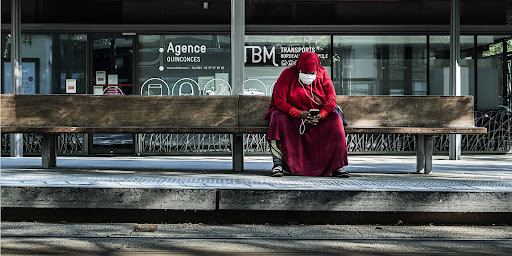 Fig: 3 - How will your public furniture transform the image of a public space in current times? (Credits-Clement Falize)
REDESIGN PUBLIC SEATING FOR THE PANDEMIC
The Pandemic is still present around us and with it is introduced a newer dimension to restrictions in public use of space. While these restrictions are undeniably essential to limit the spread of the virus, it may be valuable to consider the manifestation of these restrictions.
It may be valuable to consider how they are affecting our public behaviour and by extension our communities and relationship with the city and attempt to harness their effects in more positive ways.
For this challenge, you must relook at seating in public spaces in regard to social distancing.
Design a bench/chair/any form of seating that can be placed in Public Spaces such as sidewalks, parks, plazas or any form of gathering space.
The proposed design should be a take over existing street furniture following the Physical Distancing Norm. The design must maintain the necessary, presiding health concerns but must also be sensitive to the public behaviour it shapes. You may choose to create your solutions as extensions of existing public furniture or choose to ideate new furniture typologies entirely.
OBJECTIVES
- Analyse: Existing strategies of social distancing and their effect on social behaviour
- Design: Design public furniture strategies that maintain healthy social distances but do not negatively impact public behaviour
- Durable: Owing to the public nature of the project, materials, finishes etc must be durable
- Cost-Effective: The design must respond to the prevailing economic concerns that govern a majority of public policies.
SCALE
For this project, you must create one seating typology that strives to maintain health and safety concerns but also encourages a less rigid public behaviour. Available seating space for a single individual should be no larger than 1.2m in length, 0.5 m in seat depth and 0.45m in height of seat from the ground.
While you may combine units or create a network the design should fit both in the context of a street as well as within a park or any public space.
Similar Competitions
Discover competitions you might be interested in



Competition to design a workstation for architects

Challenge to merge furniture with learning


The Global Benchmark for Architecture Dissertation Awards
