
Technosphere
Design a brochure to showcase the effects of the technosphere
Overview
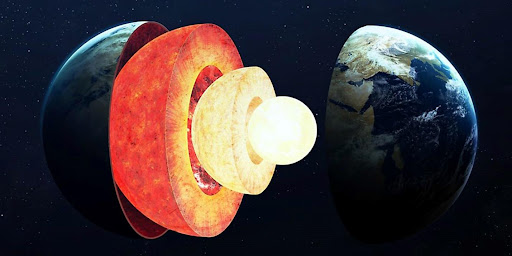 Fig: 1 – Anatomy of Earth (Credits-worldatlas.com)
PREMISE
The Earth that sustains us is made up of different spheres in one form or another, for most, or all, of our planet’s 4.6-billion-year existence. The hydrosphere-representing planet’s water, Lithosphere- is made up of the rocky foundations, the cryosphere- comprises the frozen polar regions and high mountains, the atmosphere- the air we breathe, and the biosphere – made up of all Earth’s living beings
Although, as humans have colonised the Earth’s surface, we have developed progressively more sophisticated tools and technologies. This has formed a base for the emergence of a new sphere–the Technosphere. The sphere comprises a mass of carbon dioxide and all of the technological objects manufactured by humans. It is a developed system, and not just a growing collection of technological hardware.
This system has already formed techno fossils of mobile phones and other worn-out electronic objects, but the number of techno fossil species is continually increasing, as technological evolution now is outpacing biological evolution.
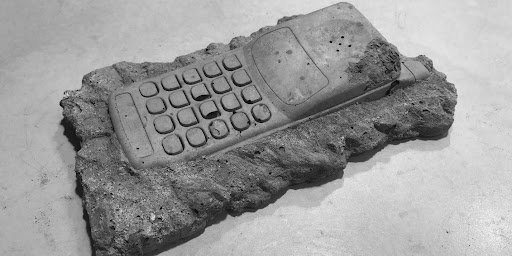 Fig: 2 – TechnoFossil (Credits-quharrison.com)
IMPACT
The Technosphere is now an integral part of the earth, although it differs from the biosphere in one crucial aspect; Recycling. The biosphere is extremely good at recycling the material it is made of, which has enabled it to persist on Earth for billions of years. But the Technosphere remains poor at recycling, and the constant invention and emergence of new technology are only making it worse. It is parasitic on the biosphere and the planet, altering conditions of planetary habitability.
For instance, it has greatly increased (and is accelerating )the rates of extinction of species, climate change and disruption in ocean biodiversity. These changes can in turn damage both our functioning as well as that of the biosphere. However, humans collectively have no choice but to keep the Technosphere operative – as it is indispensable to our existence. The major after-effects of this can be attributed to a lack of awareness among the world at large, the damage done has passed the natural clock of the planet.
If this is the case, how will the future of humankind battle this increasing tragedy?
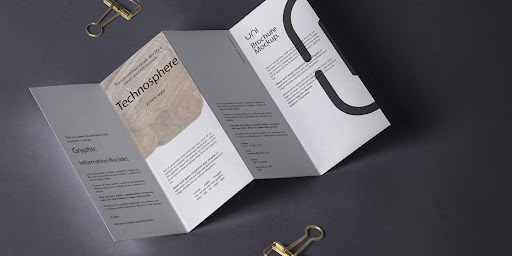 Fig: 3 - Design a brochure that creates awareness and calls for action about the technosphere
BRIEF OF THE COMPETITION
While the first step here is to more fully understand and impart the workings of this new phase in the evolution of our planet and how and where it leads us. What else can be the alternatives to the very problem?
Can we develop the Technosphere itself into a more sustainable form? And through this what are the other means to create a better living for tomorrow?
The challenge is to design a graphic information booklet that aims to inform and make people aware of the workings of the Technosphere while at the same time inspiring dialogue and a call for action.
The competition aims to bring the environmental consequences to the conscience of the general public at large. The designed graphic should at once convey the immense impact of our activities on the Technosphere and how ignorance may be a major factor contributing to the ongoing global crisis.
OBJECTIVES
The participants are to expand on the origins, emergence and future of the technology we use today, to articulate a concluding solution/message in the booklet.
- Awareness: Primary aim is to inform and make people aware of the causes and consequences of the Technosphere.
- Expression: The graphic should effectively communicate its intent and idea to the viewer.
- Lucidity: Clarity in composition and intent to communicate the idea better.
- Visual Language: A distinct visual language to help the graphic stand out for better communication.
The above can be a starting point for participants to conceive their design, listing where the designer’s focus should be in devising the design and qualities that are expected from a good graphic design.
COMPOSITIONAL OUTLINE
The usage of photographs, stylised/ credited or otherwise, directly is strictly not allowed.
The number of pages of the graphic booklet is unto the participant. It may be entirely hand-drawn and rendered, digitally created or a combination of both. Any of the techniques mentioned below may be utilised to achieve the desired outcome. The list is not exhaustive. The more creative the method, the better.
The use of lassoed graphics lifted from an existing image is limited to one-third of the total graphic.

