
The Workshop
Challenge to design a collaborative workspace for makers
Overview
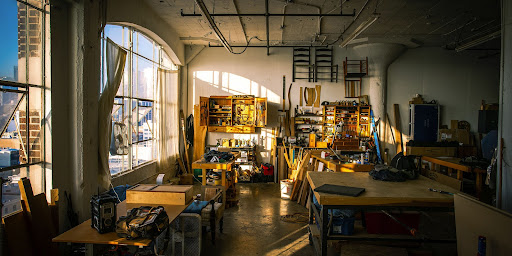 Fig: 1 -Maker’s lab are now on the rise not only for basic workshops but also to support and collaborate with other creative fields/individuals
CREATING MADE ACCESSIBLE
Maker Labs are a relatively new phenomenon in the world of design and work. These spaces are essentially open workshops that provide tools, space and even the know-how for individuals to create with. In essence, these spaces help encourage a maker community where individuals with different interests and curiosities may come together to experiment, design and build. As a result, they increase the opportunities for creative problem solving and collaboration.
Perhaps the most important feature of these spaces, however, is the experimental freedom and opportunities they afford to people who don't always have access to or the funds to access high-end technologies and equipment.
As the future of work slowly changes and individuals are faced with increasing economic constraints it may be valuable to consider creating more such spaces to encourage maker communities and creative problem-solving.
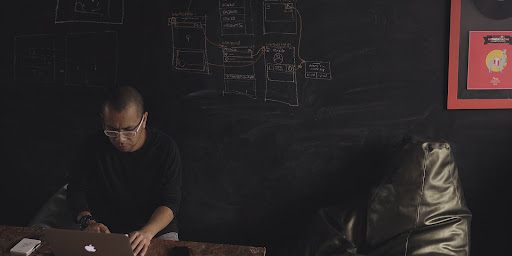 Fig: 2 - The nature of work is changing rapidly, people now chose to work at their own freedom and time
THE FUTURE OF WORK
As technology changes rapidly it has begun to influence the fundamental way in which people work. Companies and people are no longer bound to a physical space. This means that companies can now have access to a larger and more diverse demographic that are not always geographically connected and can work on a contractual basis.
Companies also have the opportunity to reduce their spatial investments. This decentralization of work also means a change in the physical resources one has access to.
As a result, Makers’ labs become attractive opportunities to access technology and equipment that one may not want to individually invest in but are essential or beneficial for one’s work.
In these spaces one not only has access to equipment but one also further diversifies collaboration opportunities.
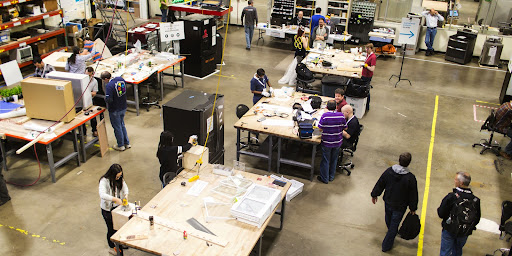 Fig: 3 - How can we develop a cohesive maker’s lab through architecture design?
BRIEF OF THE COMPETITION
As the future of work is less geographically bound and more individually driven, it may be imperative to create spaces such as Maker’s Labs where individuals can not only access equipment but also engage with other similarly motivated individuals.
The challenge here is to envision and design one such maker’s space/workshop.
The solution must be able to provide both equipment and space for individuals and teams to work. In such spaces people often lack the detailed know-how surrounding certain equipment and technology and thus the design must also provide opportunities to learn and assimilate skills from experts.
Most importantly though, the design must attempt to encourage a makers community and thus the space must not just be a workshop but also a space that inspires, encourages creativity and boosts collaboration.
DESIGN OBJECTIVES
- Design: How does the designed space help inspire makers through its form and interiors
- Function: How does the design allow for various functions and spaces for making
- Collaborate: How does the space inspire and promote creative collaboration?
- Educate: How do the space and its program create opportunities for individuals to learn and grow.
SITE
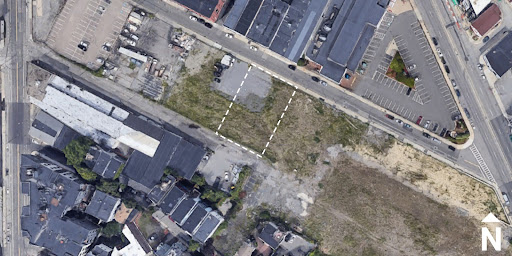
The site for this project is located in Boston, Massachusetts. Massachusetts is the home to some of the most prestigious design and technology colleges including the Massachusetts Institute of Technology and Harvard Graduate School of Design.
The neighbourhood that this particular site is located in is predominantly commercial in use, with large sprawling establishments selling a range of wares and services, however residential areas surround this commercial district and are only a short distance away from the site
Coordinates: Maps
Site Area: 1382 sqm
Maximum FAR: 0.75
Ground Coverage: 50%
Height Restriction: 10 m
Setbacks as per CAD plan
PROGRAMMATIC OUTLINE
The designed space is intended to be a collaborative workshop space and must include:
1. 40% workshop spaces:
- A wood Shop
- A metal Shop
- An electronics area
- A basic chemical lab
- A small machine lab (this space would include machines like sewing machines, 3D printers etc)
2. 20% Studio Spaces:
- Individual use studio spaces
- Studio spaces of teams (Maximum 8 people)
3. 20% Community Spaces:
- Multipurpose rooms
- Lounges and break out spaces
- Library
4. 10% Recreation and Services
- Multipurpose rooms
- Lounges and break out spaces
- Library
If you wish to include any other spaces or need a reference please refer to MakerLabs, Vancouver.




