
Urbanscape
Design furniture for left over spaces in urban cities
OVERVIEW
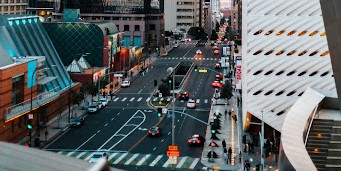 Fig: 1 - An image of rapidly growing cities
URBAN BUILT FORMS
In today’s urban landscape timelessly rising skyscrapers have overpowered the smaller yet equally important elements in our city.
It not only refers to the configuration of built forms but also the elements that define interstitial spaces. It represents the physical built environment of our city.
However, what we see today is the progression of ever-increasing skyscrapers that mark the skyscape of a city, overpowering smaller elements and creating a more urban void. This plays a major role in defining the city's urbanscape.
Through the theme, ‘Urbanscape’, we seek to explore urban furniture designs that not only enrich the built environment but also improve the quality of such interstitial spaces and urban voids. Furthermore, the design should suit and enhance the beauty of an urban setup.
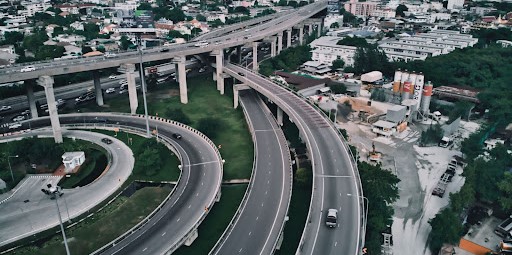 Fig: 2 - Urban voids - An impression
PRODUCT DESIGN FOR URBAN VOIDS
The entry for urbanscape should be a forward-thinking product with the intent to create a useful, functional and sustainable product. We expect original, creative and innovative ideas to furnish such interstitial spaces and urban voids without ignoring the existing problems.
Additionally, the design of urban furniture should adhere to the following points.:
- It should give a new definition to the existing interstitial.
- The overall size of the furniture should not be more than 8’ x 4’ x 4’ (disassembled in case of an assembly of multiple items).
- It should follow modularity to make replicability of the furniture easier.
- It should be functional and serviceable overall.
- It should correspond to the urban context for which the furniture is being designed.
- It should be comprehensive and not limited to the preference of a particular age group.
- Innovation, in terms of material exploration, use of technology and fabrication methodology, will be the key criteria for the basis of judgment.
CRITERIA FOR 'URBANSCAPE'
Responsibility:
+ Production efficiency
+ Consideration of environmental standards / carbon footprint
+ Social responsibility
+ Universal design
Creativity:
+ Degree of innovation
+ Degree of elaboration
+ Uniqueness
Functionality:
+ Use value and usability
+ Ergonomics
+ Practicability
+ Safety
Aesthetics:
+ Aesthetic appeal in the context of the urbanscape
+ Emotional appeal
+ Spatial concept
+ Ambiance
Material Innovation:
+ Exploration of New Material altogether
+ Integration of new/interactive technology
+ Exploring the capabilities of existing Material
+ Use of Recycled Material
Similar Competitions
Discover competitions you might be interested in


Packaging challenge - Design meets sustainability

Competition to design a workstation for architects

Design challenge to equip cities with modern furniture

Challenge to merge furniture with learning