Waste not
Innovative Solutions for Human Excreta Management
OVERVIEW
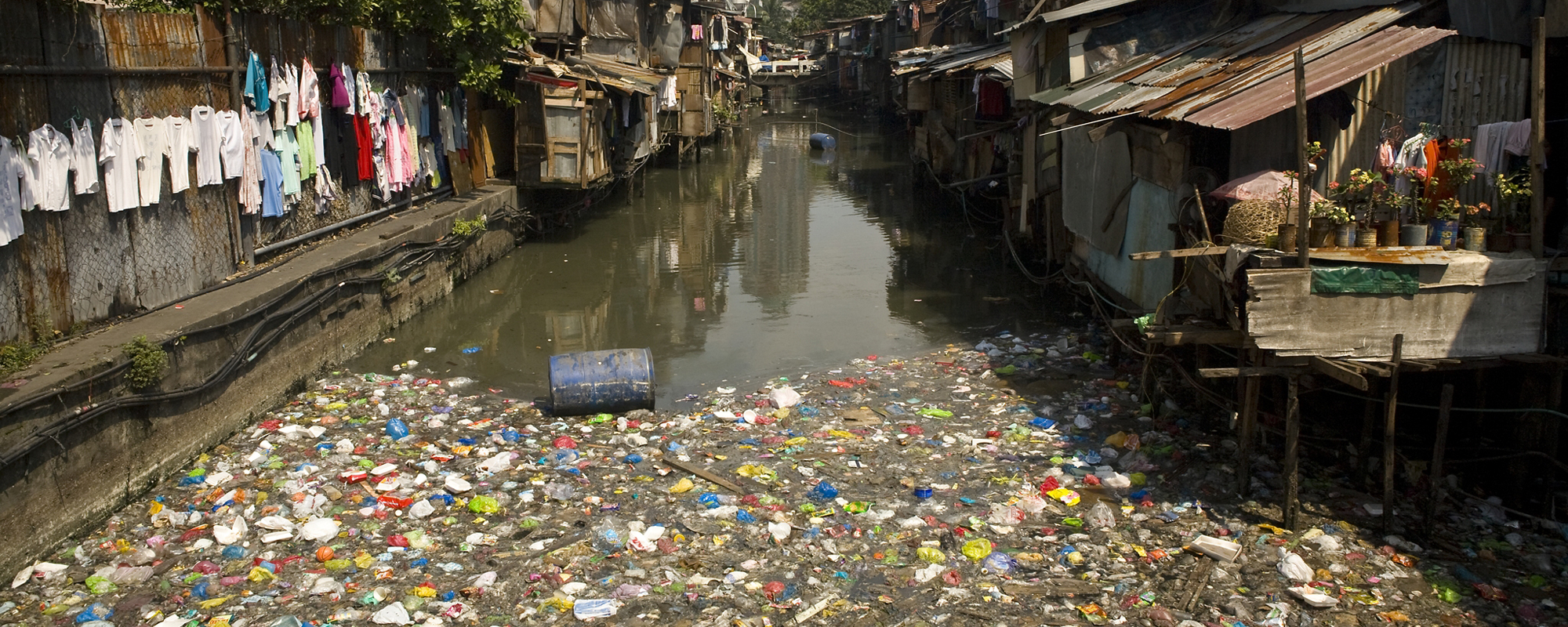
Img 1: Visual from the article: Addressing the urban sanitation crisis. Courtesy AECOM
Rethinking Waste Cycles
To understand the concept of 'waste', we must recognize its lexical duality. 'Waste' initially acts as a verb, representing an action we undertake. This action transforms 'waste' into a noun, a material byproduct of our activities. This transformation is uniquely human, diverging from nature's cycles of reuse and renewal.
Life on Earth encompasses a cycle of consumption and excretion, engaging every creature, from the smallest insects to the largest mammals, resulting in a significant amount of waste. Research indicates that all life combined produces roughly 20 quintillion (20 billion billion) units of waste annually. In this context, humans are major contributors, with the global population now exceeding 8 billion, generating 400 billion kg of feces and over 4 trillion kg of urine annually, posing substantial challenges in sustainable waste management and environmental conservation.
Yet, waste production extends beyond humans. The avian and terrestrial population, estimated at 50 billion, and the oceans, with 3.5 trillion fish, also contribute significantly to global waste, underscoring the broad scope of excreta production.
The traditional view of excreta as mere waste overlooks its potential. A paradigm shift to see excreta as a valuable resource could lead to innovative management solutions and foster a circular economy, where waste marks the start of something sustainable.

Img 2: The Statue of Ususama Myo-o, one of the Five Wisdom Kings of Buddhism, enshrined who is believed to remove impurities and often kept near the restrooms..
Excreta and its Entanglement with Human Life
Excreta, emerging from our biological processes, often faces shame and disgust, pushed to the margins by societal norms and cultural taboos. Yet, its significance weaves through the fabric of our health, social fabric, cultural practices, economic models, and environmental impact, revealing its intricate role in human life.
Health and Well-being:
Excreta acts as a lens into our digestive health and overall well-being, with the analysis of feces and urine providing insights critical for early detection and treatment of health issues. Emphasizing sanitation and hygiene is vital in preventing disease transmission, highlighting the critical role of excreta management in public health.
Social Interactions:
How societies handle and perceive excreta, shapes social norms and dynamics. The design and availability of sanitation facilities can influence social inequalities, with open defecation exacerbating stigma and exclusion, notably affecting women. This underscores the profound social implications of excreta management.
Cultural Practices:
Globally, cultures harbor diverse rituals and beliefs about excreta: viewed as a symbol of fertility in agriculture or tied to rituals of purity, illustrating its varied cultural significance. Additionally, excreta management has historically reinforced notions of untouchability, highlighting the stigma and social exclusion deeply embedded in waste practices.
Economic Considerations:
The economics of human waste management encompass infrastructure, sanitation services, and the potential for resource recovery. Investments in sustainable sanitation not only mitigate healthcare costs but also spur economic growth by improving productivity and exploring new resource recovery avenues, such as converting excreta into biogas and fertilizer, thereby tapping into its overlooked economic potential.
Environmental Impact:
The consequences of improper excreta disposal are dire, including water pollution, soil degradation, and disease proliferation, making sustainable management imperative. Practices such as open defecation harm water sources and ecosystems. Conversely, adopting sustainable practices like composting and biogas production minimizes environmental footprints and supports the transition to a circular economy.
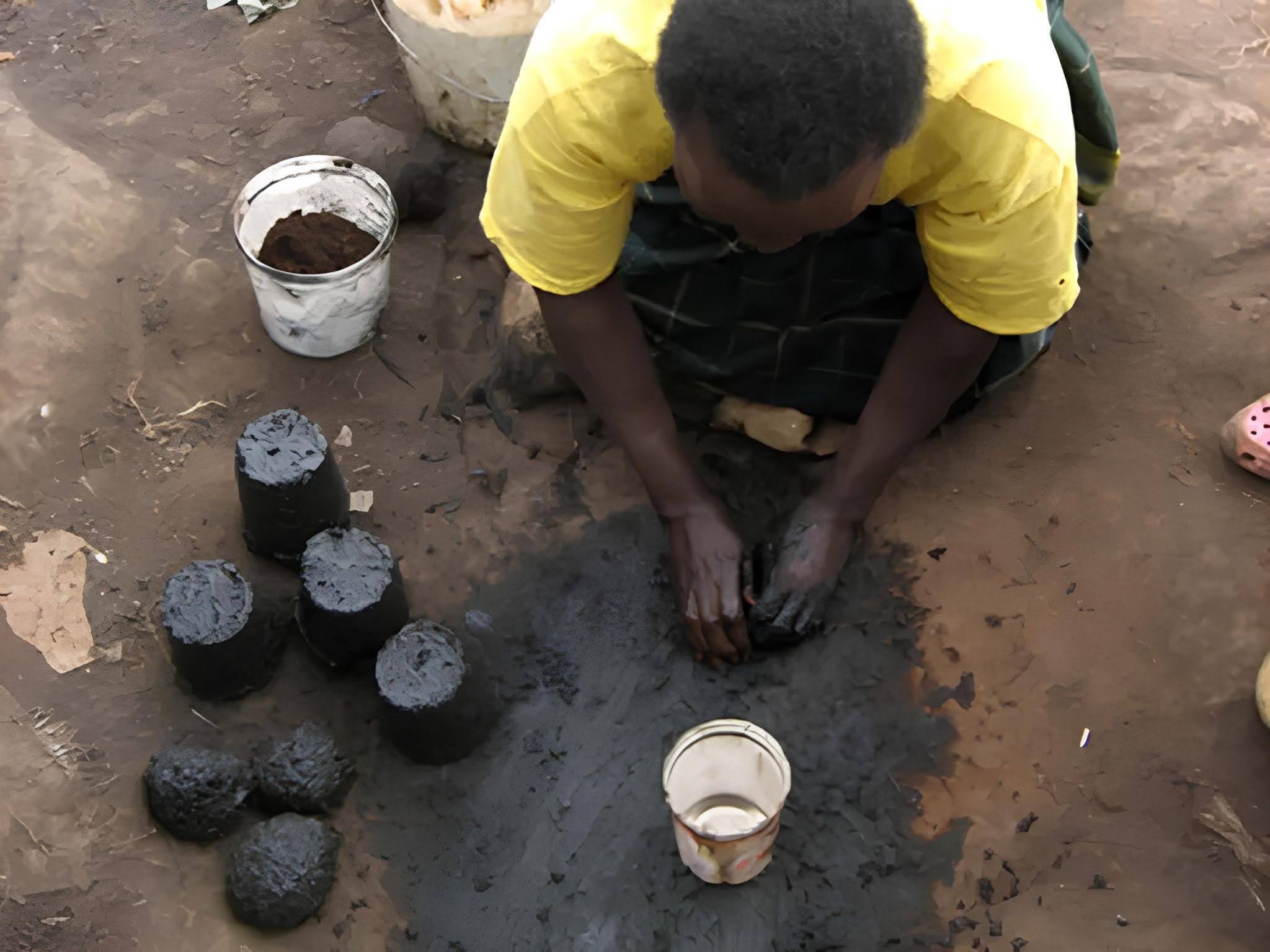
Img 3: Turning (human) waste into energy through innovation Source:devex.com
Brief
This competition aims to revolutionize human excreta management by engaging innovators across disciplines to transform waste into a valuable resource. We champion an interdisciplinary approach, merging expertise from different design fields, architecture, engineering, social sciences to devise holistic solutions that extend beyond conventional sanitation practices. This competition aims to cultivate collaborative efforts that encompass the entire excreta management cycle, from collection to repurposing, ensuring that the solutions address practical challenges while resonating on cultural and societal levels.
Objective: We are in search of inventive methods to repurpose excreta, shifting the focus from mere disposal to energy production, agricultural use, and water conservation. This challenge invites participants to view excreta as a valuable resource, encouraging innovations that benefit individuals and communities alike.
Proposals should explore personal hygiene innovations, efficient sanitation systems that recover resources, community-driven waste management solutions, and scalable urban waste management systems. Participants are free to choose different scenarios, locations and cases of intervention around excreta, these interventions should employ modern and cutting-edge technology to foster sustainable, efficient, and inclusive outcomes at various scales—Individual, Seat, Building, Neighborhood, and City levels
Body Level Interventions
This challenge provokes product designers, fashion designers and innovators from all fields to inspire groundbreaking designs that address the nuances of personal excreta management, ensuring sustainability, dignity, and inclusivity while treating excreta right at the source. Participants can propose solutions that are tailored for a range of scenarios and environments but not limited to:
Portable Interventions:
- Can we invent a device that attaches to the body, utilizing suction technology or a new interface for immediate excreta collection?
- Can we pioneer a new method for pre-disposal of excreta, capturing excreta at the source, before it ever reaches a toilet, and challenging the very notion of waste management. effectively reinventing the traditional toilet concept?
Specialized Needs:
- What are the design solutions for people who are travelling or are indulged in outdoor activities that minimize environmental impact while ensuring hygiene?
- How can sanitation solutions in healthcare settings be redesigned to cater to the sick or those with limited mobility, while ensuring privacy and dignity?
Inclusive and Adaptable Designs:
- What innovative approaches can ensure sanitation facilities are inclusive, catering to the needs of diverse populations, including the elderly and LGBTQ+ community?
- How can attire or fitting, fixtures and furniture be designed to offer both sanitation functionalities and ensure user dignity in public or limited spaces?
Participants are encouraged to use such scenarios or even come up with their own, explore materials, technology, and design utopia to envision diverse and innovative solutions for excreta management at a personal level.

Img 4: Even while we are on seat we perform many other activities, e.g. reading, sleeping, talking, playing games.
Seat Level Interventions
Imagine transforming excreta into a valuable resource directly at its source. We're calling on interior and product designers to reimagine the toilet seat and setting around it, as a cornerstone of innovative sanitation management, where comfort, functionality, and sustainability converge. Solutions can be tailored for a range of scenarios, based on usability ergonomics and different age groups, but not limited to:
Considerations:
- How can we design toilet seats that cater to sitting, squatting, or reclining postures, respecting cultural differences and enhancing user comfort?
- Can we conceptualize a self-sufficient toilet system that not only manages the evacuation and collection but also processes and repurposes excreta on the spot, handling waste management in situ?
- What design strategies can ensure the toilet and its vicinity offer maximum comfort and privacy, considering user-specific spatial needs?
- How might the toilet facility support other activities, like reading or digital interaction, or any other compatible activities to enhance the overall experience?
Possible interventions:
- Can we incorporate health-monitoring sensors and waste analysis technologies to personalize the user experience and promote health?
- What cutting-edge designs can radically reduce or fully negate the need for water in sanitation, thereby expanding the frontiers of ecological sustainability in waste management?
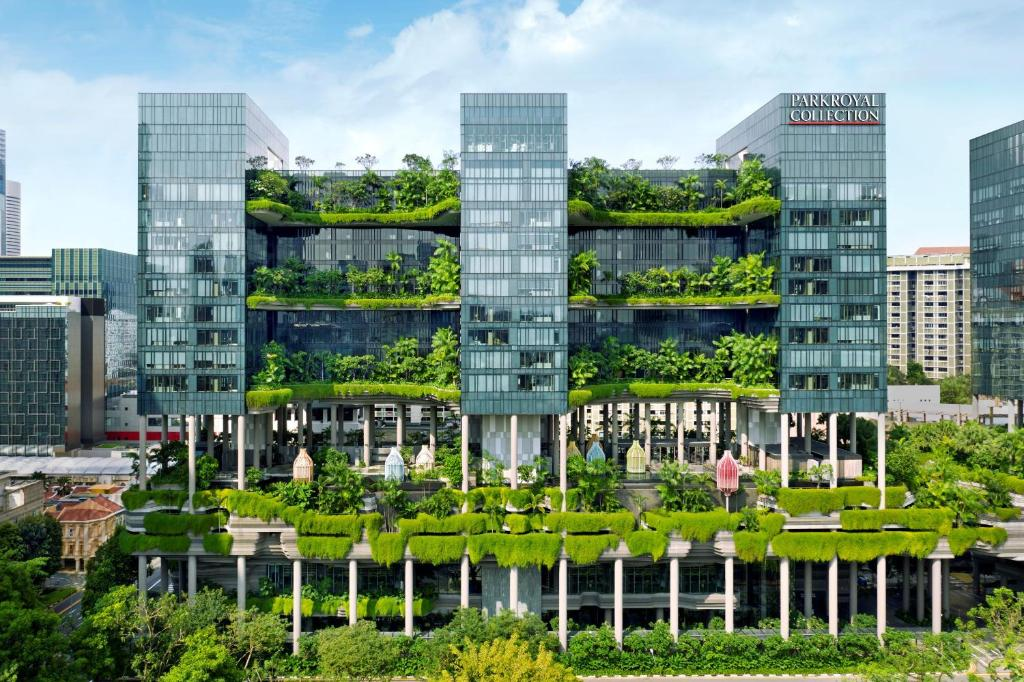
Img 5: Sustainable architecture can be leveraged to treated organic waste to nourish vertical gardens, enhancing green building methods. Image source: Parametric-architecture.com
Building Level Interventions
This challenge invites architects, engineers, and designers to innovate sanitation solutions tailored for buildings of different need and scales such as Residential societies, Apartments, Hotels, Office, etc. enhancing sustainability and functionality. Proposals should be versatile, accommodating different user needs and contexts resonating with given considerations and interventions, but not limited to:
Considerations:
- How can we integrate water-saving sanitation technologies in buildings to minimize consumption and promote recycling?
- What are the most effective ways to incorporate on-site waste treatment systems in urban and rural settings for resource recovery?
- How can sanitation facilities contribute to the aesthetic and functional appeal of buildings while ensuring accessibility for all?
- How can design strategies accommodate modular, stackable toilet systems that are adaptable to the varying needs and practices of different building types and usage scenarios?
Possible interventions:
- Can we create residential designs that employ integrated waste management units, functioning vertically or horizontally, to promote a self-sustaining ecosystem within homes?
- How can hotels and resorts integrate advanced sanitation systems to enhance guest experiences while showcasing eco-friendly practices?
- Can treated excreta be safely used to fertilize vertical gardens or green roofs in urban buildings, improving air quality and aesthetics?
Neighborhood Level Interventions
Within social environments, the sheer scale of excreta produced presents a unique set of challenges, reflecting our evolution into communal living. We are in pursuit of creative, community-focused solutions for managing sanitation sustainably in neighborhoods ranging from 1,000 to 100,000 residents. Our call to action emphasizes the importance of engaging local communities, leveraging nearby resources, and fostering circular systems that are flexible enough to be implemented across different settings.
Considerations:
- How can community engagement in sanitation management be maximized?
- What are the best practices for using local materials at remote places in constructing sanitation systems?
- How can sanitation solutions create closed-loop systems within a neighborhood, turning waste into resources?
- In what ways can solutions be tailored to fit the scale and unique needs of diverse neighborhoods?
- How can sanitation initiatives respect and integrate into the cultural and social fabric of the community?
Possible interventions:
- How can we design the next generations of communal composting centers that encourage widespread participation and provide tangible benefits to local agriculture?
- What approaches can be utilized to set up a system at neighborhood level that transform organic waste into energy, thus involving residents in renewable energy initiatives?
- How can decentralized water treatment systems be implemented to recycle wastewater for non-potable uses, effectively conserving water resources using the technologies like blockchain?
- What innovative approaches can raise awareness and educate communities about the benefits of sustainable sanitation and hygiene practices?
- Can gamification or reward systems effectively motivate residents to adopt and maintain sustainable sanitation habits?

Img 7: Modern sustainable cities like Masadar city are leading with the examples by incorporating AI, IOTs for waste management.
City Level Interventions
Participants are invited to come with transformative sanitation solutions for urban environments, emphasizing scalable, sustainable practices and resource recovery. The challenge is to envision systems that cater to city populations over 100,000, integrating technology, community engagement, and innovative policy frameworks.
Design Considerations:
- How can we design a smart sanitation network for a megacity that can operate efficiently with or without water, utilizing IoT and AI to streamline waste management and facilitate resource recovery?
- What could be a model for decentralized, community-driven sanitation solutions in densely populated urban neighborhoods?
- What could be the role of public-private partnerships in developing and implementing scalable, sustainable sanitation systems?
- How can we create innovative campaign that utilizes gamification and social media to promote sustainable sanitation practices among urban residents?
Possible interventions:
- What strategies can be employed to engage the public in sustainable sanitation practices effectively?
- How can cities create economic models that ensure the long-term viability of advanced sanitation systems?
- In what ways can smart technologies be leveraged to optimize waste collection and treatment processes at a city level?
- How can policy and regulatory frameworks be structured to support and incentivize sustainable urban sanitation?
Similar Competitions
Discover competitions you might be interested in