
Adaptive Reuse Architecture: Transforming Industrial Spaces into Creative Hubs
Revitalizing history through adaptive reuse architecture—merging 19th-century industrial heritage with modern media innovation in Russia.

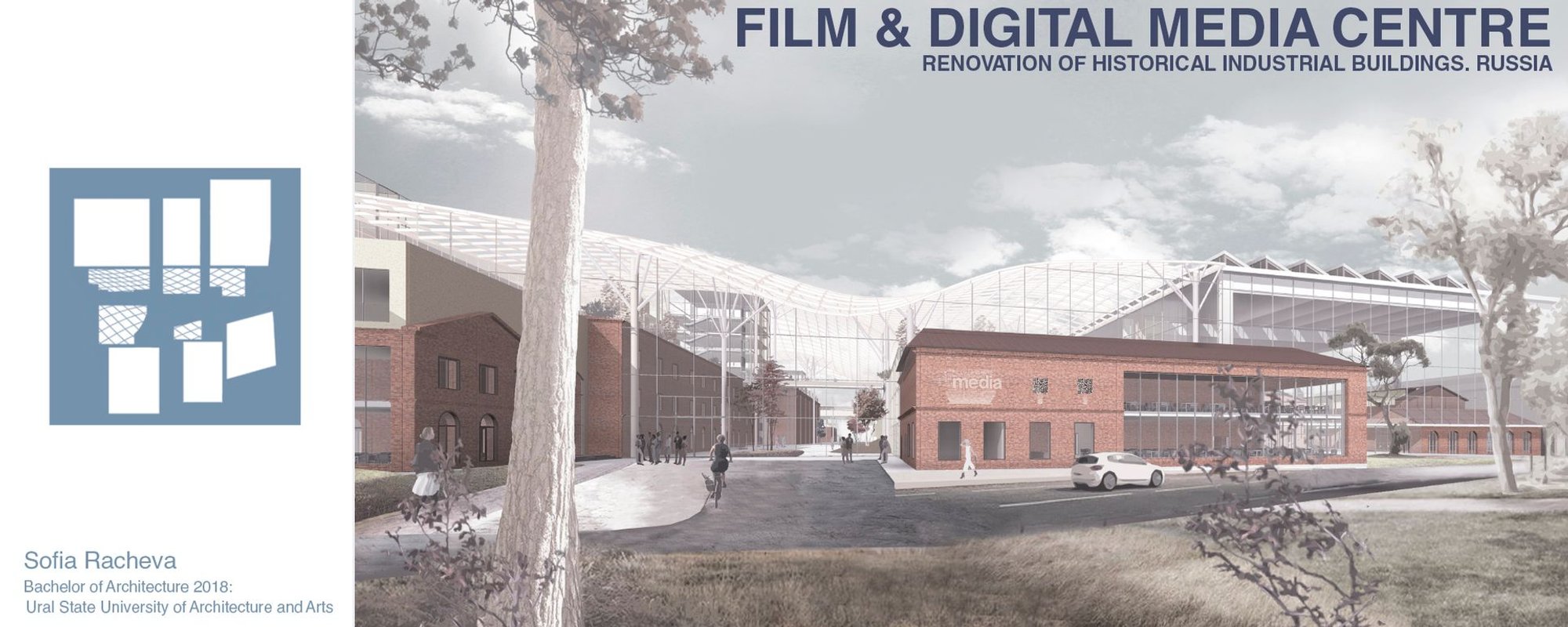
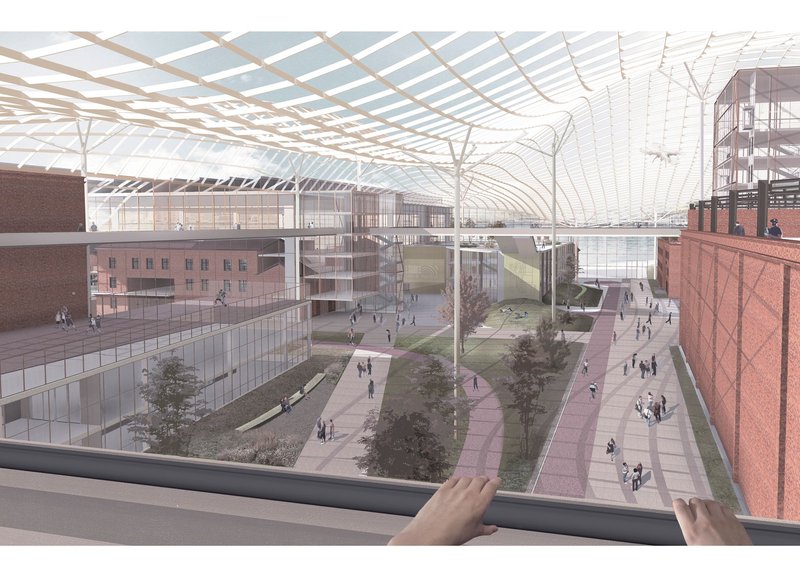
The Film & Digital Media Centre is a visionary project in adaptive reuse architecture, aimed at revitalizing historical industrial spaces in Russia. This ambitious renovation preserves the architectural essence of the 18th and 19th centuries while embracing modern technologies that cater to the thriving media industry.
Designed by Софья Рачева, this project was a shortlisted entry for the UnIATA '19 competition. The complex transformation integrates contemporary architecture with historical preservation, ensuring that cultural landmarks are celebrated even in modern applications.
Project Vision
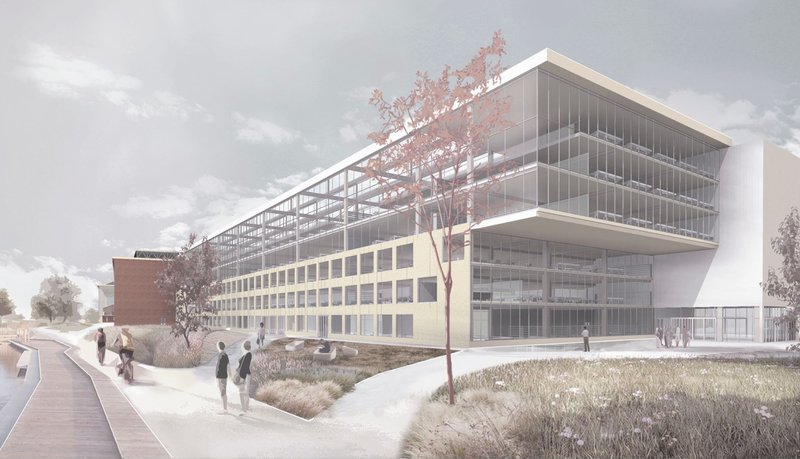
Set within the historic Verkh-Isetskiy plant, the Film & Digital Media Centre redefines the use of dilapidated industrial buildings. It showcases an innovative approach to urban regeneration, turning decaying structures into multifunctional spaces for film production, animation, broadcasting, and new-age media technologies like 3D graphics and game design.

Design Highlights
- Historical Preservation: The renovation carefully maintains the architectural character of the 18th and 19th centuries while integrating cutting-edge design elements.
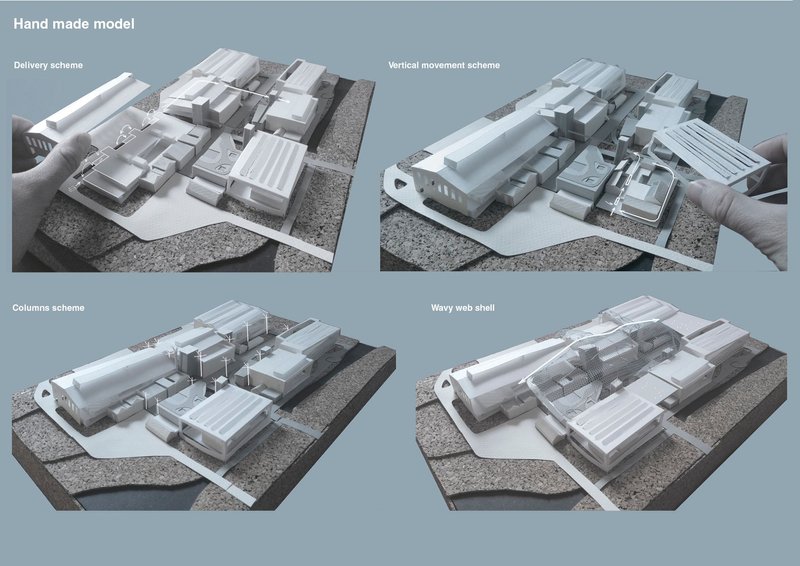
- Innovative Zoning: The master plan consists of seven functional blocks for production, exhibition, and administrative purposes, seamlessly linked to public spaces and green areas.
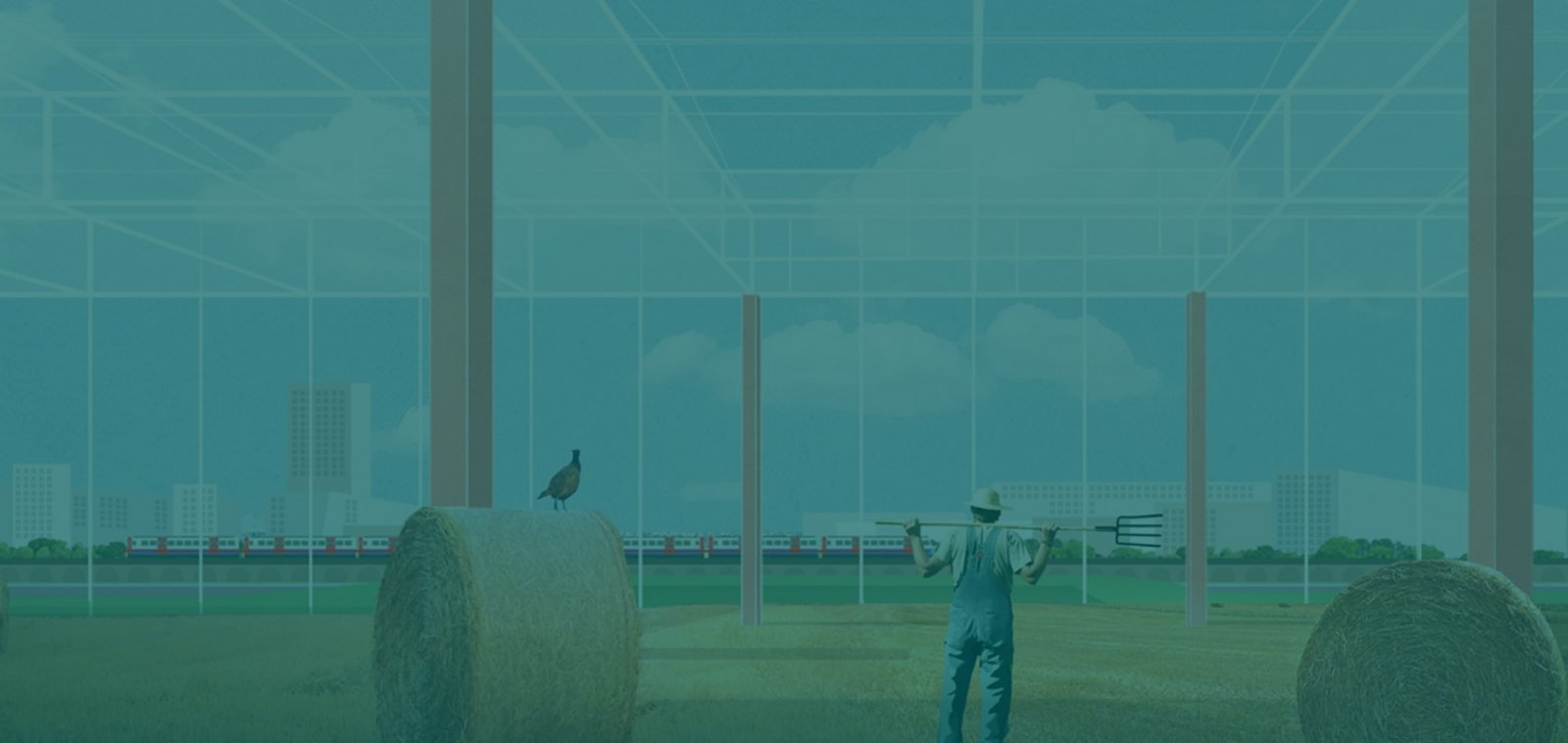
- Sustainability: A wavy mesh shell envelops the complex, creating a microclimate that supports year-round activities.
A City-Centric Approach
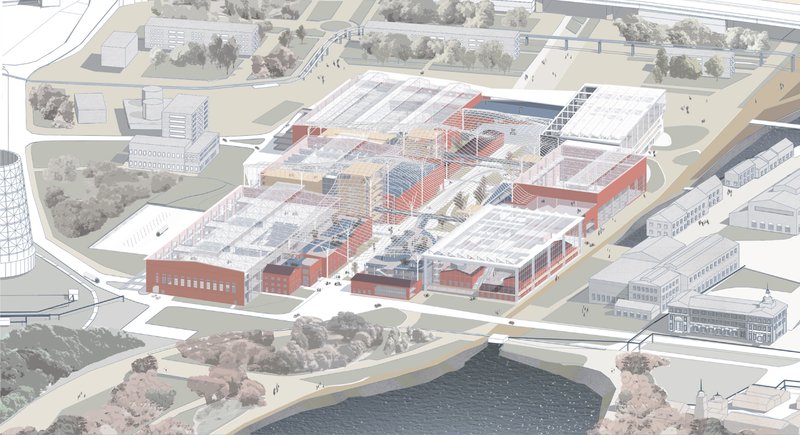
The project is strategically located near Ekaterinburg, bridging pedestrian zones with urban landscapes. By extending the city’s embankment and creating vibrant public spaces, the Centre aims to become a hub for culture, technology, and community interaction.

Material Palette
The use of brick, glass, and metal embodies the contrast between tradition and modernity, emphasizing the warmth of historical materials against the sleekness of contemporary design.



Popular Articles
Popular articles from the community

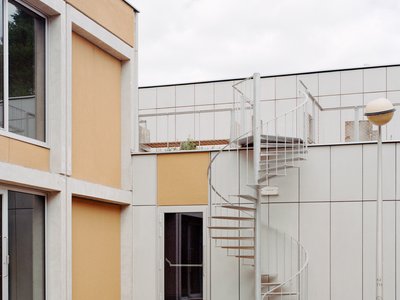
MAKER architecten Rewire a 1972 Brutalist Dormitory on the VUB Campus as a Living Lab
A modular renovation strategy in Belgium breathes new life into Willy Van Der Meeren's modernist student housing without erasing its concrete bones.

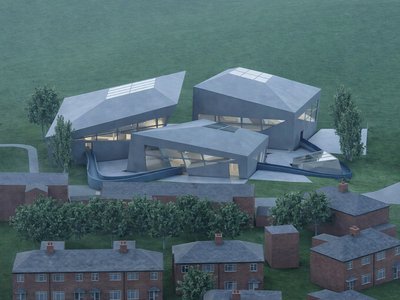
Filtering Space: A Gradual Spatial Experience
From urban intensity to spatial calm.
Art 1 Office Strips Athens Back to Its Bones
Neiheiser Argyros transforms a 40-year-old Athens office building into a vivid, materially rich workplace anchored by red steel, exposed concrete, and roof
Guangzhou's Twin Towers Interiors Move Like Water
DuShe Architectural Design shapes the lobbies of a massive Guangzhou transit hub with undulating ceilings and deep geological materiality.
Similar Reads
You might also enjoy these articles
Filtering Space: A Gradual Spatial Experience
From urban intensity to spatial calm.


The Ken Roberts Memorial Delineation Competition (Krob)
As the most senior architectural drawing competition currently in operation anywhere in the world, it draws hundreds of entries each year, awarding the very best submissions in a series of medium-based categories.

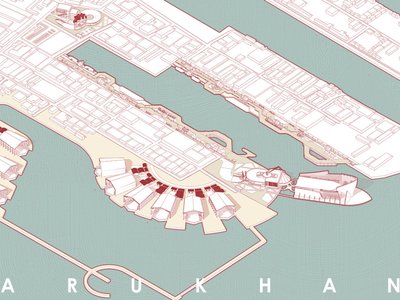
Waterfront Redevelopment and Urban Revitalization in Mumbai: Forging a New Dawn for Darukhana
A transformative waterfront redevelopment project reimagining Darukhana’s shipbreaking heritage into an inclusive urban future.
OUT-OF-MAP: A Call for Postcards on Feminist Narratives of Public Space
Rhizoma Design and Research Lab invites artists, designers, architects, researchers, and students to reflect on how feminist perspectives can reshape public space. Selected works will be exhibited in Barcelona, October 2026. Submissions open until 15 April 2026.





Comments (0)
Please login or sign up to add comments
No comments yet. Be the first to comment!