Urban Furniture Architecture: Reclaiming Interstitial Spaces for Sustainable Cities
A multifunctional urban furniture design that connects cyclists, pedestrians, and communities while restoring the human scale of the city.


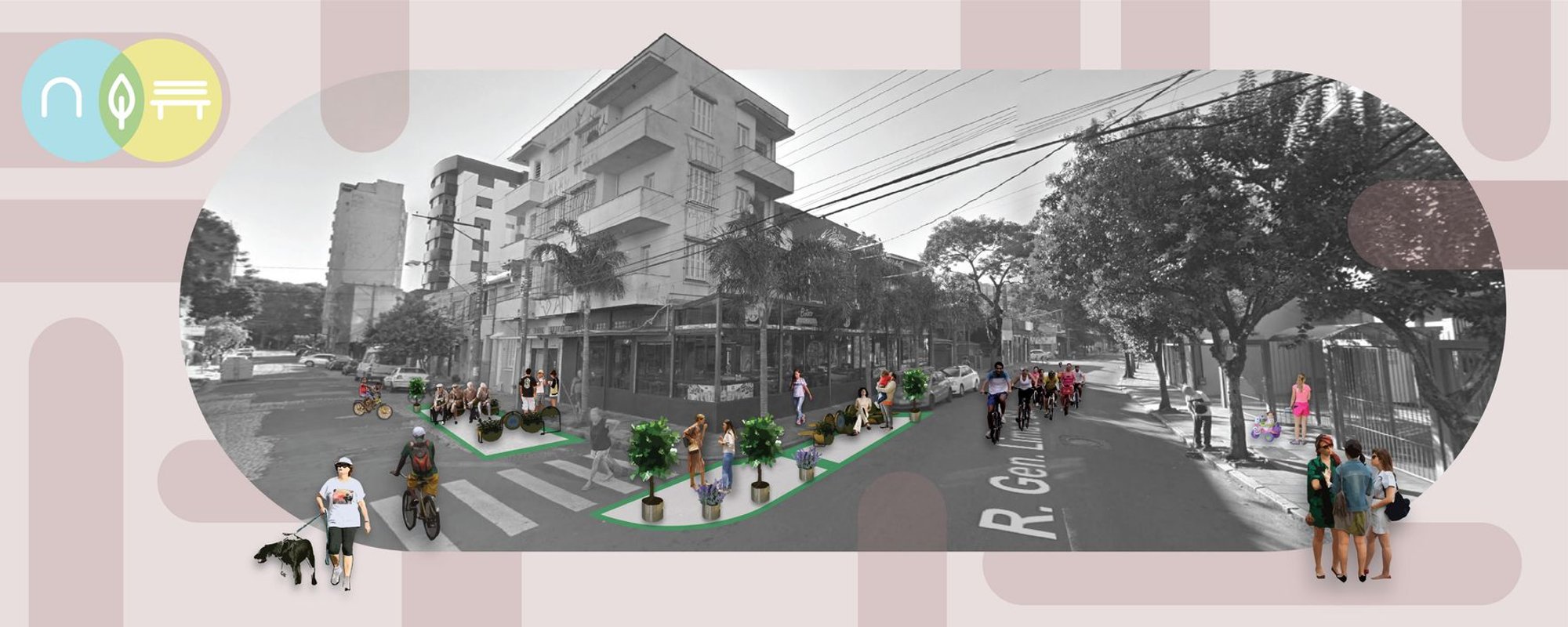
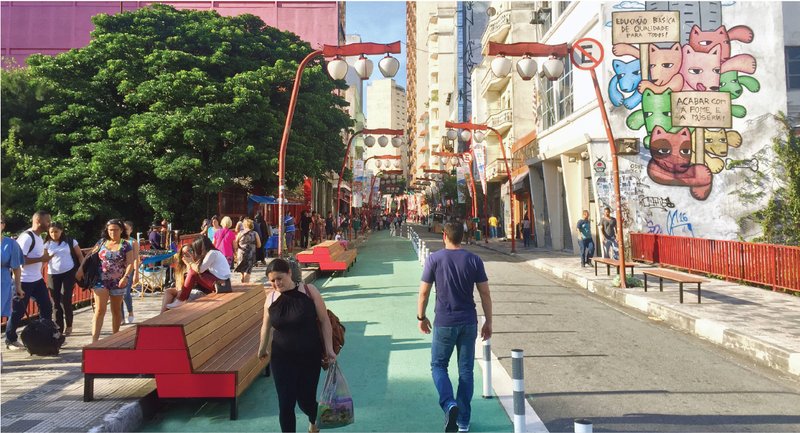
Cities across the globe are filled with interstitial spaces—leftover areas between roads, parking lots, and private developments that remain underutilized. Traditionally designed for cars, these voids disrupt human connection and often turn into unsafe, neglected zones. In response, innovative approaches in urban furniture architecture are reimagining these forgotten fragments of the city as vibrant, inclusive public spaces. One such project "A furniture that aproximates cyclists and pedestrians" , developed by Hannah Kny, demonstrates how multifunctional furniture can transform mobility, social interaction, and sustainability in urban environments.
The Challenge of Interstitial Spaces
Interstitial spaces emerge from inefficient road designs, speculative land use, and parking excesses. In cities like São Paulo, these urban voids present both challenges and opportunities. They highlight issues such as:
- Lack of visibility and human connection
- Unsafe, expensive, and underused areas
- Barriers created by car-centric planning
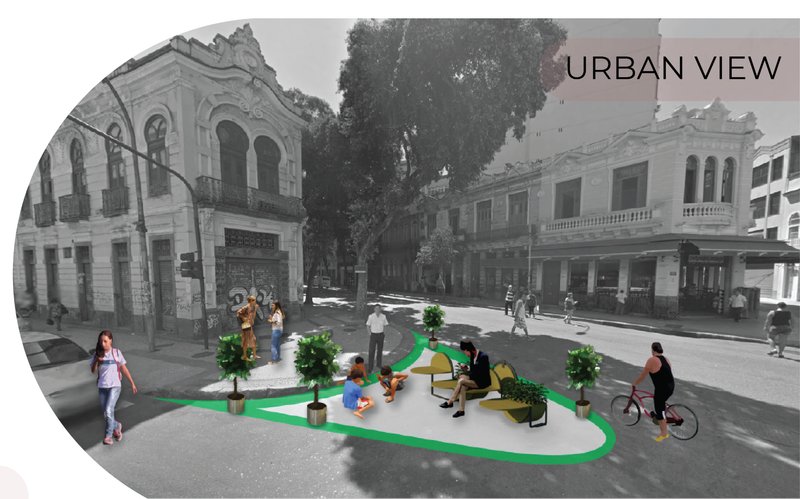
Yet, these same spaces offer possibilities for reclaiming public life. By introducing well-designed urban furniture, they can become catalysts for healthier, more sustainable communities.
Human-Centered Urban Design
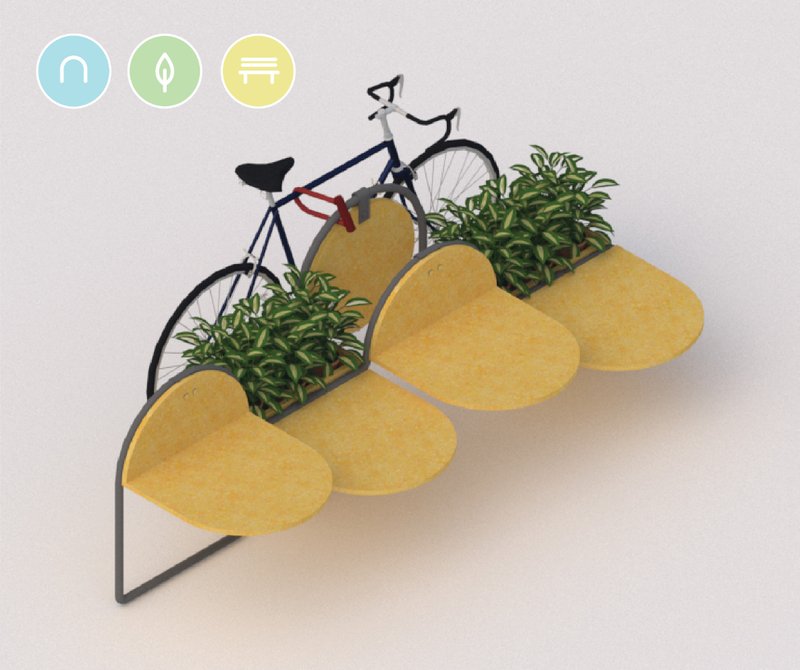
The central idea behind Kny's project is to restore the human scale in cities. Pedestrians and cyclists form the core of urban vibrancy, and the design seeks to connect them with multifunctional installations. These structures serve as:
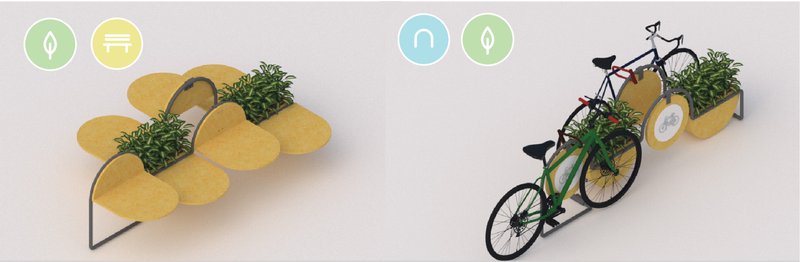
- Bicycle parking that promotes eco-friendly commuting
- Seating areas that encourage pause, dialogue, and interaction
- Plant modules that integrate greenery into the urban fabric
By merging mobility infrastructure with social and ecological needs, the project bridges the gap between isolated actors in the city and fosters inclusivity.
Cyclists, Pedestrians, and the Healthy Loop
Walking and cycling are sustainable modes of transportation, yet they require supportive infrastructure to thrive. The project creates a healthy loop, where:
- Secure bike parking encourages cyclists to engage in public life
- Pedestrians benefit from increased activity and safety
- Local economies grow as people stop, rest, and buy locally
This continuous cycle improves security, reduces vandalism, and reinforces respect for shared urban spaces.
Design Principles and Modularity
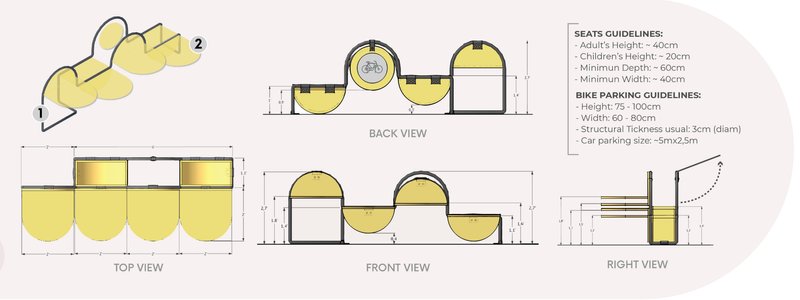
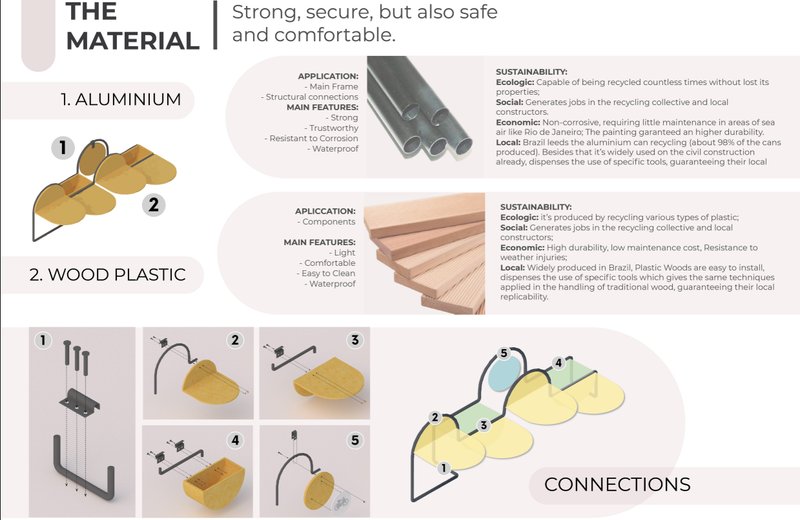
The design follows clear principles of security, visibility, and accessibility. Modular components, including seating, planting slots, and parking boards, ensure flexibility and adaptability across different urban contexts. The volumetric system, based on standardized parking lot dimensions, allows the furniture to fit seamlessly into leftover spaces while maintaining a coherent visual identity.
Key Features:
- Aluminium structure: Strong, durable, and recyclable, resistant to corrosion.
- Wood-plastic components: Lightweight, weather-resistant, and eco-friendly.
- Modular system: Scalable units that adapt to diverse cityscapes.
The Brazilian Context
Brazilian cities face pressing urban issues such as social inequality, vandalism, and limited budgets for public investment. However, they also embody potentials:
- A strong culture of walking and biking
- Active outdoor lifestyles
- A tradition of local markets and communal spaces
Recent projects in cities like São Paulo, Curitiba, and Porto Alegre showcase the growing movement toward walkable, human-centered design. Kny’s urban furniture aligns with this momentum by offering a cost-effective and impactful solution.
A Step Toward Sustainable Architecture
More than just furniture, the project exemplifies the principles of sustainable urban architecture. It addresses ecological, social, and economic dimensions simultaneously:
- Ecological: Encourages non-motorized transport and urban greenery.
- Social: Fosters inclusivity, interaction, and safety.
- Economic: Strengthens local businesses and reduces maintenance costs.
By transforming neglected interstitial spaces into active public zones, the project highlights how architecture can catalyze positive urban change.
Hannah Kny’s multifunctional urban furniture design is more than a seating solution or bike rack—it is a vision for future cities. Through modular, sustainable, and human-focused architecture, it reclaims lost urban areas, connects cyclists and pedestrians, and strengthens community life. This project demonstrates that even the smallest urban voids can be redefined as vital nodes of connection, sustainability, and public joy.