Abandoned to Avant-Garde: Mohini Mill Revitalized
Transforming an abandoned textile mill into a vibrant cultural hub, redefining heritage through adaptive reuse and sustainable architecture.


Reimagining Industrial Heritage
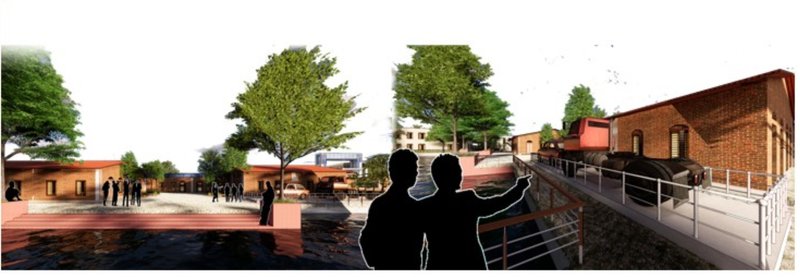
Once the largest textile producer in India, Mohini Mill in Kushtia, Bangladesh, now stands as a testament to industrial decline and revival. Through the lens of adaptive reuse architecture, the project breathes new life into the 19.79-acre abandoned site, transforming it into a cultural and social hub that unites history, innovation, and sustainability.
The concept of “Abandoned to Avant-Garde: Mohini Mill Revitalized” symbolizes this evolution—from decay and obsolescence to a space of progress, creativity, and inclusion. By reinterpreting the mill’s industrial identity, the design embraces both heritage and modern aspirations, positioning the site as a prototype for sustainable urban regeneration.
The Vision Behind the Transformation
Mohini Mill’s story is rooted in regional pride, established in 1908 to empower Bengal’s textile economy. After its closure in 1982, the site became a relic of lost industry. Today, the project envisions reviving it as a dynamic avant-garde cultural hub, blending industrial remnants with new spaces for art, education, and community life.
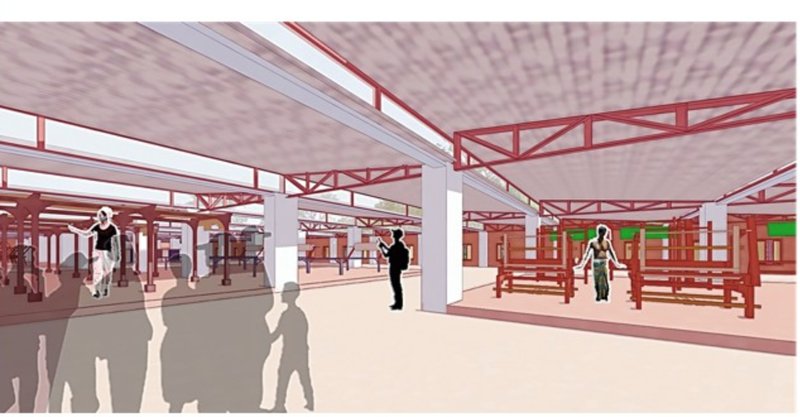
Inspired by movements like the Bauhaus (1919–1933), the design merges art, craft, and technology to foster experimentation. The transformation embodies how adaptive reuse architecture can reconnect a forgotten landscape with the public realm, enabling social interaction and cultural exchange.
Design Philosophy: From Ruin to Revival
The project follows a phased urban design strategy, ensuring the mill’s rebirth aligns with both historical and environmental context. Six thematic zones—ranging from low-cost housing to cultural and mixed-use areas—balance preservation with functionality. Each zone is supported by policies promoting inclusive growth, creative industry development, and sustainable infrastructure.
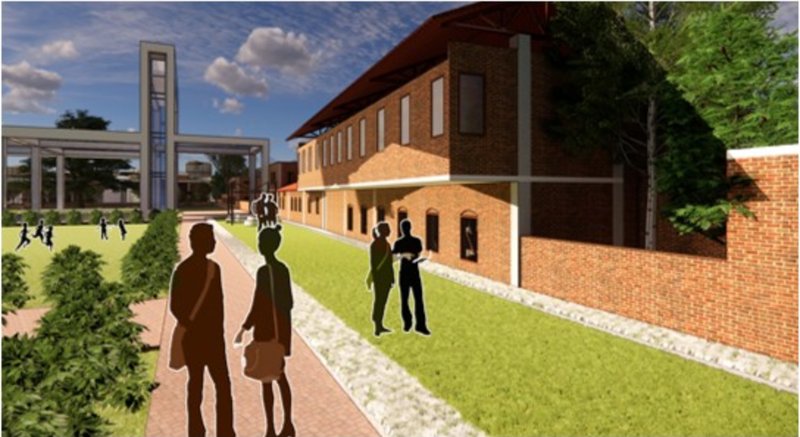
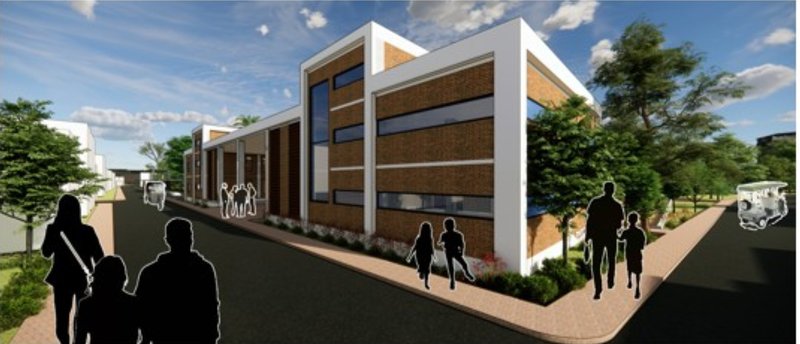
Architectural interventions prioritize structural retrofitting using steel and brick, sustainable materials, and biophilic design. By reusing existing structures, the project reduces embodied carbon while maintaining the aesthetic integrity of the original mill.
Cultural and Community Integration
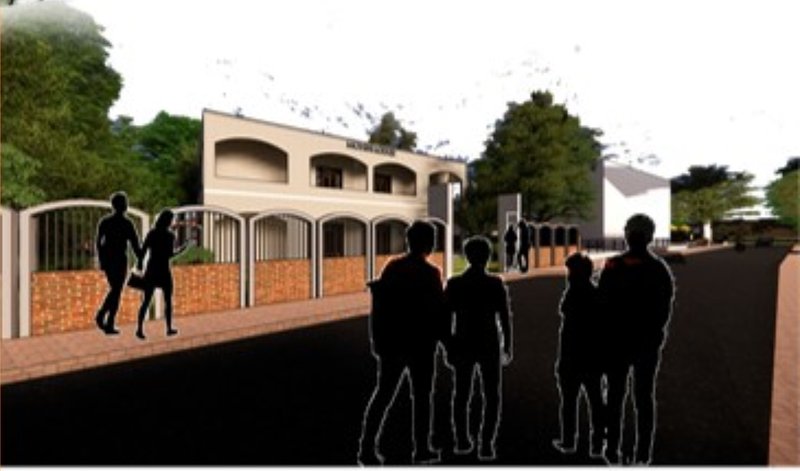
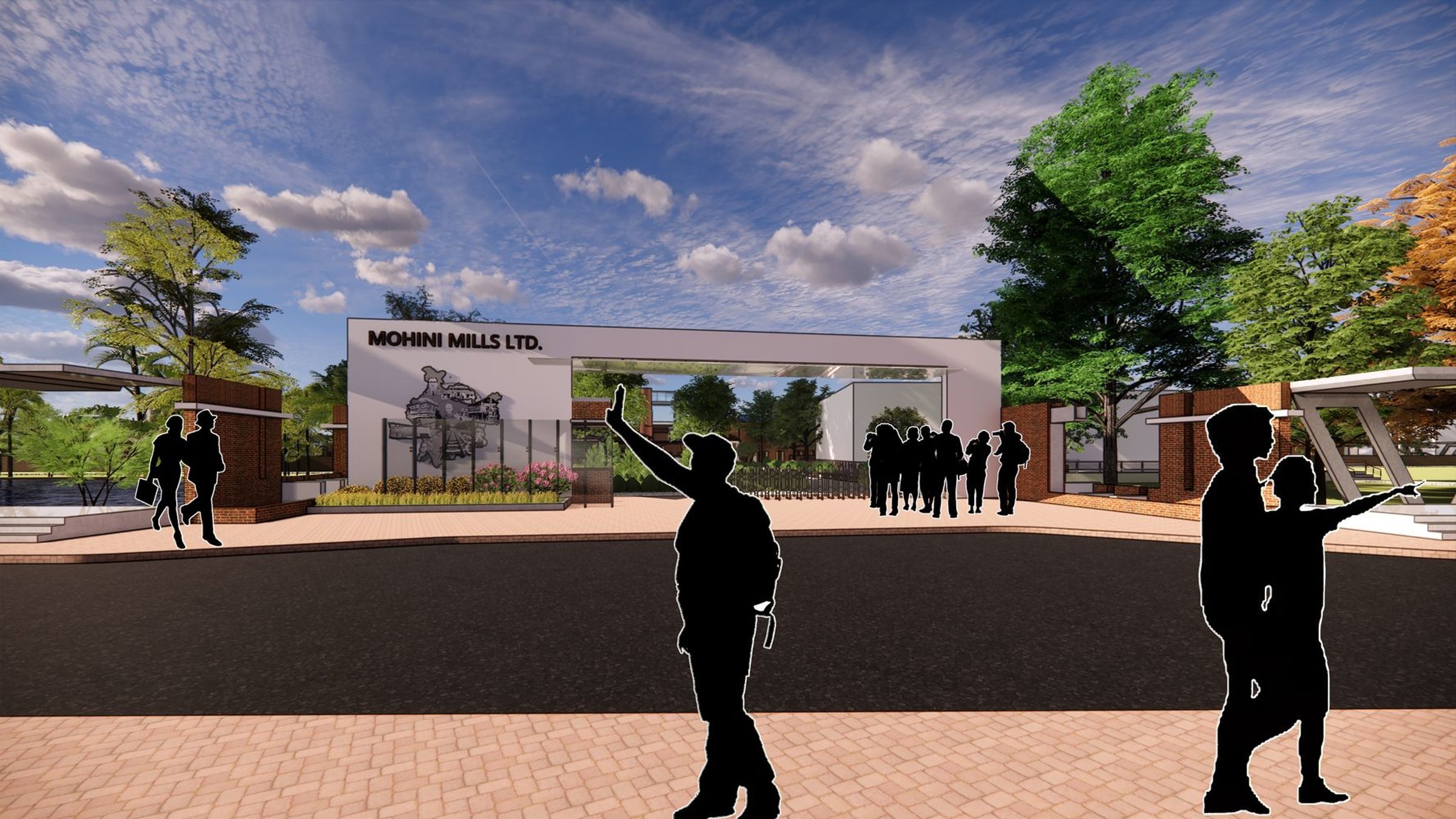
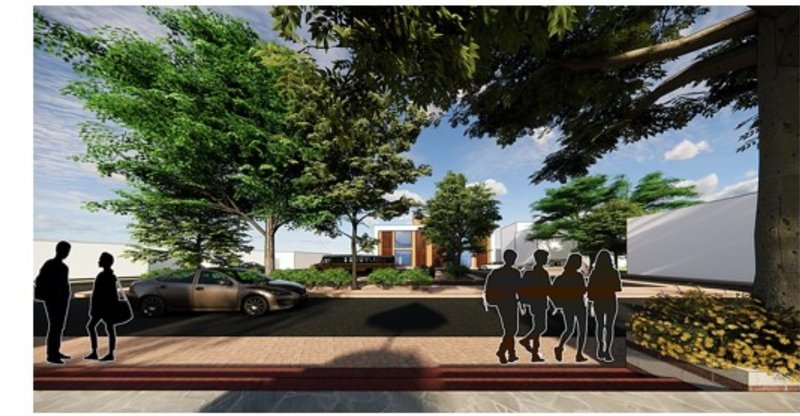
Public spaces like the Entrance Forecourt serve as connective tissue between the industrial heritage and contemporary urban life. This threshold encourages gathering, recreation, and creative events, fostering community ownership of the transformed site.
The Spinning & Mixing Mill acts as an interactive exhibition and performance space, where artisans demonstrate traditional textile techniques. Visitors experience transparency in production, linking craft heritage with modern learning environments.
Residential areas and open courtyards further humanize the industrial scale, making the site livable and accessible for future generations.
Sustainability and Innovation
Rooted in the idea of circular urbanism, the project exemplifies how adaptive reuse can drive ecological and economic renewal. Key sustainable strategies include:
- Reclaimed materials for structure and façade restoration.
- Integration of solar panels and natural ventilation systems.
- Modular and flexible design to accommodate future needs.
- Community-driven programs for art, skill development, and local entrepreneurship.
Through this approach, Mohini Mill becomes more than a heritage project—it evolves into a living laboratory of sustainable design.
A Model for Urban Regeneration
“Abandoned to Avant-Garde” redefines how forgotten industrial sites can be reimagined as catalysts for innovation, heritage preservation, and social engagement. By respecting history while embracing modernity, Rezwan Ahmed’s proposal transforms neglect into opportunity, setting a precedent for adaptive reuse architecture in South Asia.
It’s not just a revival of structures—it’s the rebirth of identity, craftsmanship, and community spirit.