
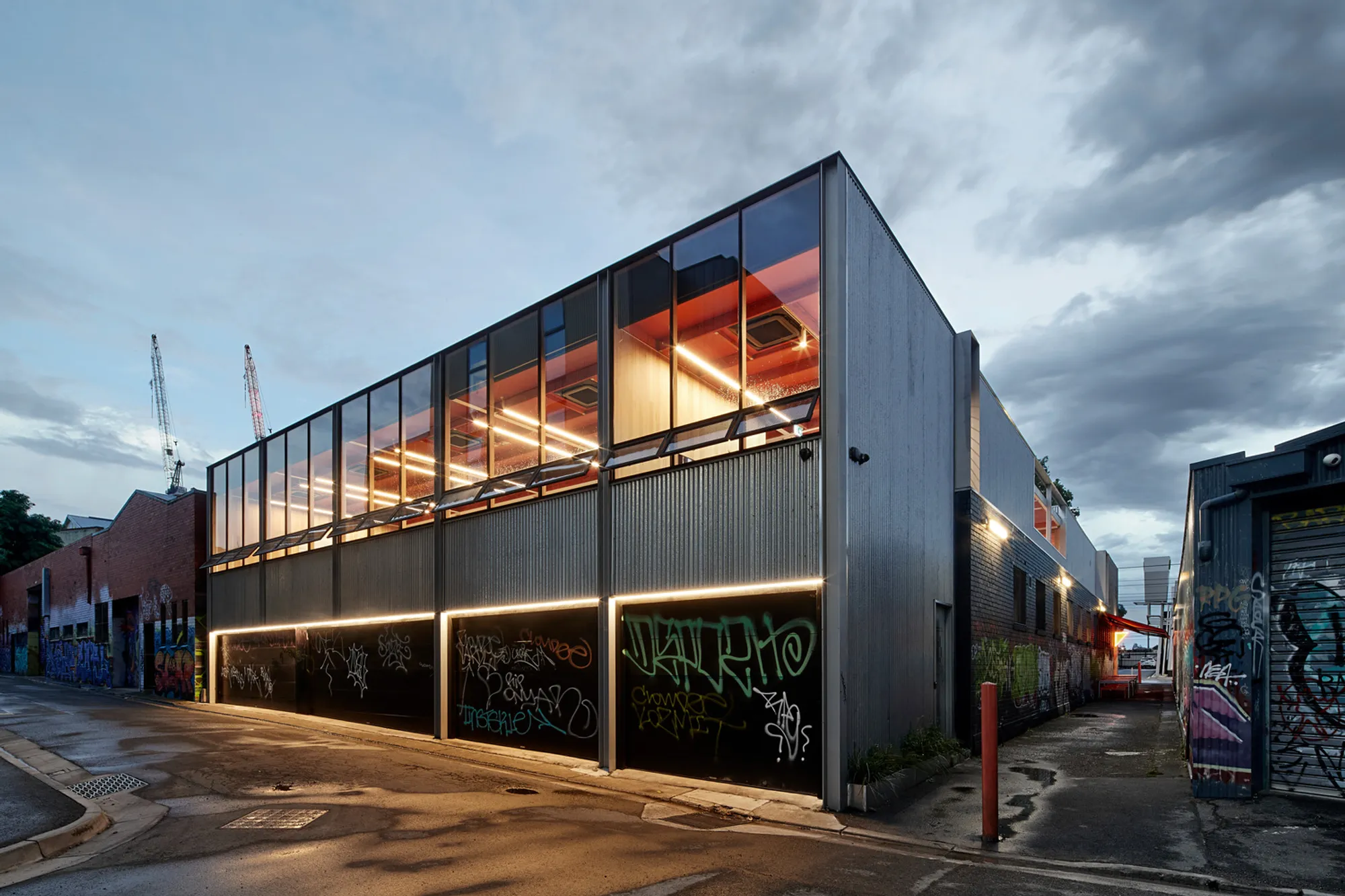
Adaptive Reuse at its Finest: The JCB Studio by Jackson Clements Burrows Architects
The article explores JCB Studio's adaptive reuse of an industrial warehouse into a sustainable, flexible, and community-integrated design studio in Richmond


Jackson Clements Burrows Architects (JCB) recently unveiled their new design studio in Richmond, Australia, a testament to the firm's commitment to adaptive reuse, sustainability, and innovative design. Situated in Swan Street, Richmond, the 1000 m² project reflects a thoughtful approach to transforming an existing warehouse into a multifunctional, modern workspace. This article delves into the design philosophy, architectural features, and sustainable strategies that define the JCB Studio, highlighting how the project aligns with contemporary architectural trends.
Background and Design Philosophy
JCB's decision to relocate from Melbourne’s Central Business District to Richmond was driven by a need for more space and a desire to foster a flexible work culture enhanced by new technologies. The firm opted for an adaptive reuse strategy over new construction, embracing the potential of the existing mid-century industrial warehouse. This approach not only conserved resources but also provided a rich, historical context for the new studio.
Key Design Objectives
- Flexibility and Adaptability: The new studio was designed to accommodate a flexible work culture, allowing for reconfiguration as needed.
- Sustainability: A strong commitment to environmental sustainability guided the project's design and construction.
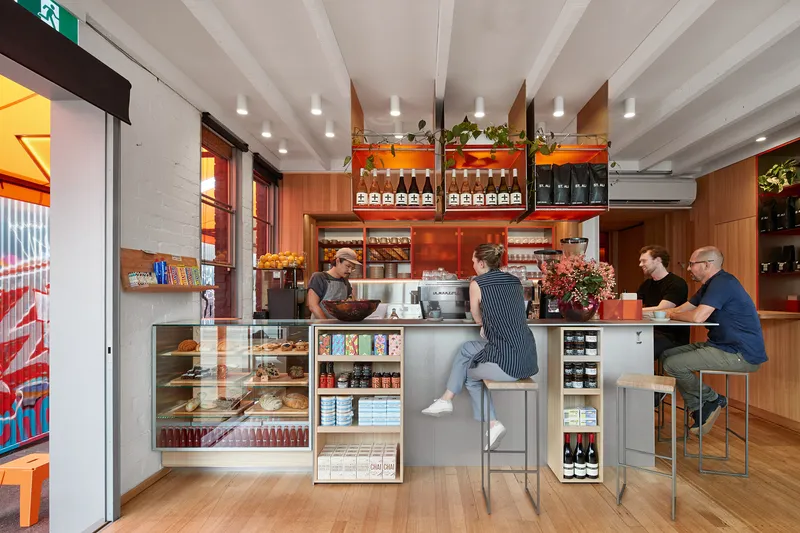
- Community Integration: The inclusion of public spaces like a café aimed to integrate the studio into the local community and enhance the streetscape.
Architectural Features
Exterior Design
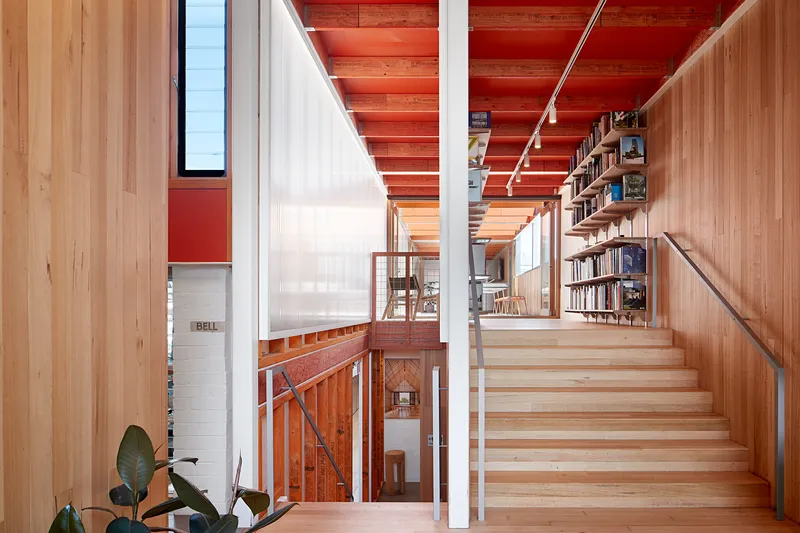
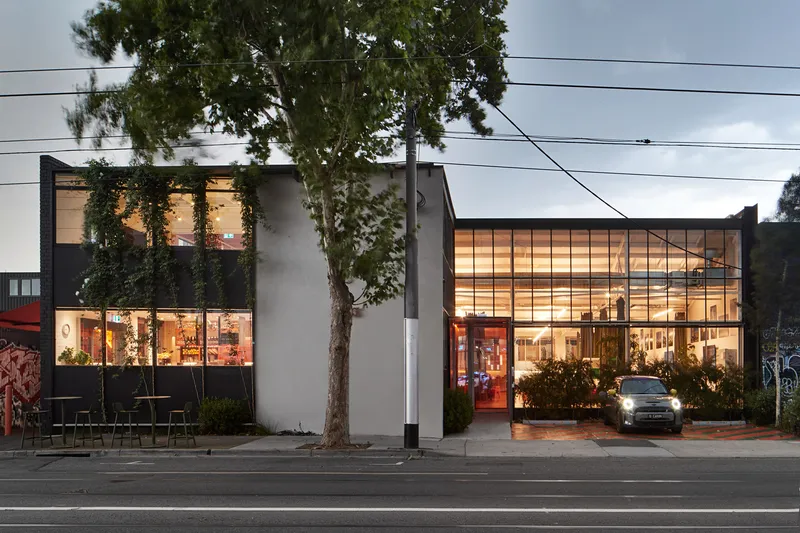
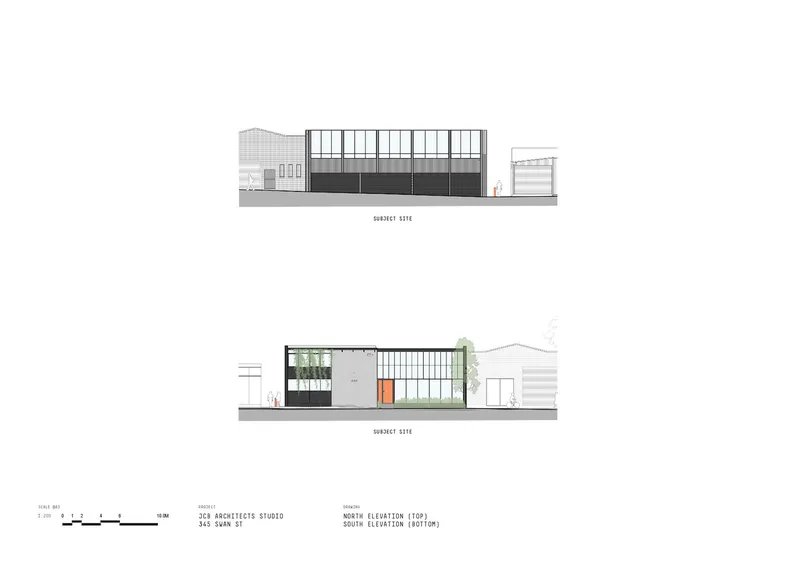
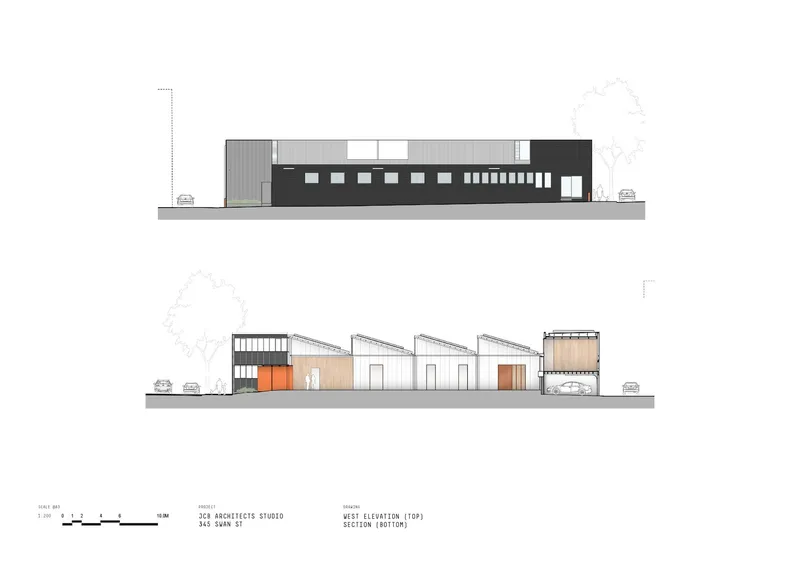
The exterior of the JCB Studio maintains the industrial character of the original warehouse. The sawtooth roof, a distinctive feature of mid-century industrial architecture, remains a central element, providing ample daylight through south-facing windows. This design not only enhances the building's aesthetic but also optimizes it for solar energy collection, crucial for the studio's sustainable operations.
Interior Layout
Central Floor Space
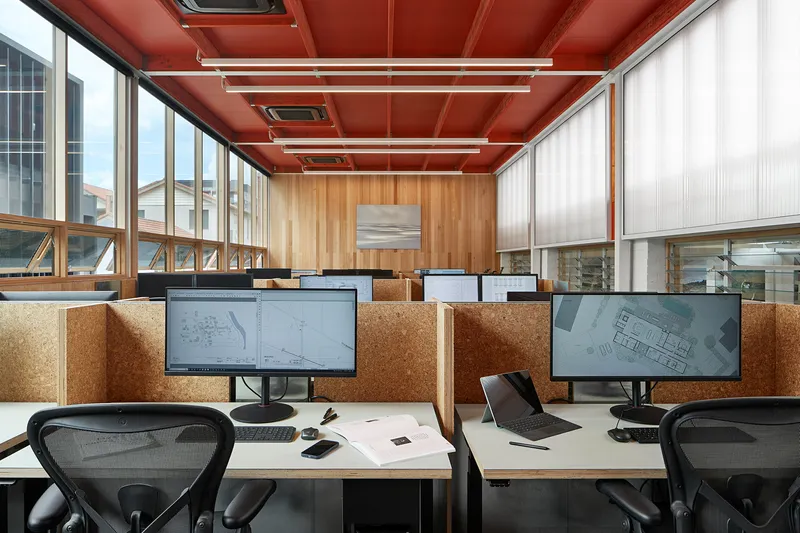
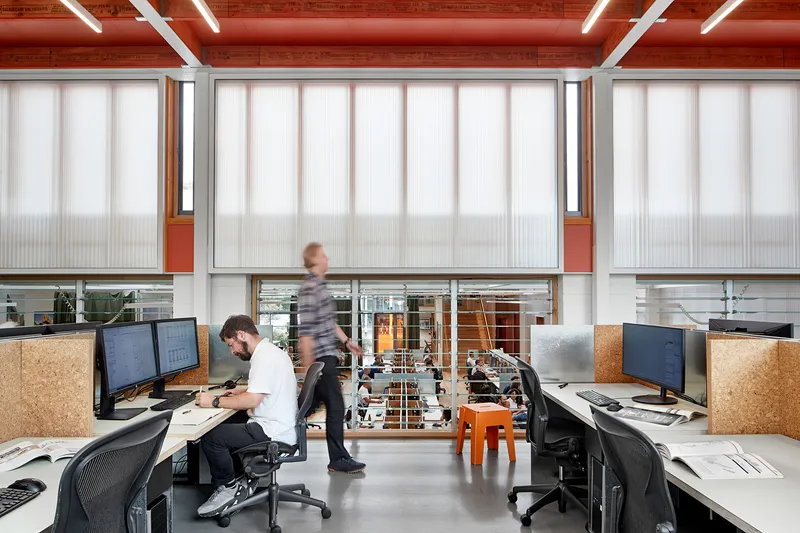
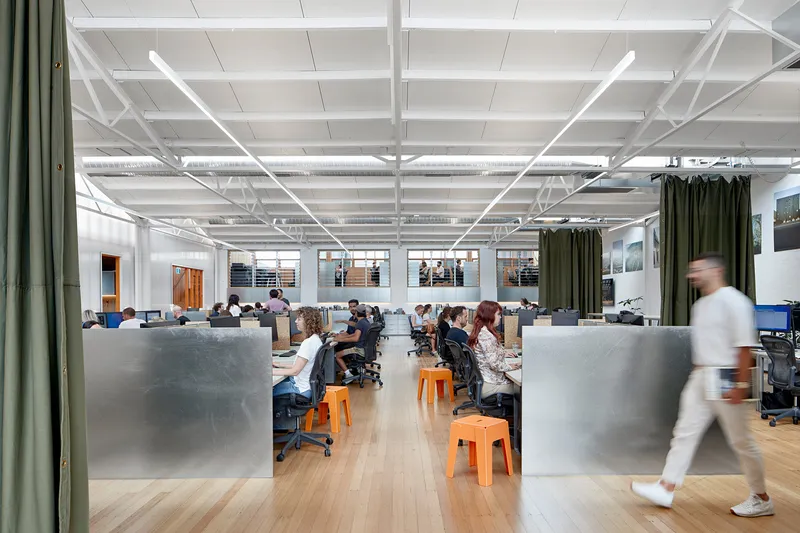
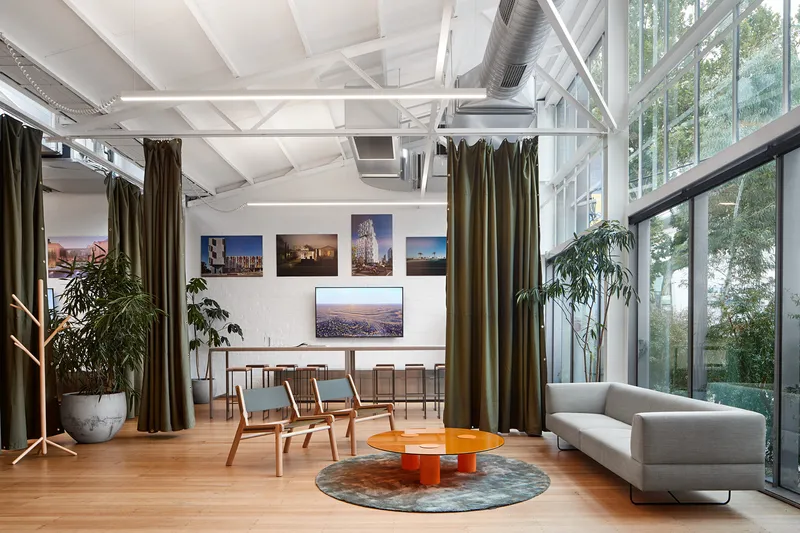
The heart of the studio is a large, clear-span floorplate that allows for efficient workstation planning. This open-plan area fosters collaboration and flexibility, essential for a multidisciplinary design studio.
Perimeter Spaces
Around the central floorplate, JCB adapted existing spaces to serve various functions:
- Meeting Rooms: Designed for both formal and informal gatherings.
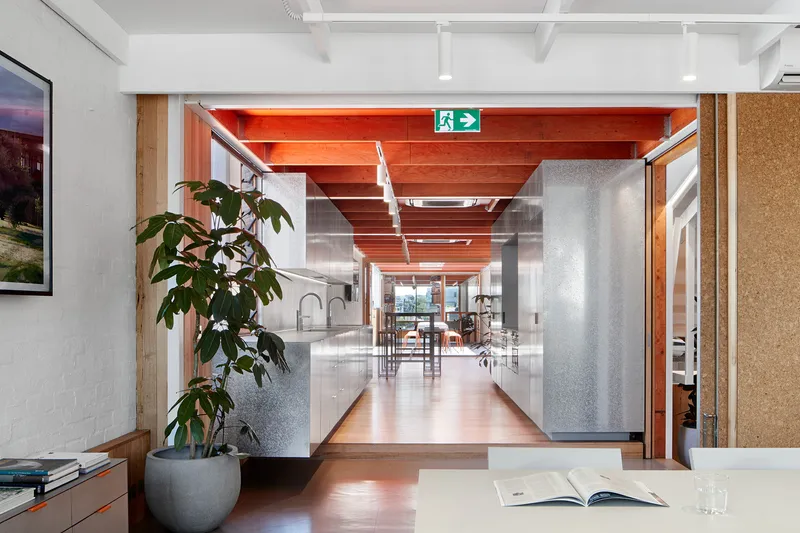
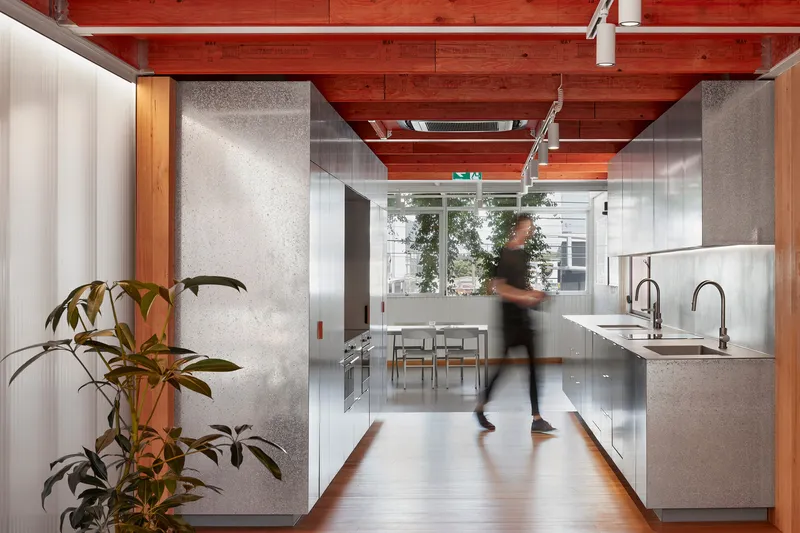
- Wet Areas: Including kitchens and bathrooms.
- Social Spaces: Areas designed to encourage interaction among team members and visitors.
Additional Floors
- Second Floor Expansion: On the building's west side, an outdoor terrace was added, providing an additional workspace and recreational area.
- Mezzanine Floor: This new level on the northern frontage includes workspaces, car parking, bicycle parking, and storage, maximizing the use of available space.
Interior Design
The interior design of the JCB Studio is characterized by a raw, unadorned aesthetic. Exposed laminated timber beams, particle board, steelwork, and trusses highlight the building's structural elements. This approach not only celebrates the building's industrial heritage but also ensures that these materials can be salvaged and reused in the future.
Modular Workstations
Custom-designed, interlocking workstations allow for various configurations, from parallel runs to clusters. This modular design supports the studio's need for adaptability, enabling easy reconfiguration as project requirements change.
Sustainability Features
Sustainability is at the core of the JCB Studio's design. The project incorporates several key features aimed at reducing its environmental impact.
Solar Energy
The studio is equipped with a 60kW photovoltaic solar array and three 13kWh storage batteries. This system supports the office's electrical needs, electric car charging, and provides backup power, contributing to the studio's goal of operating off-grid as much as possible.
Energy Efficiency
- Operable Windows and Large Door Openings: These features enable cross-flow ventilation, reducing reliance on mechanical cooling systems.
- Electric Car and Bicycle Parking: Extensive bike parking facilities and a dedicated electric car for team use encourage sustainable transportation.
- Climate Active Certification: In late 2020, JCB achieved Climate Active certification, underscoring their commitment to environmental sustainability.
Social Integration
An integral part of the JCB Studio is the café (345), owned and operated by JCB. The café serves as a social hub for both the team and visitors, activating the pedestrian laneway and contributing to the local community. This integration of public and private spaces enhances the building's role in the neighborhood, creating a vibrant and welcoming environment.
Street Activation
The design of the studio includes landscaping, lighting, and graphic art to refresh the building's three elevations, improving pedestrian safety through active and passive surveillance systems and 24-hour perimeter lighting. These features not only enhance the building's aesthetic appeal but also its functionality and safety for the surrounding area.
The JCB Studio by Jackson Clements Burrows Architects is a compelling example of adaptive reuse, combining historical preservation with modern, sustainable design. By retaining and enhancing an existing industrial warehouse, JCB has created a dynamic, flexible workspace that meets contemporary needs while minimizing environmental impact. The project underscores the potential of adaptive reuse in architectural design, offering a model for future developments that seek to balance functionality, sustainability, and community integration. As a result, the JCB Studio stands as a testament to innovative design thinking and a commitment to environmental stewardship.
All Photographs are the work of Shannon McGrath




Popular Articles
Popular articles from the community


Co-life: Sustainable Architecture for Age-Friendly Community Living
Co-life reimagines sustainable architecture for seniors through courtyards, rammed earth, shared gardens, and spaces designed for belonging.

Hill & Cross Opera: Sculptural Opera House Architecture Shaped by Tallinn’s Landscape and Identity
Hill & Cross Opera reimagines opera house architecture in Tallinn through its sculptural hill, civic plaza, glass wave and a luminous cross.

Riyadh For All: Intergenerational Urban Design for Active Aging in Rabat
Riyadh For All reimagines urban design in Rabat with intergenerational co-living, adaptive courtyards, and Moroccan cultural exchange today.

Play: Fragments of Their World
Familiar architecture becomes modular playground design, creating safe spaces where displaced children can learn, connect, imagine and play.


Similar Reads
You might also enjoy these articles

Day and Night Park: A Time-Based Urban Newsstand in Beijing
A temporary urban newsstand in Beijing blending travel, light, and reading through poetic colors, compact form, and community-focused design.

Modernist Patio Renovation in El Masnou, Barcelona by Oliver Segura Arquitectura + Cebrià Arquitectura
Modernist patio renovation blending tradition and innovation with a movable pool, leveled floors, and Catalan materials in El Masnou.

Alto Residencial Coop: Cooperative Housing Development in Santiago de Compostela by Carbajo Barrios Arquitectos
A linear cooperative housing complex blending white volumes and perforated metal façades, enhancing community living, natural light, privacy, and urban integration.

Vil Genis School by BPA ARCHITECTURE – Massy, France
Vil Genis School in Massy, France, features sustainable design, south-facing classrooms, community integration, accessible spaces, and modern educational architecture.


Comments (0)
Please login or sign up to add comments
No comments yet. Be the first to comment!