
Designing for Resilience: Architectural Responses to Climate Change
Explore resilient architecture: sustainable designs that protect against climate change, enhance durability, and adapt to extreme weather events.

The built environment is on the frontlines of climate change. Rising sea levels, stronger storms, prolonged droughts, and extreme heatwaves are no longer distant threats—they are part of today’s reality. Resilient architecture, which focuses on designing structures to endure and adapt to these challenges, has become a critical response. The goal is straightforward: protect people, conserve resources, and ensure that buildings and communities can function even under stress.
What Is Resilient Architecture?
Resilient architecture anticipates climate-related risks and integrates solutions into the design process. It’s about creating livable, safe, and operational spaces during and after extreme events. This approach shares similarities with the strategies employed in an aviator game online play, where planning ahead and adapting to changing circumstances are essential for success. Unlike traditional designs, which often emphasize aesthetic or functional goals alone, resilience adds an extra layer of foresight and adaptability.
Defining Characteristics:
● Durability: Buildings are constructed to withstand specific threats such as hurricanes, floods, or heatwaves.
● Resource Efficiency: Designs incorporate renewable energy, water-saving systems, and low-impact materials.
● Flexibility: Spaces can adapt to changing conditions, such as converting a recreational area into an emergency shelter when needed.
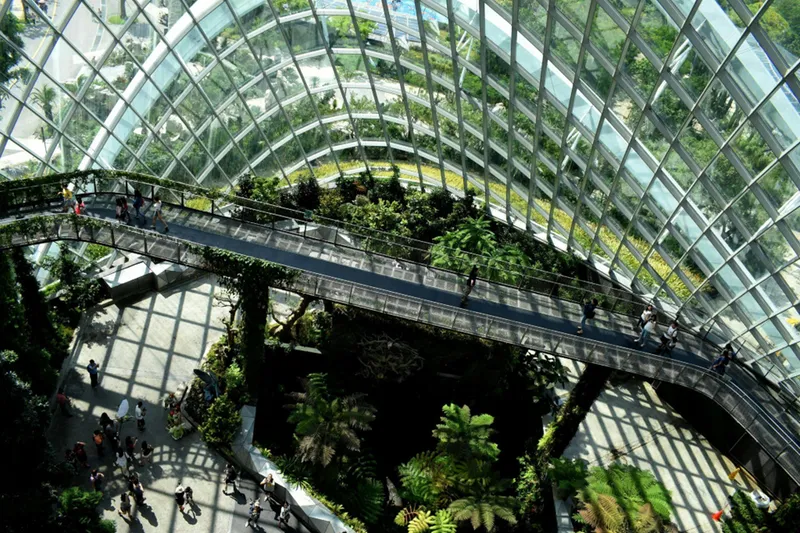
● Integration with Nature: Using natural systems, like vegetation and wetlands, to enhance a building’s resilience.
Innovations in Resilient Design
Resilient architecture is not about starting from scratch; it’s about using smart, efficient strategies that work in harmony with existing landscapes and technologies.
Passive Design Strategies
One of the most effective ways to build resilience is through passive systems that reduce dependence on mechanical infrastructure. These include:
● Ventilation: Buildings can capture and circulate fresh air through operable windows and cross-ventilation pathways.
● Orientation: Maximizing sunlight during winter months or minimizing solar exposure in hotter climates.
● Thermal Mass: Materials like stone, brick, or concrete absorb and release heat slowly, helping regulate indoor temperatures.
Flood-Resistant Solutions
Flooding is one of the most common climate-related disasters. Houses built on stilts or raised platforms avoid water damage during storms. Floating foundations can also allow buildings to rise and fall with water levels.
Hardscapes like parking lots and pathways can be designed with porous materials to absorb stormwater and reduce runoff.
Green Roofs and Walls
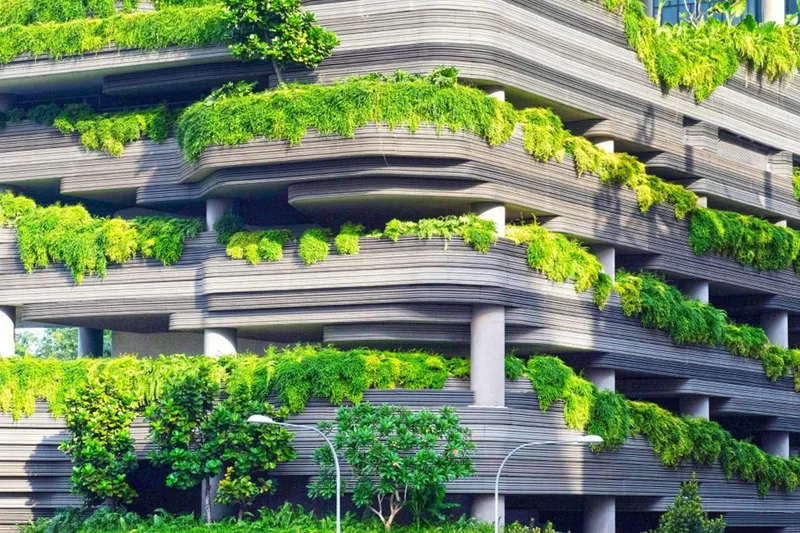
These vegetative systems are not just environmentally friendly—they are practical, too. Green roofs absorb rainwater, regulate temperatures, and protect roofing materials from wear. Similarly, green walls help insulate buildings and lower the effects of urban heat islands on dense cities.
Resilience Beyond Individual Buildings
Designing resilient buildings is just the beginning. True resilience involves planning for entire communities and ensuring that infrastructure and shared spaces are ready to withstand disruptions.
Community-Focused Design
Public spaces, like parks and plazas, are being designed with dual purposes. During normal times, they serve as recreational areas. In emergencies, they can act as evacuation zones or resource hubs equipped with renewable energy sources, water storage, and communication systems.
Affordable, Durable Housing
Low-income communities are often the most vulnerable to climate disasters. Affordable housing projects are increasingly integrating resilient features, such as storm-resistant materials and efficient layouts, without inflating costs. These homes offer safety while preserving accessibility.
Multi-Use Facilities
Community centers and schools are being designed as multi-use spaces. Beyond their primary function, these structures can quickly transform into emergency shelters or distribution points during crises, providing food, water, and power.
Overcoming Challenges in Resilient Design
Despite its clear benefits, resilient architecture faces several hurdles. The upfront cost of durable materials and advanced technologies can be significant. Retrofitting older buildings to meet resilience standards is another challenge, often requiring extensive renovations that disrupt existing spaces. However, these challenges are being addressed through innovative approaches:
● Cost reduction: Architects are finding ways to use locally available materials and modular systems to lower costs.
● Policy support: Governments are introducing incentives, like tax breaks or subsidies, for resilient design.
● Public awareness: Educating communities and developers about the long-term savings of resilient buildings helps drive adoption.
Building a Resilient Future
Resilient design presents an opportunity to redefine the role of architecture in addressing global challenges. Buildings are no longer static objects; they can now actively contribute to environmental restoration, community stability, and resource conservation. This approach transforms architecture into a living, dynamic force for good. One that not only reacts to climate change but proactively shapes a more sustainable future.



Popular Articles
Popular articles from the community


Riyadh For All: Intergenerational Urban Design for Active Aging in Rabat
Riyadh For All reimagines urban design in Rabat with intergenerational co-living, adaptive courtyards, and Moroccan cultural exchange today.

Co-life: Sustainable Architecture for Age-Friendly Community Living
Co-life reimagines sustainable architecture for seniors through courtyards, rammed earth, shared gardens, and spaces designed for belonging.

The Musturak Paradise: Senior Living Architecture for a Connected Future in Temara, Morocco
The Musturak Paradise reimagines senior living architecture in Temara via private homes, social spaces, culture, community, and shared care.

Hill & Cross Opera: Sculptural Opera House Architecture Shaped by Tallinn’s Landscape and Identity
Hill & Cross Opera reimagines opera house architecture in Tallinn through its sculptural hill, civic plaza, glass wave and a luminous cross.


Similar Reads
You might also enjoy these articles

Bao Huynh Watercolor Atelier: A Serene Art Retreat in Hội An
Bao Huynh Watercolor Atelier in Hội An blends multifunctional art spaces, sustainable design, local materials, and family-friendly living in a serene environment.

Atelier Macri Concept Store Interior Design by CASE-REAL
Atelier Macri store features a "ko" counter, walnut wood details, cork displays, blending retail, gallery, and seamless customer experiences.

Manuel Vargas Izquierdo Stadium and High-Performance Sports Center: Architectural Excellence in Jalpa de Méndez
The Manuel Vargas Izquierdo Stadium blends sustainable design, inclusive sports facilities, and cultural-inspired architecture, revitalizing Jalpa de Méndez’s public spaces.

KAKR Buluh Awar Hall: Revitalizing Community and Ecology Through Bamboo Architecture
Community built bamboo hall revitalizes Buluh Awar village, empowering youth, restoring ecology, celebrating vernacular craftsmanship through sustainable architecture and culture.

Comments (0)
Please login or sign up to add comments
No comments yet. Be the first to comment!