Invention, Evolution, and Furniture
An essay on the ever-changing role of furniture and furniture design.

‘Necessity is the mother of invention’ – this old proverb originated from the Greek philosopher Plato who quipped it as ‘our need will be the real creator’. I like to think that we designers often adhere to this saying, regardless of which version is used, it is a constant reminder for us to look to our surroundings to find the inspiration to create new things. Take the Murphy Bed, for example – the Murphy Bed was invented because the courting traditions of the era prohibited William Lawrence Murphy (the creator of the aforementioned Murphy Bed) from ‘entertaining’ his lady friend in his bedroom. So, to circumvent this rule, he created the Murphy Bed. The origin story of this invention has got to be one of my favorites, because not only did William Lawrence Murphy cleverly dodge a ‘strict’ rule of the times but he also personified the saying ‘necessity is the mother of invention’. While his need was more carnal than anything else, it was still a need, it was his need. Of course, not everybody designs a foldable bed to ‘entertain’ guests. While the original function and intent of the Murphy Bed have been antiquated by history, many designers have expanded the concept of the design to be more multifunctional.
William Lawrence Murphy’s clever solution to his problem is how I envision furniture and furniture design as a whole – furniture design is the immemorial design process of creative solutions in smaller spaces and scales.
Furniture has always been a part of human history, from prehistoric dining furniture (the ground and rocks) to modern chairs and tables, our species has always relied heavily on furniture. Furniture, after all, is one of the most constant tools that we use every day. Case in point, to rest, we lie down on a bed; to eat, we sit on a chair and place our meal on a table; to work, we again sit on a chair (or perhaps stand if you use a standing desk) and place our computers on a table – essentially almost every action that we do indoors requires furniture - even cavemen used some form of furniture so why wouldn’t we need it? While varying sizes of rocks no longer work as the standard, furniture, and designing good pieces of furniture at that, is now more crucial than ever.
We live in a world that is filled with advancements and constraints – while the advancements help create a better environment for us, the constraints present equally serious challenges. With the rise of smaller houses and condos, it has become increasingly difficult to produce quality furniture that is multifunctional and space-saving. Furthermore, the ongoing pandemic presents even greater challenges to the design of furniture – the design has to accommodate prolonged use while remaining comfortable and ergonomic. As I’m sure you’re aware, we have truly demanded more from our furniture in recent years (mainly due to the pandemic) than in most of history – furniture design has become an art form that encourages humanity in its core design while still promoting beauty and aesthetic. Plato’s idea finds truth in modern society – our needs, both old and new, are the real driving force of creation and invention. Our collective necessity has created new problems that need clever and creative solutions; and because of the pandemic, we are forced to look at our surroundings to find answers to the new problems we are currently facing.
Another way to phrase Plato’s saying is ‘as the times change, so must we’, and our furniture and the processes of designing them change as well. We also demand that our furniture evolves with us - with new status quos and new challenges, our philosophies of furniture design adapt and evolve as well. This ever-changing landscape helps us create better things with new and previously unimagined functions. In the olden days, furniture makers had to sketch elaborate designs on paper then execute them by hand, these days, however, they can simply create 3D models of the things they are designing and 3D print them once they are satisfied with the look and want to test out the concept. Again, as the times change, so must we – this saying holds especially true now that the world is facing a global pandemic and the workplace paradigm shift that went with it. Because of the pandemic, people who didn’t have dedicated works stations or home offices have been forced to create these spaces – from proper tables and chairs to proper backdrops for meetings, these spaces that have suddenly demanded their existence can’t be satisfied by a ‘that’ll work’ attitude. We have to use these spaces for hours on end and we have to be comfortable and productive while doing so. It’s no secret that challenges like these have forced furniture design to test the limits of what it can produce in the name of creating a superior product – this challenge, however, is the exact kind of necessity that they were created to address, the adversity of the situation has forced the evolution of these seemingly quiet tools of mankind.
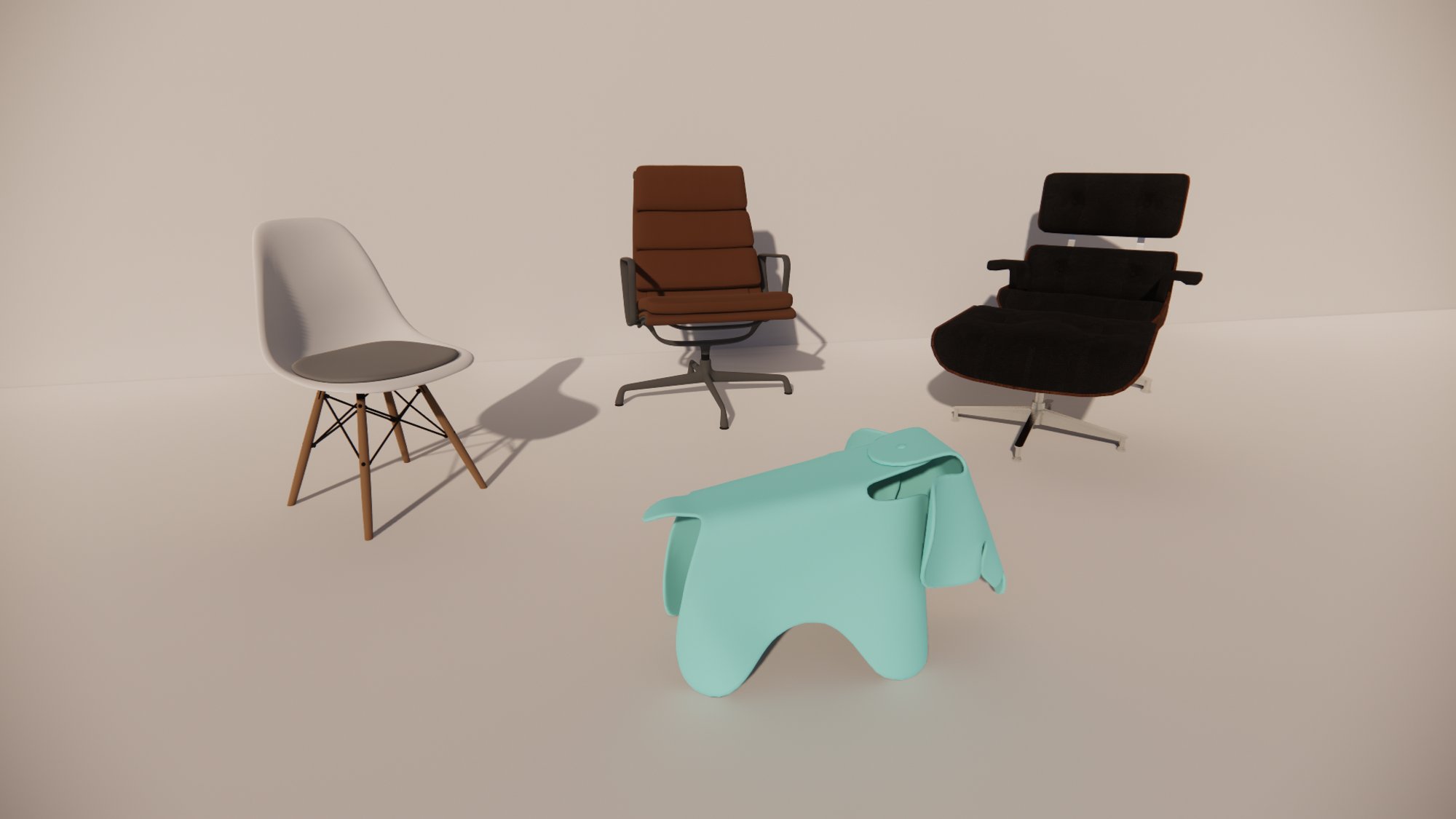
If it’s not a global pandemic or a paradigm shift of work at play, it’s the demand to create smaller – due to the economic constraints of recent years (not due to the pandemic) people have begun living in smaller houses to enjoy the economic freedom and freedom from all the clutter. The tiny house movement has created this sort of mixed and hybrid ideology that the machinations of the house and the functions of the furniture have to be combined to create a superiorly efficient function in a small setting. Every time that a challenge of the times has come up, the demand for the evolution of furniture has been evident – and these demands haven’t been made lightly. Maybe, it would be easier for us to create 3D printed prototypes of new concepts so we can be ahead of the curve when a new crisis strikes – philosophies like this sometimes make me think that MIT could be the best furniture design school (in terms of prototyping concepts) and willing new furniture machinations to life, like how they do with robots or sci-tech in general. All creative puns aside, I think that schools that teach furniture design are as important as any kind of design college – besides, it’s not like architects didn’t dabble in furniture design. Eero Saarinen, Charles Eames, Santiago Calatrava, Zaha Hadid, (to name a few) all dabbled in furniture design – simply put, furniture design is something that affects all of us; so, we, in turn, should pool our creative knowledge to create better things.
Necessity may be the mother of invention, but necessity is nothing if there are no people present to will the solution to life. If necessity is the mother, then the ‘creator’s will’ is the father of invention. Yes, that’s what furniture is – it’s one of the most elegant inventions of humankind. It’s both an art and a science – it is designed to be beautiful and to be functional. It’s supposed to become an iconic piece of functional art in the spaces we occupy and, more importantly, in our homes – moreover, furniture was created to help solve problems and challenges presented to it efficiently. Essentially, without furniture, our lives would be very different from what they are now – mankind has always relied on tools and furniture has always been one of man’s best and most dependable tools.
While some may view furniture as just another item in the house, we must never forget our silent compatriots in our journey through life – after all, they do help us in more ways than we can count.