Spectrum: An Interactive Urban Bridge Design That Connects Life, Light, and City
An interactive urban bridge where light, color, and connection converge—uniting movement, people, and city life in harmony.


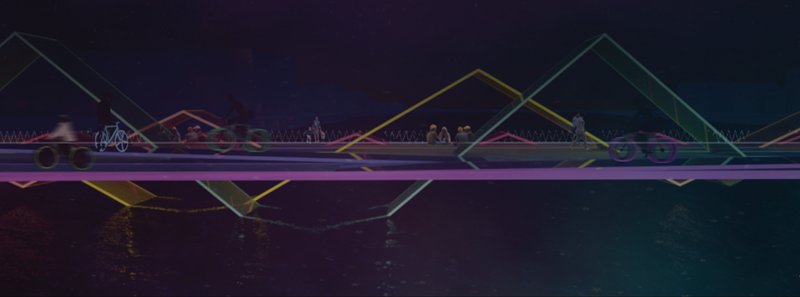
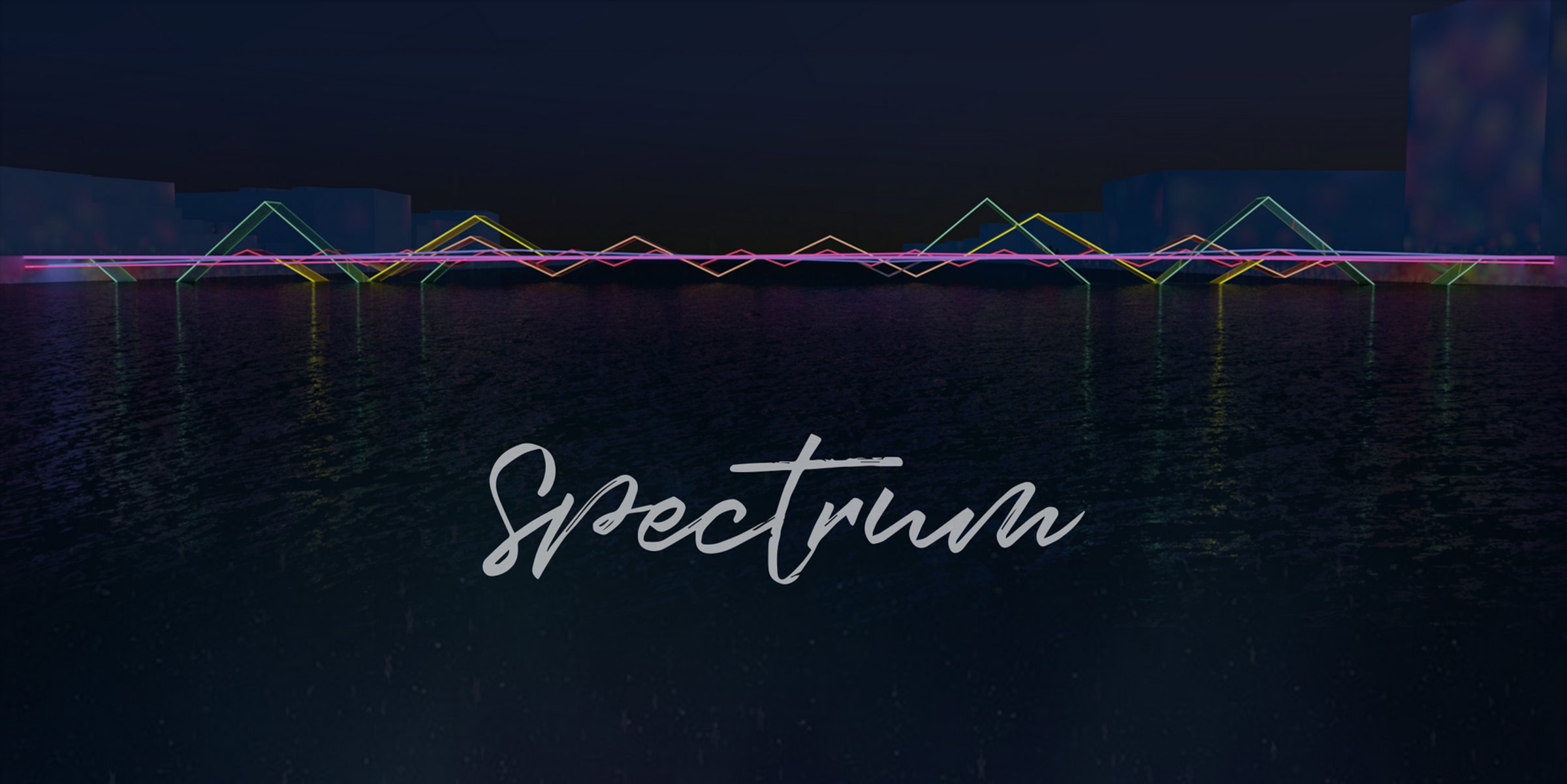
In the heart of Copenhagen, a revolutionary idea transforms the definition of a bridge. "Spectrum" is more than a piece of infrastructure—it is an interactive urban bridge design that becomes a vibrant, multifunctional space where color, community, and connectivity collide. Designed by Balázs Szigetvári, Szilvia Vereckei, and Hanna Szalai-Szabó, the project integrates a shared urban space with the poetic symbolism of light, making it a place to pass through and a destination to experience.
A Bridge of Light, Life, and Interaction
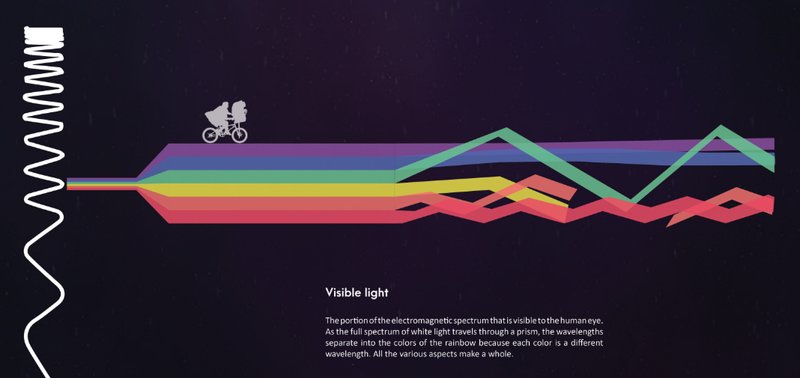
The project draws inspiration from the visible spectrum of light—a continuum without borders. Just as a prism reveals the colors hidden within white light, the bridge reveals the richness of urban life. By placing the bridge at the intersection of a river and road, it connects two dissimilar elements, allowing both human and vehicular movement to coexist without interruption. This thoughtful placement turns the bridge into a node of interaction and vibrancy.
The Spectrums of Urban Life
The design recognizes the spectrum as a metaphor for the city itself. Different colors and frequencies represent different flows—bike lanes, pedestrian paths, green belts, urban viewpoints—all coming together in this single space. Each frequency is an essential component of a living city. This interactive urban bridge design makes space for their individual rhythms and provides areas where they blend, enabling users to relax, commute, or celebrate.
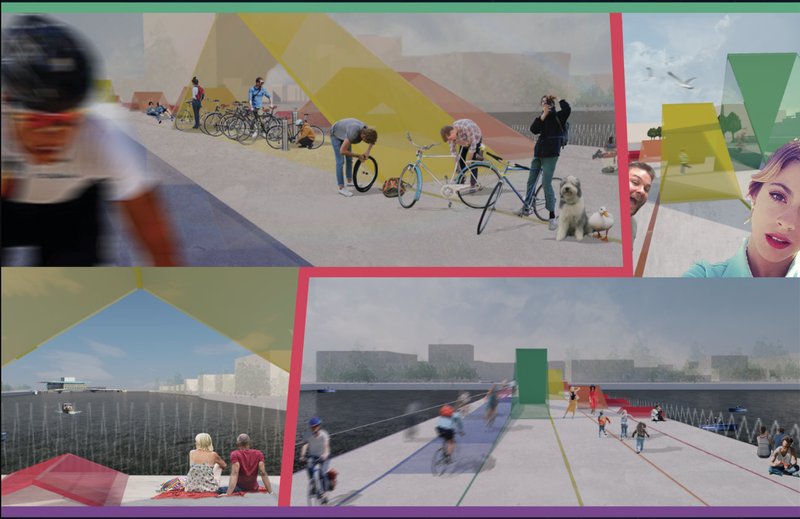
Whether it is biking across a rainbow-hued path, sunbathing on a quiet platform, or attending a pop-up exhibition, users are invited to experience the city through multiple lenses. Every part of the bridge has purpose and adaptability. Public facilities such as bike repair stations and restrooms are strategically located, while modular spaces are left open for events, retail, or simple moments of pause.
A Place for People
This isn’t just a transit zone—it is a people-centric urban space. The design encourages human interaction by providing a mix of intimate corners and larger open zones. Whether you want to lie under the sun, sip a coffee, meet a friend, or simply watch the waves reflect the sky, there is room for every form of everyday life. The vibrant, open-minded environment embodies inclusivity and adaptability, making the bridge not only a physical connector but also a social and cultural one.
Architectural Adaptability
One of the most impressive features of this interactive urban bridge design is how it handles multifunctional use. Cyclists, pedestrians, families, and event-goers all use the same surface without interference. Each wave-like segment of the bridge is designed to cater to different needs while remaining visually cohesive. It is accessible, functional, and poetic.
A New Landmark of Copenhagen
With its dynamic form and symbolic structure, the bridge rises as an iconic landmark. It offers new views of the city, whether from above the colorful panels or below them. Its vibrant lines guide people across not just space, but experience—encouraging them to discover connections within the urban fabric. The bridge becomes a visual and cognitive journey, making it as attractive to the mind as it is to the eye.
Integrating with the Urban Fabric
Beyond infrastructure, the Spectrum bridge stands as a cultural and symbolic statement. Each colored path within the structure links urban highlights like parks, viewpoints, and cemeteries—functioning like a "treasure map" of the city. In doing so, it invites exploration, curiosity, and reflection. It reshapes how people perceive and move through Copenhagen’s public spaces.