
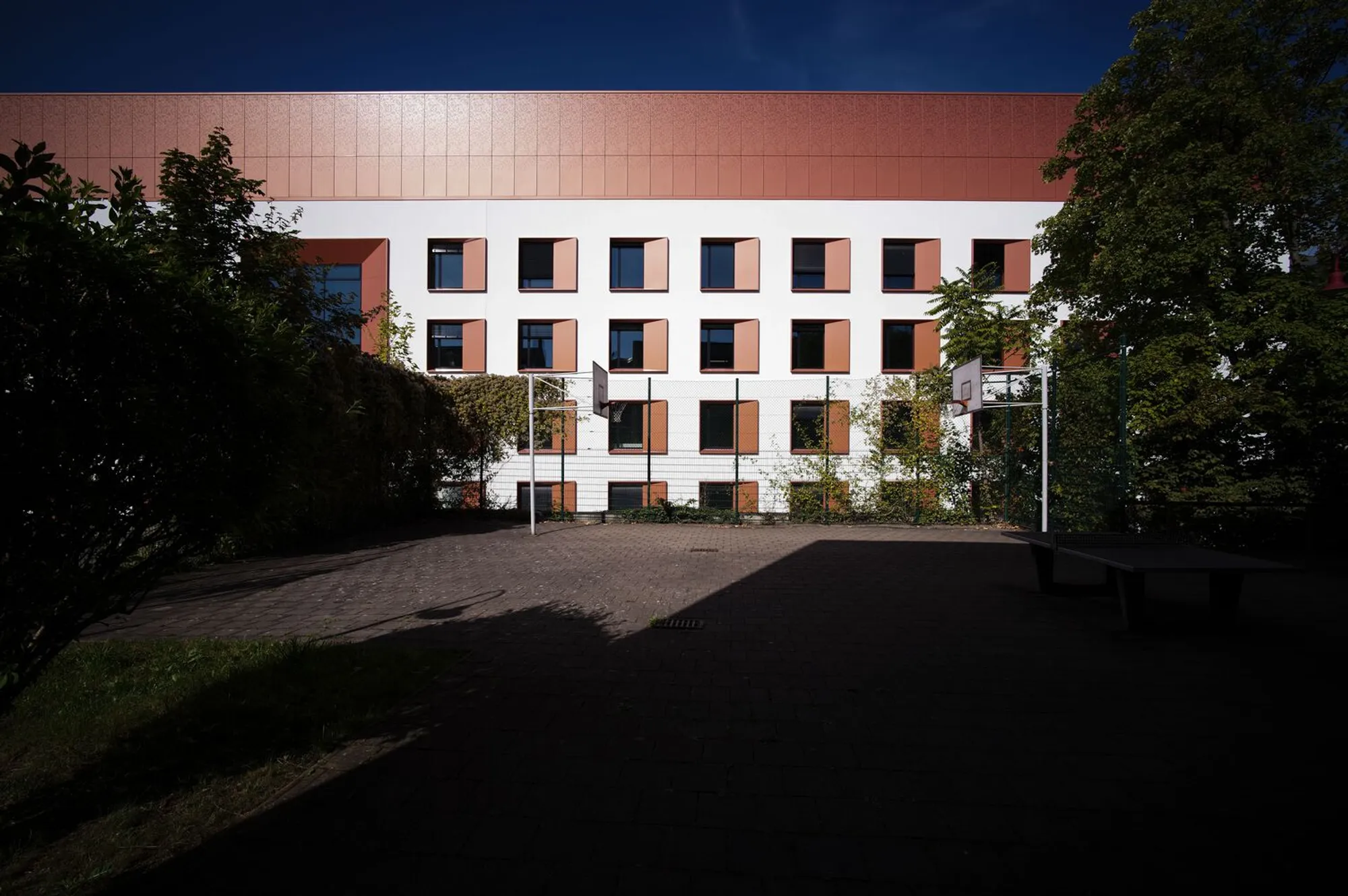
Sustainable Research Facility Design in Jena: Unveiling the Center for Energy and Environmental Chemistry
Discover the Center for Energy and Environmental Chemistry in Jena, a model of sustainable research facility design by Telluride Architektur.


The growing demand for sustainable architecture in the field of research has led to innovative designs that not only support scientific advancements but also promote environmental responsibility. The Center for Energy and Environmental Chemistry (CEEC) in Jena, Germany, designed by Telluride Architektur, embodies this trend by integrating eco-friendly principles into a cutting-edge research facility.
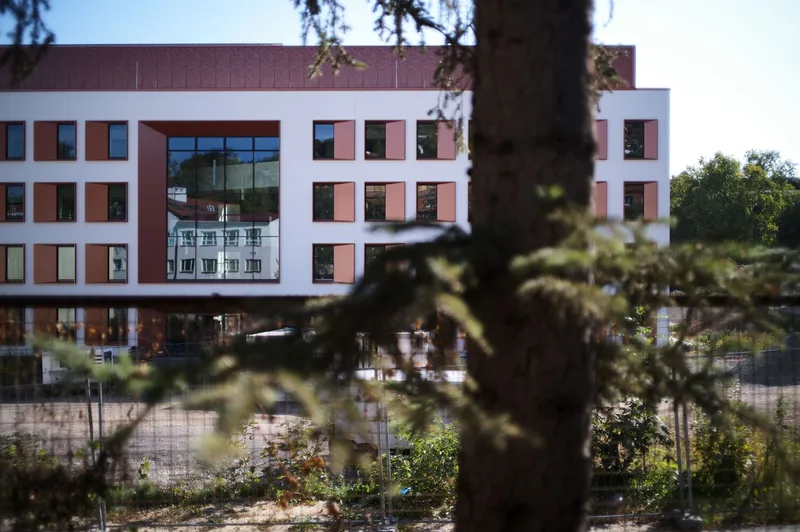
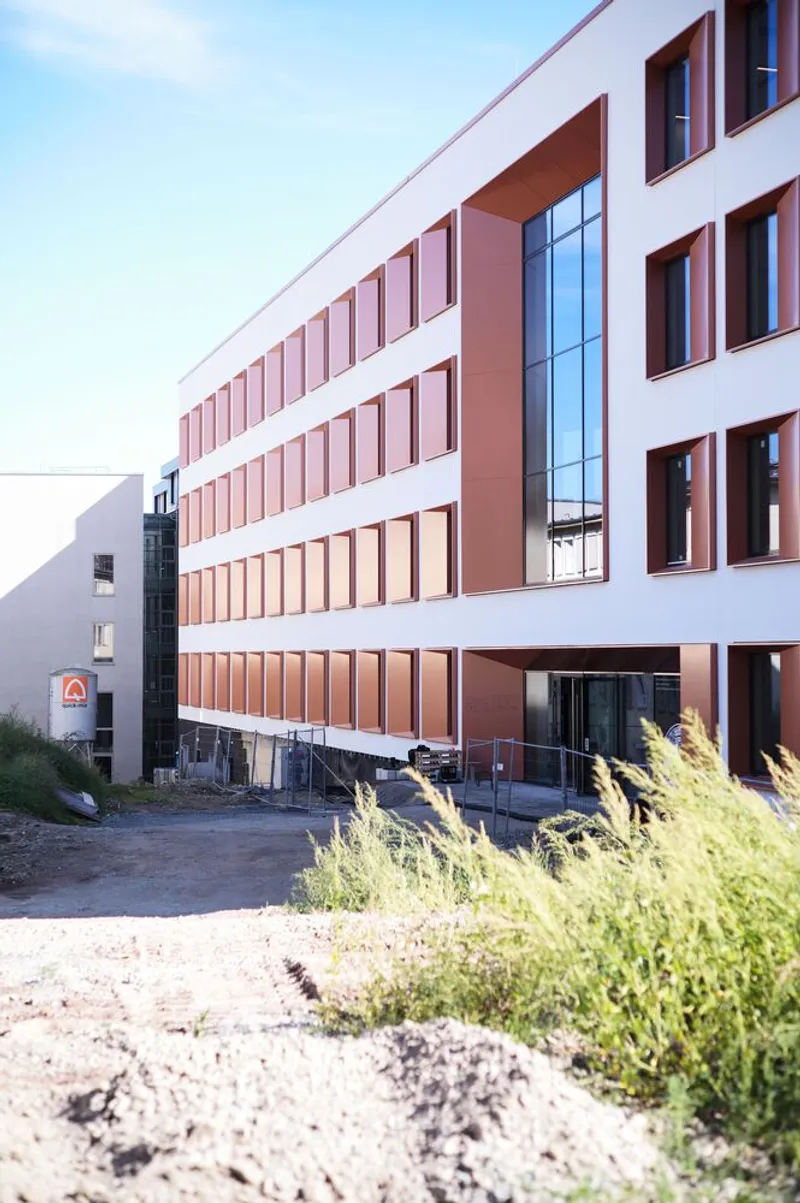
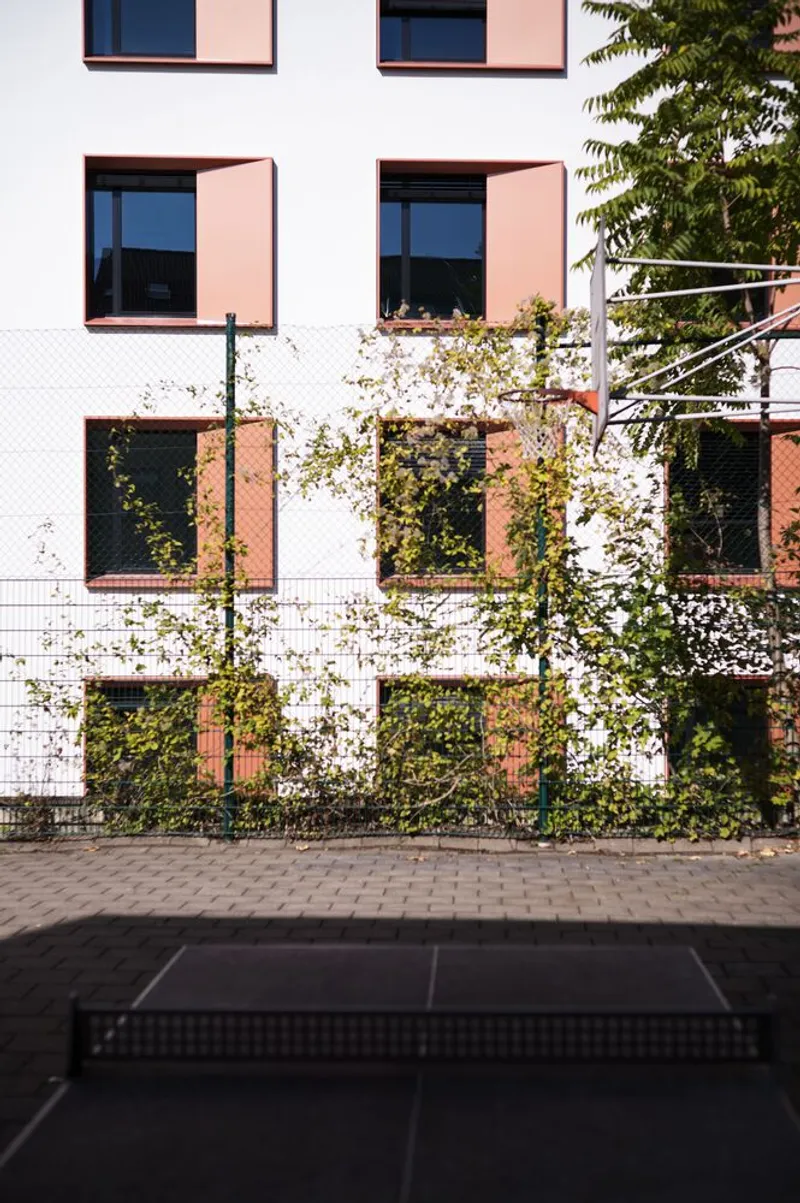
Overview of the Center for Energy and Environmental Chemistry
Project Context and Design Philosophy
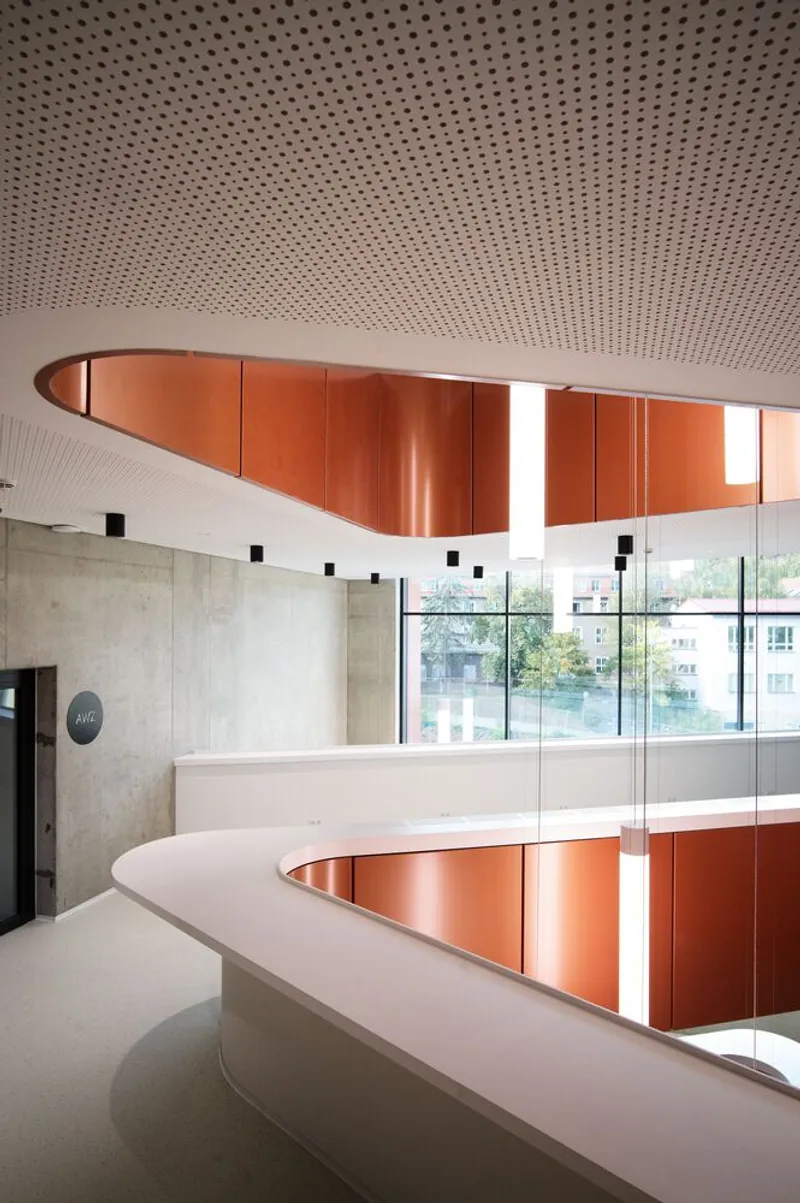
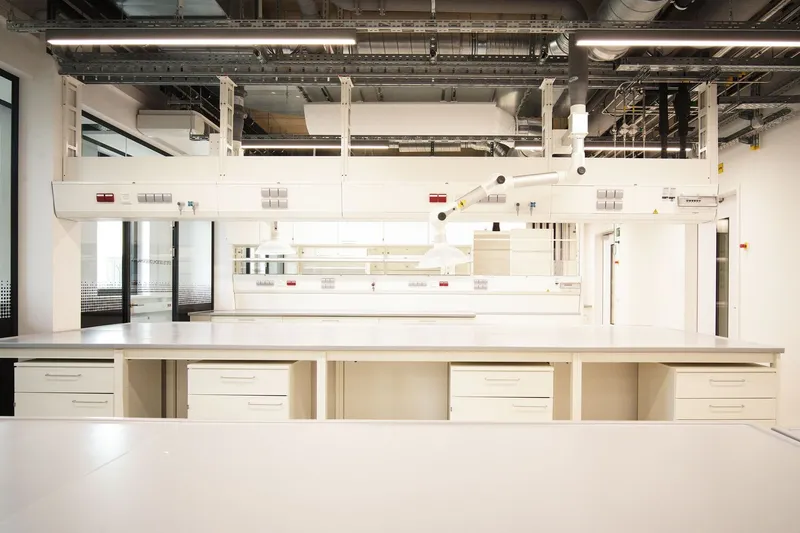
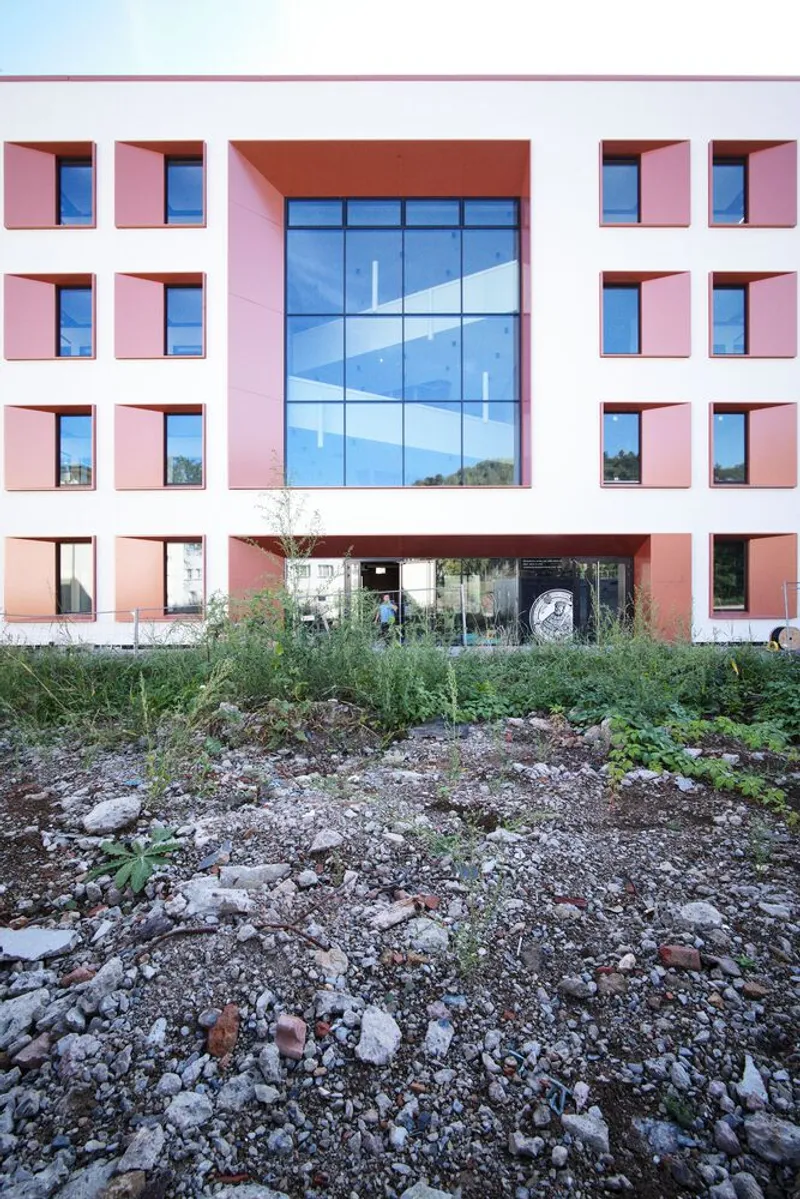
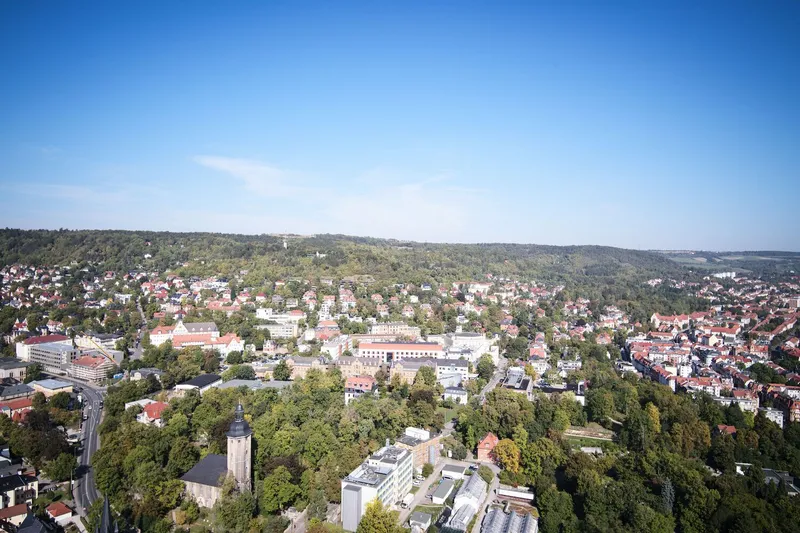
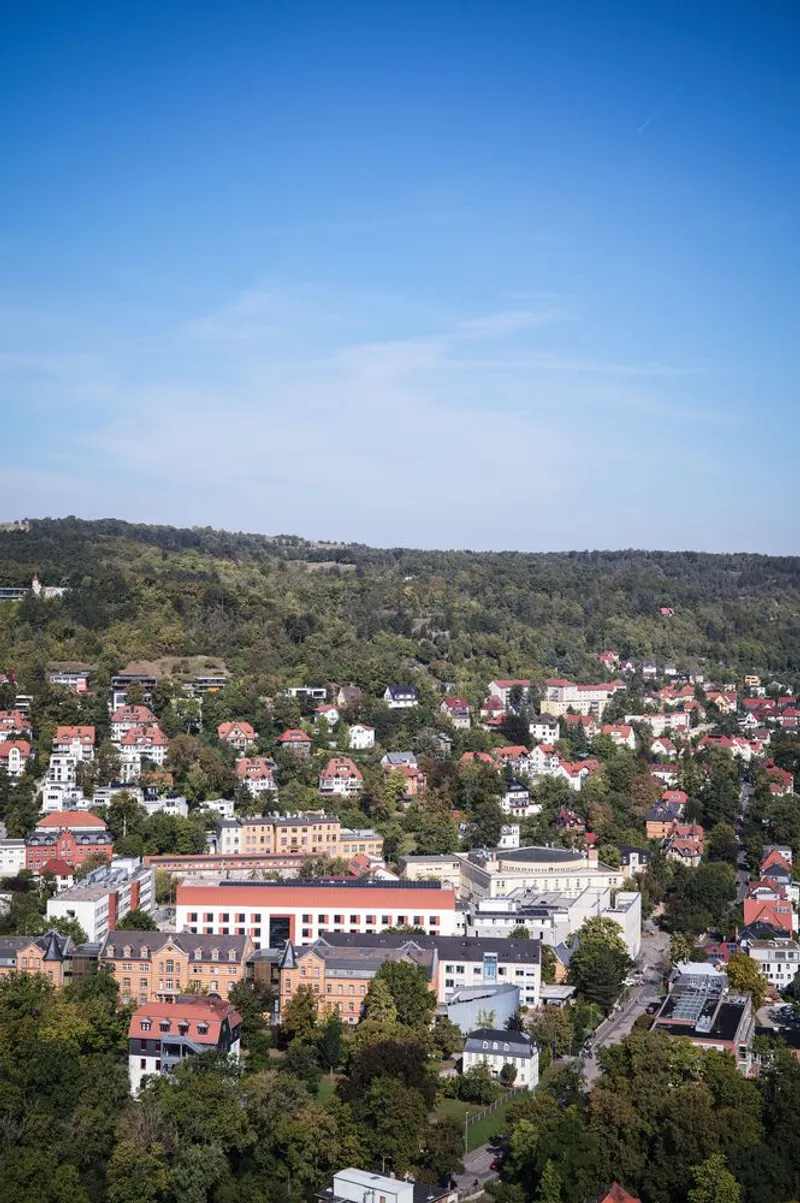
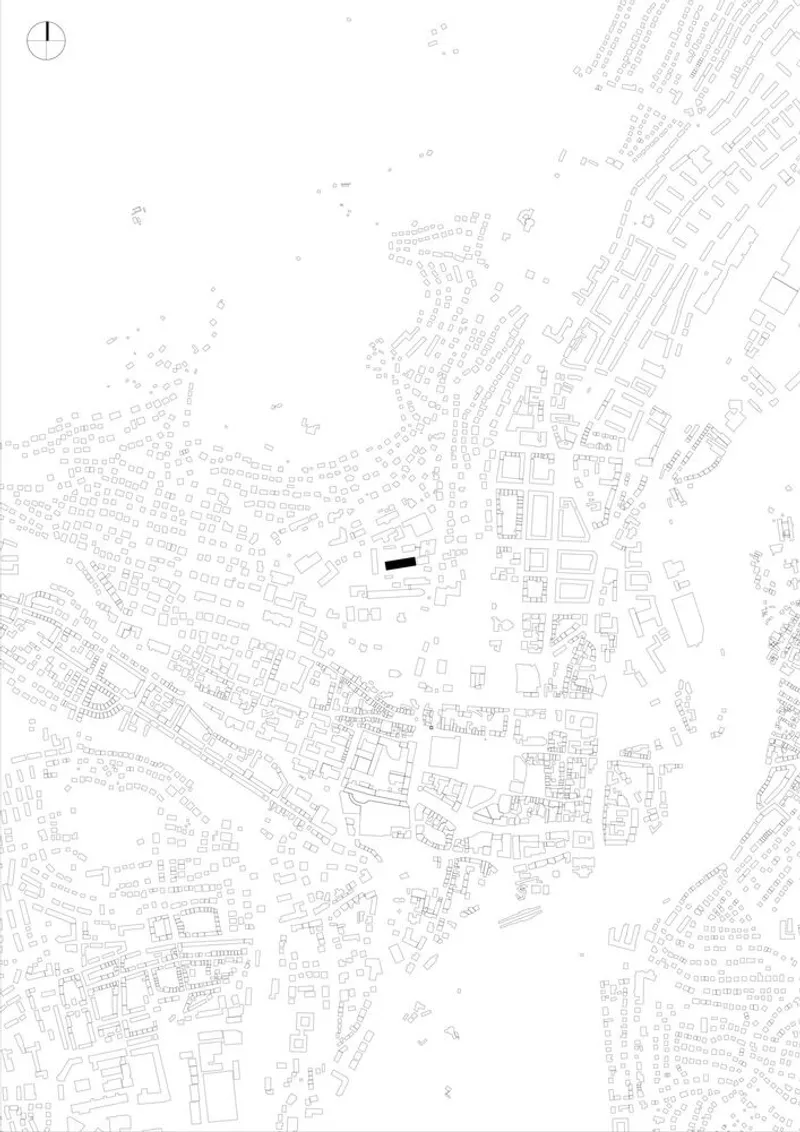
Located on the Chemistry Campus of Friedrich Schiller University Jena, the CEEC, along with the Application Center (AWZ), spans an impressive area of 9,762 m². Completed in 2023, this facility is dedicated to pioneering research into new batteries, printed solar cells, and energy conversion facades, making it a cornerstone of sustainable research facility design in Jena.
Collaborative Architectural Approach
The design of the CEEC was developed in close cooperation with Prof. Ulrich Schubert, reflecting a deep integration of academic expertise and architectural innovation. This collaboration ensured that the building not only serves its functional purposes but also enhances the research environment through its thoughtful architectural elements.
Key Features of the CEEC
Innovative Use of Space
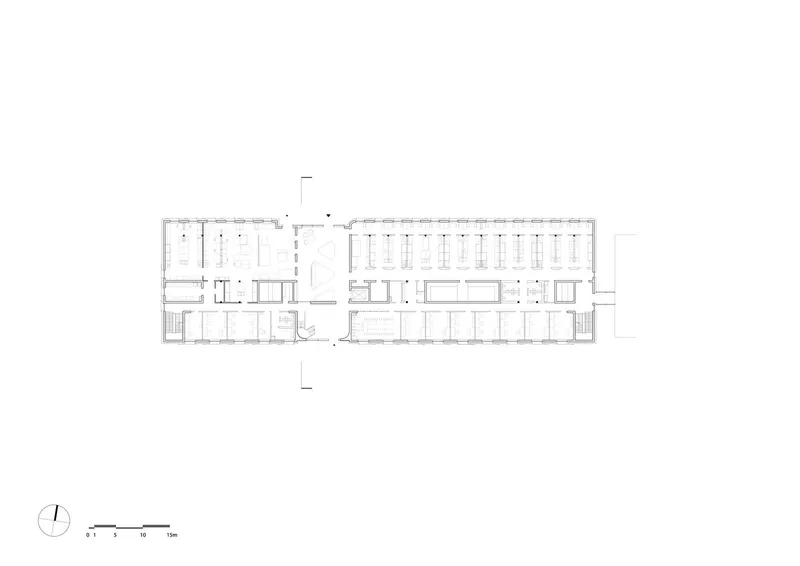
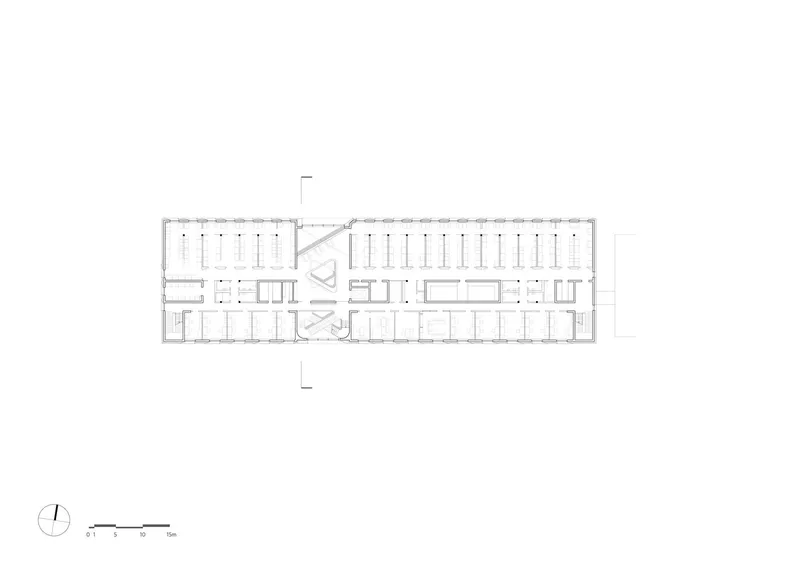
The facility’s layout is meticulously planned to facilitate the seamless flow of work and ideas. It features specialized areas for both theoretical research and practical applications, fostering an environment that encourages scientific breakthroughs and real-world implementations.
Architectural Highlights and Sustainable Features
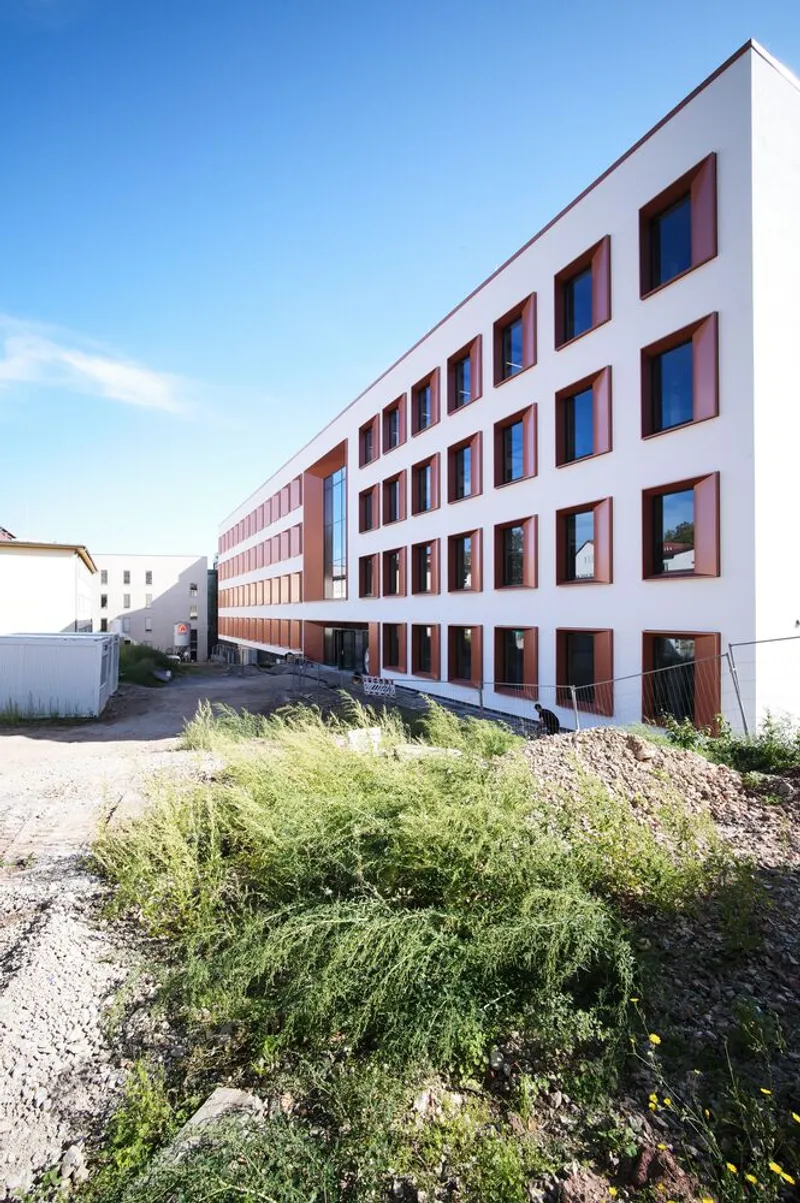
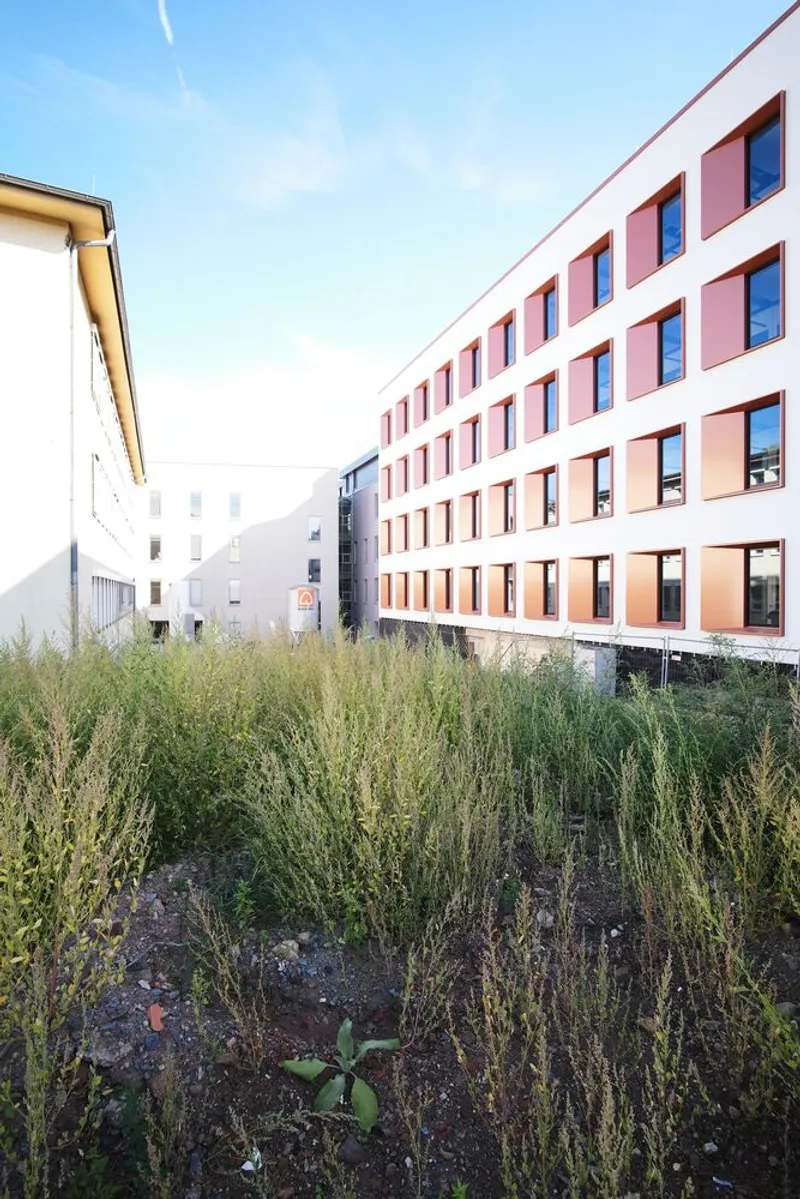
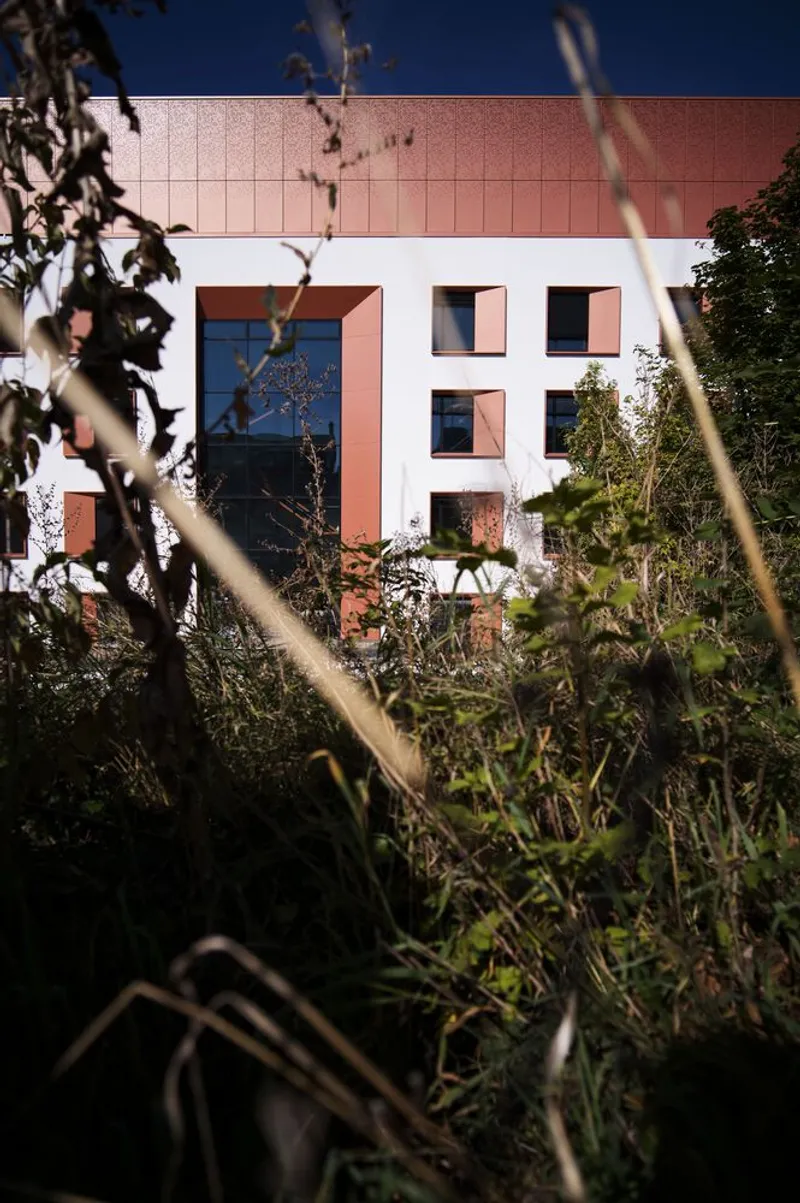
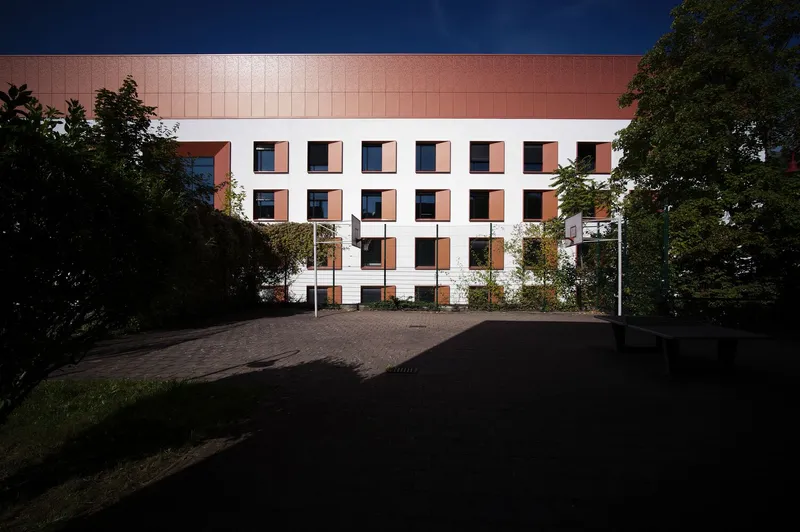
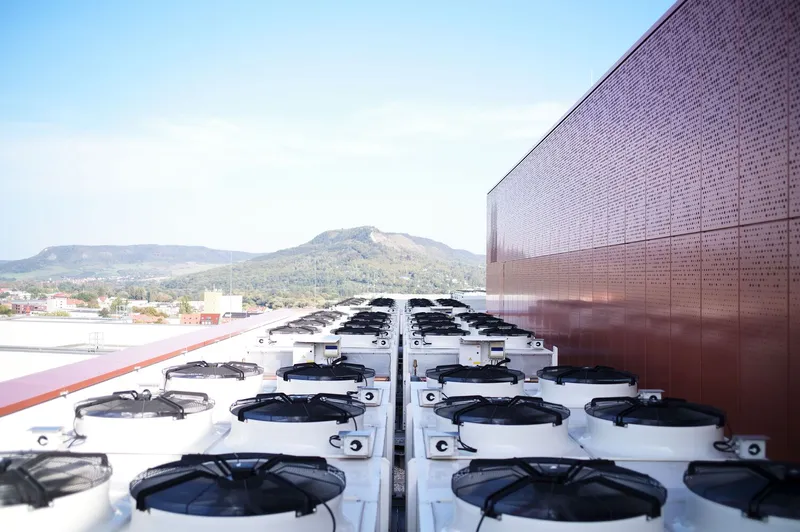
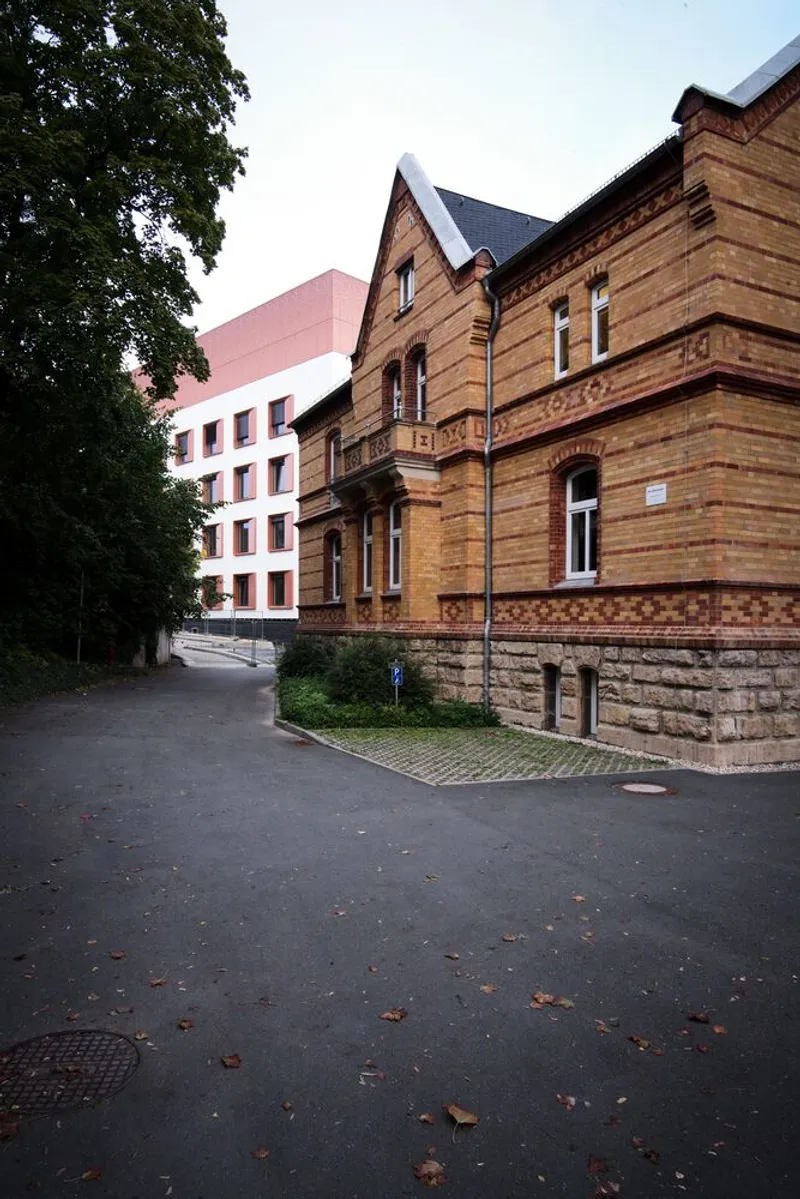
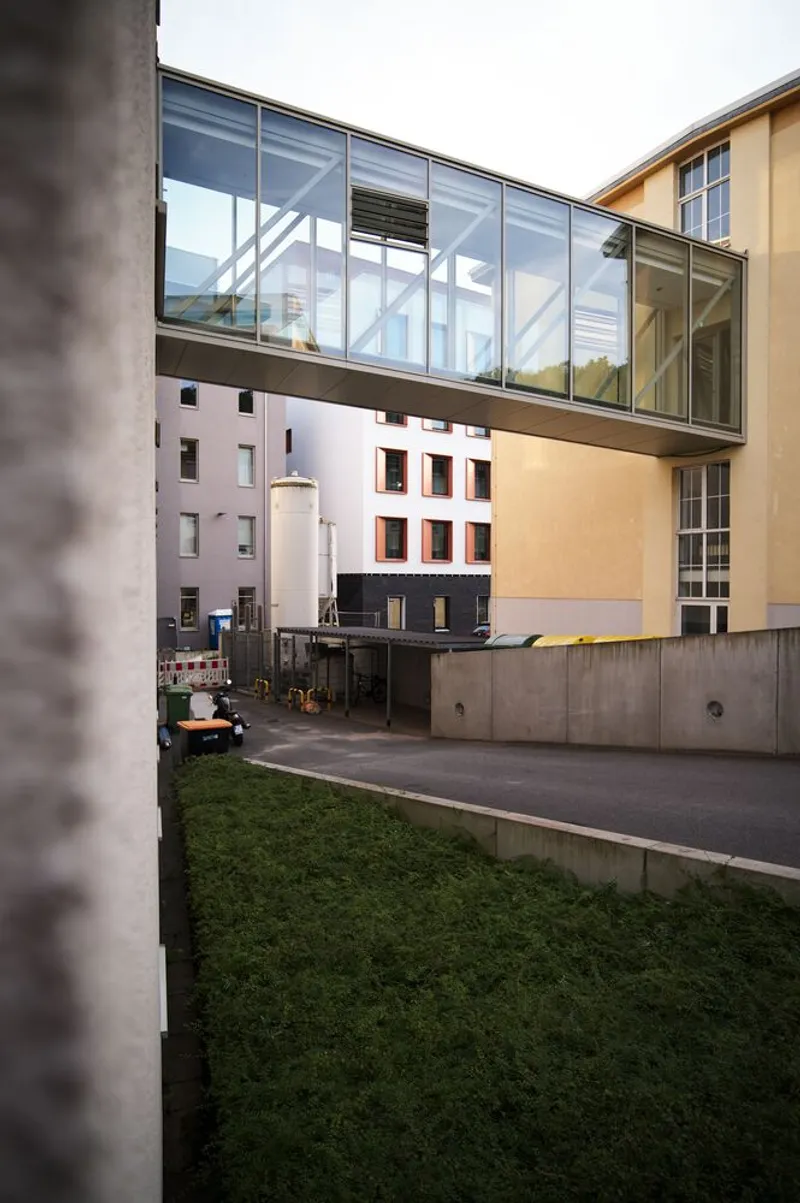
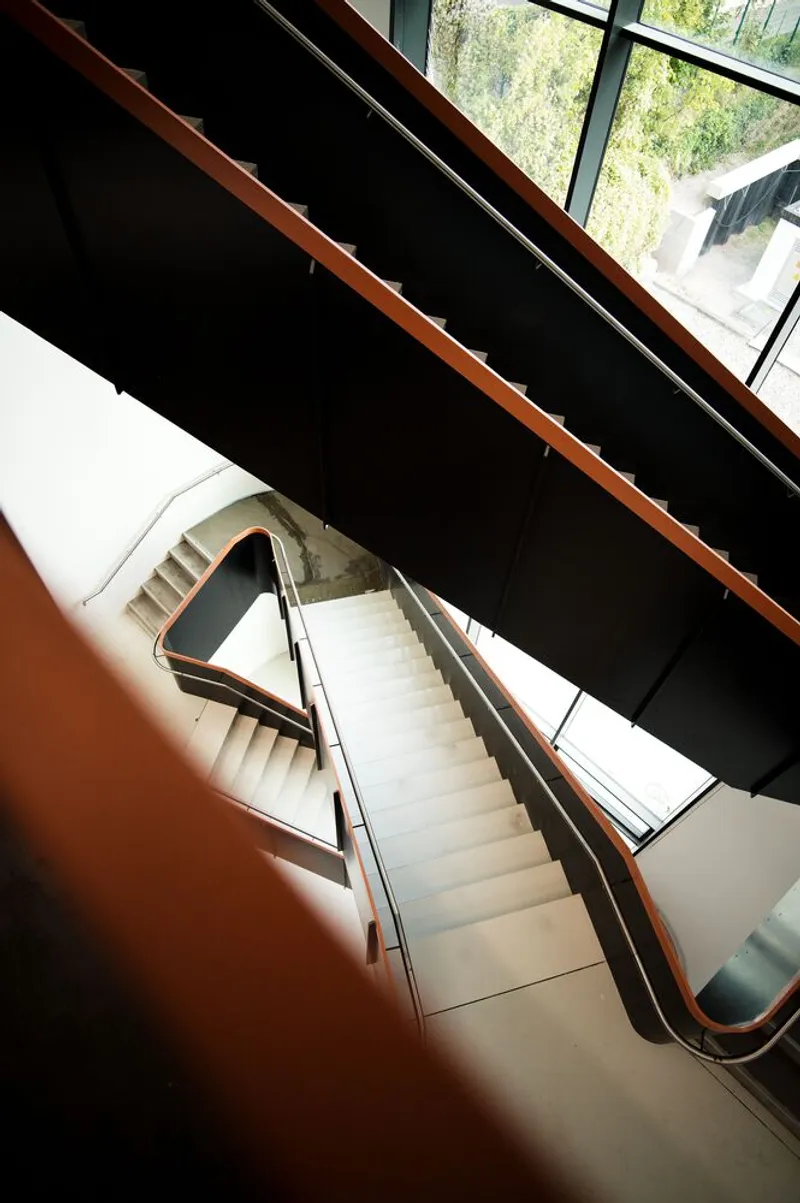
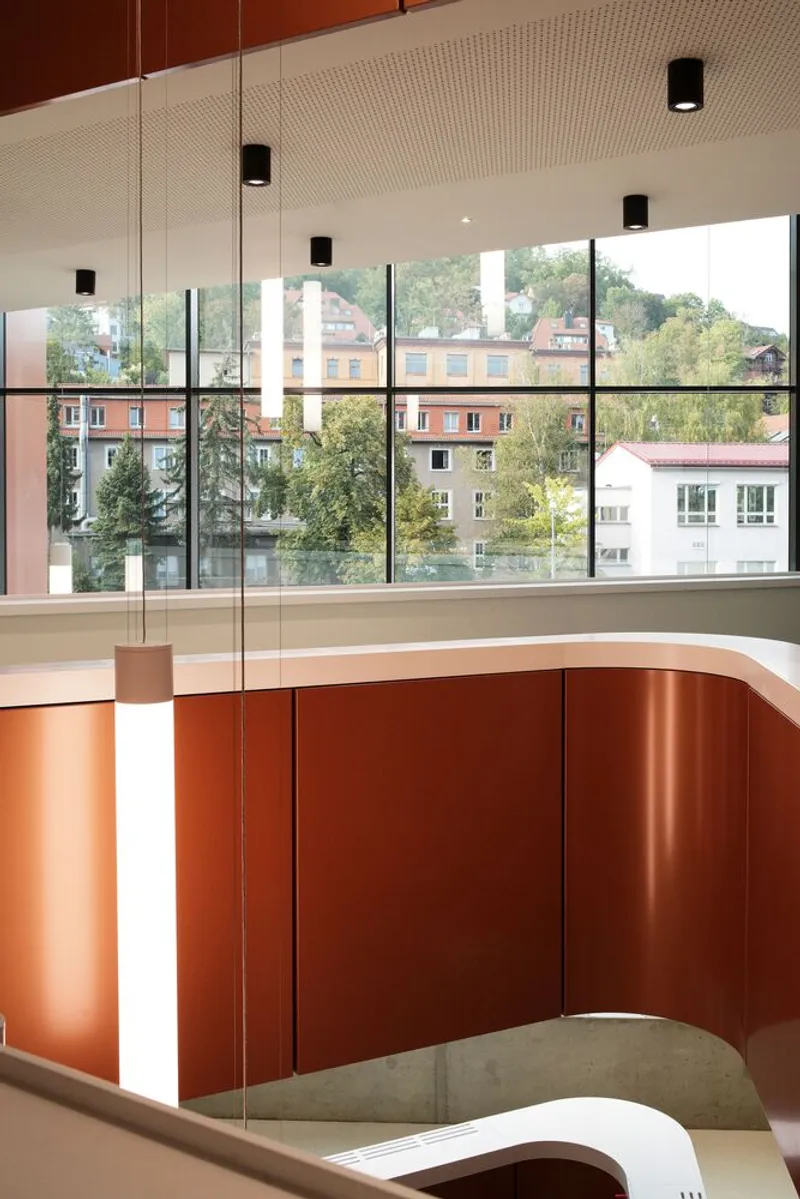
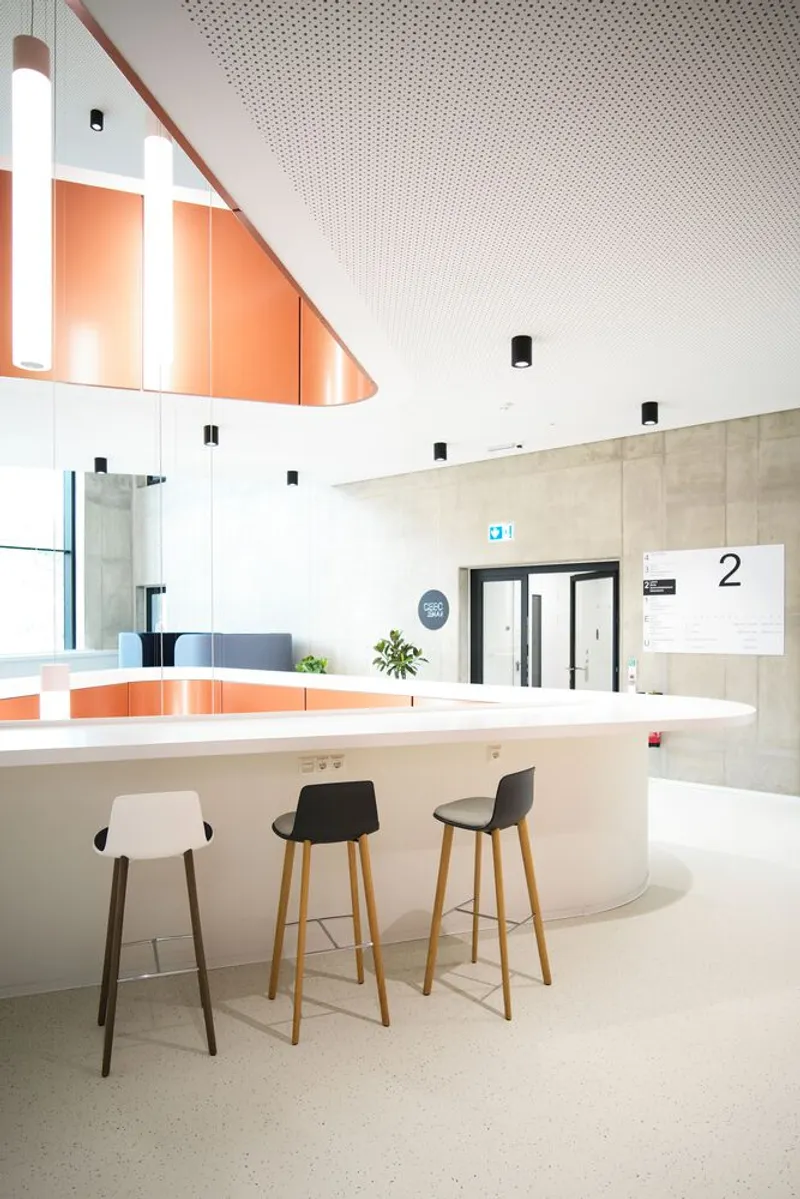
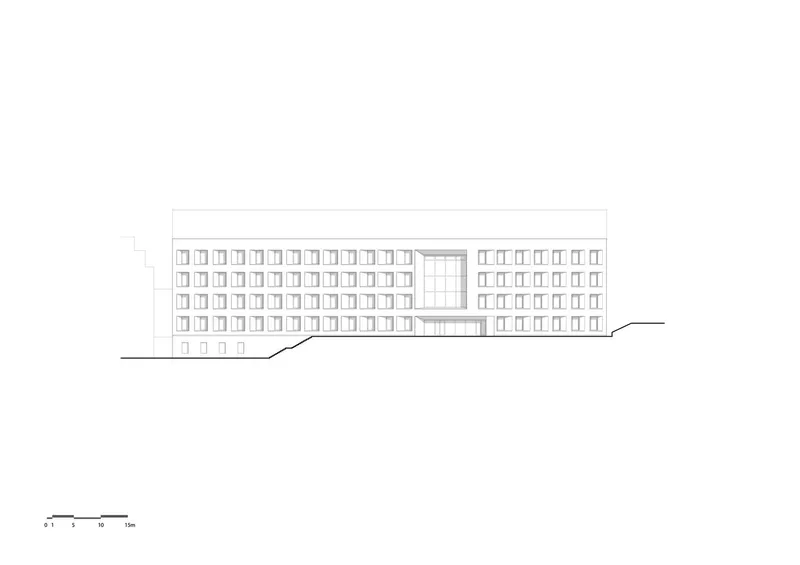
The "Center of Gravity" forum acts as the hub of the complex, connecting the CEEC and the AWZ. This central area facilitates interdisciplinary exchange and symbolizes the infinite loop of learning and discovery inherent in research environments. The building’s facade integrates slanted window reveals that not only add an aesthetic quality but also enhance the natural lighting and ventilation, crucial for sustainable building practices.
Environmental Impact and Material Selection
Structural and Material Innovations
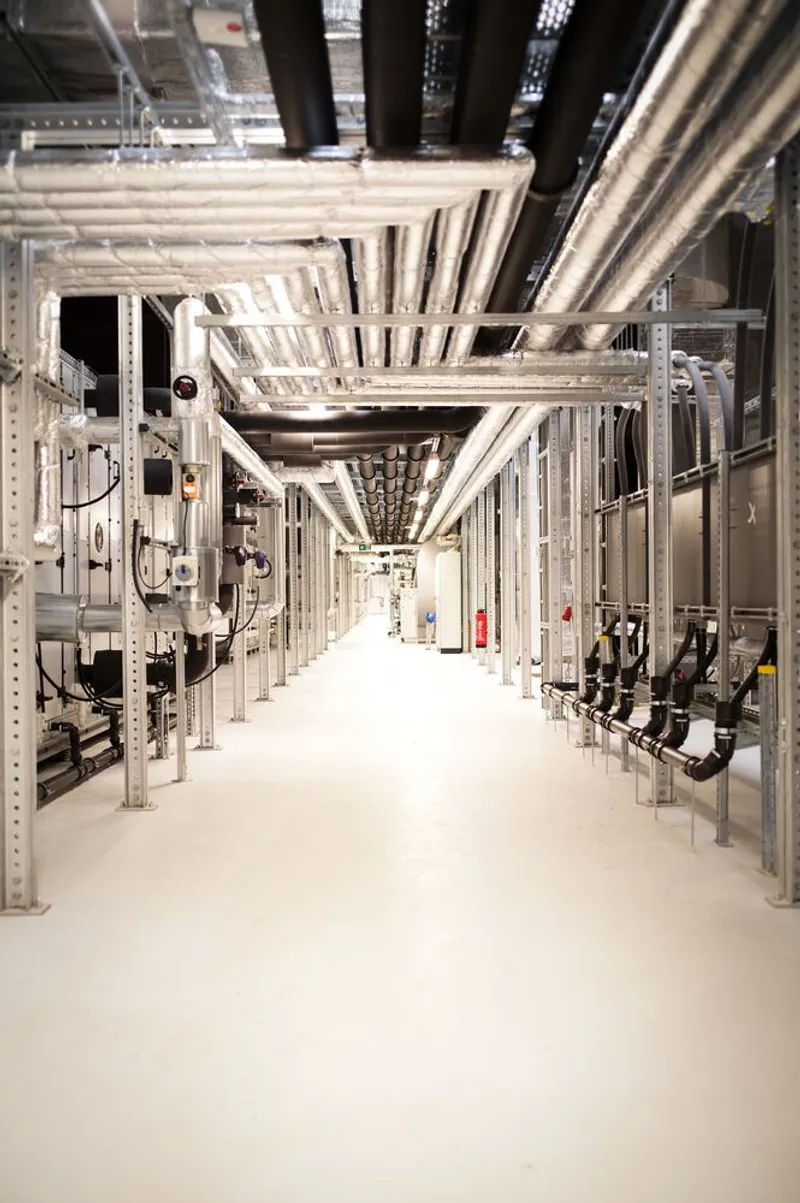
Constructed as a reinforced concrete structure, the CEEC employs flat slabs and a regular column grid that optimize both stability and space utilization. The use of minimalistic materials and the strategic arrangement of functional spaces underscore the building’s commitment to sustainability.

Integration with the Urban Landscape
The design of the CEEC extends east-west, creating a new campus square and forming a cohesive urban unit with existing structures. This alignment ensures that the facility not only serves its immediate academic community but also enhances the urban environment of Jena.
A Model for Future Research Facilities
The Center for Energy and Environmental Chemistry stands as a beacon of sustainable research facility design in Jena, showcasing how architectural ingenuity can align with ecological goals to produce spaces that are both innovative and sustainable. For researchers, architects, and environmentalists, the CEEC offers a glimpse into the future of research facility design, where functionality meets sustainability on every level.
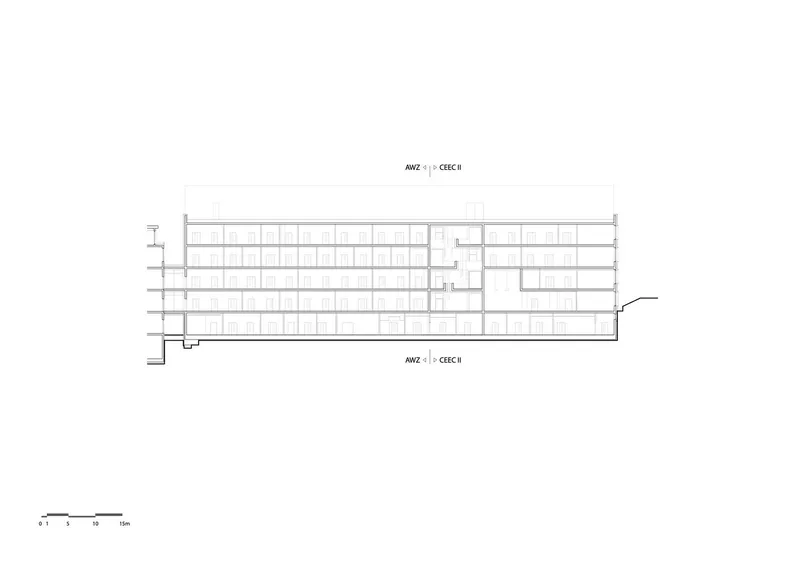
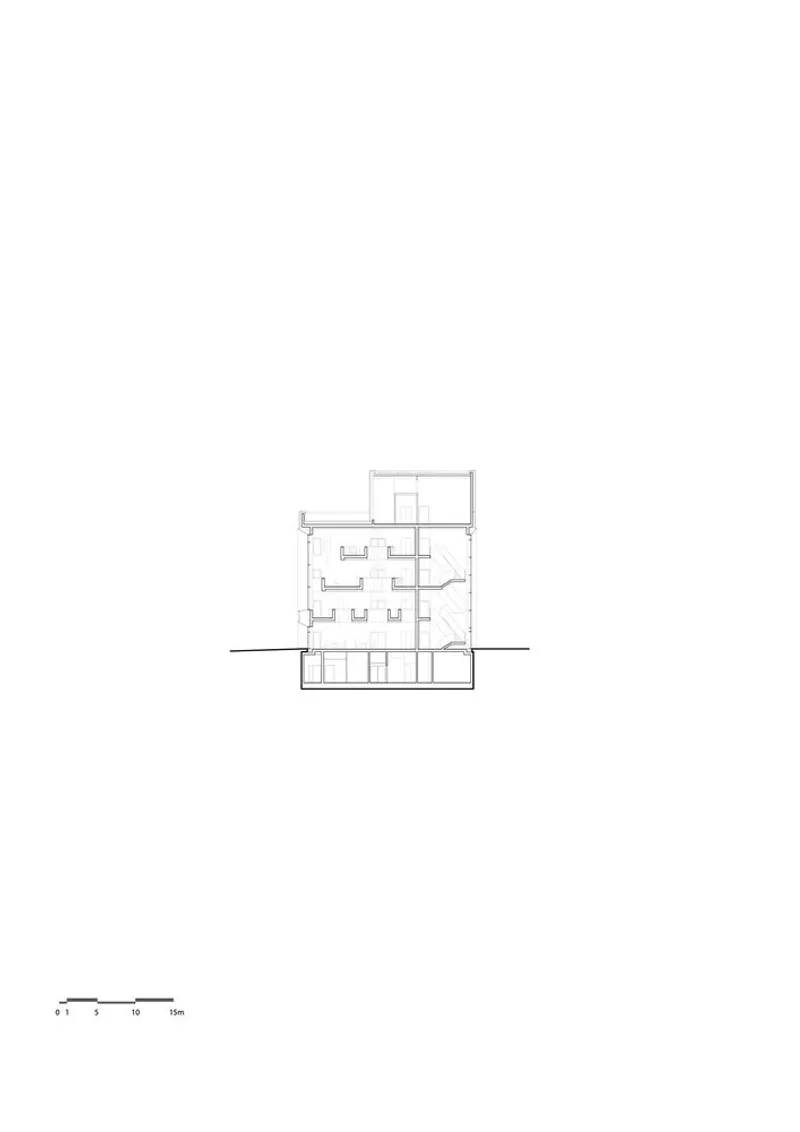
All photographs are work of Hubert Juranek




Popular Articles
Popular articles from the community


The Ocean Hive: Sustainable Architecture for a Self-Sufficient Civilization at Sea
The Ocean Hive imagines sustainable architecture at sea, where modular habitats, algae, wave power and ocean waste sustain a growing colony.

Lunar Spiral: Space Architecture Shaped by the Mathematics of the Universe
Lunar Spiral reimagines space architecture through Fibonacci geometry, lunar regolith, levitating habitats, and self-sustaining Moon living.

Play: Fragments of Their World
Familiar architecture becomes modular playground design, creating safe spaces where displaced children can learn, connect, imagine and play.

Co-Life: Senior Housing Design That Reconnects Older Adults With the City
Co-Life reimagines senior housing design through healing gardens, shared streets, workshops, and a sustainable community across generations.

Similar Reads
You might also enjoy these articles


Hodi-Mandai Geram
Project Function: Preservation and revitalization of the Intangible heritage and socio-spatial identity of the Hodi by Housing, Cultural Memory Center, Sacred Grove, landscape, local tourism economy


Olio Towers: A Mid-Rise for Performers That Fuses Housing, Rehearsal, and Stage
Located blocks from Houston's Theater District, this modular tower stacks living units around a central performance atrium.

Oasis: Modular Green Housing Carved into Dhaka's Urban Fabric
A shortlisted Plugin Housing entry reclaims unauthorized settlements in Dhaka with stepped concrete volumes, green roofs, and ventilation-driven design.

Black Hole: A Floating Megastructure for the Post-Physical Era
Emiliano Mazzarotto envisions a spherical, self-scaling arena where e-sports, digital hotels, and holographic stadiums replace traditional public space.


Explore Energy & Sustainability Competitions
Discover active competitions in this discipline



Challenge to reimagine the Iron Throne


Photograph architecture without architects


Illustrate the lost glory of Angkor Wat - Render Challenge


Design challenge to reuse E-waste
Comments (0)
Please login or sign up to add comments
No comments yet. Be the first to comment!