

The Nomadic 5.0: Lotta Cangsong Store Renovation by Ruhaus Studio
The article details Ruhaus Studio's innovative renovation of Lotta Cangsong Store, transforming a compact 10 m² coffee shop in Shenzhen.


Nestled in the bustling streets of Shenzhen, China, the Lotta Cangsong Store has been a hallmark of boutique street coffee culture since its inception in 2017. Undergoing a transformative renovation in 2023 by Ruhaus Studio, this coffee shop exemplifies innovative design within an extremely compact space of just 10 square meters. This renovation project, coined Nomadic 5.0, is a testament to Ruhaus Studio's creative approach to urban retail spaces, pushing the boundaries of functionality and aesthetic within limited confines.

Background and Concept
Lotta Cangsong, with its name derived from the Italian word for "battle," embodies the spirit of perseverance and adaptation. This ethos is reflected in the renovation process led by Ruhaus Studio, which began as a gradual exploration of spatial and product possibilities and swiftly accelerated due to the need for equipment updates. The resulting design is a culmination of continuous reflection and bold decision-making.


Ultimate Space Utilization
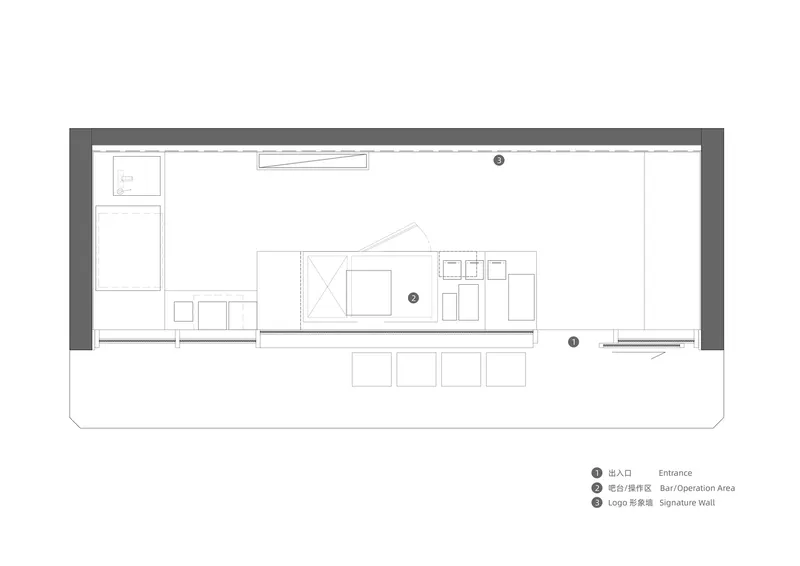
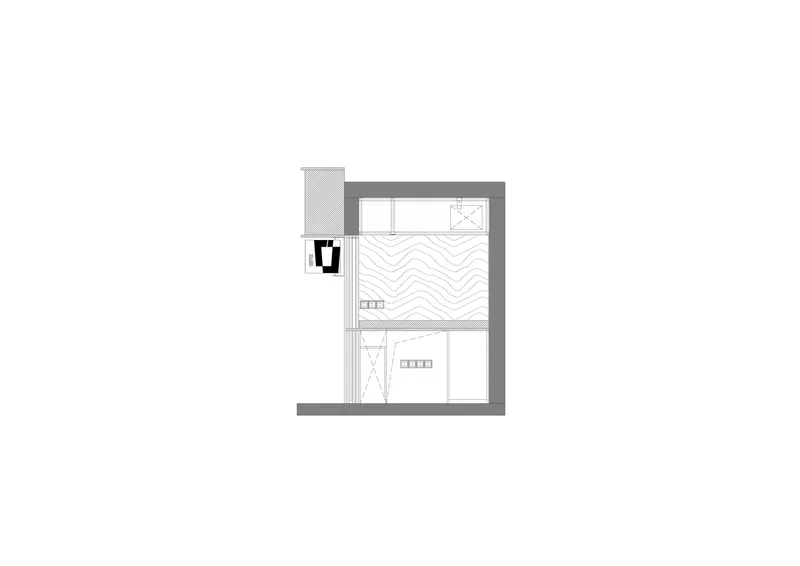
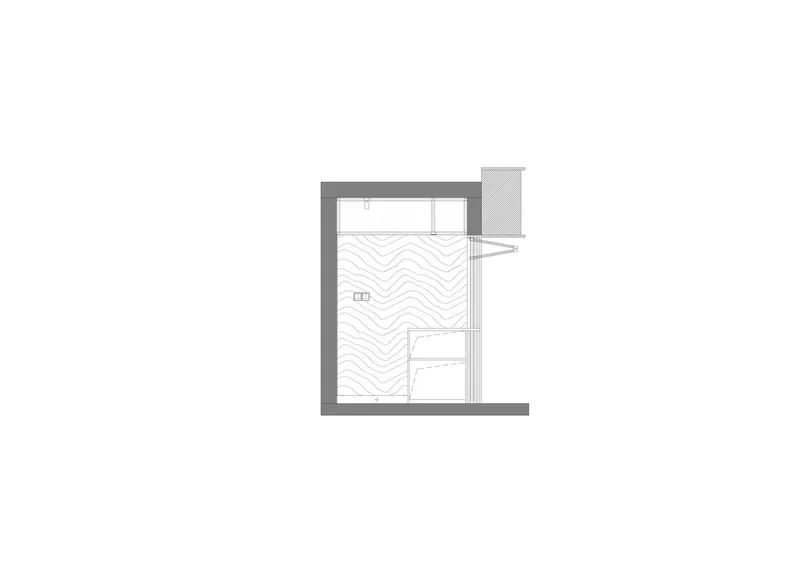
The primary challenge of the renovation was the coffee shop's minimal dimensions—5.3 meters in width and 1.8 meters in depth. To maximize the usability of this space, the design transcended traditional two-dimensional layouts. Instead, a three-dimensional approach was employed, utilizing a framework system that integrated facade language and suspension devices. This allowed for expanded temporary storage solutions and optimized the interior for various coffee-making processes.
Key Features:
- Three-Dimensional Design: Incorporation of vertical space for storage and display.
- Framework System: Structural elements that support both aesthetic and functional purposes.
- Indoor Seating: Four seats were included to provide comfort during Shenzhen's hot and rainy seasons.
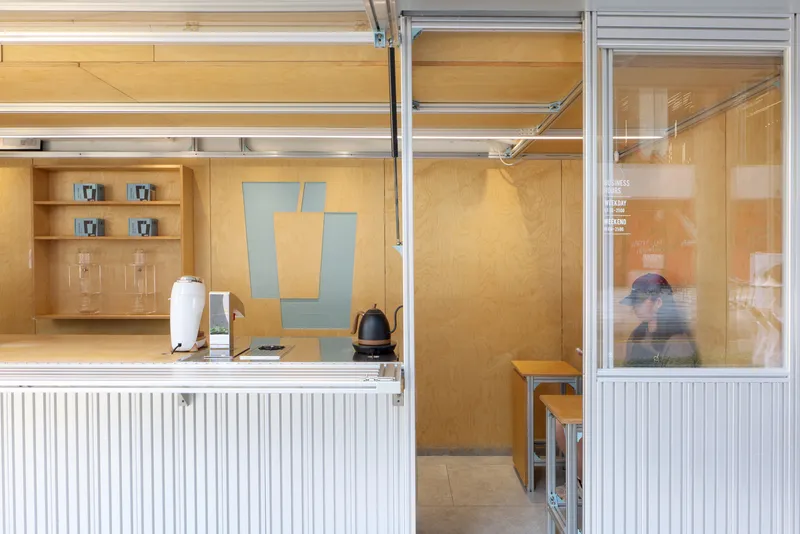
Interactive Facade
One of the standout elements of the renovation is the interactive facade. Designed to maximize external visibility, it features simple yet striking visual displays framed by viewfinders. This approach not only enhances brand visibility but also creates an engaging customer experience. The bar counter, with the coffee machine facing customers, fosters interaction by allowing patrons to observe the coffee-making process up close.


Prefabricated Assembly
Efficiency was paramount in the renovation process. Leveraging the concept of prefabricated assembly, much of the construction work was completed off-site. This included the procurement, cutting, and assembly of components, which were then swiftly installed on-site over a span of just seven days. The renovation was executed in shifts, ensuring the coffee shop remained operational throughout the process. This method set a new benchmark for quick and effective store renovations.
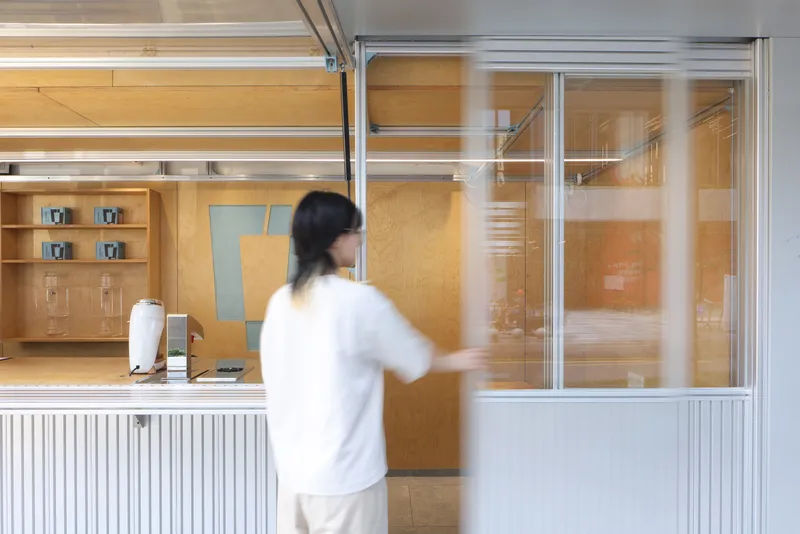
Functional Props and Node Design
Custom-designed stools exemplify the multifunctional nature of the space. These stools can be used in a high-bar mode for casual interaction with baristas or placed horizontally to create a relaxed, street-side seating ambiance. Additionally, the renovation features unique blue structural connectors that add a playful element to the design and serve as subtle brand identifiers.

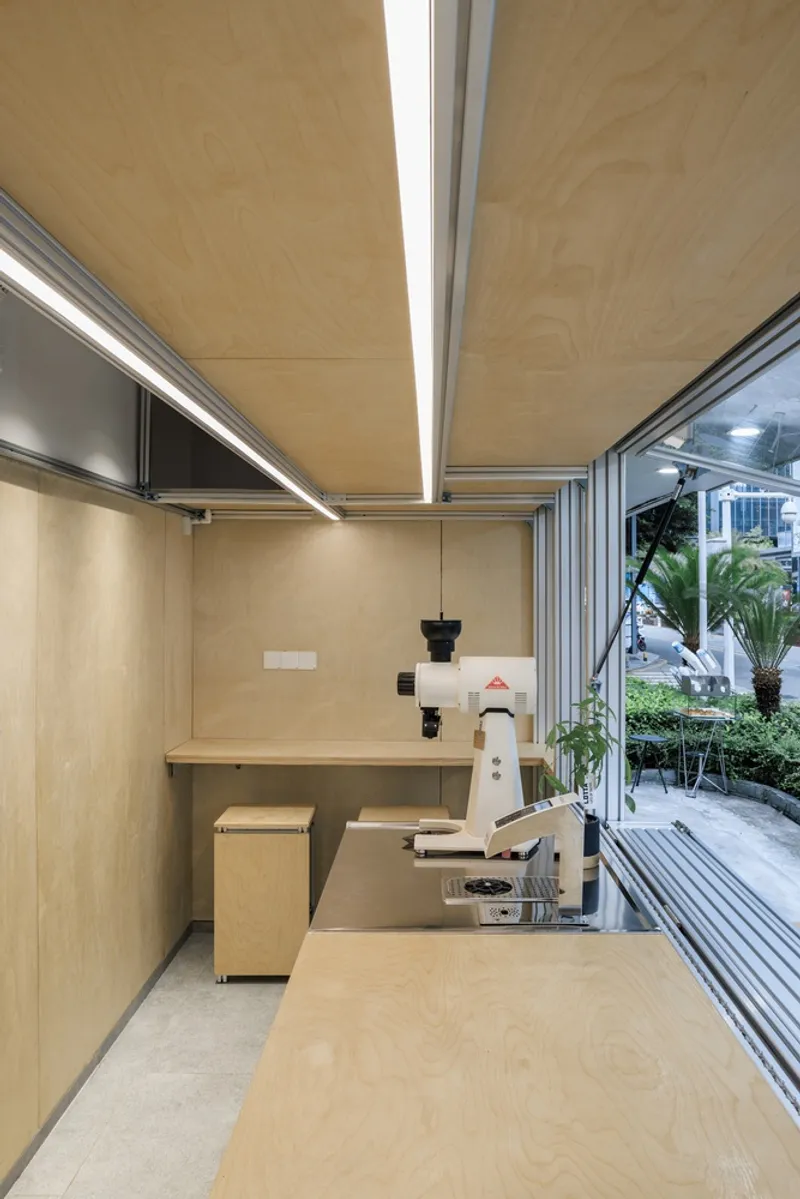
The Nomadic Series
The Nomadic 5.0 project is part of Ruhaus Studio's broader Nomadic Series. This design language emerged in response to the evolving consumer landscape, aiming to create adaptable and resilient retail environments. Each project within the series is characterized by thorough research and development, ensuring a harmonious balance between design precision, quality, and cost-efficiency.

The Lotta Cangsong Store renovation is a remarkable example of how innovative design can transform even the smallest of spaces into functional and aesthetically pleasing environments. Ruhaus Studio's approach not only addressed the immediate needs of the coffee shop but also set a precedent for future urban retail designs. The Nomadic 5.0 project stands as a beacon of creativity and practicality, inspiring future iterations of compact commercial spaces.

All Photographs are the work of Sanif, Tong Xia


Popular Articles
Popular articles from the community


Diogo Aguiar Studio Strings Eight Identical Timber Modules Across a Hillside Above Porto
In the Serras do Porto, a prefabricated timber house of identical sloping modules reads as a small mountain range and lets its program grow.

REAL Architects and Challenge Design Plant a Timber Gridshell Seed at the Heart of Shanghai's West Bund
On Shanghai's Xuhui Waterfront, a 230 m² glazed timber lattice dome anchors a terraced garden and lets its structure do all the talking.


Becoming Aligned With All: A Rammed Earth Campus in Sri Lanka That Rises From the Ground and Falls Back
Two white concrete shells lift off a riverside site and land again, framing a pooled courtyard, rammed earth walls and rooms that can be reshuffled.

Fiechter Salzmann Extends Werner Künzi's Listed Mösli School in Ostermundigen with Concrete, Spruce and Red Steel
In Ostermundigen near Bern, a kindergarten and day school wing lengthens a heritage-listed complex using precast concrete, regional spruce and red steel.

Similar Reads
You might also enjoy these articles
Yenisei Monitoring Center: A Sun-and-Moon Sphere Anchors a Research Campus on Siberia's Great River
In Krasnoyarsk, shifting square blocks, a glazed central sphere and descending window rhythms turn river science into a public spectacle on the Yenisei.
Andretta Artist's Village: A Node-Based Masterplan That Lets the Hills Write the Plan
A cultural landscape strategy for Palampur's artist colony threads studios, residences and stages along a porous spine shaped by the Dhauladhar terrain.
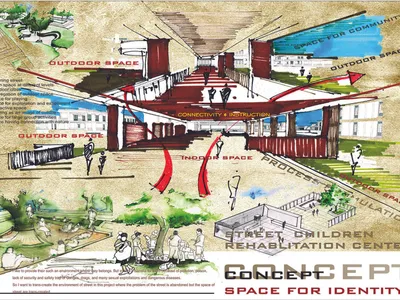
Street Children Rehabilitation Center: A Brick Campus That Eases Children From Street to Safety
A low-rise courtyard campus where learning streets, uthans and shaded verandahs stage a gradual passage from street into protective, family-scale life.

The NEON Culture: A Field of Pavilions Built for the 24-Hour City
Smaran Alva spreads galleries, stages, clubs and markets across a varied site, treating light, sound and ramped movement as the real building materials.

Explore Interior Design Competitions
Discover active competitions in this discipline

The Global Benchmark for Architecture Dissertation Awards

The Global Benchmark for Graduation Excellence

Challenge to design luxury tourism on rails

VR headsets Storefront design competition
Comments (0)
Please login or sign up to add comments
No comments yet. Be the first to comment!