The spirit of culture
A green cultural center.


Culture
Culture definition has varied as much as human life. But it can be said that there is a general attitude among great men and the people about the meaning of this word. Customs and habits of the society developed in the lifetime of the people of a society are called culture. This attitude originates from the minds of its people and affects various areas of their activities in their social and daily life.
Moroccan culture
Morocco has different cultures and by its nature, it has very different types of visual effects. For example, the Red City has been significantly influenced by Arab and Islamic civilizations due to the lives of the Berber people. Moroccan culture has emerged with language, religion, music, handicrafts, etc.
Moroccan architecture
Moroccan architecture is a branch of Islamic architecture. White color,specific interior design, and Moroccan gardens have many lovers in the world.
The house is a multi-faceted structure with a white plaster façade that usually decorates the interior walls in dark green, pink and white. Highlights include high ceilings, intricate carvings, arched entrances and the use of colorful fabrics, narrow windows adjacent to each other, stairs without railings, domed bathrooms, curved walls, large tiles, various tiled designs, courtyards, and noted decorations with lattice wood and geometric designs.
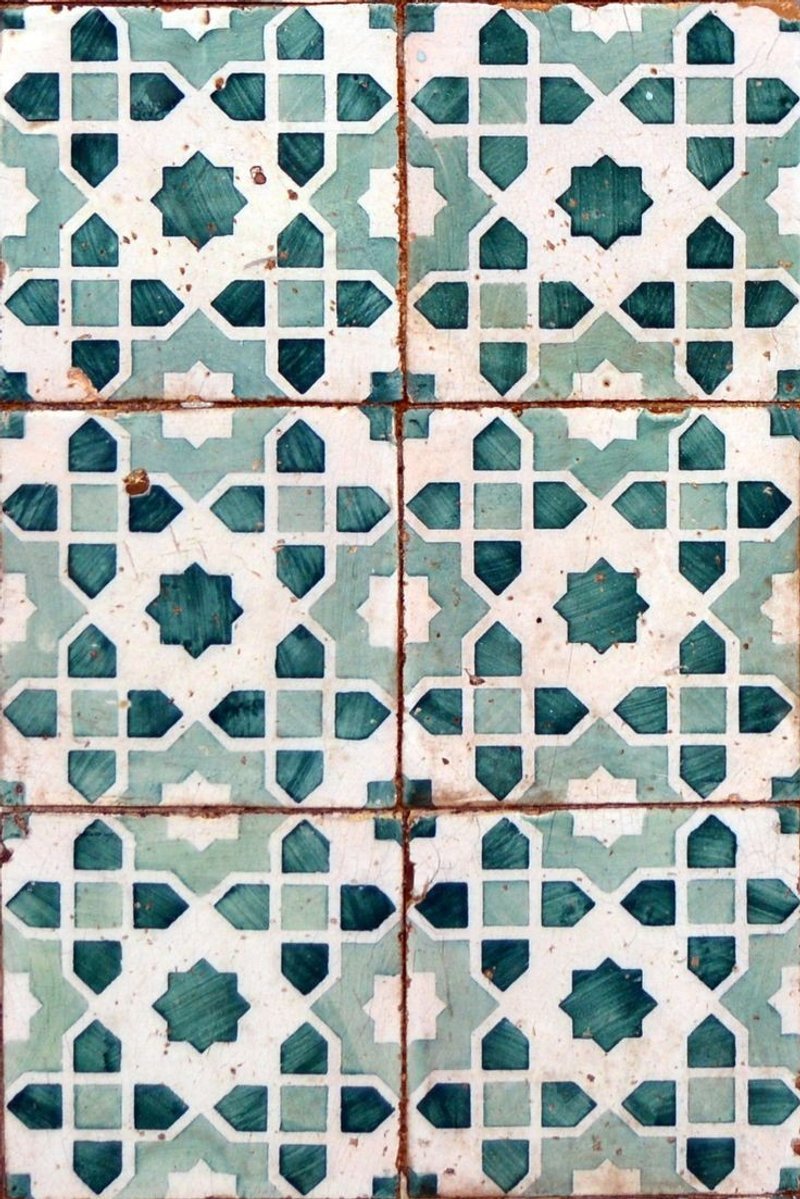
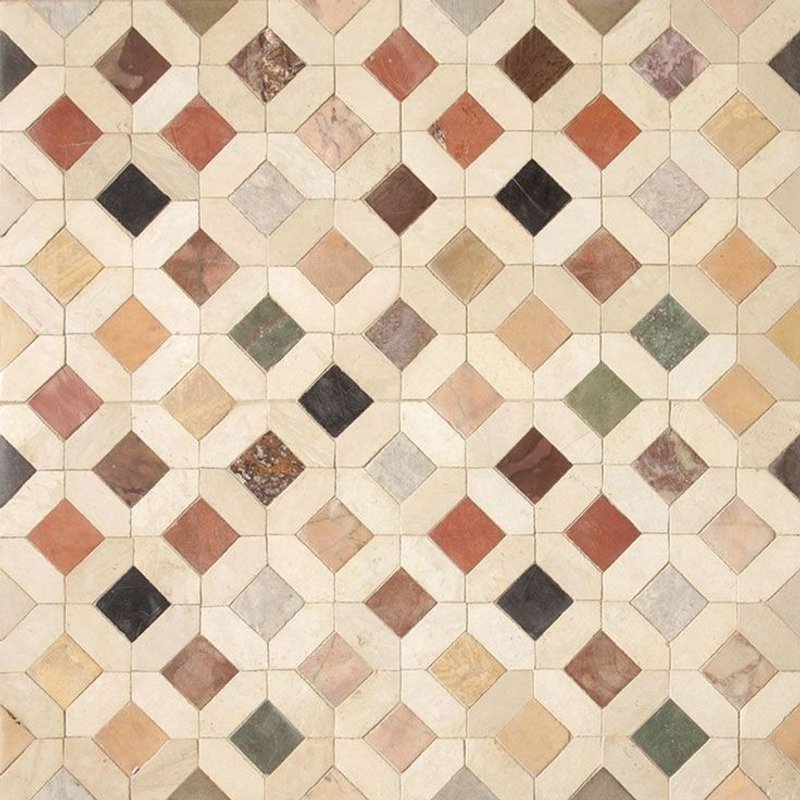
Important features that distinguish the Moroccan style from other interior decoration styles are intricate patterns and details. These details and the complexity of the decorations can be seen in most Moroccan style architectural elements such as stairs, ceilings, design, and execution of kitchen cabinets, windows, wall tools, and many more. The patterns and details of Moroccan interior architecture can be divided into several general parts. The first category is string patterns that revolve in a string with different shapes and forms around a particular architectural element and enclose it in a way, and the beauty is eye-catching. Other items in Moroccan interior design and decoration which can be mentioned are shell decorations.
Patterned tiles are one of the fixed elements of Moroccan architecture that is used as flooring, wall coverings, frames for doors and windows, and other interior and exterior architectural parts of houses. Colors in Moroccan architecture are often a beautiful combination of white and neutral colors with bright colors of blue, orange, red, and ... . Due to the high water border in Morocco, one of their sources of inspiration is in the architecture of seashells, which is seen as an element of original Moroccan architecture in various parts of interior decoration.
Concept
The immortal element of a culture that has been able to survive in the face of different events throughout history is called the spirit of that culture. This insight is my most important tool to show the essence of Moroccan culture in this project.
Concept body:
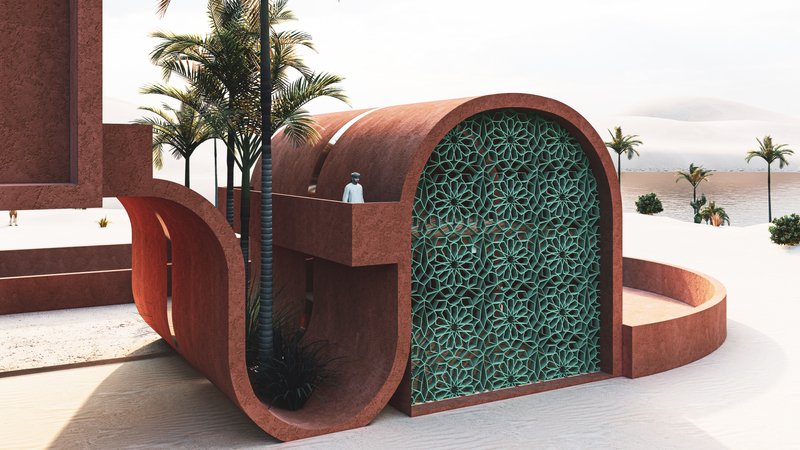
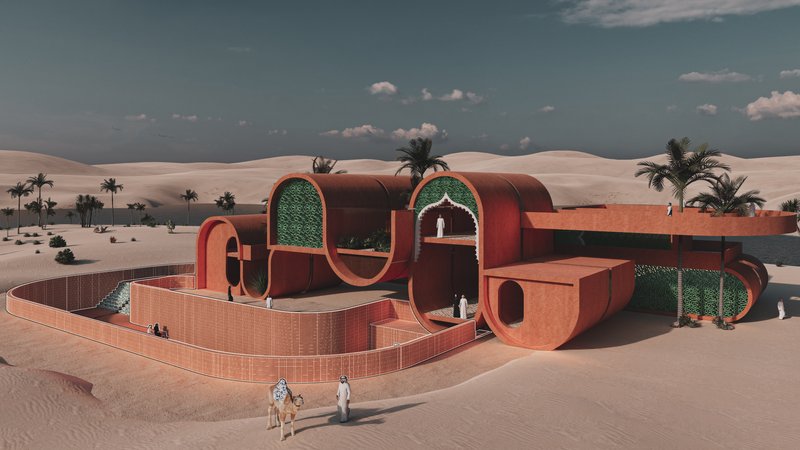
I have tried to visualize what I had thought about the spirit of the culture. At the first look at the design of this project, the most important feature that can be seen is the continuous geometric movement of a plate in all parts of the building. This movement starts from the ground. It rises and forms an arch as it ascends, and then moves to the ground again and peaks again. The movement never stops and even penetrates the heart of the earth and resumes its work. The moving plate sometimes becomes the ceiling, floor, wall, bridge, or space for the green environment. The spirit in this work is the same plane that It starts from somewhere (is born) and just as culture takes various forms over time, but at the same time retains its nature, this plate movement also turns into various spaces along the way.
Stability:
Our world is struggling with very difficult issues such as climate change, global warming, and biodiversity conservation. For this reason, in recent years, the concept of sustainability has been the common interest of many disciplines and nations. The concept of green architecture, also known as sustainable architecture or green building, is the theory of sustainability, buildings designed and built in accordance with environmentally friendly principles. In general, green architecture seeks to reduce the number of resources used in the construction, use, and operation of the building, as well as reducing environmental damage by reducing the waste of its components. It is used to design, build, operate and maintain the energy of new buildings, water, and materials.
One of the most important issues in this project is addressing the issue of sustainability.
A: Materials
In this project, materials have been used in a way that causes the least damage to the environment and can be easily decomposed. Such as brick.
B: Consumed energy
Case 1
I moved the amphitheater and music class to the basement to prevent heat dissipation.
Case 2
Due to the curvature of the design geometry of this building, direct sunlight is prevented, and therefore the inside of the building has a more balanced temperature.
Case 3
The area intended for the construction of this building benefits from the existence of the dam water, and we have taken advantage of this opportunity in designing the project.
The dam water flows through a glass duct installed in all the upper parts of the building to use the active solar energy system (of the flat collector type) and convert this energy into electricity.
Case 4
A greenhouse is a place for growing different types of flowers or plants, the roof and walls of which are covered with transparent coverings. Greenhouse cover creates a greenhouse effect and traps solar energy inside the greenhouse. In this way, the plants are protected from the cold of winter and the heat of summer.
The part of the building, most of which is made of glass, traps solar energy to provide a greenhouse space for growing flowers and plants.
C: Waste and disposable materials
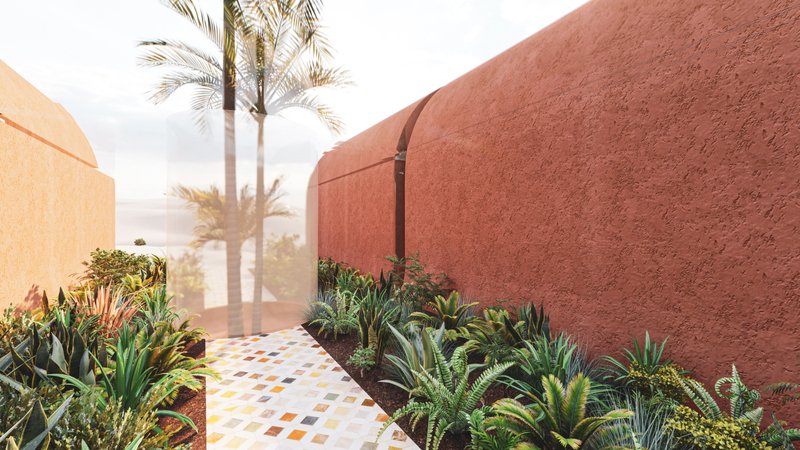
In one part of the building, a place has been prepared for an exhibition and a gallery. The aim of this placement is that adults and children can create thought-provoking and artistic works with disposable materials and municipal waste by using their creativity. This new look at waste creates an important cultural background. And that is to produce less waste and make the most of it, thereby causing the least damage to the environment.
Moroccan culture symbol:
"Building the Spirit of Culture" is a combination of traditional Moroccan architecture and modern architecture.
It has used the traditional architecture of porcelain knots, tiles, arches, courtyards, paints, and clay, etc., and the modern architecture of technology, suspension bridges, glass, etc.
Design methods:
In the designing procedure of this project, two methods of deduction and narrative have been used. The design process of this project took four months.
Finally:
What kind of attitude should be taken in designing a building so that it can come out proud in the face of problems such as increasing greenhouse gases, increasing waste production, unprecedented global warming or the loss of natural life of creatures?
The project's development plan aims to use energy, alternative energy, recycling, and sustainable development, and Moroccan past architectural elements to witness the Green Cultural Center (and thus the program was finalized).
How our project is finalized is one of the most important parts of our project. This comes from research done about different types of buildings suitable for Morocco's natural habitat and unique designs. All designs were done for having the most suitable building by spending days and months on them.