
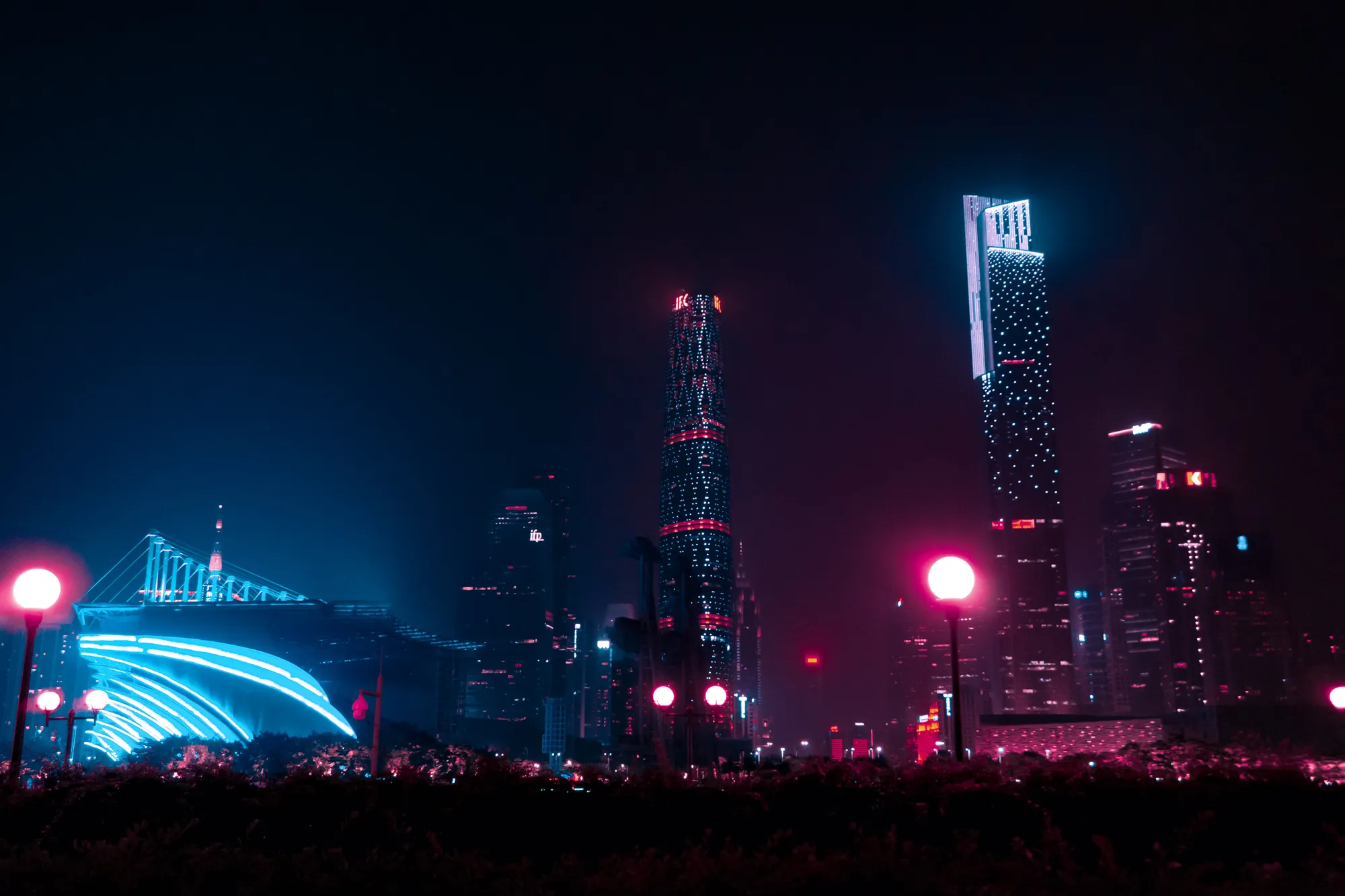
From day to night...
Transformation of architecture at night

Darkness is a vast, infinite and perfect place for humans to explore and wonder about. In cities, however, it can be hard to see the benefits of darkness when you have so much light around. Sometimes you may be in an area that's too bright and you can't even focus on being at peace during these times. So let's take a step back and figure out how darkness will be more attractive and helpful than light.
Night time architecture is an architectural style designed to maximize the effects of night time illumination, which may include luminescent elements from within the building, outside lights on the structure itself and illuminating ads. Nightscape is a term sometimes used interchangeably with urban landscape, but it implies a nocturnal setting.
Architecture can reach out to people in a new way during the night when everything appears completely different. During the day, architecture is more present as it observes us and guides us in subtly different ways - at night, we become observant of what appears before us. Architecture becomes almost like a statue to be obeyed because buildings like this stand out so much against the dark watching over its inhabitants. One type of architecture to be aware of with regards to these ideas is illuminated architecture which usually refers to any type of building that uses light as an artistic medium for the overall aesthetic experience of its public spaces or even parts of these spaces alone.
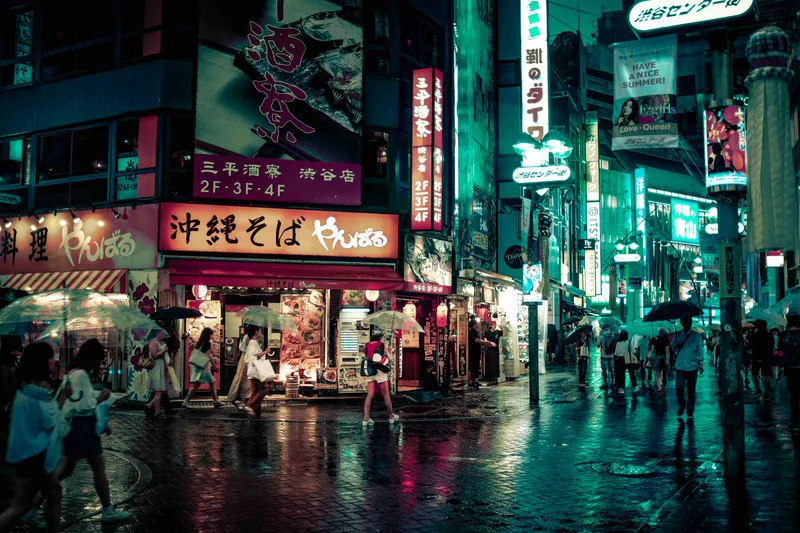
Public areas are lit up at night in order to help protect people, to make them feel safe, and to give them a sense of well-being. While they may look nice during the day, some lights can be distracting or annoying when viewed from a certain angle. Often tourists rush right off their tour buses to take as many pictures around famous landmarks as they possibly can in order to remember their travel experience and share it with friends and family back home.
“Architecture that incorporates symbiosis with light in its design does not merely create form with illumination during the day and at night, but allow illumination to become form...”
Light is not built, but its perception defines the spaces and forms of architecture. It renders texture and materials, illuminates surfaces and creates atmosphere. It also has a profound effect on the biological and emotional aspects of our daily lives. It affects the whole of our alertness, wellbeing and performance. We know that how we light our surroundings affects our visual understanding and aesthetic appreciation as well as our biological and emotional health. Greater focus on how we illuminate our surroundings by varying the strength, quality and colour of light over time, expands our abilities as architects to amplify daily living.
Artificial illumination was used both as a design element to emphasize the interiors of large and small buildings, especially famous modern landmarks such as New York City’s Chrysler Building or Sydney Opera House, in addition to being carefully considered for feature elements in smaller structures. These lightings impacted our perspective of the city at night, whether they were lights from within the structure, lights on the façade or outline components of it, lighted advertising, or floodlighting. It was found that the angle and type of illumination impacted how the building was perceived. “The form of illuminated portion should be so tied in with the rest of the structure, it appears as a jewel in a setting, forming a cohesive part of the entire structure."
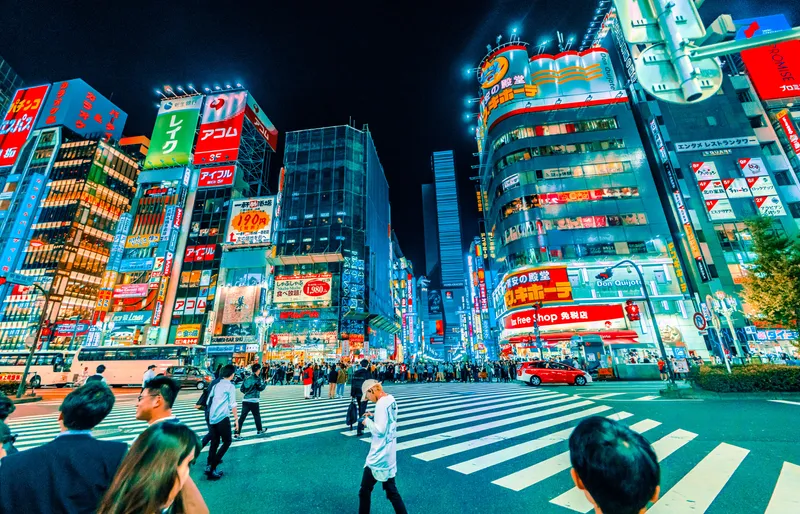
Skyscraper shape is best when viewed from various angles, but flood lamps also influence which types of materials are used. While some skyscrapers abstained from covering their structures with large, bright, flashy advertisements that boast big noticeable letters or shapes, many of the city's buildings had their uniform architectural features transformed into a mere structure for advertising panels and neon lights to be attached to - with nothing but windows present as an attempt to suggest architecture. While things are constantly changing in terms of popular trends, advertising panels managed to conquer even the largest skyscrapers over traditional lighting strategies whose sole purpose was for aesthetics alone.
In the 19th and 20th century, architects increasingly saw artificial lighting as an element to be considered in architecture. Since it had become a versatile medium for various atmospheres, deliberately designed lighting was used by many talented artists at various times throughout history. It was popularly used in the design of skyscrapers and other commercial buildings during the 1920s and 1930s. Its popularity began dwindling until it sank into oblivion with the advent of information technology that made lighting fixtures more accessible to average consumers than previously thought possible.
The materials connected to modern architecture—including glass, steel, and concrete —created large expanses of glass on buildings in the 1920s and 1930s. This allowed an abundance of daylight to permeate spaces by day, and by night the reverse effect, as internally illuminated buildings cast their light back out into the urban realm.
Over the past 100 years, electric lighting has completely transformed the public realm. Beginning with the illumination of the Eiffel Tower in Paris at the World's Fair in 1889, electric light enabled an even greater monumentality for such landmark structures and buildings. It also redefined a building's interaction with its surroundings. Modern architecture boasts large expanses of glass, which let natural light inside during the day but at night allows these electrically illuminated spaces to cast light back out into the urban realm.
With the invention of LEDs, building skins are becoming interactive light sources. They now have the power to project an image onto a surface. Windows have never been so artistic! Additionally, the evolution of illuminated buildings is not without concern and we need to address issues such as light pollution and safety, in order to bring awareness about these problems. While light architecture was a thing in the last century, today, the lights of our cities have taken over its purpose; to be overly bright and take away from our ability to see the stars at night. Light pollution has become a growing concern because city lights trespass on areas where it is not wanted or needed. An extensive overview that chronicles electric light's impact on architecture over time, it will surely encourage more creative ways to use light in our everyday lives while also playing with our perceptions of architecture at night.
References (8)



Popular Articles
Popular articles from the community


The Ocean Hive: Sustainable Architecture for a Self-Sufficient Civilization at Sea
The Ocean Hive imagines sustainable architecture at sea, where modular habitats, algae, wave power and ocean waste sustain a growing colony.

The Earth Pod: 3D Printed Homes for Resilient Refugee Communities
The Earth Pod reimagines refugee housing through 3D printed homes made from clay, combining resilience, self-sufficiency, and rapid shelter.

The Musturak Paradise: Senior Living Architecture for a Connected Future in Temara, Morocco
The Musturak Paradise reimagines senior living architecture in Temara via private homes, social spaces, culture, community, and shared care.

Co-life: Sustainable Architecture for Age-Friendly Community Living
Co-life reimagines sustainable architecture for seniors through courtyards, rammed earth, shared gardens, and spaces designed for belonging.


Similar Reads
You might also enjoy these articles

Day and Night Park: A Time-Based Urban Newsstand in Beijing
A temporary urban newsstand in Beijing blending travel, light, and reading through poetic colors, compact form, and community-focused design.

Modernist Patio Renovation in El Masnou, Barcelona by Oliver Segura Arquitectura + Cebrià Arquitectura
Modernist patio renovation blending tradition and innovation with a movable pool, leveled floors, and Catalan materials in El Masnou.

Alto Residencial Coop: Cooperative Housing Development in Santiago de Compostela by Carbajo Barrios Arquitectos
A linear cooperative housing complex blending white volumes and perforated metal façades, enhancing community living, natural light, privacy, and urban integration.

Vil Genis School by BPA ARCHITECTURE – Massy, France
Vil Genis School in Massy, France, features sustainable design, south-facing classrooms, community integration, accessible spaces, and modern educational architecture.






Comments (0)
Please login or sign up to add comments
No comments yet. Be the first to comment!