T(uin)HUIS Atelier: A Seamless Blend of Nature and Architecture
A versatile and sustainable garden house in Ghent, blending nature and architecture, designed for multifunctional use by Atelier Janda Vanderghote.


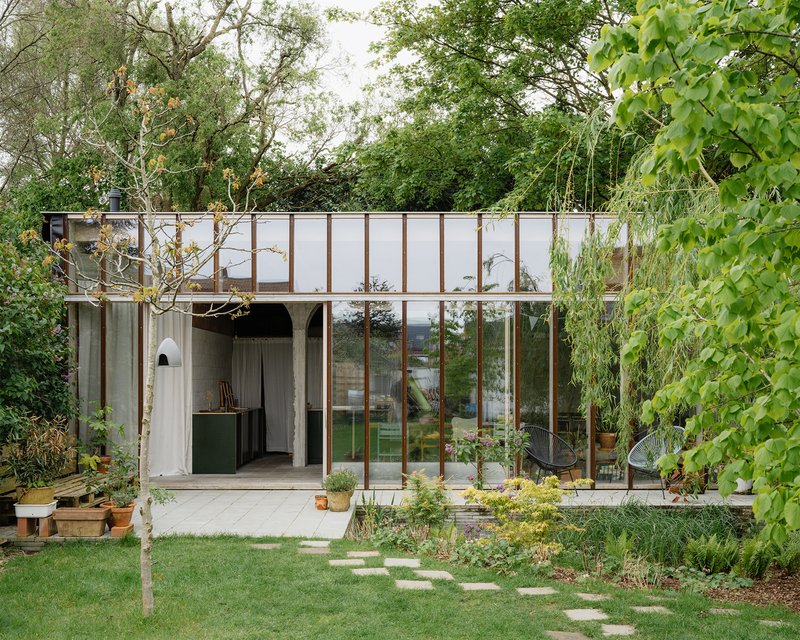
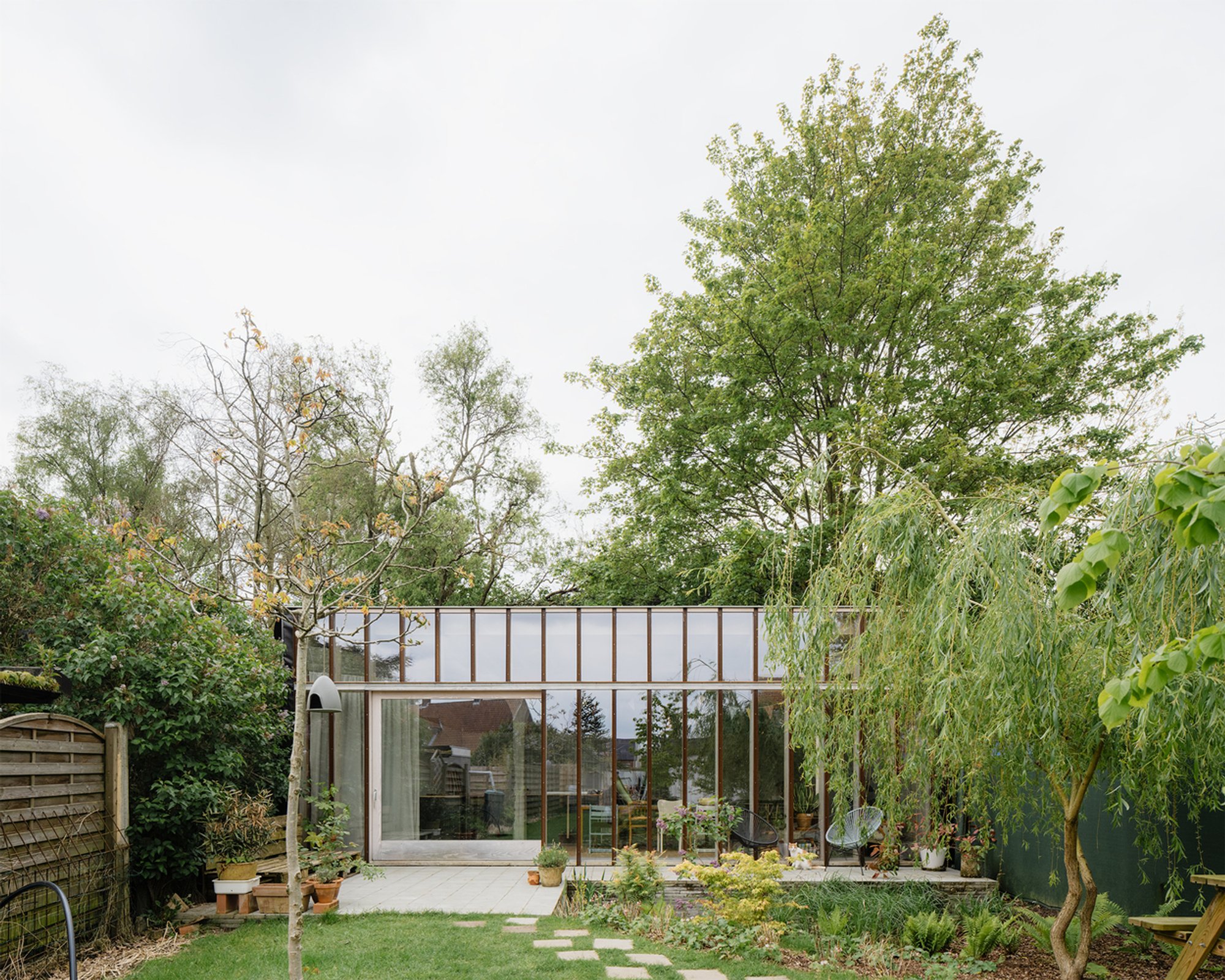
In the heart of Ghent, Belgium, the T(uin)HUIS Atelier by Atelier Janda Vanderghote stands as a testament to the harmonious blend of nature and architecture. Designed by Menno Vanderghote and Indra Janda, this unique structure serves multiple purposes – from a woodworking studio to a temporary home, and potentially, various future uses. Spanning 80 square meters, the project showcases the architects' vision of creating a functional, flexible space that integrates seamlessly with its lush surroundings.
Architectural Concept
Design Philosophy
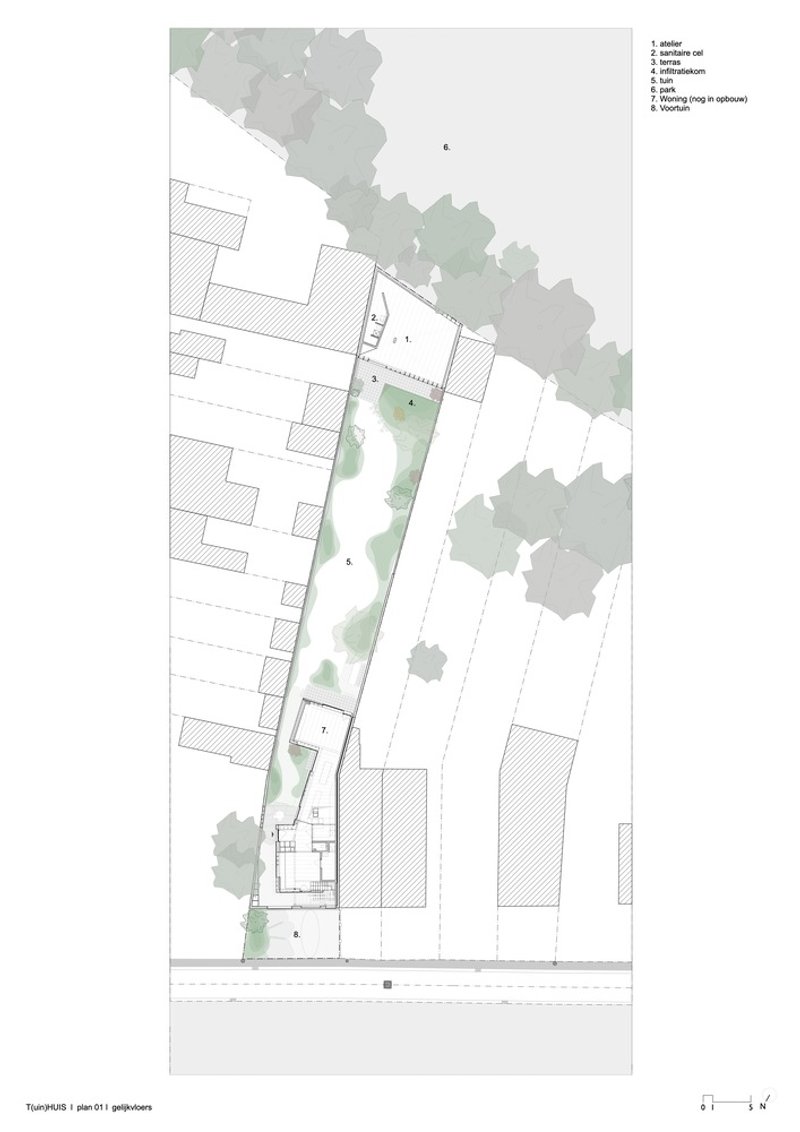
The T(uin)HUIS Atelier is situated at the back of a plot, positioned strategically on the border between a park and a garden. This location allows the structure to nestle within a green environment, creating a sense of continuity between the built and natural landscapes. The design philosophy revolves around simplicity, functionality, and adaptability, ensuring the structure can serve different purposes over time without losing its essence.
Structural Layout
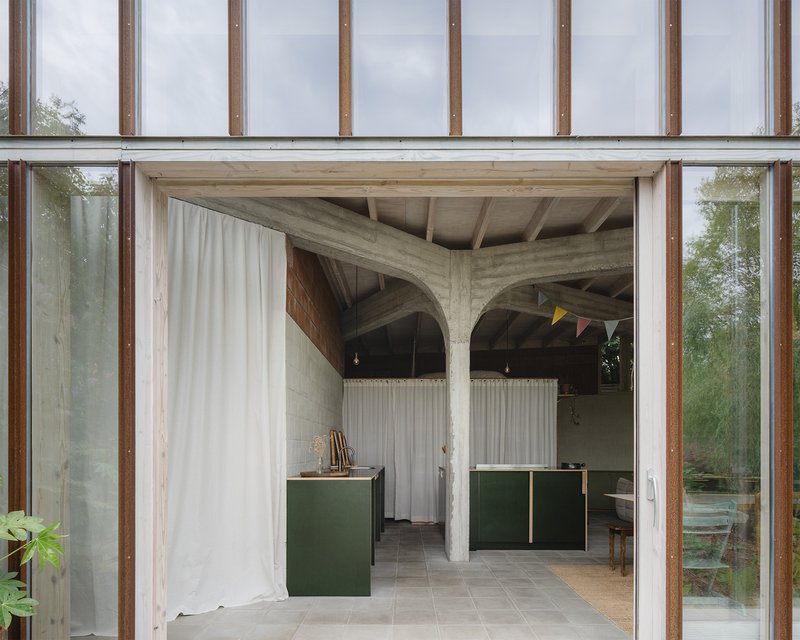
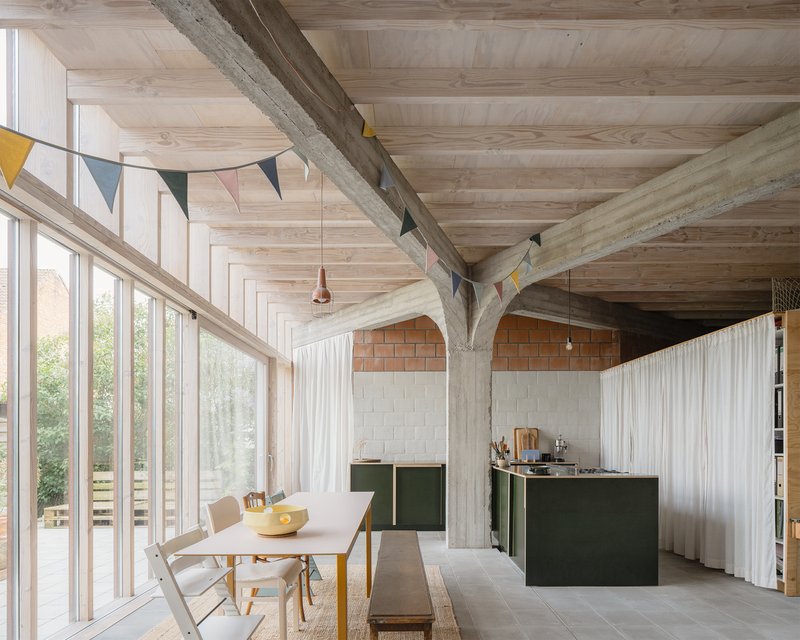
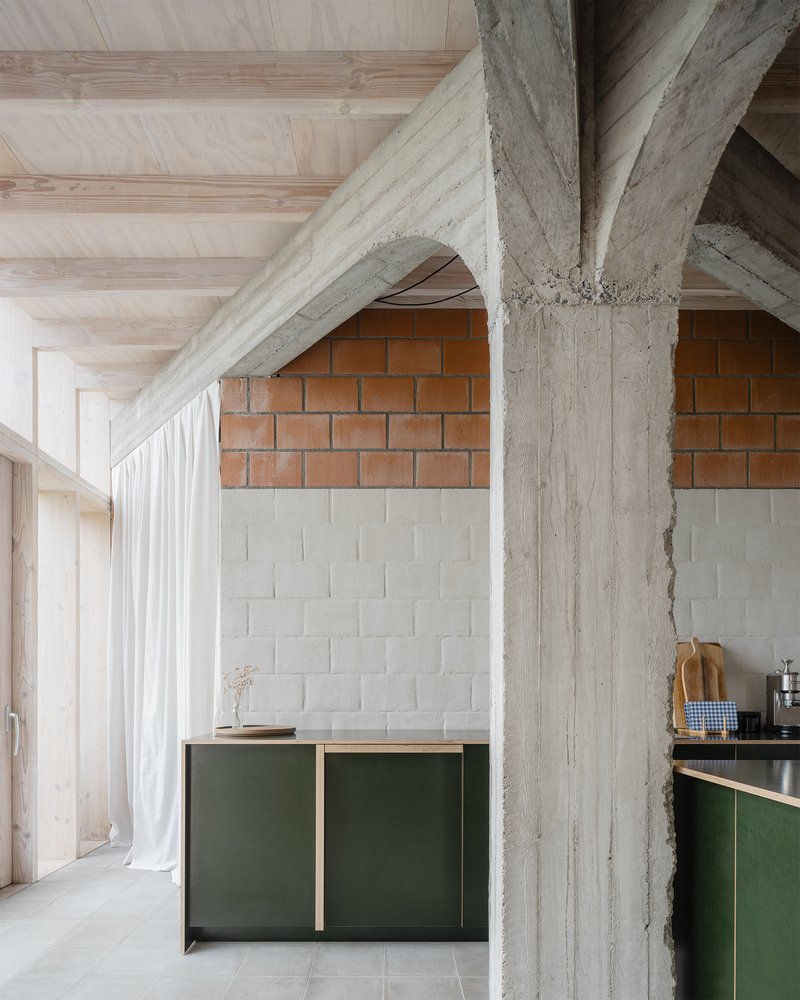
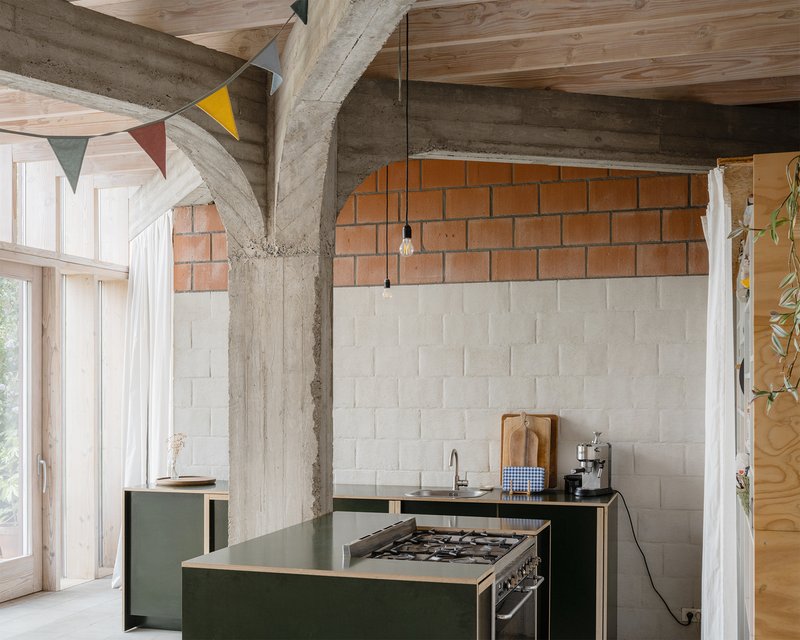
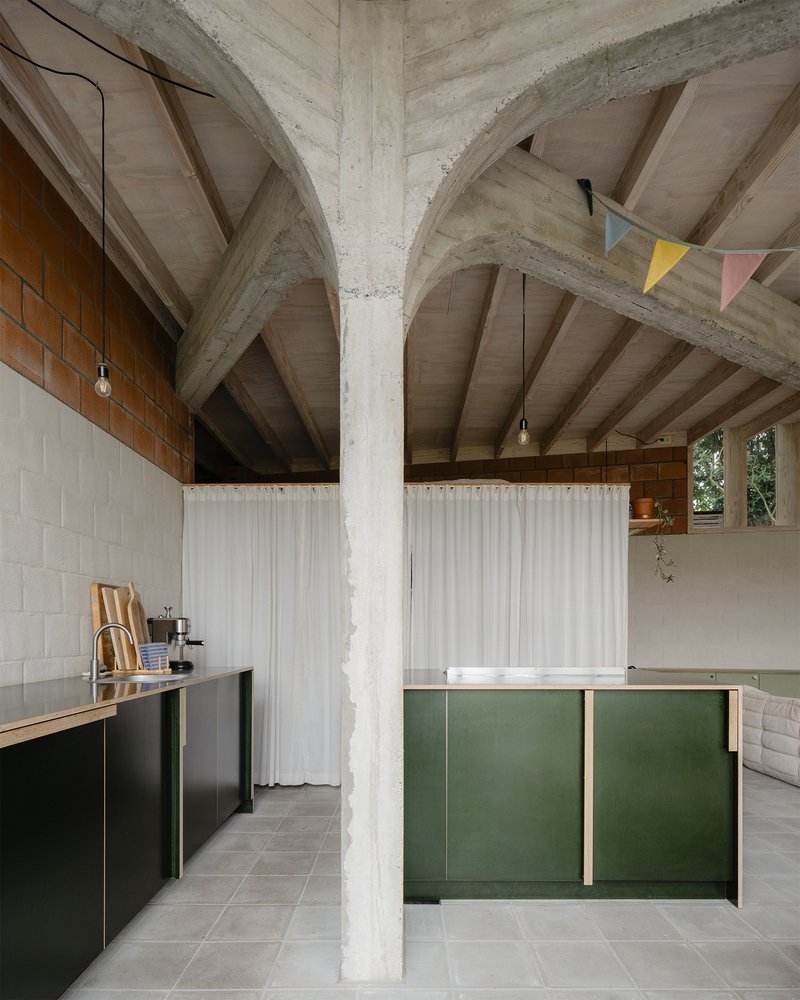
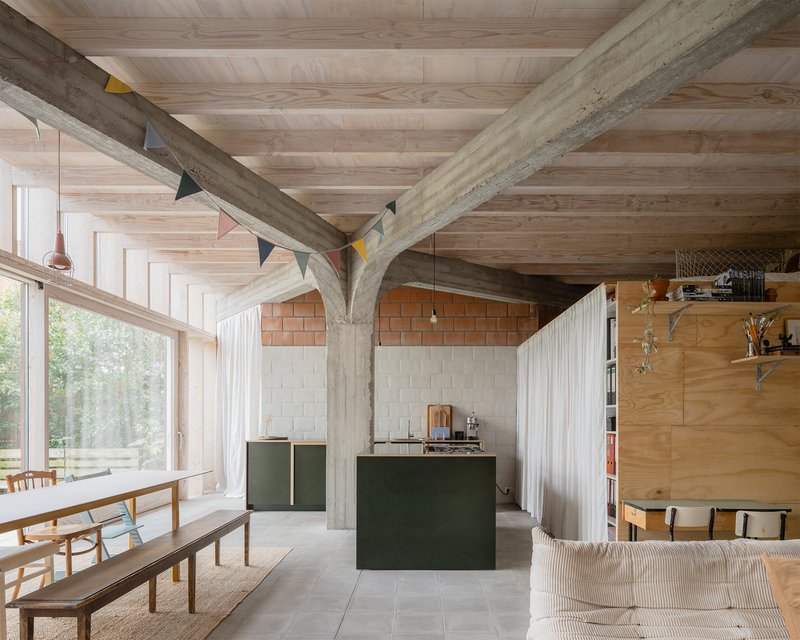
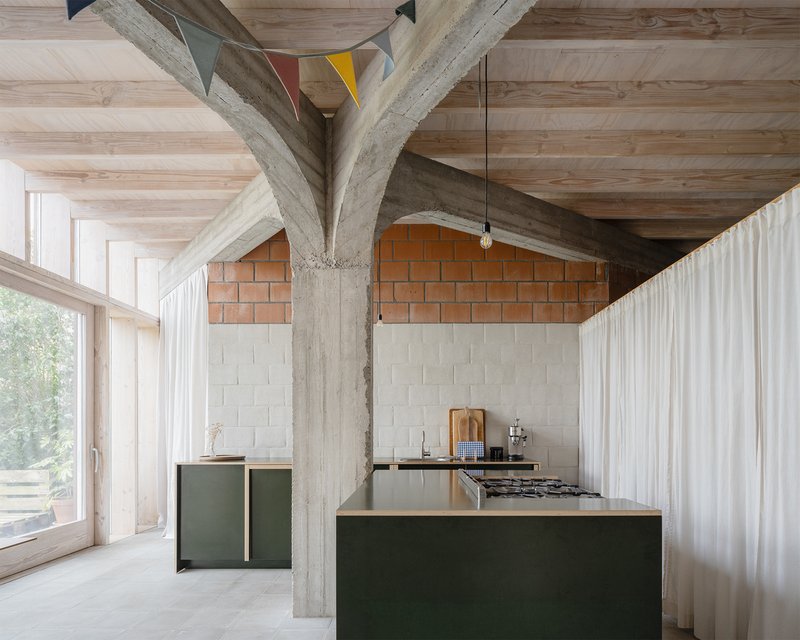
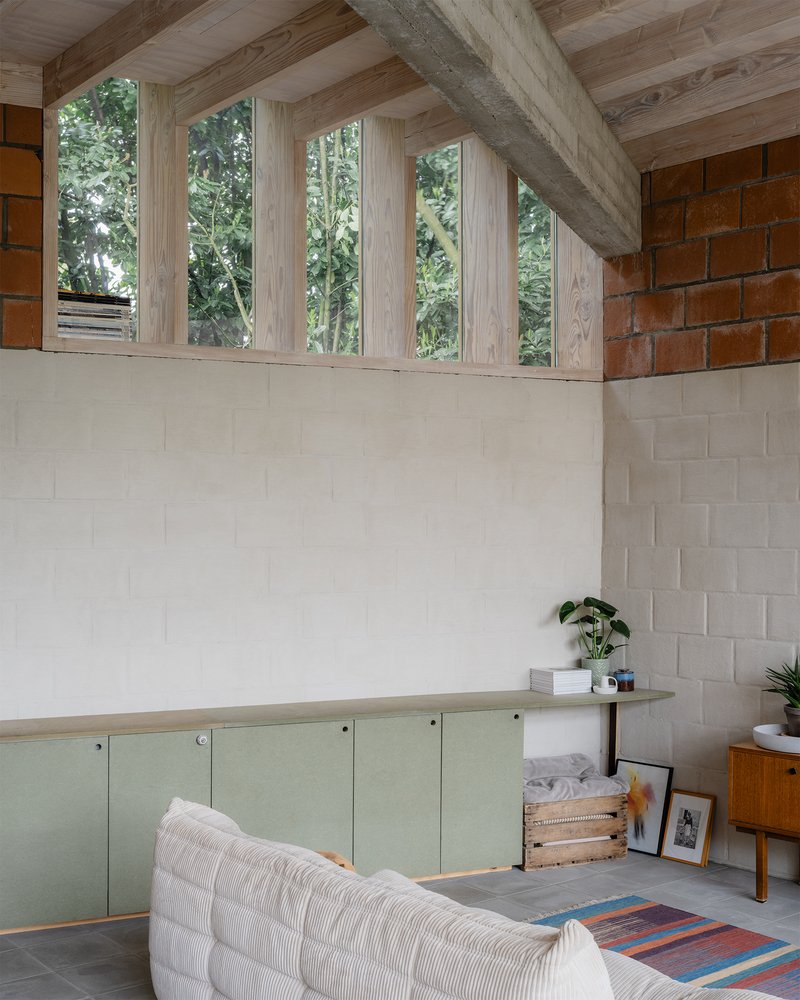
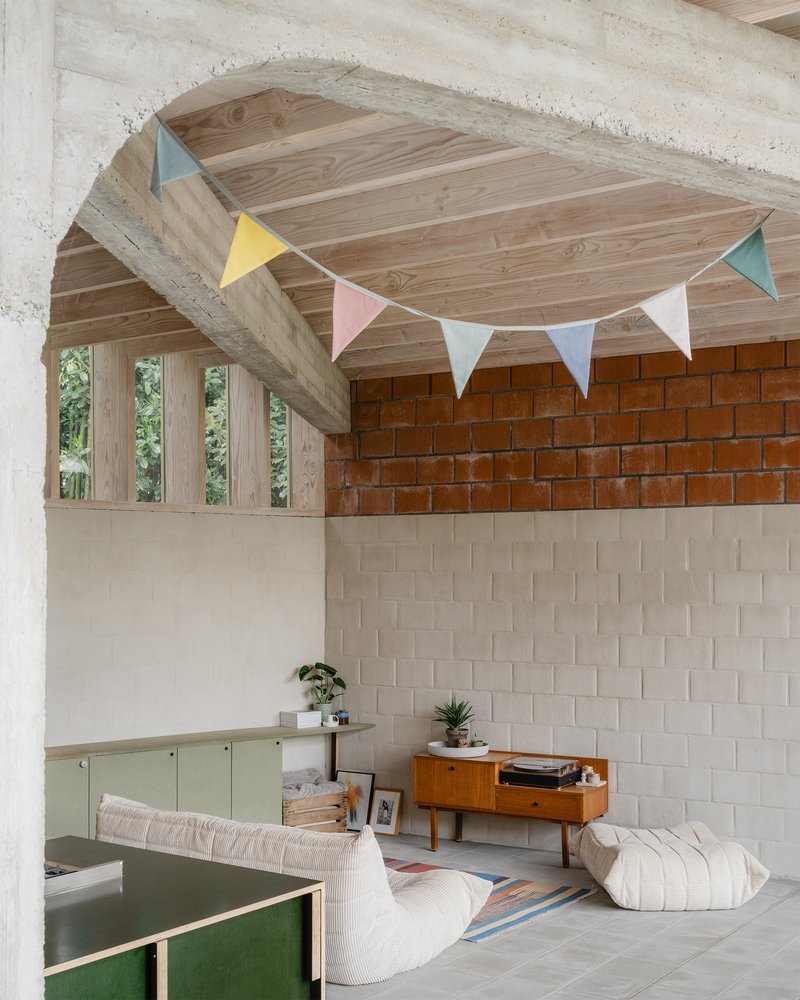
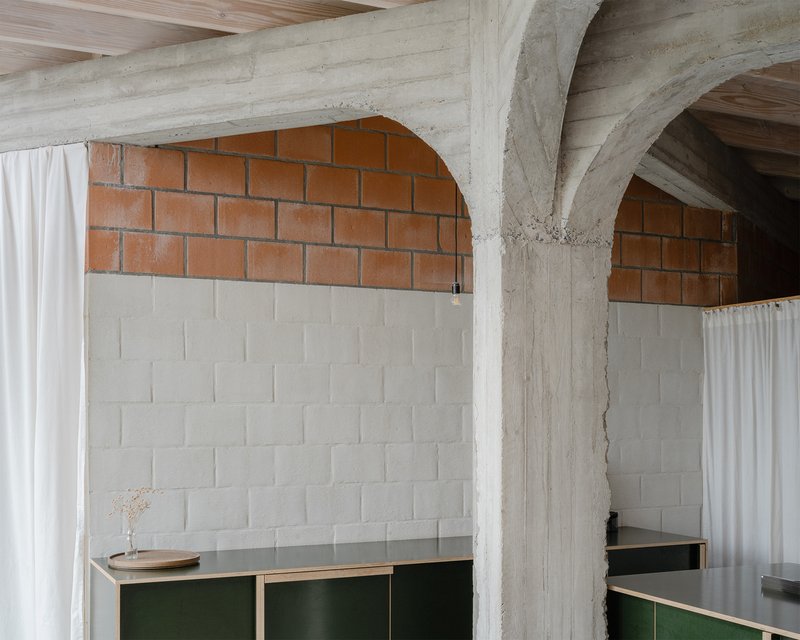
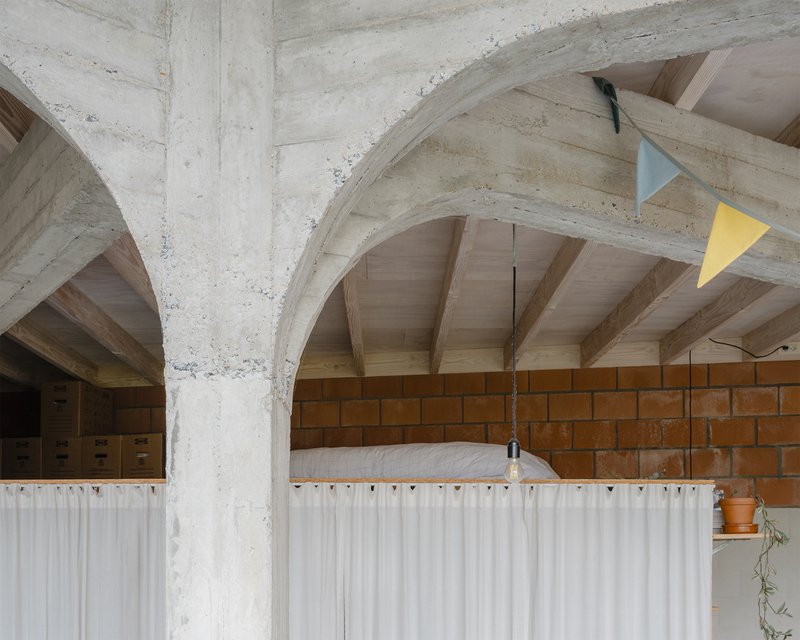
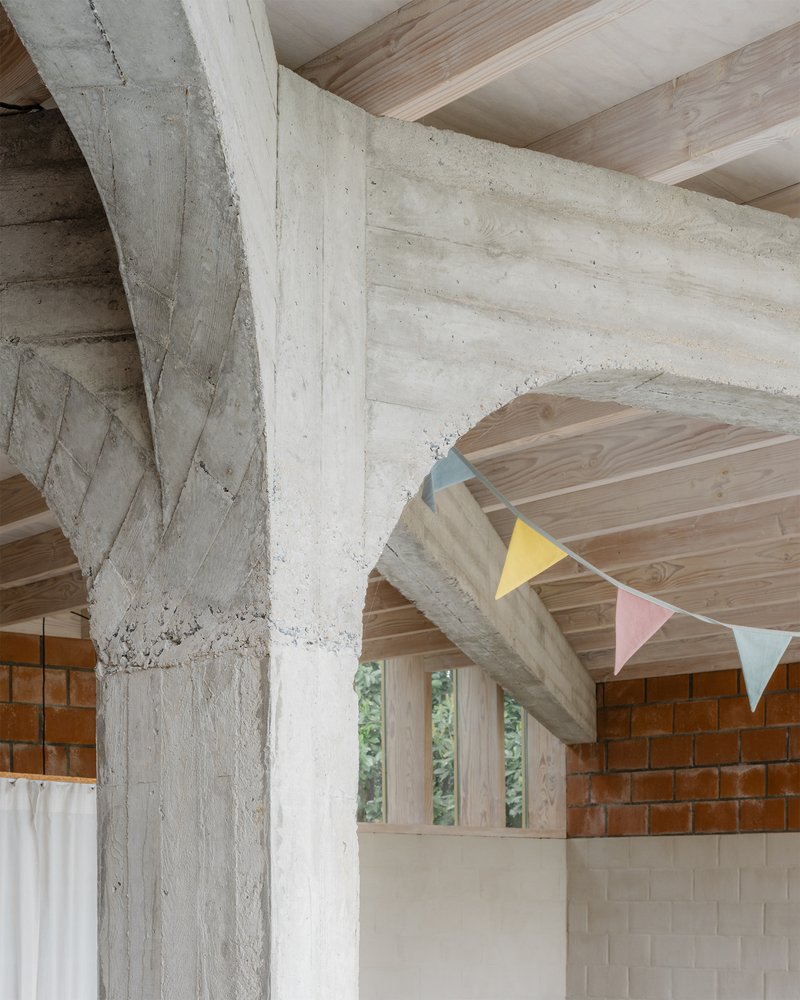
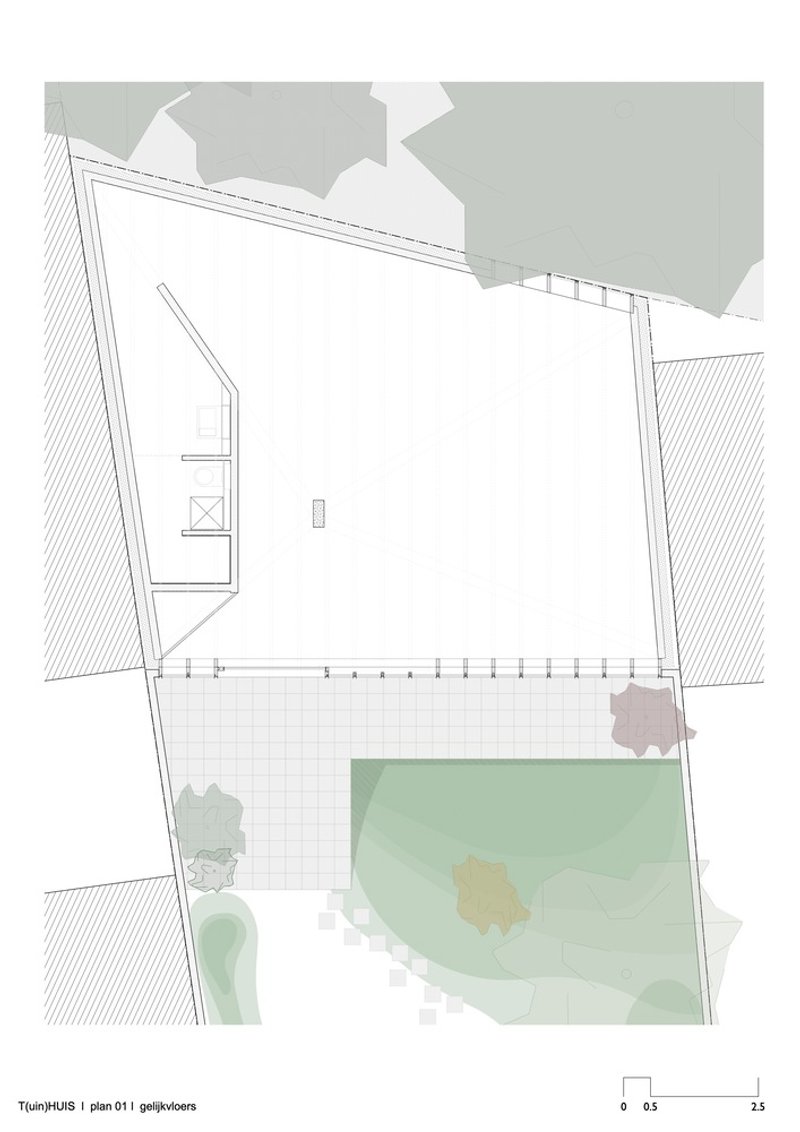
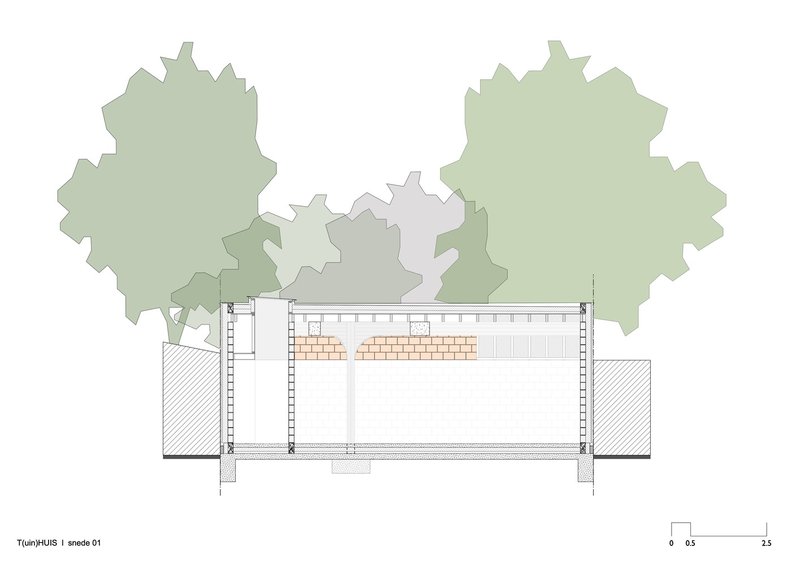
The building's structural layering is both simple and clear, contributing to a spacious and airy feel. The main concrete structure, resembling the branches of a tree, spreads over the floor plan and supports the wooden framework beneath the park's green canopy. This design not only provides stability but also enhances the visual connection with the surrounding nature.
Functional Flexibility
Multipurpose Use
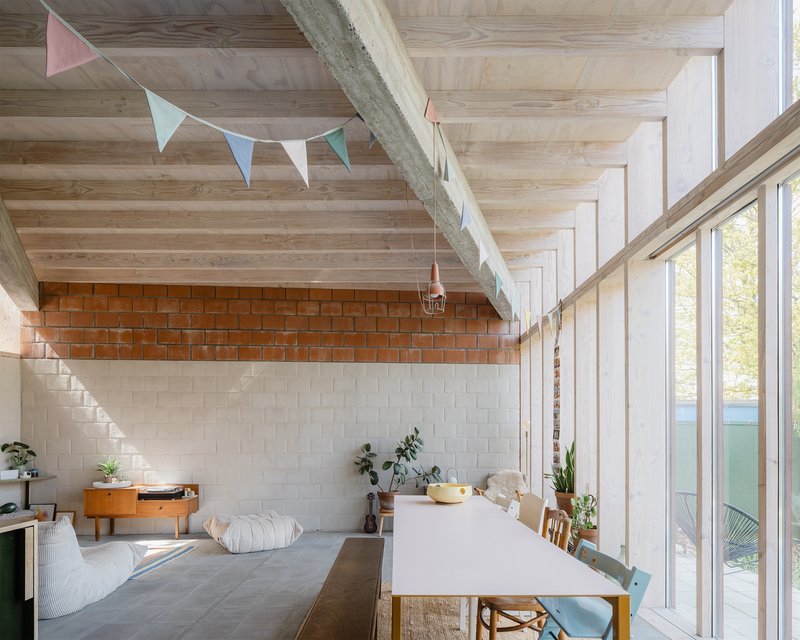
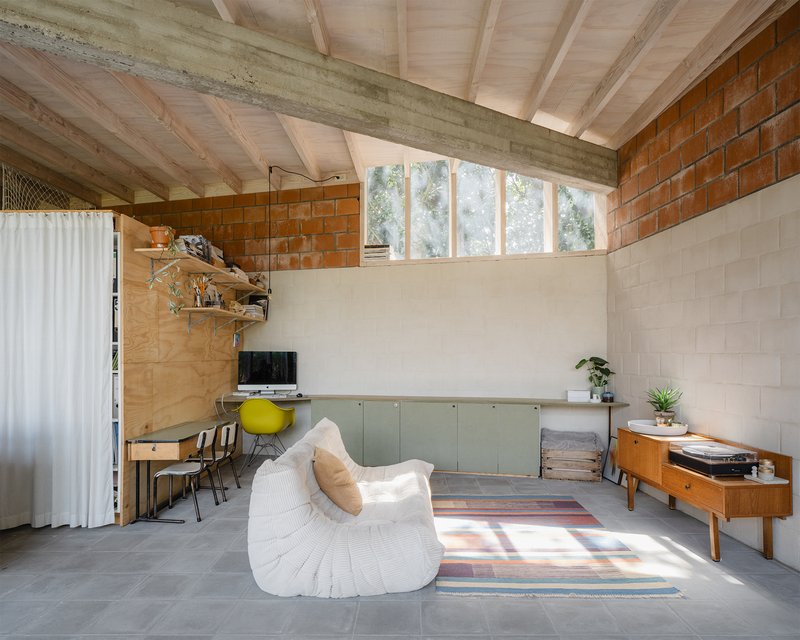
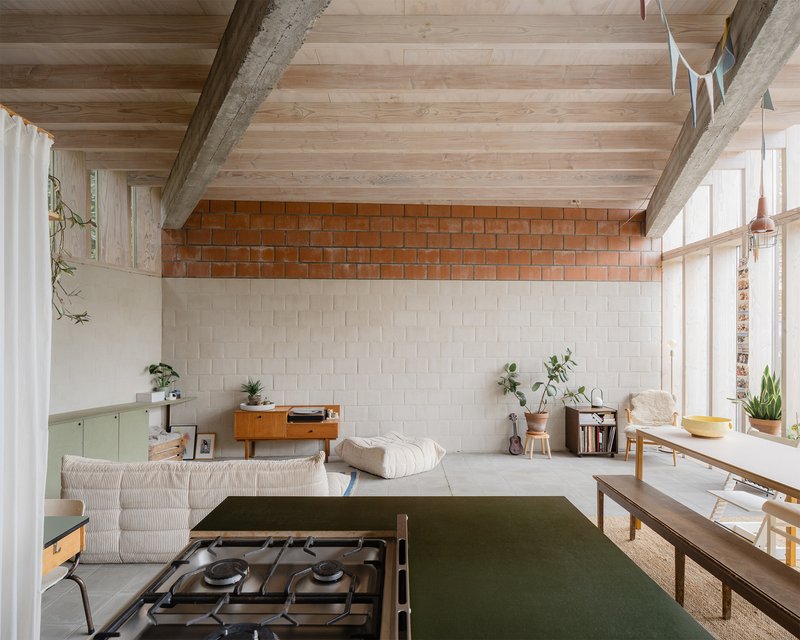
Originally conceived as a woodworking studio, the T(uin)HUIS Atelier temporarily functions as a compact dwelling during ongoing construction on the plot. The open and flexible floor plan allows for various future uses, making it a versatile space that can adapt to the changing needs of its occupants. This multifunctional aspect is a key feature, highlighting the architects' foresight in creating a sustainable and practical design.
Interior Design
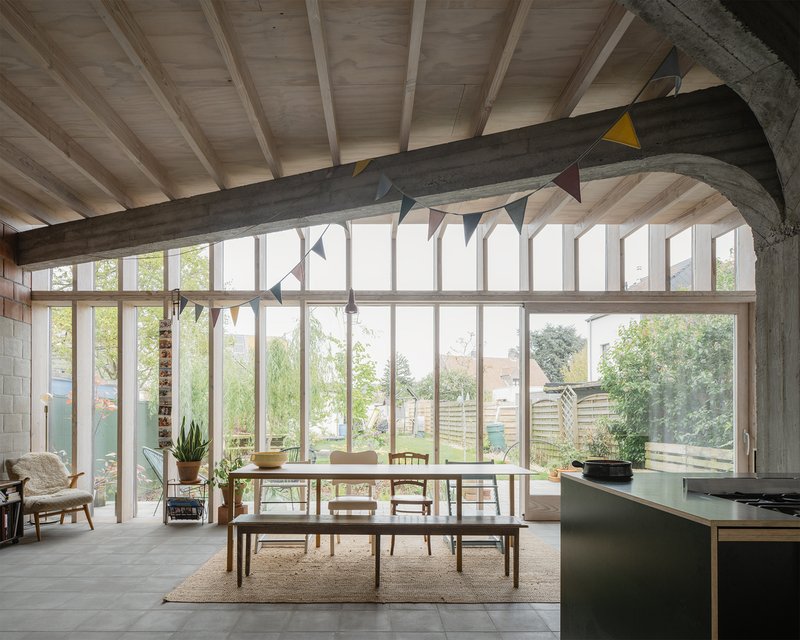
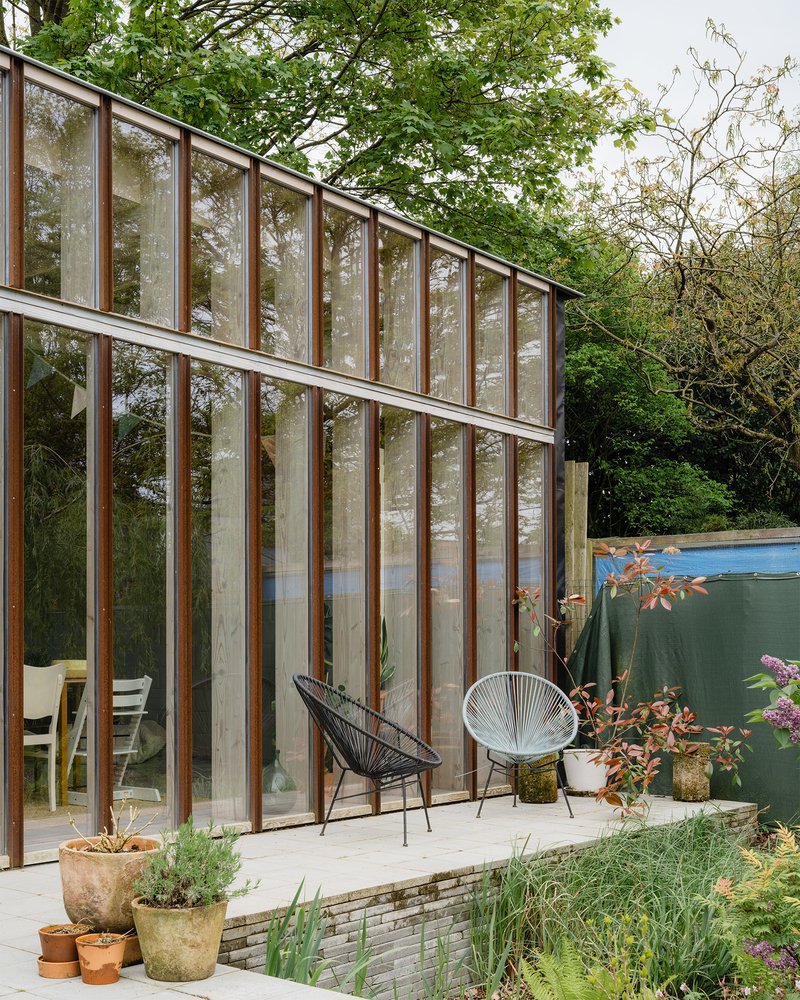
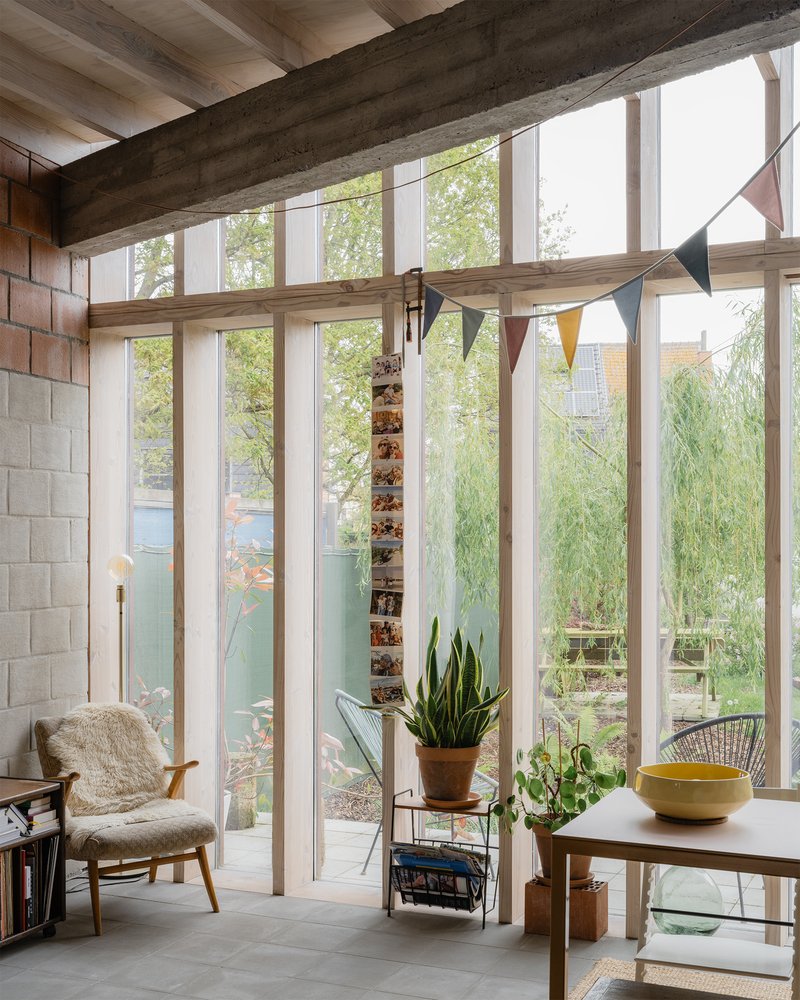
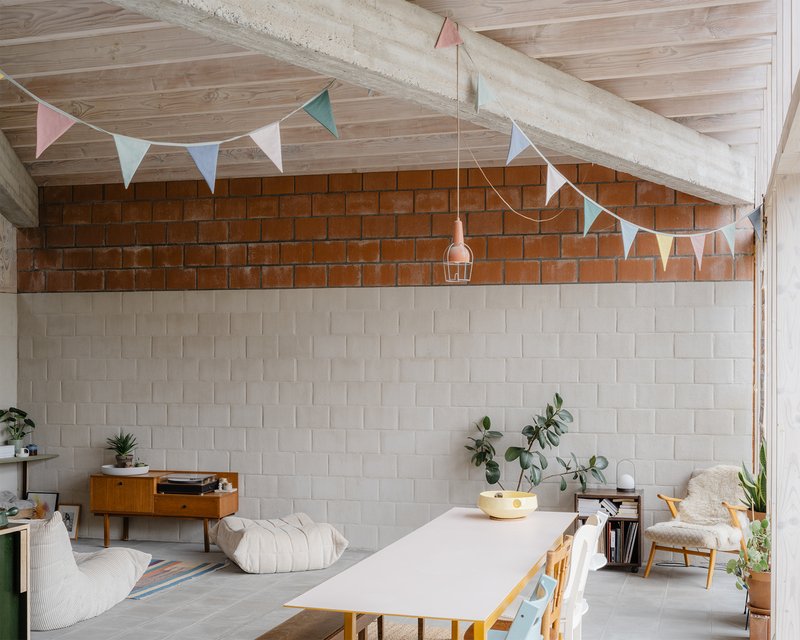
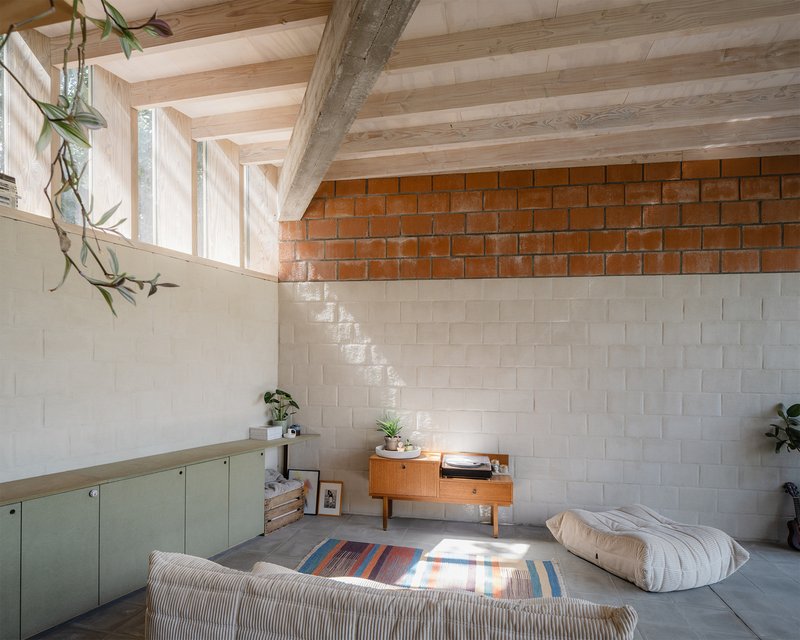
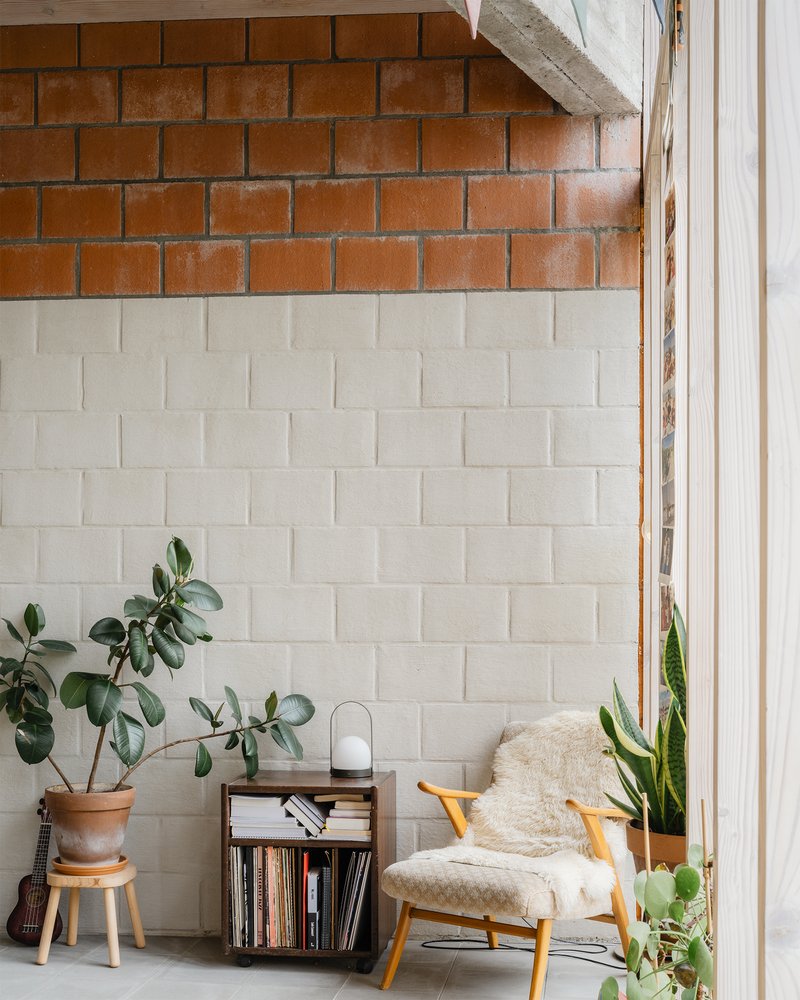
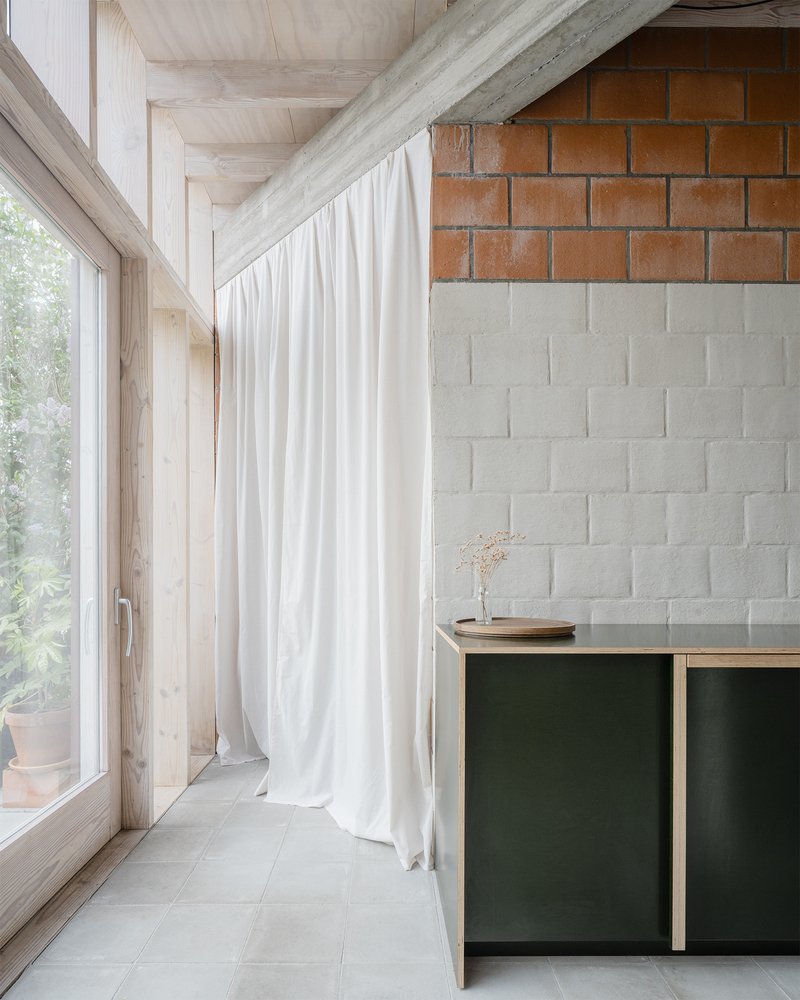
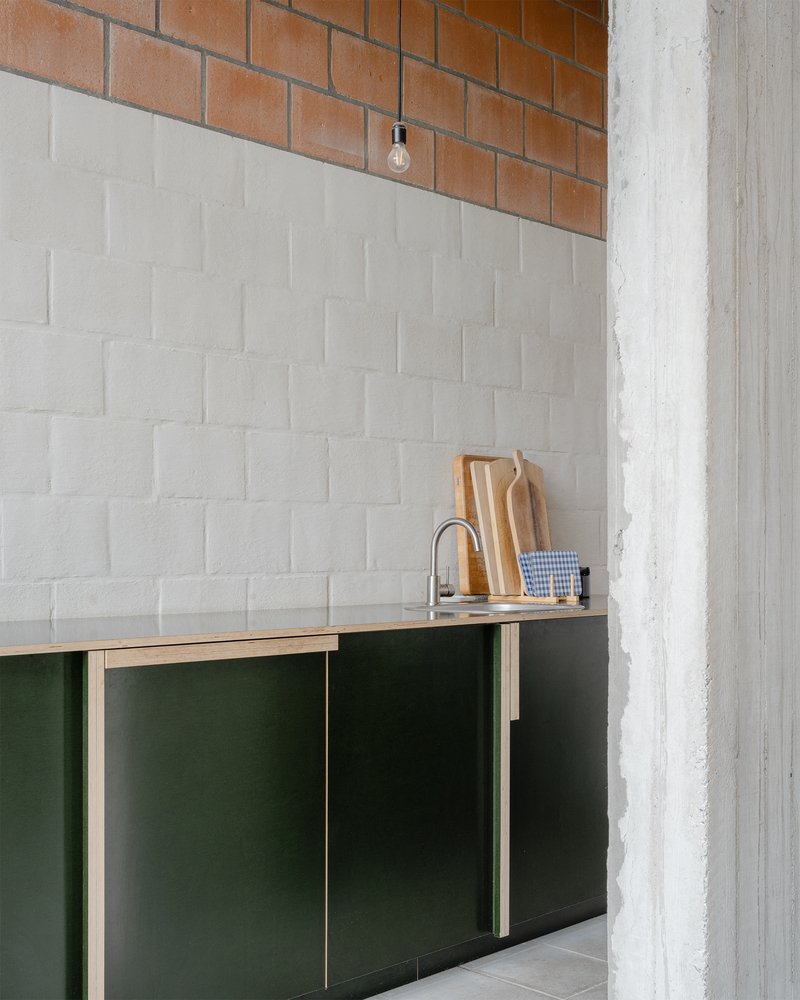
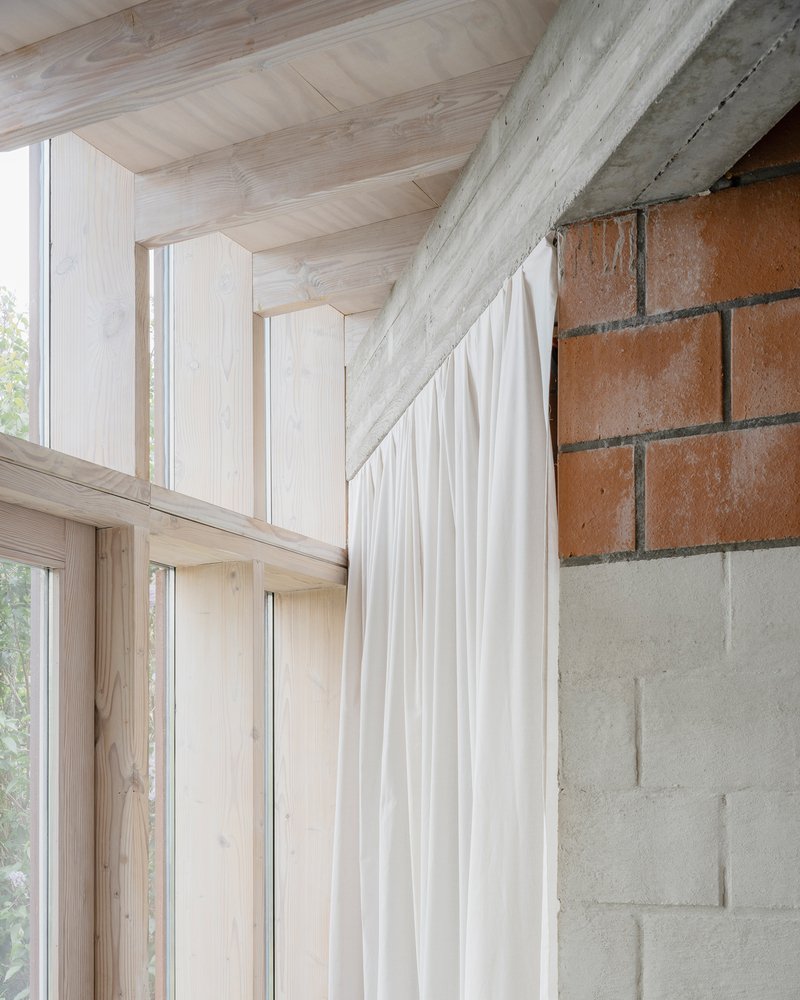
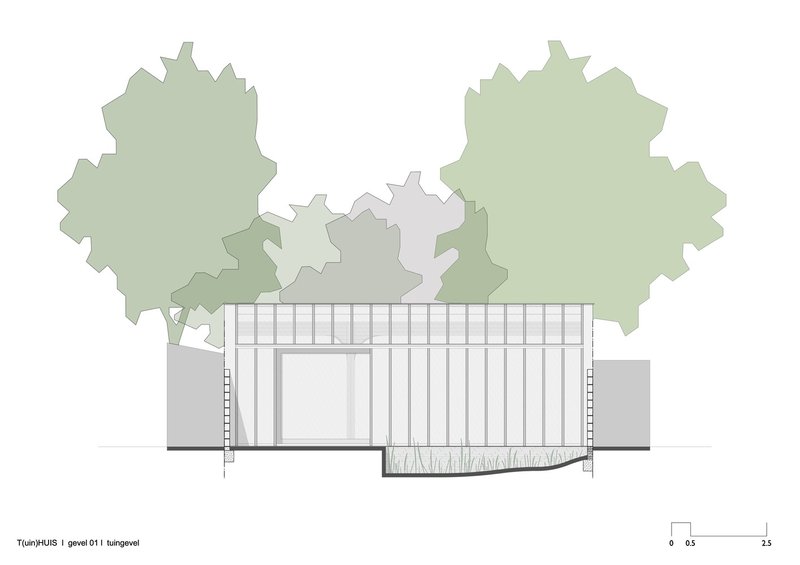
Inside, the use of simple, honest, and robust materials like wood and concrete ensures a sober simplicity and a sense of tranquility. Large windows overlook the garden, providing ample natural light and a constant visual connection to the outdoors. The interior spaces are designed to be open and fluid, enhancing the sense of spaciousness and promoting a flexible layout.
Integration with Nature
Garden and Park Connection
One of the most striking features of the T(uin)HUIS Atelier is its seamless integration with the garden and the park. The original garden, with its grass and fir trees, has been reorganized to function as an extension of the park, making the plot as permeable and green as possible. This not only enhances the aesthetic appeal but also promotes biodiversity and environmental sustainability.
Sustainable Materials
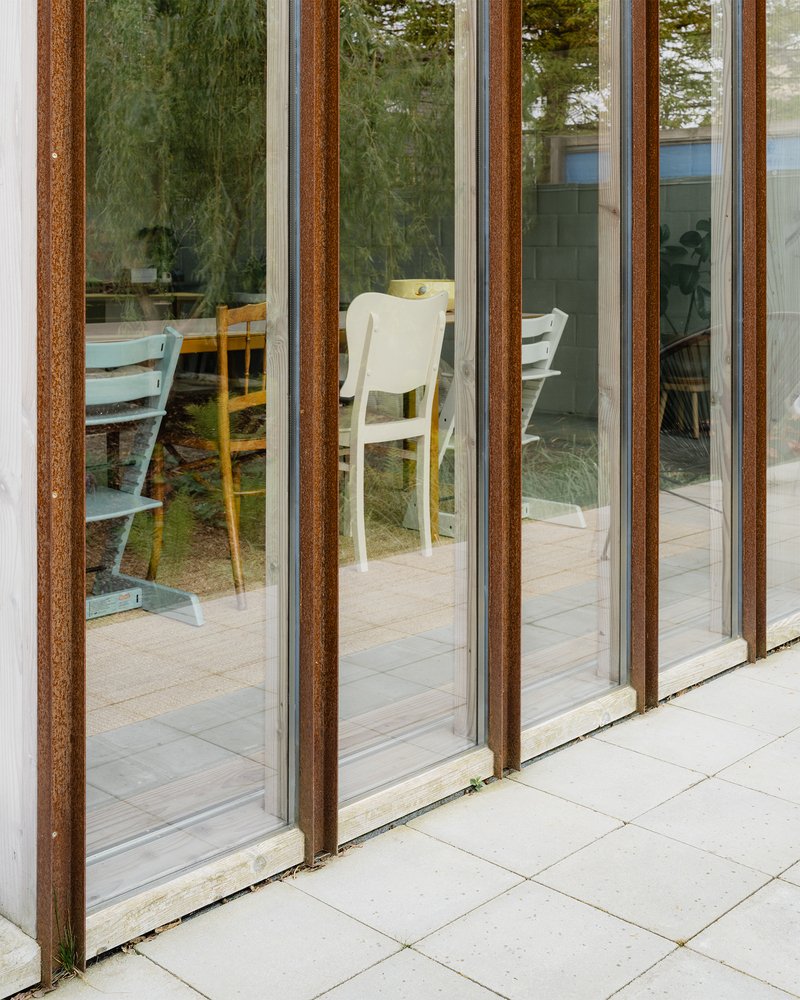
The use of sustainable and locally sourced materials further emphasizes the project's commitment to environmental stewardship. The wooden framework, supported by the concrete structure, blends harmoniously with the natural surroundings, creating a cohesive and balanced design.
Architectural Impact
Community and Environmental Benefits
The T(uin)HUIS Atelier serves as a model for sustainable and flexible architecture. By creating a space that can adapt to different uses and integrate seamlessly with its natural surroundings, Atelier Janda Vanderghote has demonstrated the potential of thoughtful and innovative design. The project not only benefits its occupants but also contributes positively to the community and the environment.
Future Prospects
As the project continues to evolve, its potential for future uses remains a significant aspect of its design. Whether it continues to serve as a studio, a dwelling, or any other function, the T(uin)HUIS Atelier exemplifies the possibilities of adaptive reuse and sustainable architecture.
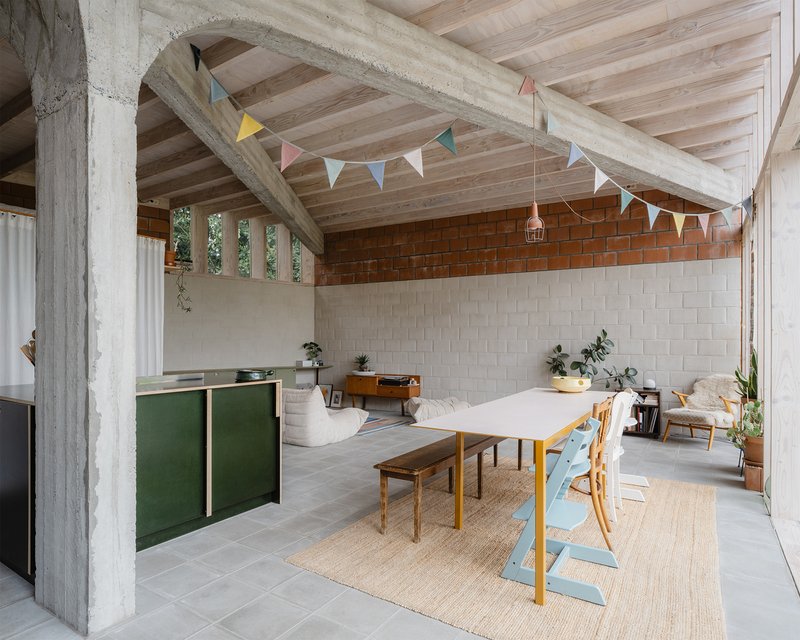
The T(uin)HUIS Atelier by Atelier Janda Vanderghote is a remarkable example of how architecture can harmonize with nature while maintaining functionality and adaptability. Through its thoughtful design and use of sustainable materials, the project not only meets the current needs of its occupants but also prepares for future possibilities. As a versatile and environmentally integrated structure, the T(uin)HUIS Atelier stands as an inspiring model for modern residential and office architecture.
All photographs are work of Johnny Umans