Art-ade
Designing an outdoor art gallery
OVERVIEW
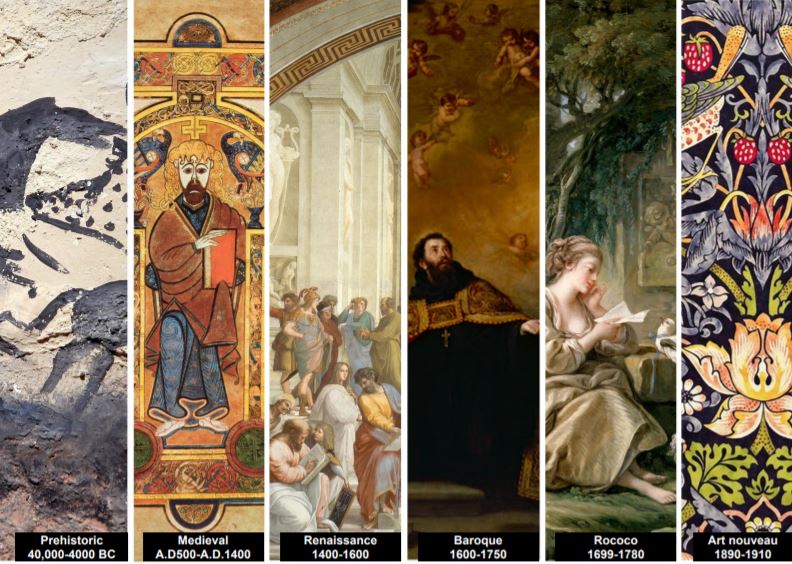
Img 1: Early art movement timeline
Art and Architecture
Art is everywhere! It seems to exist in a zone of freedom keeping distance from the rules and conventions of everyday life. Artists have been using paintings, sculptures and carvings as a form of expression, social message and experience.
Art represents the evolution of our understanding of society. It evolved from Lascaux cave paintings in prehistoric ages to Renaissance pictorial art to the contemporary period’s wide range of art forms. Each art movement have had its unique style, artist, technique and intent.
Much of the architecture that we see today has derived its form from art. Art and architecture have been united by a platform where the design, designer and their individual meanings play together. Both are created using the same organizing principles (balance, rhythm, harmony, movement, circulation) visual elements and engagement of senses.
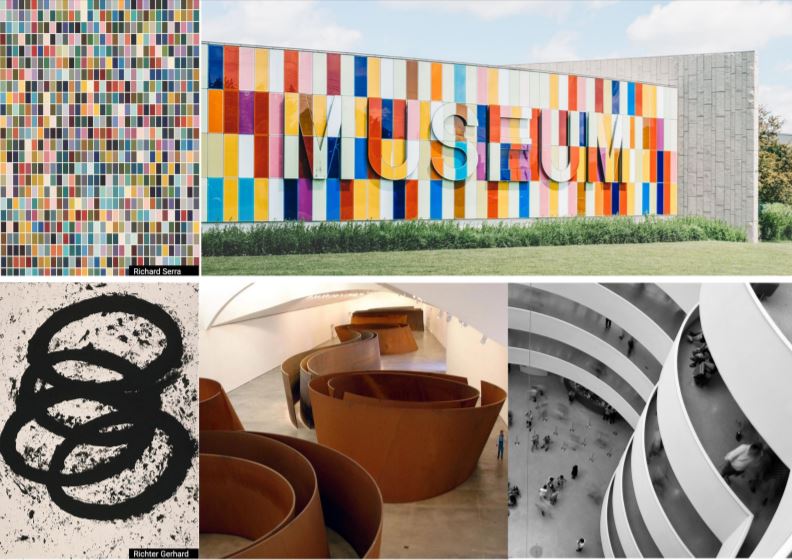
Img 2: Interrelationship seen between art and architecture
Connection in art
Architecture, sculpture and painting once existed together. Admirably intertwined at various points in history- ancient cultures of east and west, gothic, renaissance and baroque periods are few examples. Architecture and visual arts have always taken inspiration from each other which can be seen in the works of Antoni Gaudi and Le Corbusier. It is difficult to separate the artistic elements from the architectural elements of Gaudi’s highly decorated Sagrada Familia or Le Corbusier’s Notre Dame du Haut.
The closeness of the shared relationship is so unique that the subject (architecture) was predominantly taught in art schools until reclassified as science in 1958 by RIBA.
Art needs an appropriate built environment within which it can be showcased, while architecture needs art to turn bricks, concrete and steel into a space in which people relish.
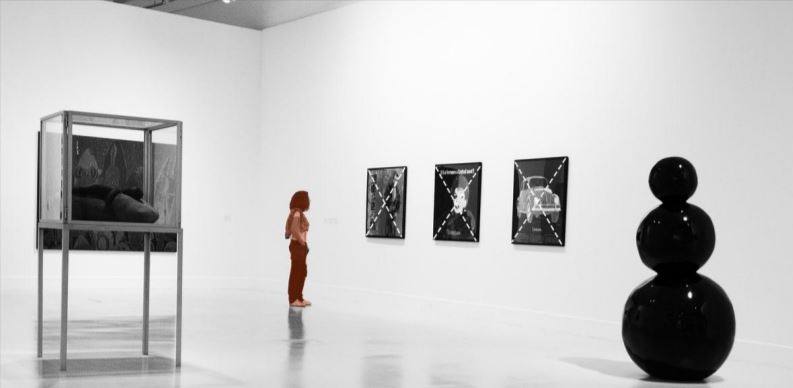
Img 3: Asocial planning of the art galleries
Lack of art in architecture
Mankind’s desire to decorate their habitats has given meaning to the built spaces.
With the progression of modernist movement (1860-1970), everything that did not meet the demands of structural necessity or material functionalism was deemed unnecessary and rejected. Architecture discipline began to align itself with the fields of science and technology, determined by functionality and rationalism. Another contributor to the decline was economics. The rules of standardisation began to apply, leaving very little room for expressionism. Today art is under appreciated because of its limited presence and accessibility to it, creating a wall between people and art. Leading to lack of art in ours lives. The lack of art in architecture contributed to visual poverty and impersonality.
The role and definition of art galleries and museums has changed over the time. The non-interactive design scheme of such buildings filters out majority of the population from developing a connection with art or their artists.
What is the solution? Can art be integrated with build and in our lives again?
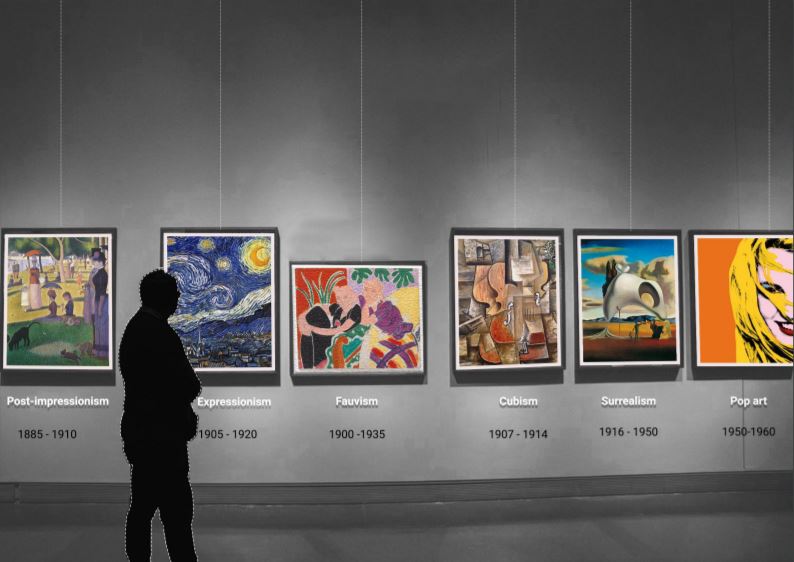
Img 4: Modern art movement timeline
Brief
Can the borders between art and architecture be blurred? Can a built structure in its true individual form act as an art piece in itself? Can art enhance social engagement?
The aim is to design an art gallery in public space that is open and accessible and promotes communication. The structure should be able to host new artists, where they can collaborate and exhibit their work.
The outdoor art gallery should take inspiration from one of the major modern art movements (i.e. impressionism, post-impressionism, cubism, fauvism, Dadaism, pop art and surrealism)
Don’t be afraid to color outside the lines and visualize bigger!
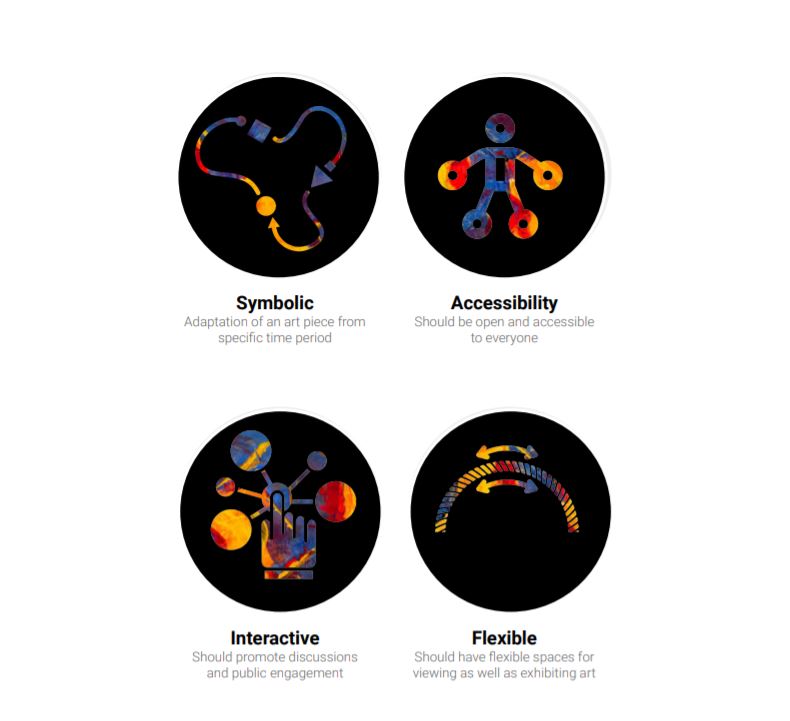
Objectives
An open house art initiative where artists would work, exhibit while interacting with public. The designed gallery should be able to house atleast 200-300 people.
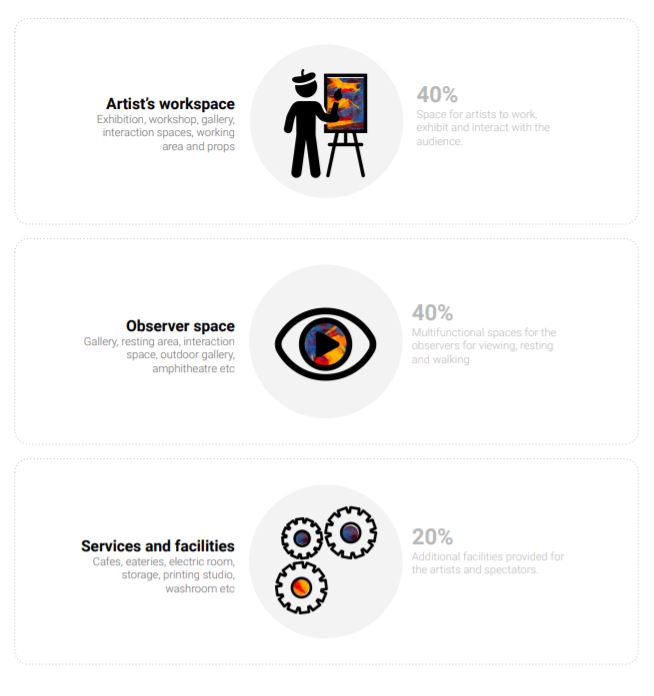
Programmatic Outline
The given guidelines are outlined for the ease of designing. Participants are encouraged to add new functions according to their design requirements.
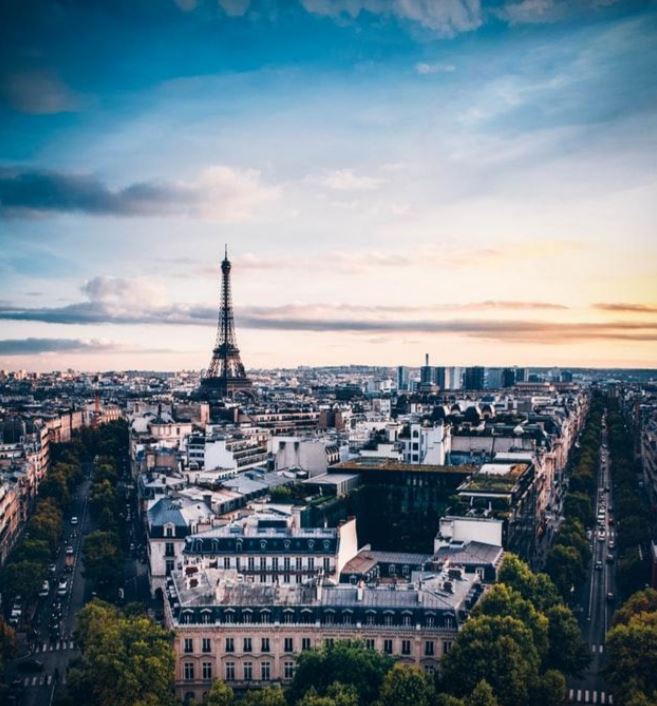
Montpellier, France
France is a medieval country located in Europe. The country has played a major part in defining western history. In the twenty-first century, Art is one of the major attractions of France as a tourist destination. People come from all over the world to admire France's museums and art galleries, its stunning medieval architecture, it's great Renaissance châteaux, its artistic and cultural heritage in general. It has been a home to many extraordinary artists like Van Gogh, Picasso and Da Vinci.
Context
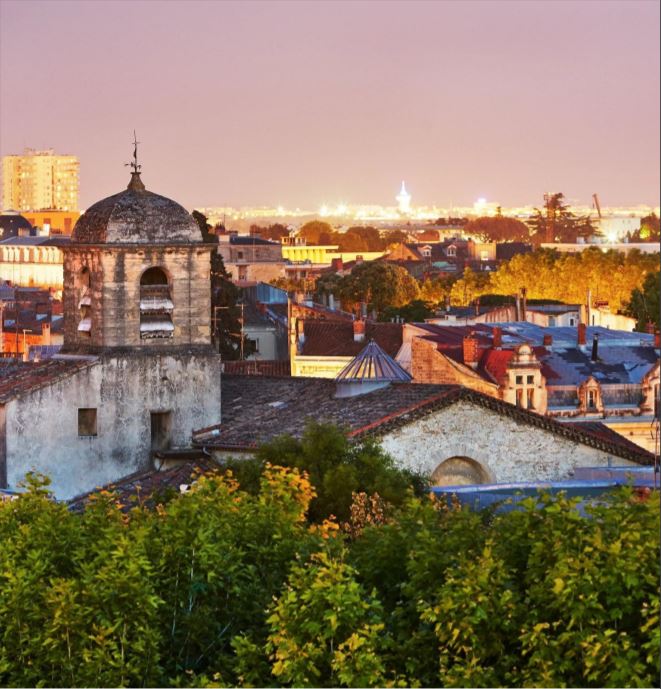
Montpellier is a city near the south coast of France on the Mediterranean Sea. It is considered to be the fastest growing city in the country over the past 25 years. The modern city is a tourist centre. The culturally rich city has a lot to offer to art lovers. It is one of the few cities where each kind of art form (paintings, sculptures, street art, wall murals) can be found in every corner of the city.
Site Plan
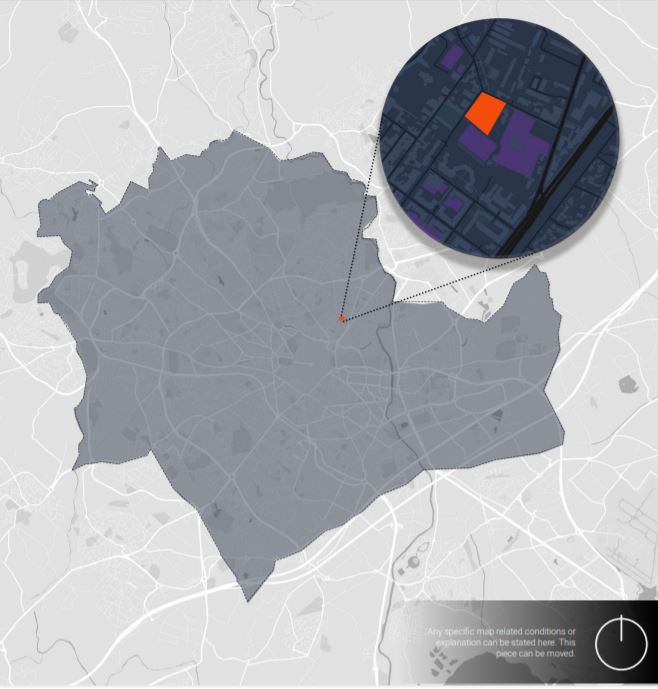
- Site Area: 3315 sqm
- Coordinates: 43°37'10.7"N 3°53'02.9"E
- Height restrictions - 9m
- Set backs of 10m on all 4 sides

Similar Competitions
Discover competitions you might be interested in




Bring back Drive In's


Challenge to design an urban locus of culture and heritage


The Global Benchmark for Graduation Excellence


The Global Benchmark for Architecture Dissertation Awards