
Artstruck
Challenge to design an art museum inspired by digital trends
Overview
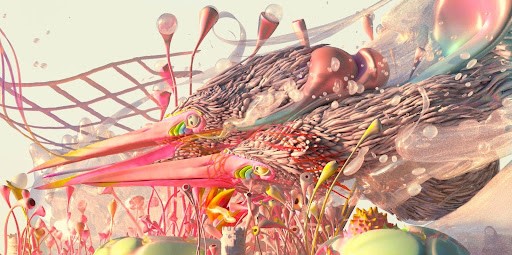 Fig: 1 - Digital technology has transformed activities such as painting, literature, drawing, sculpture and art. (Credits: Sam Clover)
TRANSFORMATION OF ART
Art has always played an important role in human lives, but it has never been a rule for art to be of meaning or representative of something rigid. Abstract forms of art have started coming up with these forms of nonobjective pieces that are an unrestricted portrayal of experiences and sometimes even elusive play of visuals and perceptions.
Abstract art started around the 19th century, a period that was characterized by the vast popularity of imitative and anecdotal representation. Movements like Romanticism, symbolism and expressionism were some of the movements that started around the same time that went against classicism and embraced the newfound freedom.
Abstract art has evolved and seeped into various forms today. In a way, it is currently the golden age for abstract art with so many talented and equally creative abstract art pieces and artists coming up around the world. To make it a movement that doesn’t die out or become a ubiquitous one, it is important they are protected and represented appropriately. Architecture and design being closely knit relatives can help in uplifting and shaping this art form better.
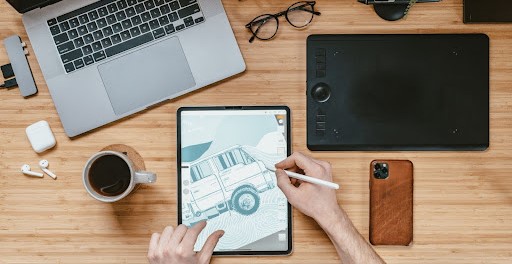 Fig: 2 - Crypto artists create pieces with digital tools and they are uploaded, purchased, collected and traded online as NFTs.
BLOCKCHAIN, NFT’S AND ART
With digital media and technology becoming a fastly growing entity, art forms have found a new and fast reaching platform to be showcased. But this has also made it easy for it to be duplicated or shared with the public faster than the credits can reach the original creator. So is the case with abstract art pieces that artists use social media to promote or sell.
NFT - Non-fungible tokens are a new way to achieve this individuality. Using these tokens that are assigned to each art piece, the piece achieves a unique status that cannot be duplicated. This gives the piece the value it deserves. Traditional museums such as the Guggenheim Museum in NY have started to look into this method of art display as they are a “nascent, fast-growing, highly scalable area of the art world” according to its administrators.
But traditional art pieces and museums that contain provisions based on the principle of displaying artworks for people to look at and appreciate, how would this established typology and planning of how a museum defines its collection change with NFT’s and digital art in the picture?
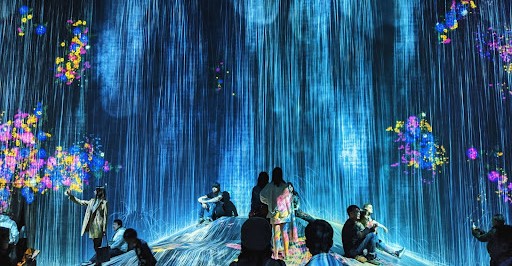 Fig: 3 - Virtual art galleries and museums can allow visitors to visit these 360-degree creations by popping on a virtual reality headset.
DESIGN AN ART MUSEUM INSPIRED BY CURRENT TRENDS
Brief: Design an abstract art museum that displays both traditional and NFT art pieces.
Infrastructure for display and transaction required for all types of art pieces are to be provided. Bringing a balance between the two types of art pieces displayed should be prime. The main purpose would be to provide apt translation methods of the NFT’s.
Traditional art museums around the world have focused on providing an infrastructural building with complementary aesthetics for the artwork displayed inside, instead of reflecting the essence of those artworks. In this project, the museum is set to display abstract art pieces and to reflect their essence in the design without overpowering the objective of the facility will be key.
The materials used and the design of the building should be contextual to its surroundings. The built form must be able to connect with the people, through its form, layout or spaces. The relationship of the building with the context, both in physical and mental terms must be explored.
OBJECTIVES
Concept - A symbolic adaptation of the essence of Abstraction can be done.
Accessible - The layout and systems must be easy to navigate for both traditional and NFT art seekers.
Multi-functional - Should have flexible spaces for viewing as well as exhibiting art.
Harmony - The design must establish harmony or connection with the surroundings while having outstanding features.
SITE
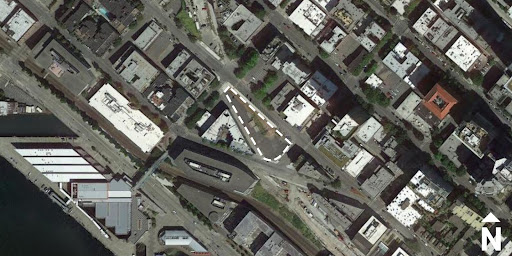
The site is located in Seattle, United States. The city has a vibrant art landscape that has venues for urban art, performance arts and theatre work. It is also a host to many art fairs, local events and festivals that keeps the city dynamic.
Young artists all over the city are monetizing their digital art by way of cryptocurrency. The trend of crypto art has picked up in the city in the last few years. NFT’s are used to promote and help local artists present their work on the global market.
The site is located in the neighbourhood of Belltown which is characterised by upscale residential settlements and trendy commercial establishments. It can be accessed by Elliot Avenue with outdoor art, galleries and cultural landmarks in the vicinity.
Site area - 2806 sq.m
Ground coverage - 20%
Maximum FAR - 0.75
Height restrictions - 10 metres
Coordinates - Seattle, United States
AREA PROGRAMME
The facility will be a museum for traditional and NFT art pieces and provide spaces for related activities. The following programmatic outline is the point to begin your design at. You can add more functions and activities in relevance or modify the below design programme.
- Exhibition hall ~ 300 - 500 sq.m
- Gallery (digital and non-digital) for temporary exhibits ~ 200 sq.m
- Storage and Preservation ~ 100 sq.m
- Gift shop, Cafeteria and recreation ~ 150 sq.m
- Information centre, Entrance lobby ~ 60 sq.m
- Administration offices, Security and other services ~ 200 sq.m
The areas mentioned are to give an approximate idea of the type of spaces to be incorporated into the design. The number of rooms for each activity can be designated by the participant and they are free to incorporate their own space parameters.




