
Bamboo Central
Challenge to design a bamboo knowledge center
Overview
 Fig: 1 - Bamboo is considered a symbol of the harmony between nature and human beings.
Bamboo
Bamboo is an innovative solution that is part of the initiative to fight climate change. This fast-growing grass plant is a part of the green infrastructure. It is a low-carbon alternative to other building materials of construction, a highly versatile and rapidly renewable resource.
Huge untapped reserves of bamboo can be found in many countries that are cultivating indigenous species of excellent quality. The industry has gained traction in recent years, where its role in replacing wood is being explored. The construction industry is enamoured with this material as it offers the promise of eco-friendly, durable and economic construction.
Bamboo has the potential to overcome issues of sustainable rural development as well. As more people are getting acquainted with its positive benefits, the adaptation of this material to produce a myriad of products has proved successful.
Why has the potential of bamboo been overlooked, all this time?
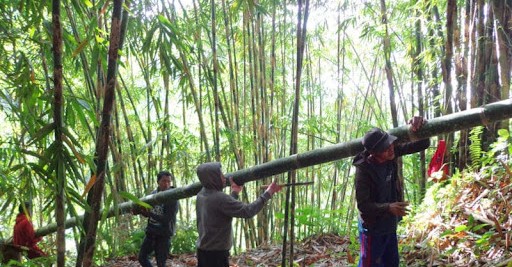 Fig: 2 - Bamboo is used from crafts to buildings, and its versatility is used for propelling development. (Credits: Ibuku)
The degrading environment
The degrading quality of the environment in these places is an additional challenge to face by these communities. The subsequent effects of this are climate change, global warming, drought, and so on. Bamboo reserves can help restore the ecosystem in such areas.
Bamboo found in certain regions is culturally and economically significant. This resource can contribute to the progress of developing countries where poverty and unhealthy living are some of the major concerns. Abundant bamboo resources are commercialised to derive benefits for locals.
Bamboo farming is a labour-intensive industry and its industries can help provide employment and income opportunities to the rural populations.
Awareness is the biggest hindrance to the development of the bamboo industry. So, we need to encourage people to explore its potential for the betterment of the lives of the local people. How can bamboo improve the socio-economic aspects of society?
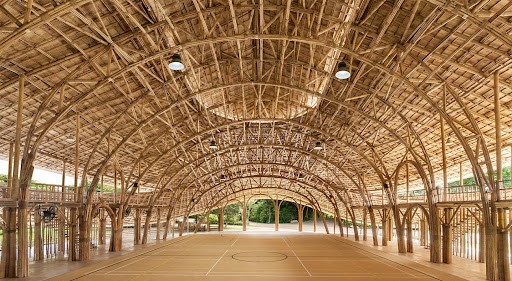 Fig: 3 - Bamboo, as a building material, has high compressive strength despite being light-weight and is suitable to be an eco-friendly replacement to building materials used to date. (Credits: Mara Pasquini)
Learning through use
Bamboo, in every form, has the ability to improve the lives of people. Innovations in the field can enhance the positive attributes of this resource.
Design brief: The challenge is to design a bamboo knowledge centre that will operate as a research and learning institute.
The institute is built to contribute to development in the area. It will operate as a skill learning centre for the local public. An exhibition of bamboo crafts and products will be held at the centre. The centre must also be economically viable by supporting the farming community in bamboo production.
The design must be built of bamboo signifying its role in the community. It must be accessible, approachable and promote awareness of its uses among the locals. It will also act as a public centre during speciality events and educational workshops in the area.
Design Objectives
- Concept: The structure must be built with bamboo so that the versatility of the material and application can be promoted.
- Landmark: The visual impact must be exemplary with standout features.
- Balance: Privacy and interaction must be guided in the layout as per the nature of the activity. The balance between aesthetics and functionality, as well as open, semi-open and closed learning spaces.
- Context: The design must respond to the (existing) site conditions. The wider socio-cultural, economic and environmental settings are to be considered in the design approach.
- Sustainable: Reduce the negative impact of design on the environment, by improving building performance, reducing waste and ensuring comfort for occupants.
Site
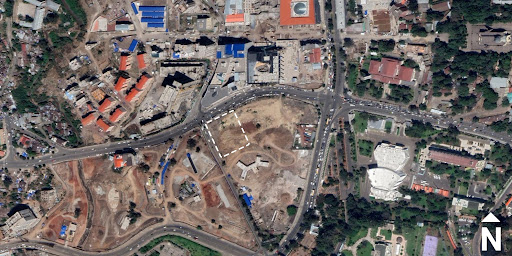
The site is located in Ethiopia, Africa. Ethiopia has one of the largest reserves of bamboo in Africa. Bamboo growing districts are to be connected to the urban centres raw material supply to commercialise bamboo as a resource. Bamboo cultivation has also helped to prevent the issue of drought in the region assisting small-scale farmers.
The site is located in Addis Ababa city in Ethiopia. Bamboo farming is a growing trend in the city and reserves are built up for greater economic opportunities. The city is an urban area and aims to propel the development of bamboo industries by opening up training and learning centres.
- Site area = 5119 sq.m
- Height restriction = 9 metres
- Max Far: 1
- Ground coverage = 30%
- Setbacks (as per CAD plan)
- Coordinates = 9°01'44.9"N 38°45'41.8"E
Program outline
The following programmatic outline is the point to begin your design at. You can add more functions and activities in relevance or modify the below design programme.
Spaces to learn: 30%: Workshops, studios, multi-media rooms
Spaces to work: 25%: laboratories, research labs, offices
Spaces to produce: 25%: craft labs, farmland, herb garden
Services 10%: Toilets, Utility & Maintenance
Administration 10%: Offices, meeting areas
Similar Competitions
Discover competitions you might be interested in




Challenge to design public laboratory


The Global Benchmark for Architecture Dissertation Awards
