

BeeGraphy Computational Design Awards '26
From Logic to Configurators
Overview
The BeeGraphy Computational Design Awards 2026 is a global, hands-on design initiative built around a growing community of designers, architects, students, and computational thinkers who believe in learning, building, and evolving together. The program focuses on creating parametric systems, configurators, and reusable design logic, encouraging participants to move beyond static outcomes and engage with design as a shared, adaptive process.

The previous edition of BeeGraphy Design Awards brought together a diverse international community through open challenges, workshops, discussions, and collaborative learning. Designers from different backgrounds explored computational design not in isolation, but as a collective practice, sharing methods, logic, and ideas. BCDA ’26 builds on this foundation, strengthening the sense of community while deepening the focus on how computational design can be applied meaningfully across disciplines and scales.
This year, the emphasis is on learning together and building systems that last. Participants will engage in workshops, develop configurable systems using BeeGraphy, and publish their work on UNI, where projects are evaluated as functional, market-ready assets. At its core, BCDA ’26 is about empowering a global community to design systems that can adapt, scale, and be reused, turning individual exploration into shared knowledge and long-term impact.
WHAT IS COMPUTATIONAL DESIGN TODAY?
There is a common misconception that computational design is a style. It is not. Computational design is a way of thinking.
It blends logical structures, mathematical relationships, and parametric control with design intent. This approach allows designers to generate variation, respond to constraints, and embed intelligence directly into form, making design decisions systematic rather than static.
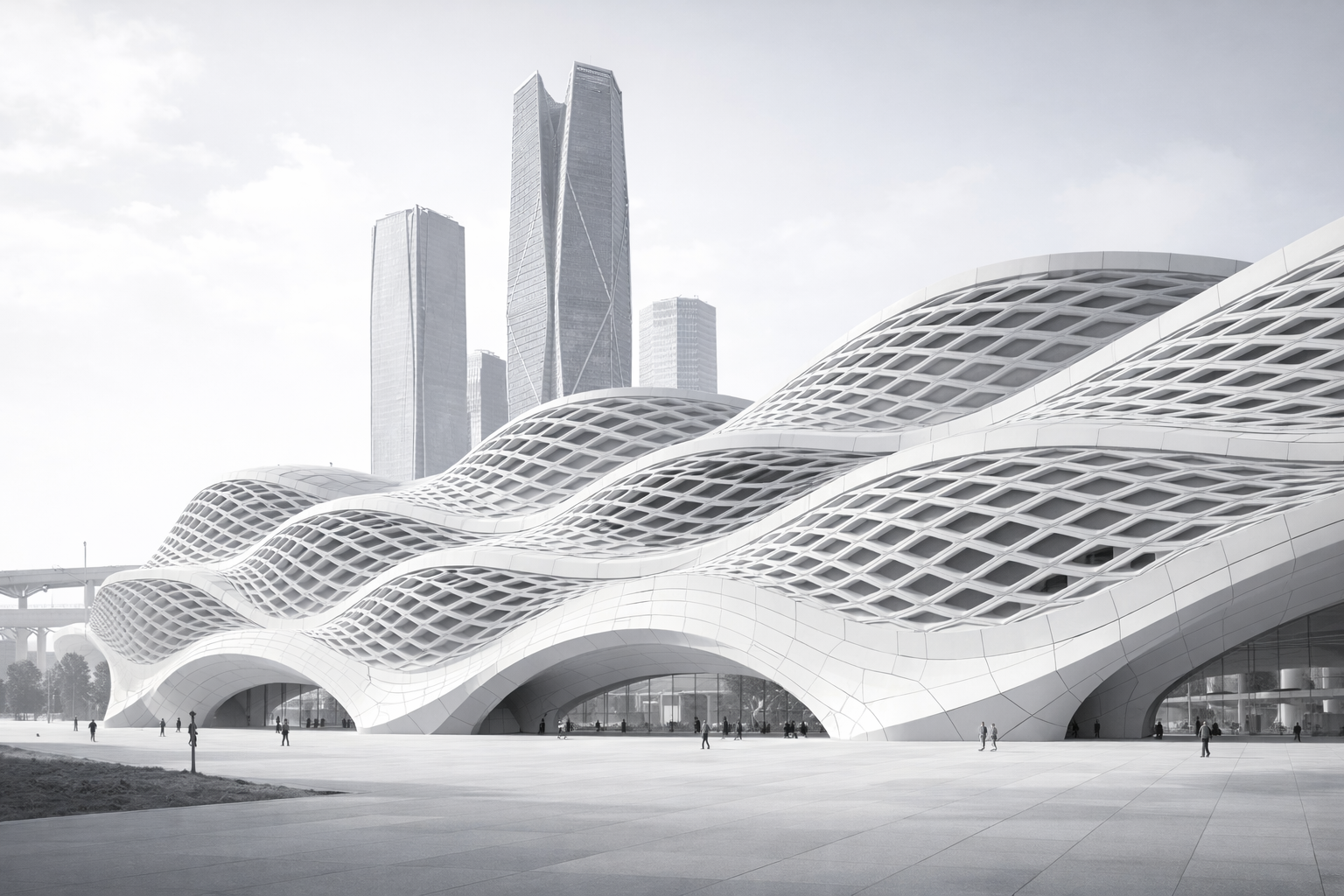
Instead of producing a single fixed outcome, computational designers create rules, parameters, and relationships that can generate many outcomes from one coherent system. Across architecture, product design, jewelry, lighting, furniture, and digital tools, this way of working enables customization without redesign, efficiency without repetition, and complexity without chaos.
BEEGRAPHY AS YOUR COMPUTATIONAL CANVAS
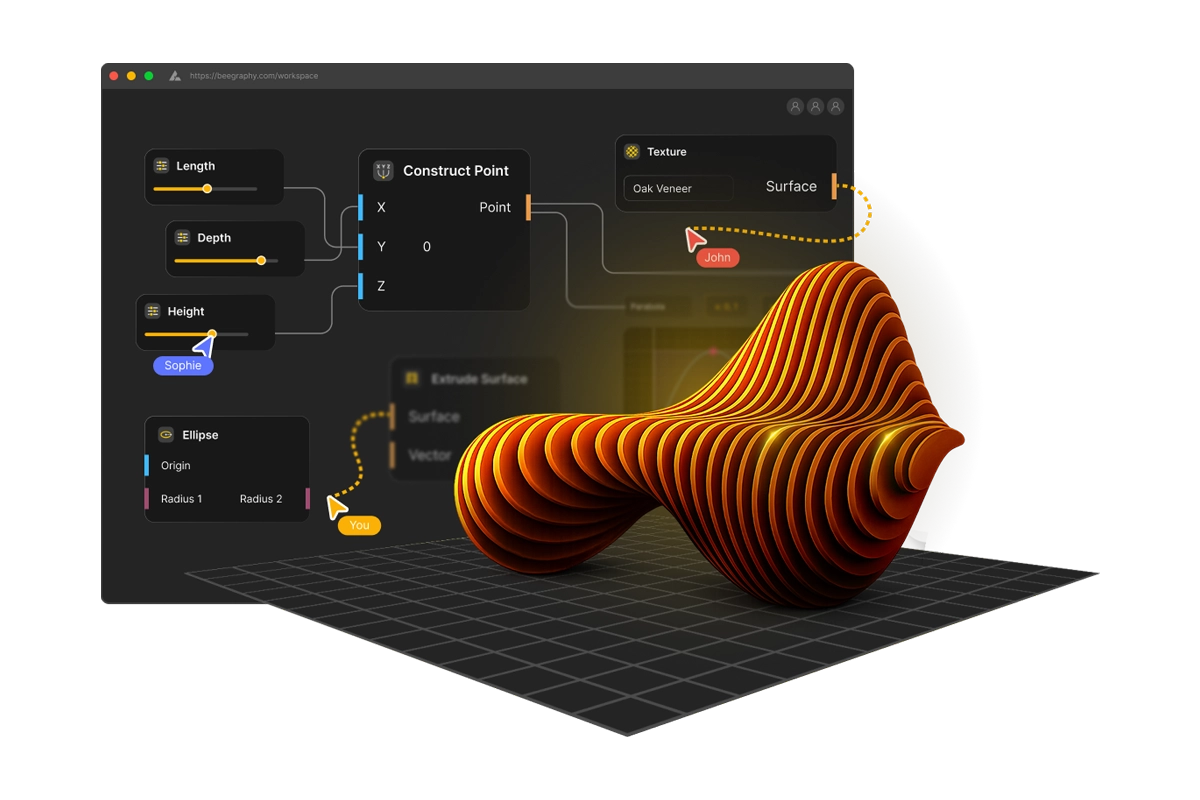
BeeGraphy is a browser-based, node-driven computational design platform built to support how designers actually think when working with parametric systems. Instead of focusing on isolated geometry, BeeGraphy centers the design process around logic, relationships, and parameters, allowing ideas to be developed as adaptable systems rather than fixed forms. Its visual, node-based environment lowers the barrier to entry while preserving the depth and rigor required for serious computational work.
Using BeeGraphy, participants will:
-
Build parametric geometry using visual logic
-
Control variation through clean, adjustable parameters
-
Preview outcomes instantly
-
Prepare fabrication-ready outputs
-
Create reusable systems suitable for configurators and marketplaces
BeeGraphy is not just a tool for modeling but it is the environment where your design logic lives, evolves, and is tested.
CHALLENGE CATEGORIES
Each participant or team will submit one parametric configurator per category. The focus is on building a configurator that is ready for practical application, usable by manufacturers, fabricators, businesses, or individual designers. Rather than producing a static design, participants are expected to develop systems that can generate fabrication-ready drawings, support online 3D product visualization, produce bills of materials (BOMs), and adapt to real-world constraints through parameters.
The categories span a wide range of scales and applications, reflecting how computational design operates across industries.
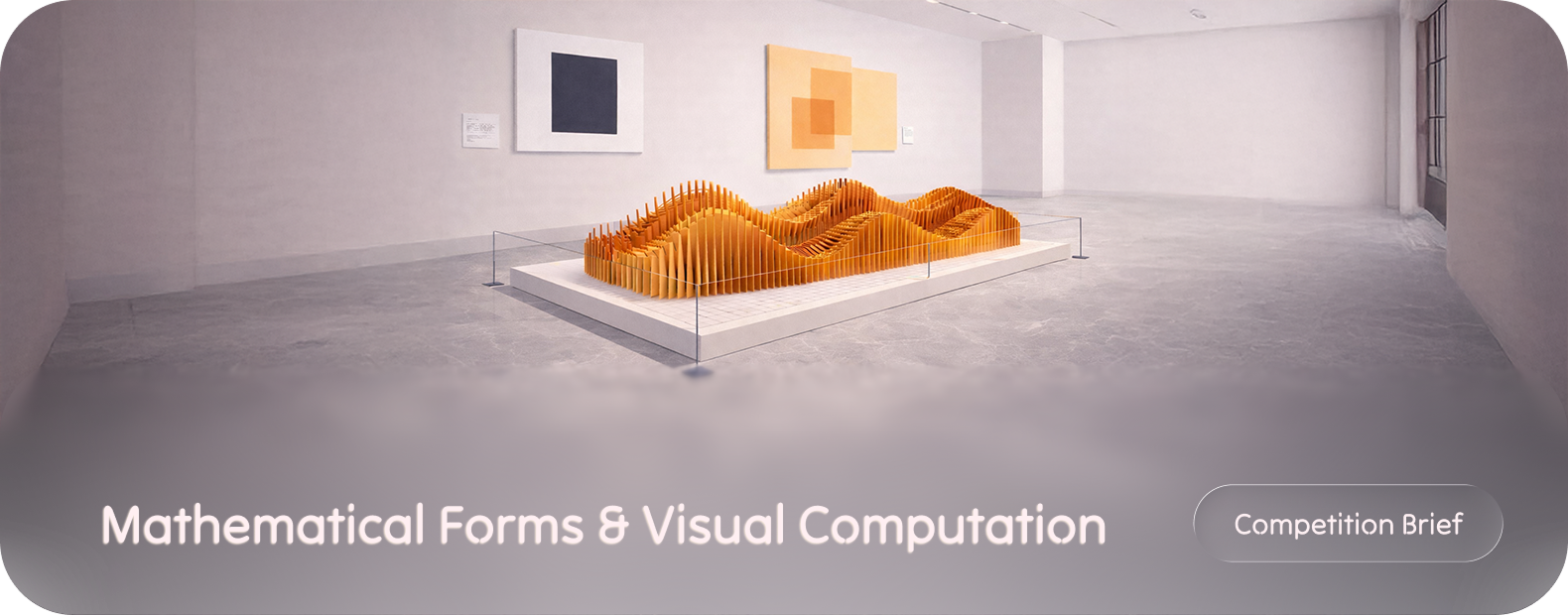 Category 1: Create a visual system driven by a mathematical relationship where changes in parameters visibly shape form.
 Category 2: Design a parametric façade system that adapts to height, privacy, and light through a single reusable logic.

Category 3: Create a repeatable parametric panel module that generates controlled variation across architectural surfaces.
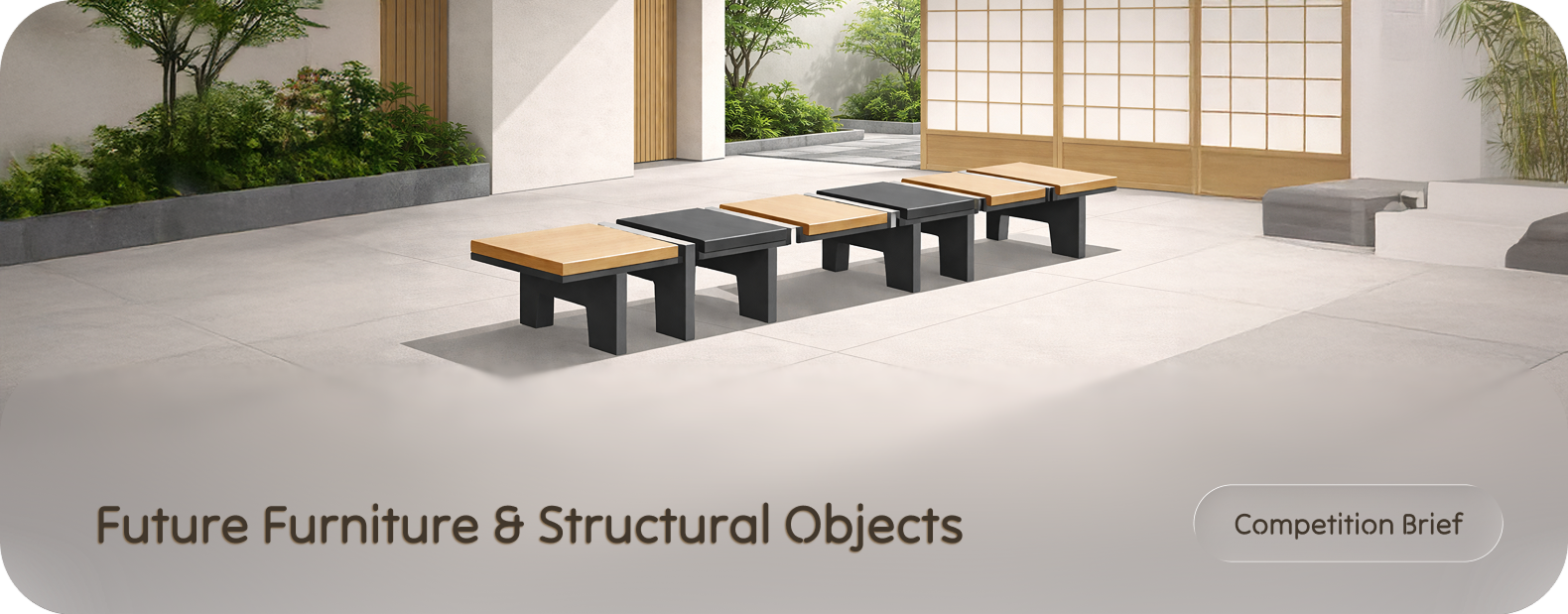
Category 4: Build a configurable furniture system that adapts its footprint while preserving comfort and structural clarity.
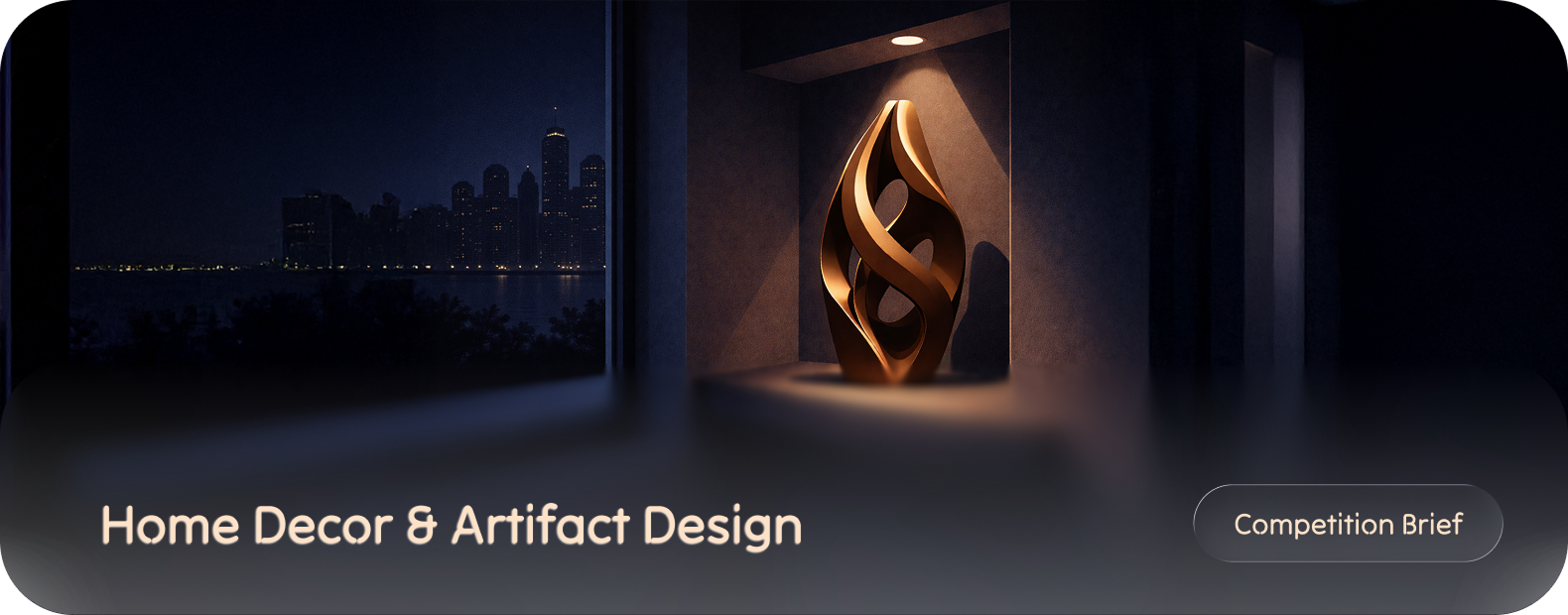
Category 5: Design a parametric decor object that maintains visual balance and stability across changing proportions.

Category 6: Create a configurable lighting object where geometry intentionally controls light direction, diffusion, and shadow.

Category 7: Develop a parametric jewelry system that generates personalized, fabrication-ready pieces from controlled inputs.
Each category is grounded in a real-world scenario and challenges participants to translate design intent into a clear, reusable parametric logic. Regardless of category, every submission is evaluated as a system, not a single outcome. The final configurator should feel complete, adaptable, and intentional - structured as a premium, marketplace-ready asset that others can reuse, customize, and deploy without rebuilding the underlying logic.

