
Breathe Free
Reclaim Recreational Space in City of Tomorrow
OVERVIEW
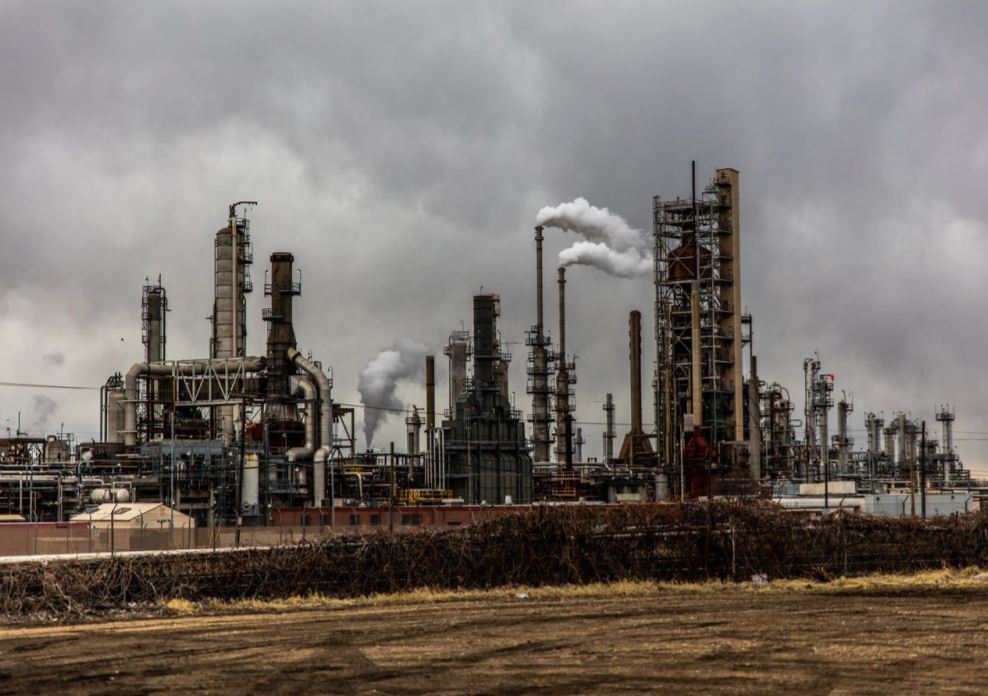
Img 1: Fossil fuel combustion is the biggest contributor to air pollution.
Premise
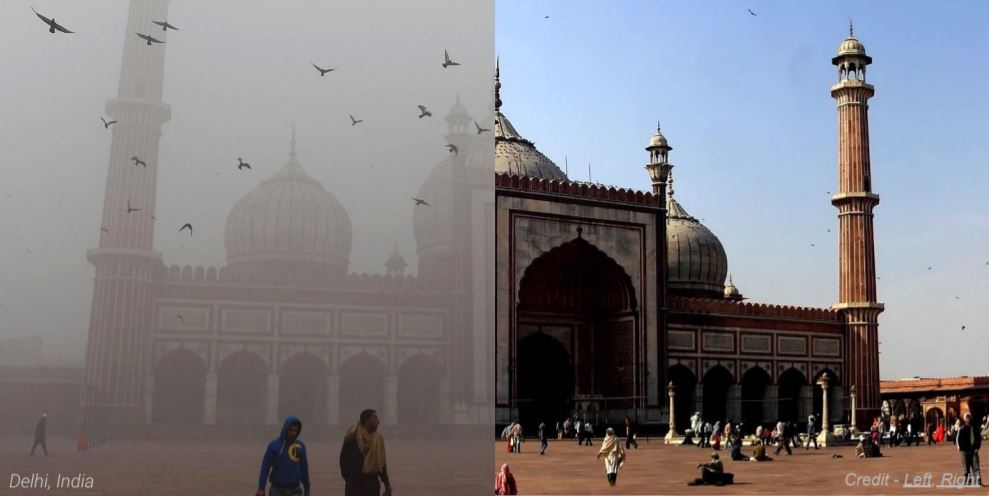
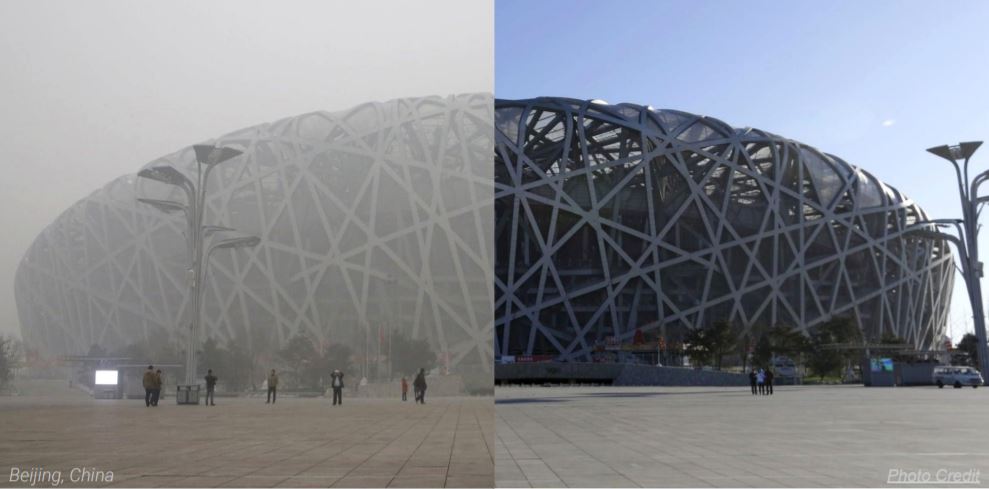
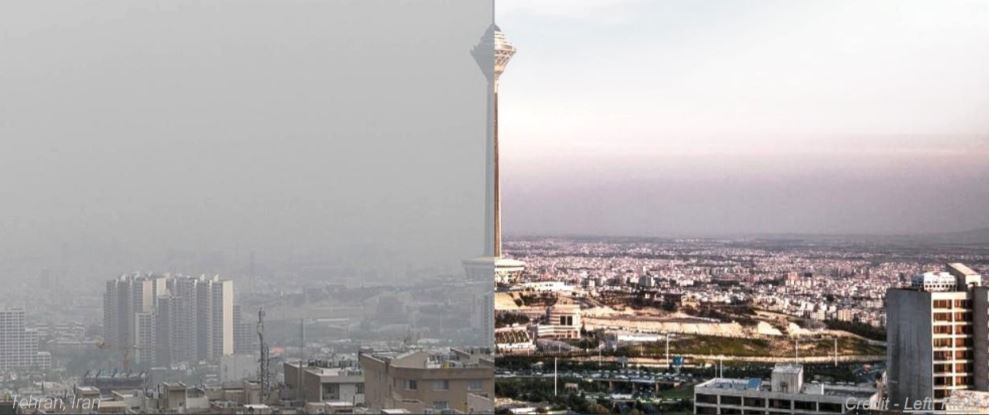
As cities continue to grow and industrialize, half of the world’s population sees itself occupying urban environments. Around 9 out of 10 people frequently breathe in dangerous levels of polluted air. Air pollution also kills an estimate of 4 million every year.
Besides pollution adversely affecting our mortality rate, it impacts our cognitive performance. It affects our health, underwhelms our potential and at larger scale results in an economic, social and cultural deceleration.
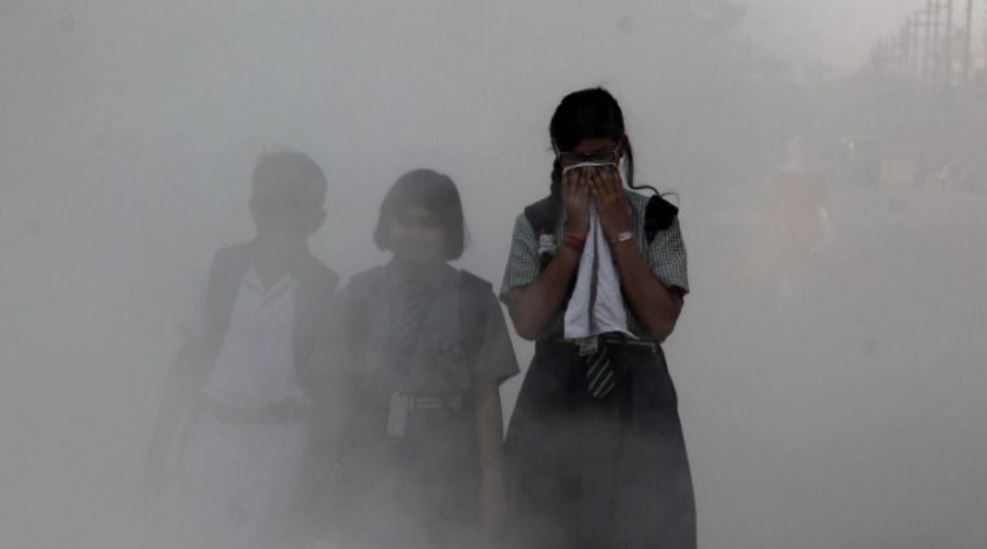
Img 2: More than 90% of children in world breathe toxic air everyday.
Recreational Space
Public spaces besides being a place for community coalition, provides an avenue for residents to breathe fresh air and be active. But the increased rate of pollution is slowly making it, a dysfunctional entity.
Over the last three years, there has been an 8% increase in pollution. WHO reports that by 2030 the air will become so poisonous that having an oxygen kit will become a need.
Right now people are advised to stay indoors and to not indulge in outdoor activities. With an increasing rate, it won’t be hard to imagine a possibility where people will seek refuge inside their hermetically sealed climate. Outdoor activities will start to spill indoor. Inward looking spaces will become crowded. Barely would anyone choose to interact beyond the confines of an artificial climate.
Where does this leave the public spaces of the city?
Img 3: Competition aims to reclaim public space as a place to breathe.
Brief
Public spaces essentially act as a respite place for a city. Beneficial for mental well-being, it also provides a sense of security. A place to engage, celebrate and breathe, it enriches a city fabric. But with an increased level of air pollutants, it is no longer functioning to its full potential. Over that privatization, globalization and communication revolution has reshaped the future demand and supply of public spaces. It's about time that we reclaim and rethink the public space.
Brief: To design a model public park that is ready for high air pollution levels and has the ability to reactivate outdoors in an pollution struck city.
The design scope has to expand way beyond general landscaping to make this happen.
Objectives
Sustainable: Design should be sensitive to the environment.
Inform: Acknowledgement / Awareness regarding the pollution crisis.
Landmark: Significance of the issue and hence the space should be reflected in its physical scale.
Technology: Large and small scale technology being devised to curb the pollution level. How will the space evolve with it?
Competition aims to reinvent the public park. Designing solutions by possibly incorporating typologies like aroma therapies, carbon capture facility etc, technology (Smog Towers etc) or materials (Photo-Catalytic Treatments etc). As cities suffocate with pollutants, air has become an inescapable liability. Beyond a space for community interaction, it has to be a respite space where people are able to breathe freely. Readings available in additional resource.
Green Pockets
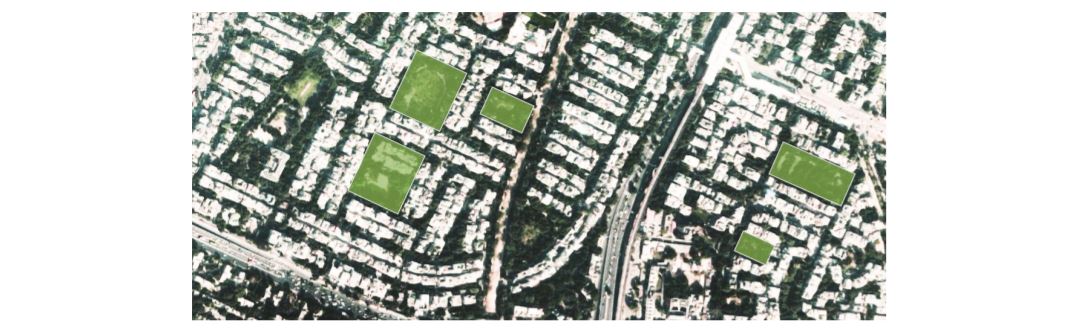
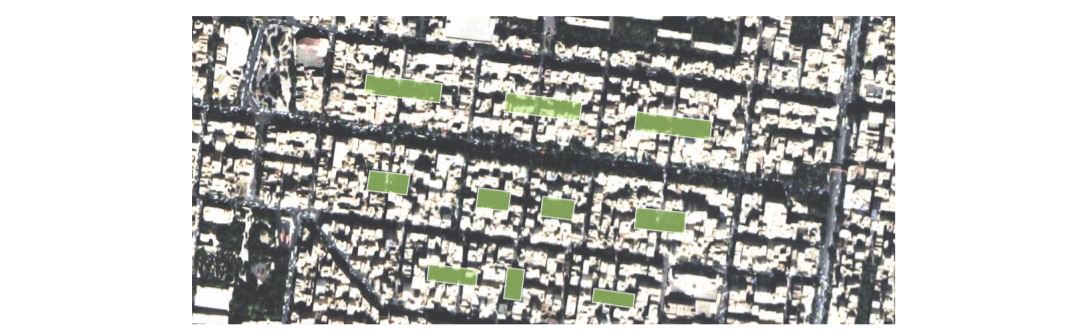
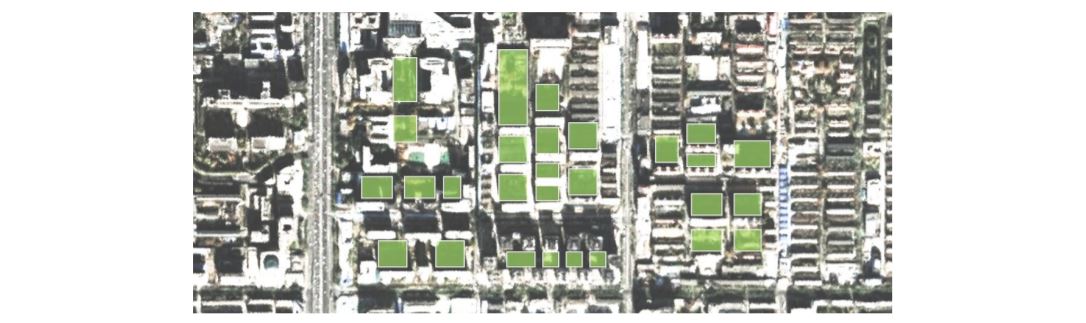
With increased urban densities, space is a premium and small public spaces have become a focus for building nature into cities. Many cities (Barcelona, Sweden, Chandigarh) have been planned by allocating housing plots, around green urban pockets They become a local recreational avenue where people of all ages engage, play and walk. But due to pollution, people now prefer to stay indoors. Intervention is required to rethink and elevate these small scale parks. The urban context for the intervention can be any dense urban residential fabric having pocket of green spaces and high level of pollution. The intervention should respond to climate of the chosen location.
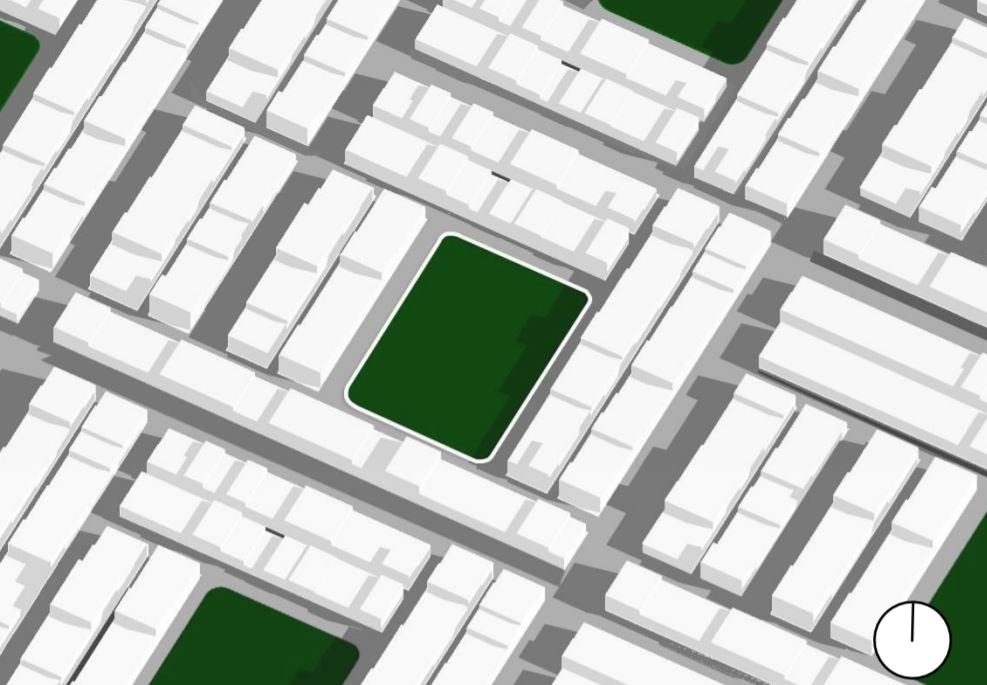
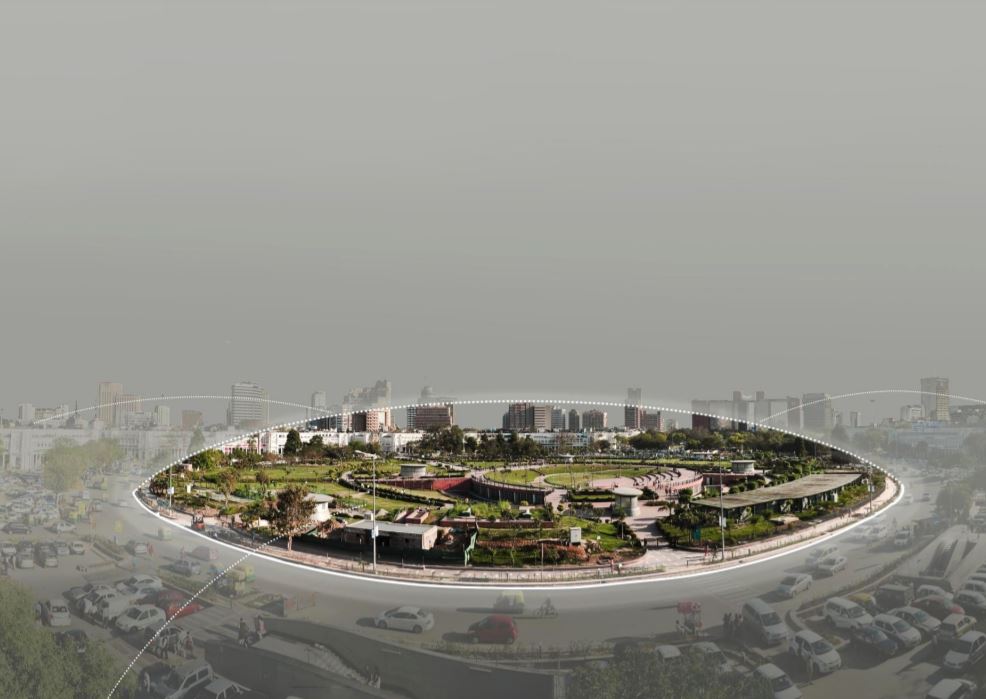
Img 4: Plot area of 7000 sqm as site intervention.
Site Plan
The above image is a rendition of a generic residential streetscape of a city. A typical pocket constitutes offices in the basement, commercial spaces on the first floor and residences above. A plot area of around 7000 sqm has been marked, where the participants have to plan their intervention.
- Ground Coverage 10%
- Site Area 7200 sqm
- Height restrictions - 20m
- Setbacks of 4m on all 4 sides
- No. of people - 50 (at one time)
Judging Criteria
The entries will be judged by an international jury of the competition on the following criterions:
Presentation: The fundamental to a good entry is a good presentation.
Concept/Idea: Quality of thought and intent in pre-design phase.
Spaces/Programme: How the spaces are calculated and ordered.
Design Outcome: The final architectural outcome of the solution.
The judging panel can also add other criterions based on their internal discussions - which will be in line with the problem statement. Participants are advised to fulfil above given criterions first in their design.
Similar Competitions
Discover competitions you might be interested in


Design challenge to equip cities with modern furniture

Render competition to represent the city as a machine

Challenge to design a shop stop sunk in the city


A Global Graduation Competition for Architecture, Urban Design & Interior Design
